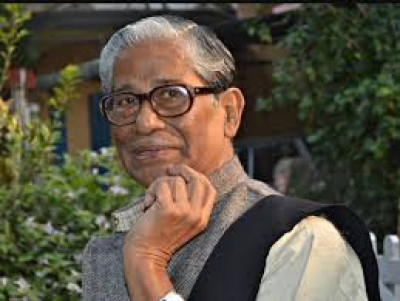
Life & Legacy
Early Life
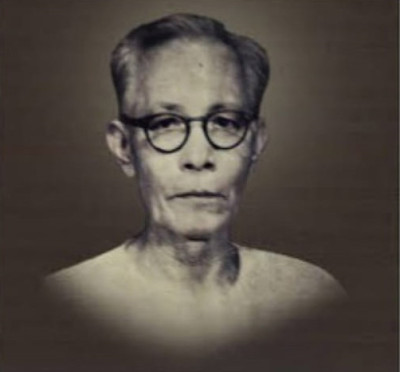
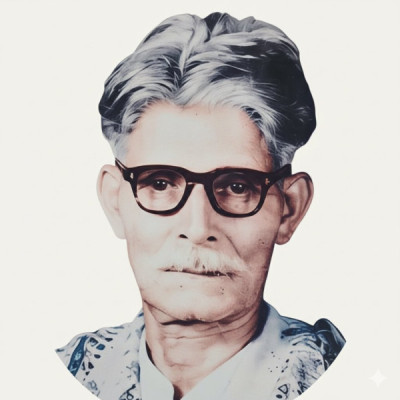
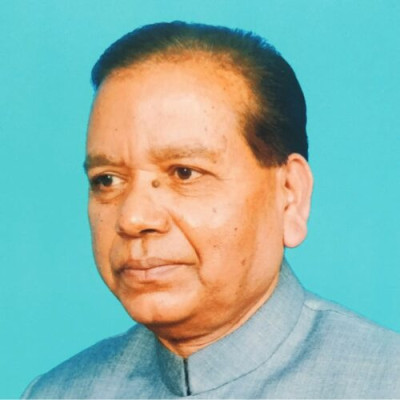
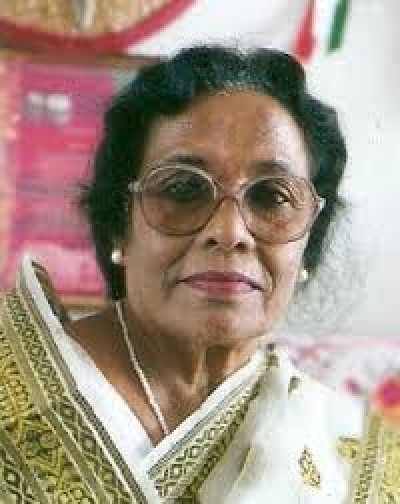
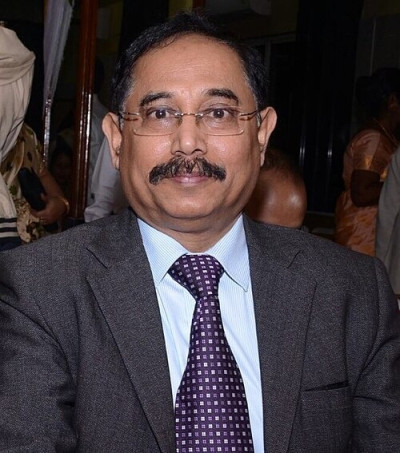
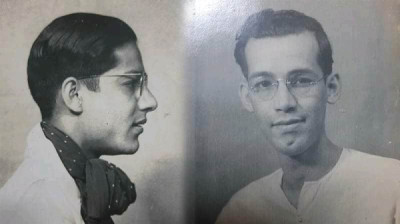
Parag Kumar Das was born on 24 February 1961 in Shillong, then part of undivided Assam (now Meghalaya). From an early age, he displayed exceptional academic ability. He completed his schooling at Chenikuthi Boys School, M.C.M.E. School, and Cotton Collegiate Government Higher Secondary School in Guwahati. He secured outstanding ranks in both the HSLC and Pre-University examinations, earning recognition as one of Assam's brightest students.
Education
After completing his education in Assam, Parag Kumar Das moved to Delhi for higher studies. He graduated in Economics from the prestigious St. Stephen's College, University of Delhi, and later earned a Master's degree in Economics from the Delhi School of Economics. His academic background strengthened his analytical thinking, which later became evident in his writings on politics, economics, and society.
Professional Career
Parag Kumar Das initially worked as a manager at Punjab National Bank before serving as the General Manager of the Guwahati Stock Exchange. Although he established a successful professional career, his passion for journalism and public affairs eventually led him to leave the corporate sector.
He began writing for Assamese publications such as Prantik and the English daily The Sentinel. In 1989, he founded the Assamese weekly Boodhbar, which quickly became known for its bold reporting and independent editorial stance. In 1994, he launched another publication, Agaan, to further encourage informed public debate on Assam's political and social issues.
In 1995, Parag Kumar Das became the Executive Editor of Asomiya Pratidin, one of Assam's leading Assamese newspapers. His editorials addressed subjects ranging from governance and corruption to ethnic identity, democracy, and civil liberties. Under his editorial leadership, the newspaper earned widespread respect for investigative reporting and independent journalism.
Human Rights Activism
Parag Kumar Das was among the pioneers of the organized human rights movement in Assam. In 1991, he co-founded Manab Adhikar Sangram Samiti (MASS), a human rights organization dedicated to documenting custodial deaths, disappearances, illegal detentions, and violations of civil liberties during a period of intense conflict in the state.
His commitment to justice often placed him at the center of controversy. He faced arrests under laws such as the National Security Act (NSA) and the Terrorist and Disruptive Activities (Prevention) Act (TADA). Despite these challenges, he continued to advocate for democratic values, freedom of expression, and the protection of human rights.
Literary Contributions
Besides journalism, Parag Kumar Das was a prolific Assamese writer. His books reflected his political philosophy, economic analysis, and views on Assam's contemporary issues. Some of his notable works include:
- Rastradrohir Dinlipi
- Swadhinataar Prostab
- Nisiddha Kalam Aru Annyanya
- Swadhin Axomor Arthaniti
- Sanglat Fenla
- Early Writings of Parag Kumar Das
His writings continue to be studied by researchers, journalists, students, and readers interested in Assam's political and social history.
Achievements
- Executive Editor of Asomiya Pratidin.
- Founder of the Assamese weekly Boodhbar.
- Founder of the Assamese magazine Agaan.
- Co-founder and leader of Manab Adhikar Sangram Samiti (MASS).
- One of Assam's leading human rights advocates.
- Promoted independent journalism and freedom of expression.
- Authored several influential Assamese books on politics, economics, and society.
- Inspired a new generation of journalists and civil rights activists.
Awards and Recognition
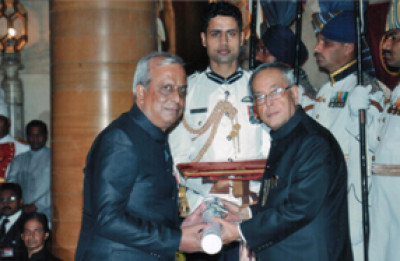
Although Parag Kumar Das did not receive major national awards during his lifetime, his contribution has been widely recognized after his death.
- The Parag Kumar Das Memorial Trust was established to preserve his ideals.
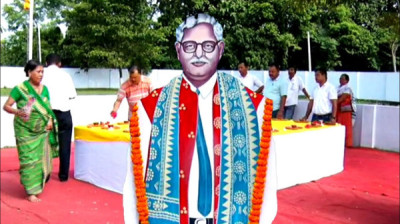
- Annual memorial debates and lectures are organized in his memory.
- Numerous journalists, scholars, and civil rights organizations regard him as one of Assam's greatest champions of press freedom and human rights.
- His life continues to inspire discussions on ethical journalism and democratic values.
Death
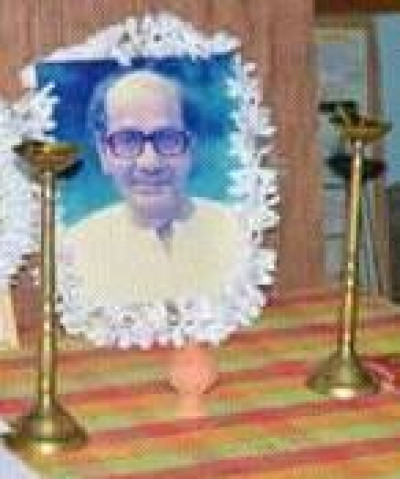
On 17 May 1996, Parag Kumar Das was assassinated in broad daylight near Chandmari, Guwahati, while returning home after picking up his young son from school. His murder shocked Assam and attracted national and international attention. Human rights organizations, journalists, and civil society groups strongly condemned the incident. His death remains one of the most significant events in the history of journalism in Assam and serves as a reminder of the risks faced by those who defend truth and justice.
Legacy
Parag Kumar Das remains an enduring symbol of fearless journalism, intellectual honesty, and human rights advocacy. His writings continue to influence public discourse, while the values he stood for inspire journalists, students, researchers, and civil society organizations. His life demonstrates that responsible journalism is essential for protecting democracy, accountability, and the rights of ordinary citizens.
FAQs about Parag Kumar Das
1. Who was Parag Kumar Das?
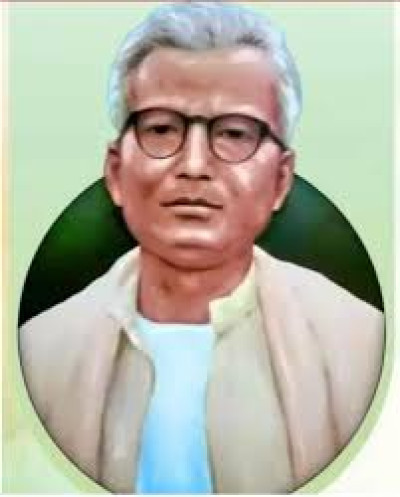
Parag Kumar Das was a renowned Assamese journalist, writer, editor, economist, and human rights activist known for his fearless journalism and advocacy for civil liberties.
2. When was Parag Kumar Das born?
He was born on 24 February 1961 in Shillong, Meghalaya.
3. What was Parag Kumar Das famous for?
He was widely known for his fearless journalism, leadership in the human rights movement, and his role as Executive Editor of Asomiya Pratidin.
4. What is MASS in Assam?
MASS stands for Manab Adhikar Sangram Samiti, a human rights organization co-founded by Parag Kumar Das to protect civil liberties and document human rights violations.
5. Where did Parag Kumar Das study?
He studied Economics at St. Stephen's College and completed his Master's degree at the Delhi School of Economics, University of Delhi.
6. Which books were written by Parag Kumar Das?
His notable books include Rastradrohir Dinlipi, Swadhinataar Prostab, Nisiddha Kalam Aru Annyanya, Swadhin Axomor Arthaniti, Sanglat Fenla, and Early Writings of Parag Kumar Das.
7. When did Parag Kumar Das die?
He was assassinated on 17 May 1996 in Guwahati, Assam.
8. Why is Parag Kumar Das remembered today?
He is remembered for his commitment to independent journalism, democratic values, freedom of expression, and the protection of human rights.
9. What is the Parag Kumar Das Memorial Trust?
It is an organization established after his death that promotes debates, memorial lectures, and awareness programs to preserve his ideals and legacy.
10. What is Parag Kumar Das's legacy?
His legacy lives on through his writings, journalism, human rights activism, and his lasting influence on media, civil society, and democratic thought in Assam.