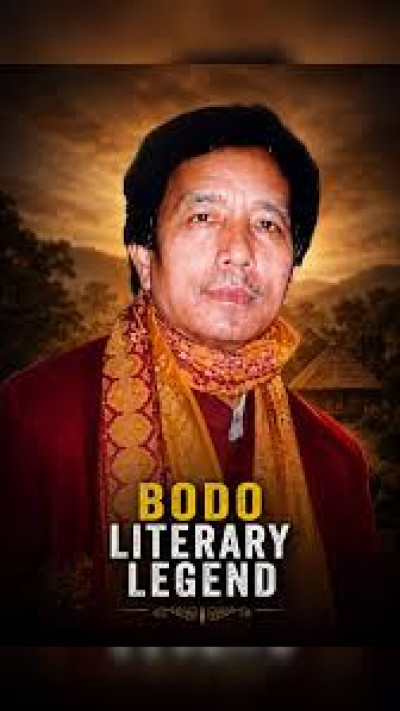
Life & Legacy
Early Life
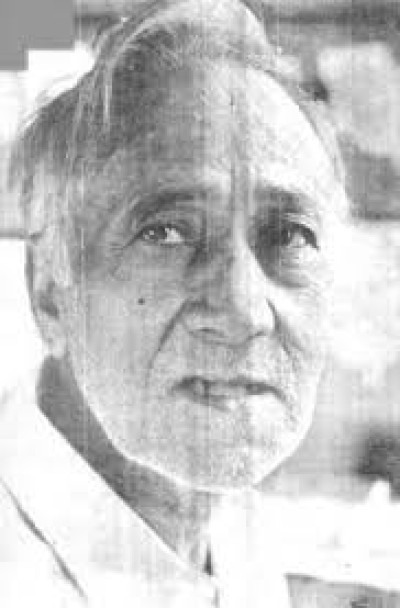
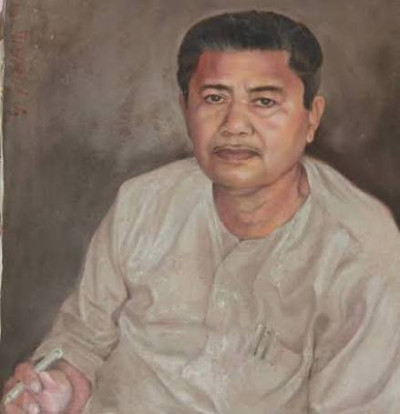
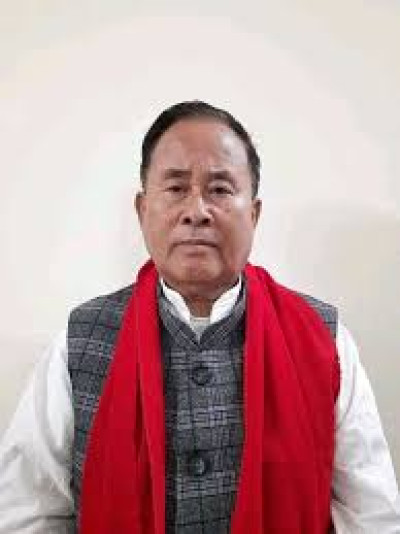
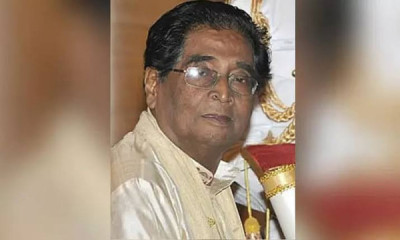
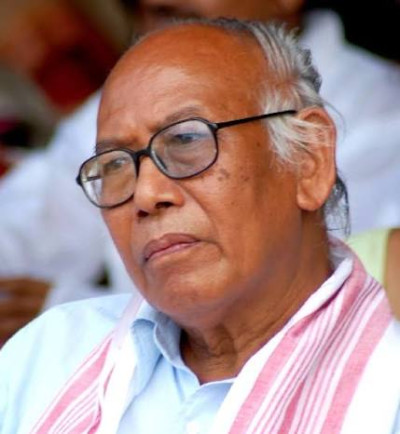
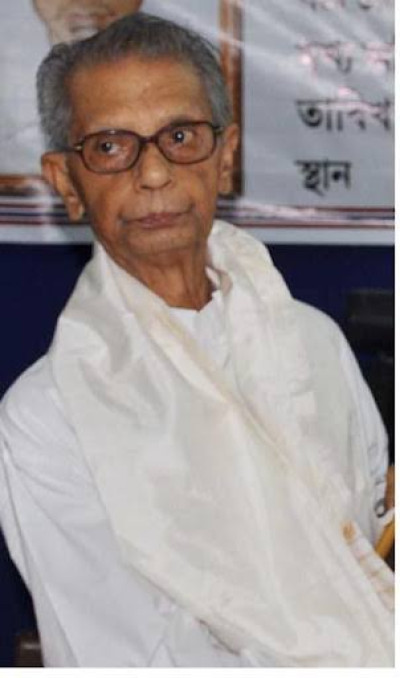
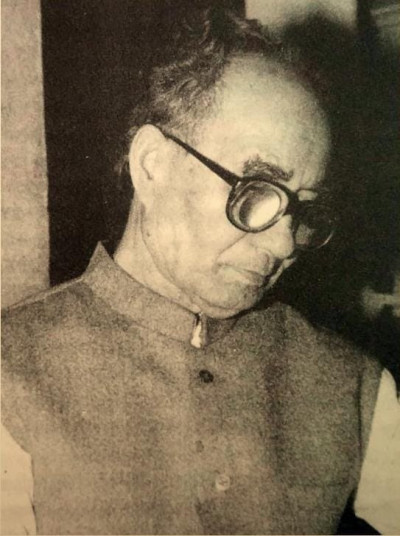
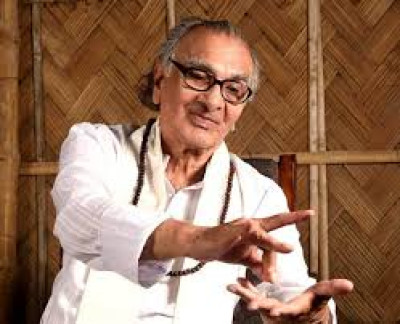
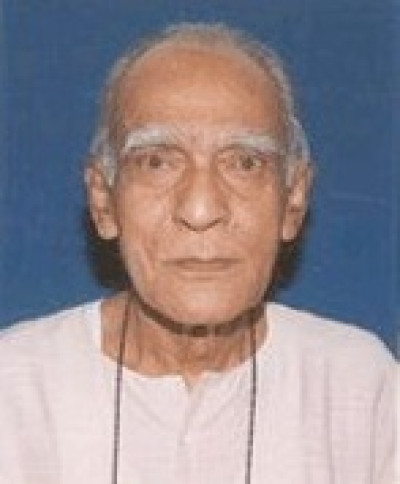
Mangal Singh Hazowary was born on 2 March 1954 in Silbari village near Bijni in present-day Chirang district of Assam. He was born into a middle-class farming family, where traditional Bodo customs and rural life shaped his early experiences. From childhood, he developed a deep interest in reading, writing, folklore, and the cultural traditions of the Bodo community.
Education
He completed his matriculation in 1970 and initially enrolled at Cotton College. Due to financial constraints, he later continued his studies at Bijni College, where he earned his Bachelor of Arts degree. He subsequently completed his Master of Arts and later obtained a Ph.D. from Gauhati University in 1999. His doctoral research focused on "Traditional Bodo Festival: A Critical Study," reflecting his commitment to documenting and preserving indigenous culture.
Career
Hazowary began his professional career as a teacher at Silbari J.P. School in 1971. He later served as an assistant teacher at Boro Bazar H.E. School before joining the Government College of Teacher Education, Kokrajhar, as a lecturer in 1984. Through dedication and academic excellence, he rose to become the Principal of the institution, serving until his retirement in 2015.
Apart from teaching, he also worked as a visiting lecturer at Gauhati University, Kokrajhar Campus, Commerce College Kokrajhar, and Girls' College Kokrajhar. His academic career significantly influenced teacher education and the development of Bodo studies in Assam.
Literary Journey
Mangal Singh Hazowary started writing poems and essays during his school days. His first poetry collection, Jiuni Khonthai Methai, established him as an emerging literary voice in the Bodo language. Over the years, he became one of the most influential modern Bodo writers, producing poetry, plays, essays, research works, songs, and literary criticism.
His writings explore themes such as spirituality, social harmony, tribal identity, nature, culture, education, and human values. His poetry combines traditional Bodo philosophy with contemporary literary expression, making his works relevant to both scholars and general readers.
He has authored more than 38 books and edited around 80 Bodo-language magazines, making him one of the most prolific contributors to modern Bodo literature.
Contribution to Bodo Language and Culture
Hazowary dedicated his life to strengthening the Bodo language at a time when indigenous languages faced numerous challenges. His literary works preserve Bodo customs, religious beliefs, folk traditions, festivals, and historical narratives for future generations.
He has also played an active role in several literary, educational, and cultural organisations, including the Bodo Sahitya Sabha and Bodo Writers' Academy. As one of the founding members of the All Bathou Religious Union, he contributed to promoting the traditional Bathou faith and preserving the spiritual heritage of the Bodo people.
Major Achievements
- Recipient of the Sahitya Akademi Award (2005) for the poetry collection Jiuni Mwkthang Bisombi Arw Aroj.
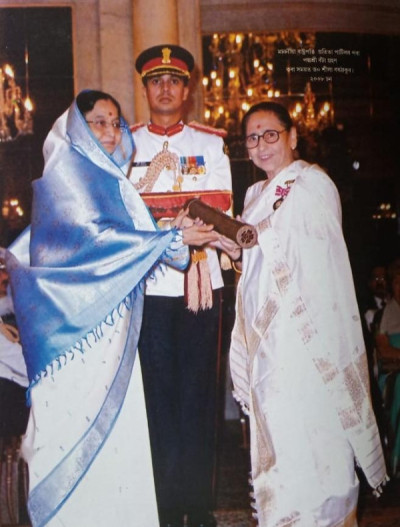
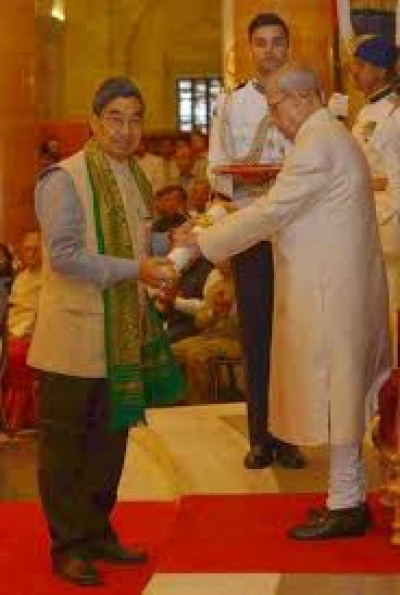
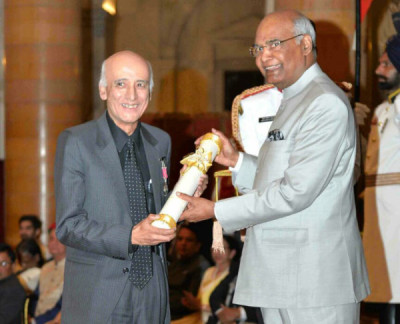
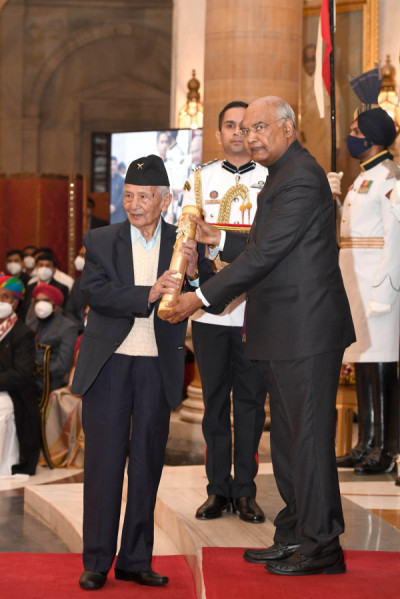
- Awarded the Padma Shri in 2021 for contributions to Literature and Education.
- Authored over 38 books in the Bodo language.
- Edited approximately 80 Bodo literary magazines.
- Completed doctoral research on traditional Bodo festivals.
- Served as Principal of Government College of Teacher Education, Kokrajhar.
- Promoted Bodo language, literature, education, and indigenous cultural heritage for more than five decades.
Positions Held
- Teacher, Silbari J.P. School
- Assistant Teacher, Boro Bazar H.E. School
- Lecturer, Government College of Teacher Education, Kokrajhar
- Principal, Government College of Teacher Education, Kokrajhar
- Executive Member, Bodo Sahitya Sabha
- Founder Member and Editor, Bodo Writers' Academy
- Founder Member, All Bathou Religious Union
- Member, Gauhati University Court
- Adviser to several literary, educational, cultural, and social organisations
Books Written
Mangal Singh Hazowary has written over 38 books covering poetry, drama, literary criticism, religion, folklore, culture, and history. Some of his well-known works include:
- Jiuni Mwkthang Bisombi Arw Aroj
- Jiuni Khonthai Methai
- Baodia
- Bathou Aroj
- Sonani Maibong
- Siman
- Gudan Fuwisali
- Boro Harimu
- Khonthaimala (Volumes I & II)
- Khonsai Bidang (Volumes I & II)
- Sungdo Soloni Jothai Mala
Awards and Recognition
- Padma Shri (2021)
- Sahitya Akademi Award (2005)
- Assam Ratna Award (2004)
- Mother Teresa International Award for Individual Excellence (2002)
- Jewel of India Award (2002)
- International Intellectual Achievement Award (2011)
- Numerous honours from literary, educational, and cultural organisations.
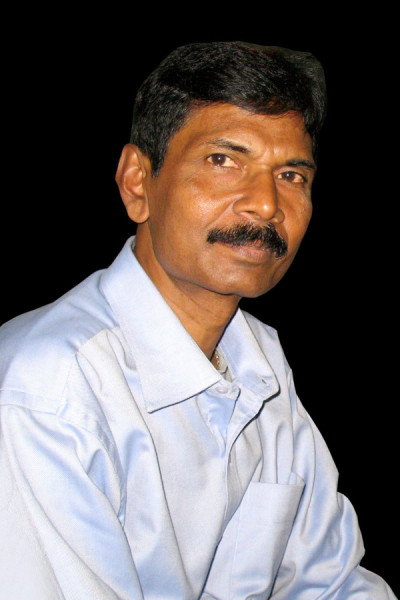
Mangal Singh Hazowary remains one of the foremost literary figures of Assam and a leading voice of modern Bodo literature. His remarkable contributions as a poet, scholar, teacher, researcher, and cultural activist continue to inspire new generations while ensuring that the Bodo language and its rich cultural heritage remain vibrant and respected across India.
FAQs about Mangal Singh Hazowary
1. Who is Mangal Singh Hazowary?
Mangal Singh Hazowary is a renowned Bodo poet, playwright, educationist, researcher, and Padma Shri awardee from Assam known for promoting Bodo language and literature.
2. Why is Mangal Singh Hazowary famous?
He is famous for his outstanding contribution to Bodo literature, his Sahitya Akademi Award-winning poetry, and his lifelong efforts to preserve indigenous culture.
3. When was Mangal Singh Hazowary born?
Mangal Singh Hazowary was born on 2 March 1954 in Silbari village of present-day Chirang district, Assam.
4. Which award did Mangal Singh Hazowary receive for literature?
He received the Sahitya Akademi Award in 2005 for his acclaimed poetry collection Jiuni Mwkthang Bisombi Arw Aroj.
5. When did Mangal Singh Hazowary receive the Padma Shri?
The Government of India honoured him with the Padma Shri in 2021 for his contribution to Literature and Education.
6. How many books has Mangal Singh Hazowary written?
He has authored more than 38 books and edited nearly 80 Bodo-language literary magazines.
7. What are the major themes of Mangal Singh Hazowary's writings?
His works focus on Bodo culture, spirituality, indigenous traditions, education, social harmony, nature, identity, and human values.
8. What educational qualifications does Mangal Singh Hazowary have?
He earned a Bachelor of Arts, a Master of Arts, and a Ph.D. from Gauhati University, with research on traditional Bodo festivals.
9. What positions has Mangal Singh Hazowary held?
He served as teacher, lecturer, Principal of Government College of Teacher Education Kokrajhar, Executive Member of Bodo Sahitya Sabha, Founder Member of Bodo Writers' Academy, and held several academic and cultural leadership positions.
10. Why is Mangal Singh Hazowary important in Assam's literary history?
He is regarded as one of the pioneers of modern Bodo literature whose writings, research, and educational work have preserved and strengthened the language, literature, and cultural identity of the Bodo community for future generations.