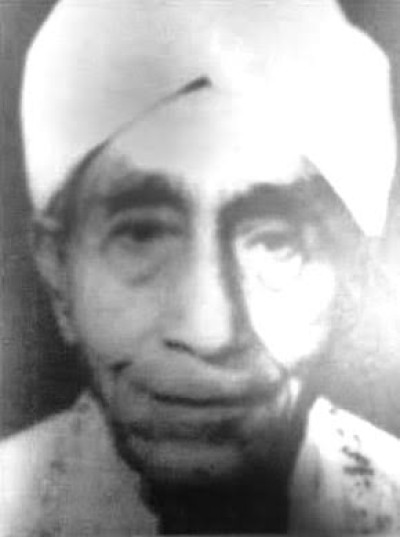
Life & Legacy
Early Life
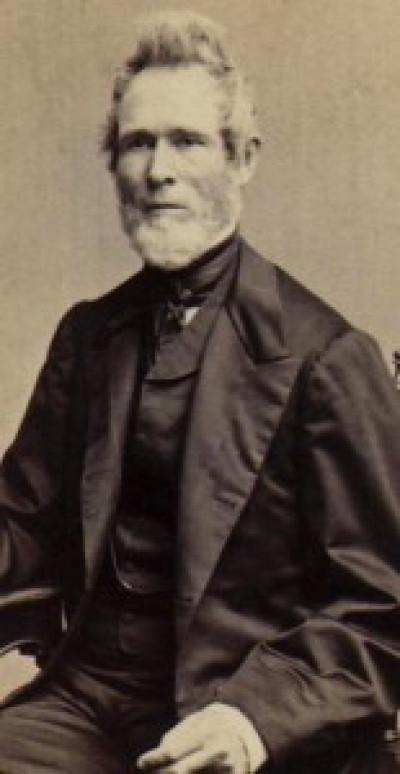
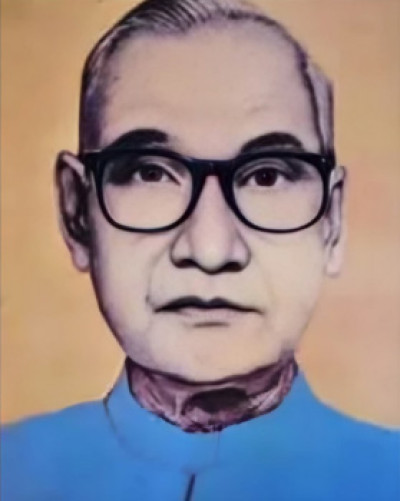
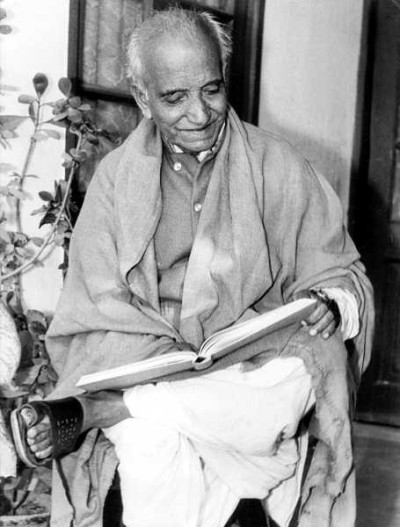
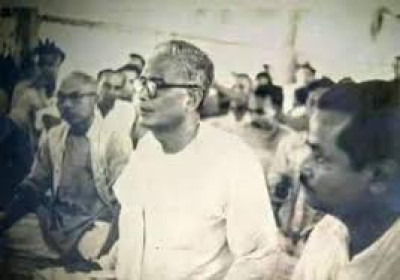
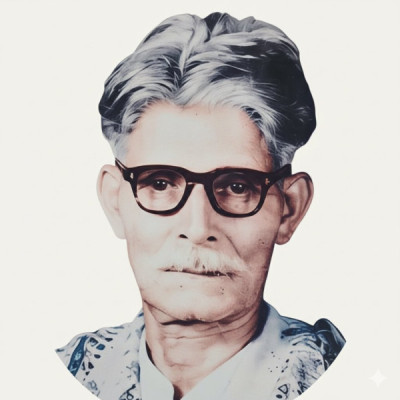
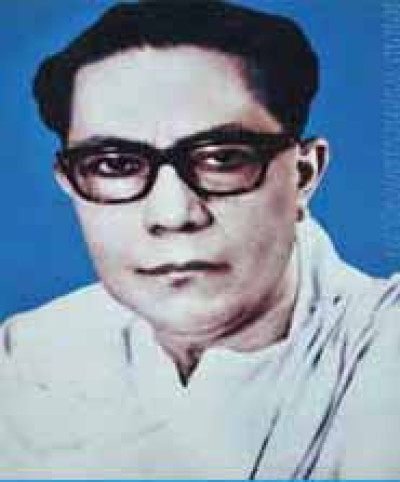
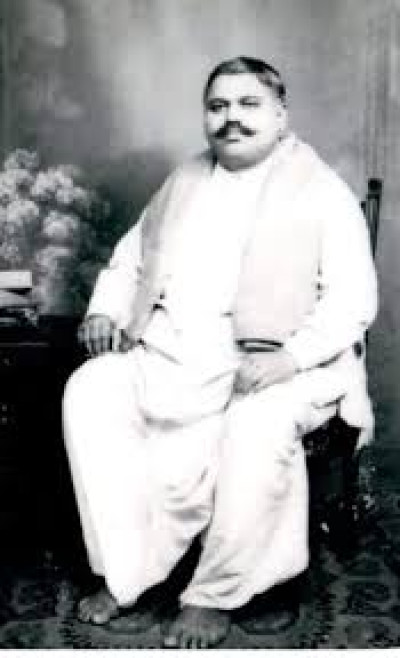
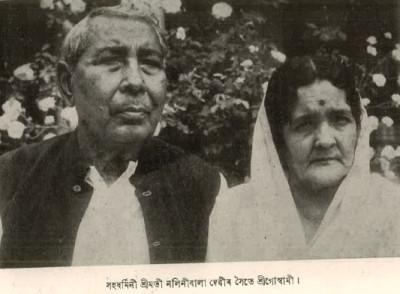
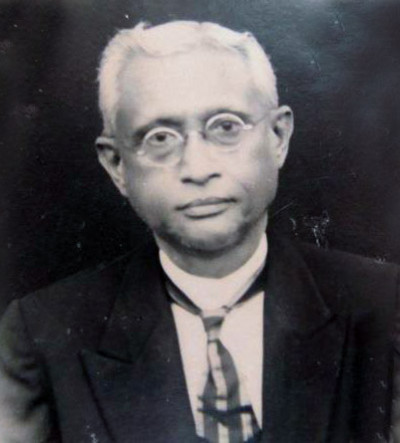
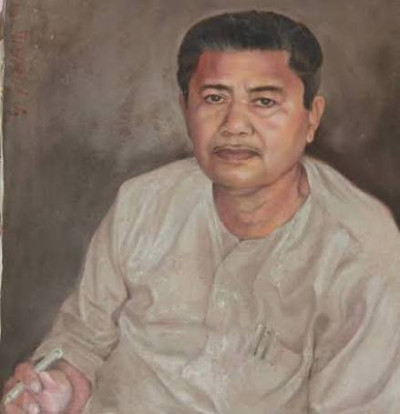
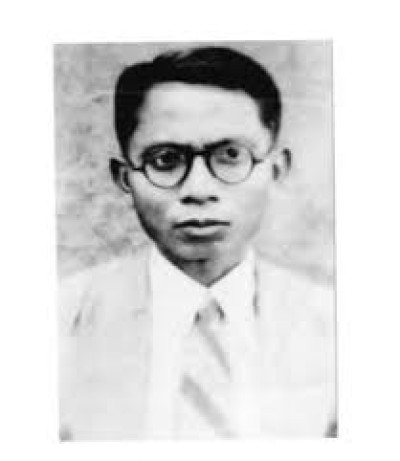
Mitradev Mahanta was born on 13 June 1894 at Sarbaibandha, Letugram Satra in Jorhat district, Assam. He was born into a respected Vaishnavite family. His father, Niranjan Devgoswami, and his mother, Bagitara Devi, nurtured him in a spiritual and cultural environment that greatly influenced his future literary and artistic career. Growing up in the Satra tradition helped him develop a deep understanding of Assamese religion, music, drama and literature from an early age.
Education
He began his education at Hezari Primary School in Jorhat before joining Jorhat Government High English School in 1904. An outstanding student, he passed the Entrance Examination with distinction in 1912 and enrolled at Cotton College, Guwahati, for his Intermediate studies. In 1914, he again passed with distinction and joined the Bachelor of Arts programme with Sanskrit Honours.
Despite his academic excellence, financial difficulties forced him to discontinue his higher studies. Determined to continue learning, he later completed the L.T. (Licentiate in Teaching) examination from the University of Dhaka in 1925 with distinction while serving as a teacher.
Professional Career
Mitradev Mahanta began his professional career on 5 January 1915 as an Assistant Teacher at Jorhat Government High School. His dedication to education and administration earned him several important positions during his career.
In 1937, he became the Assistant Superintendent of Jorhat Normal School. Later, in 1947, he was appointed Headmaster of Golaghat Government High School. Between 1949 and 1950, he served as Superintendent of the Golaghat Teacher Training School before retiring from government service.
Following his retirement, he accepted the responsibility of managing Letugram Satra as its Satradhikar, continuing his commitment to preserving Assam's Vaishnavite heritage and religious traditions.
Literary Career
Mitradev Mahanta made remarkable contributions to Assamese literature through poetry, drama, children's literature, devotional writings, essays and songs. His writings reflected social awareness, humour, religious values, patriotism and Assamese cultural identity.
He became especially popular as a dramatist, producing numerous mythological, historical and social plays that entertained audiences while promoting moral values. His stage works displayed strong character development, meaningful dialogues and traditional Assamese cultural elements.
Apart from drama, he also wrote children's books, poems, educational books and devotional literature. His simple language and engaging storytelling made his works popular among readers of all ages.
One of his most enduring literary contributions was composing the famous opening song of the Asam Sahitya Sabha, "Siro Senehi Mur Bhasha Janani," which continues to be sung during Sabha sessions and remains a symbol of pride for Assamese language lovers.
Acting and Theatre Contributions
Along with writing, Mitradev Mahanta was one of the pioneers of modern Assamese theatre. Beginning his acting career around 1916, he performed in numerous mythological, historical and social dramas. His natural acting ability, expressive dialogue delivery and dedication to stage performance earned him widespread recognition across Assam.
He also directed several theatrical productions and actively promoted Assamese drama at a time when regional theatre was rapidly developing. His contributions significantly strengthened Assamese stage culture and inspired future generations of actors and playwrights.
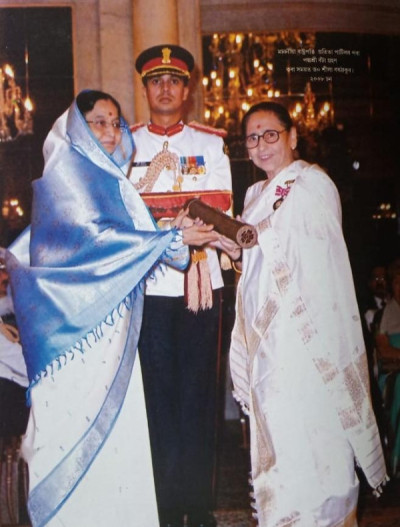
In recognition of his outstanding contribution to theatre, he received the Sangeet Natak Akademi Award for Acting in 1961, becoming one of the earliest Assamese theatre personalities to receive this prestigious national honour.
Association with Asam Sahitya Sabha
Mitradev Mahanta remained closely associated with the Asam Sahitya Sabha for several decades. He served as Joint Secretary from 1932 to 1935 and was later elected Vice-President on two occasions.
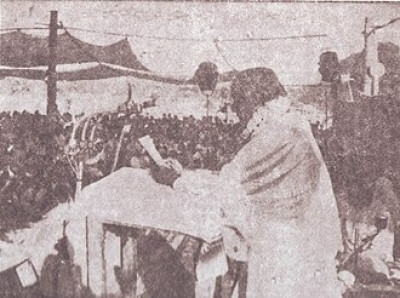
In 1964, he presided over the Digboi session of the Asam Sahitya Sabha as its President. His leadership helped strengthen the organisation's role in promoting Assamese language, literature and cultural heritage.
In 1982, the Sabha honoured him with the title "Sahityacharya" in recognition of his lifelong literary achievements.
Personal Life
In 1920, Mitradev Mahanta married Lakshmipriya Devi, daughter of the Satradhikar of Supkha Satra in present-day Sivasagar district. The couple had one son, Mokshadev, and three daughters, Aaidhan, Anu and Renu. Despite his literary fame, he lived a simple life dedicated to education, literature, religion and public service.
Major Achievements
- Eminent Assamese poet, dramatist, lyricist and actor.
- Pioneer of Assamese theatre and stage performance.
- Composed the official opening song of the Asam Sahitya Sabha.
- Served as Joint Secretary and twice as Vice-President of the Asam Sahitya Sabha.
- Presided over the 1964 Digboi session of the Asam Sahitya Sabha.
- Promoted Assamese children's literature and educational books.
- Preserved Assamese Vaishnavite culture through literature and theatre.
- Awarded the Sangeet Natak Akademi Award for Acting in 1961.
- Conferred the honorary title "Sahityacharya" by the Asam Sahitya Sabha in 1982.
- Remembered as one of the leading literary and theatrical personalities of twentieth-century Assam.
Awards and Recognition
- Sangeet Natak Akademi Award for Acting (1961)
- President, Asam Sahitya Sabha Session, Digboi (1964)
- Twice Vice-President of the Asam Sahitya Sabha
- Joint Secretary of the Asam Sahitya Sabha (1932-1935)
- President, Music Section of Asam Sahitya Sabha (1955)
- President, Jorhat Primary Education Board (1970)
- President, Jorhat Samiti (1972-1977)
- Sahityacharya title conferred by the Asam Sahitya Sabha (1982)
Books Written by Mitradev Mahanta
- Leklou Lani
- Biya Biparyay
- Gyaan Lahori
- Chandrahar
- Dhruva
- Mou Mahabharat
- Mohan Bhog
- Niboka Raja
- Assamese Dharmacharya Title
- History of the British Empire
- Prahladar Ka-Kha
- Tengor-Bhengor
- Eta Churat
- Bohagi Bihu Songs
- Bolichalan
- Votar Rogor
- Bhakut-Kut
- Loni Path (Part I)
- Loni Path (Part II)
- Vaidehi Biyog
- Charan Dhuli
- Junjuni
- Prachchhanna Pandav
- Rangdhali
- Geeti Shatadal
- Ajamilar Mukti
- Thaponi Gunmala
Death
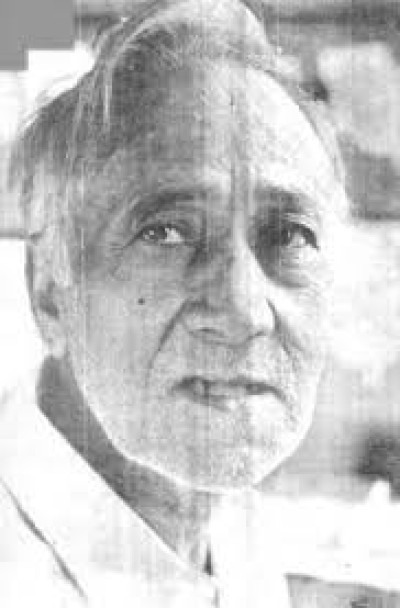
Mitradev Mahanta passed away on 26 March 1983 at Letugram Satra in Jorhat, Assam. His passing marked the end of an extraordinary literary and theatrical career that spanned nearly seven decades. His writings, songs and dramatic works continue to inspire scholars, theatre artists and readers throughout Assam.
Legacy
Mitradev Mahanta occupies a distinguished place in the cultural history of Assam. His contributions to literature, theatre, education and Assamese Vaishnavite traditions continue to influence writers, performers and researchers. His books remain valuable references for students of Assamese literature, while his theatrical achievements are remembered as milestones in the development of modern Assamese drama. His dedication to preserving Assamese language and culture ensures that his legacy remains alive for future generations.
FAQs on Mitradev Mahanta