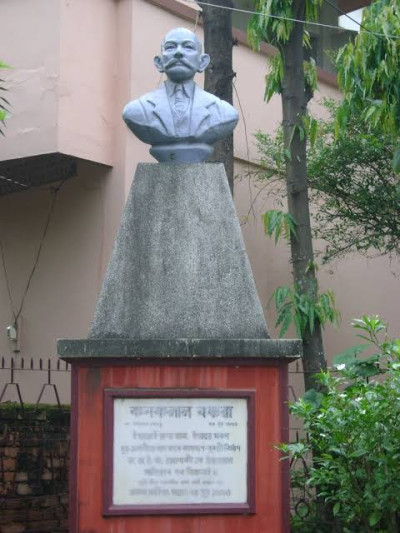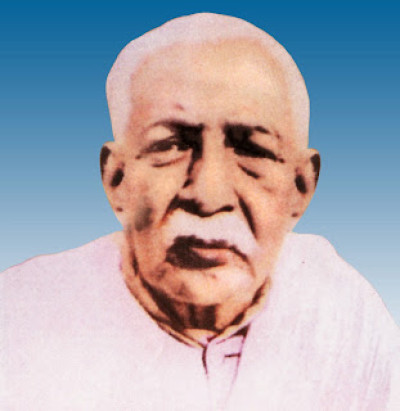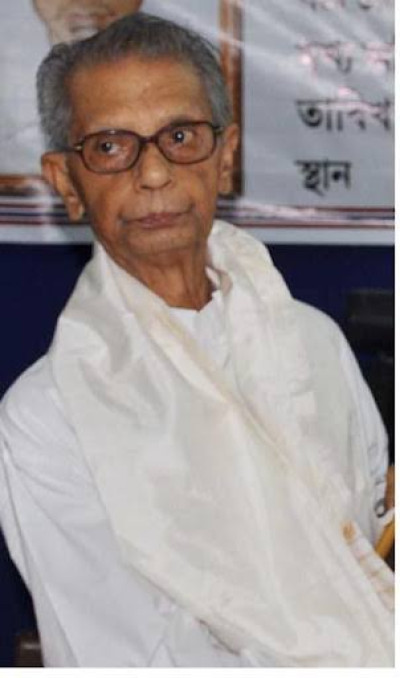
Life & Legacy
Early Life and Background
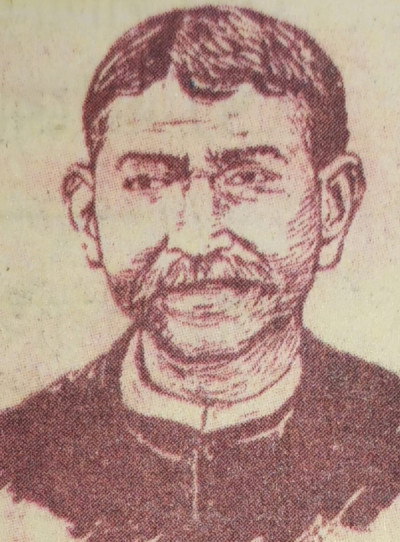
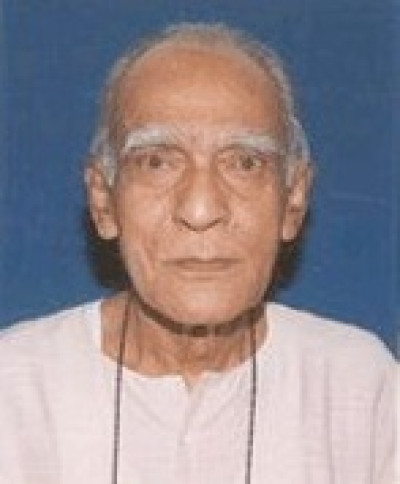
Very little reliable information is available about Madhav Kandali's personal life and education. Historical accounts associate him with Lanka in the region of present-day Nagaon in undivided Assam. He lived during a period when literary works were largely produced under royal patronage. Madhav Kandali is traditionally associated with King Mahamanikya of the Baraha or Barahi lineage, whose kingdom was located around the Kapili Valley. The patronage of the king provided an important environment for Kandali's literary work.
Saptakanda Ramayana
Madhav Kandali's greatest literary achievement is Saptakanda Ramayana, his Assamese adaptation of Valmiki's Sanskrit epic. Rather than producing a word-for-word translation, he presented the story in a comparatively simple, rhythmic and accessible style. He reduced lengthy descriptions and adapted elements of the narrative to make the epic more understandable to the common people of Assam.
The surviving text does not contain the original Adi Kanda and Uttara Kanda sections attributed to Kandali. These missing portions were later supplied by Srimanta Sankardeva and Madhavdeva, helping establish the complete seven-part Assamese Ramayana tradition. Kandali's work is therefore considered an important milestone in the development of Assamese literary language and narrative poetry.
Literary Works
Saptakanda Ramayana is Madhav Kandali's most celebrated work. Another important poetic composition traditionally attributed to him is Devajit, which presents Krishna as the supreme incarnation of Vishnu. His writings demonstrate his ability to combine religious narratives with an accessible poetic style.
Contribution to Assamese Culture
Madhav Kandali occupies a significant place in the history of Assamese literature because he helped establish Assamese as a language capable of expressing major epic narratives. His Ramayana was written in a style that moved away from highly elaborate Sanskritic presentation and connected the story with the linguistic and cultural world of Assam.
His Ramayana also contains references to several musical instruments, including mardala, khumuchi, bhemachi, dagar, gratal, ramtal, tabal, jhajhar, jinjiri, bheri, mahari, tokari, dosari, kendara, dotara and vina. These references provide valuable literary evidence about musical traditions associated with his period.
Recognition and Legacy
Madhav Kandali is remembered as one of the leading poets of the Sankar Purva period of Assamese literature. Srimanta Sankardeva praised his poetic ability and referred to him as an incomparable poet of the eastern region. His literary legacy remains closely connected with the growth of Assamese language, poetry and religious literature.
Death
The exact date and circumstances of Madhav Kandali's death are not clearly documented. As he lived in the 14th century, historical sources primarily remember him through his literary contributions rather than detailed biographical records.
Major Achievement List
Composed the celebrated Saptakanda Ramayana in Assamese.
Helped establish Assamese as a major literary language for epic storytelling.
Adapted Valmiki's Ramayana into an accessible Assamese poetic form.
Authored the poetic work Devajit.
Contributed significantly to pre-Shankardeva Assamese literature.
Preserved references to musical instruments in his literary works.
Worked under the patronage of King Mahamanikya.
Became one of the most respected poets of medieval Assam.
Influenced the later literary tradition associated with Srimanta Sankardeva and Madhavdeva.
Left a lasting legacy in Assamese poetry and cultural history.
Books and Literary Works
Saptakanda Ramayana
Devajit
FAQs about Madhav Kandali
- Who was Madhav Kandali?Madhav Kandali was a renowned 14th-century Assamese poet best known for composing Saptakanda Ramayana.
What is Madhav Kandali famous for?
He is famous for his Assamese adaptation of Valmiki's Ramayana, known as Saptakanda Ramayana.When did Madhav Kandali live?
Madhav Kandali is generally believed to have lived during the 14th century.Where was Madhav Kandali from?
Historical accounts associate Madhav Kandali with the Lanka area of undivided Nagaon in Assam.Who was the patron of Madhav Kandali?
He is traditionally associated with King Mahamanikya of the Baraha or Barahi lineage.What is Saptakanda Ramayana?
Saptakanda Ramayana is Madhav Kandali's Assamese poetic rendering of the Ramayana based on Valmiki's Sanskrit epic.Why is Madhav Kandali important in Assamese literature?
He helped establish Assamese as a literary language capable of presenting major epic and religious narratives in a form accessible to ordinary readers.What other work is associated with Madhav Kandali?
Devajit is another important poetic work traditionally attributed to Madhav Kandali.Did Madhav Kandali write the complete seven parts of the Ramayana?
The surviving version lacks the Adi Kanda and Uttara Kanda traditionally associated with the original composition. These sections were later supplied by Madhavdeva and Srimanta Sankardeva.What is Madhav Kandali's contribution to Assam?
His Assamese Ramayana and other poetic works made a lasting contribution to Assamese language, literature, religious storytelling and cultural history.