Life & Legacy
Early Life
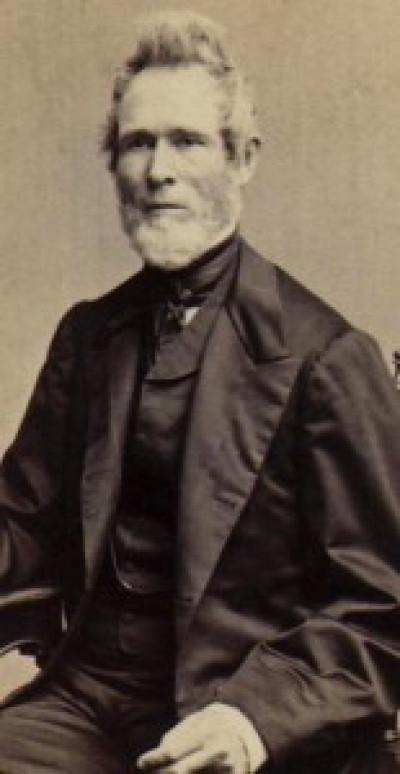
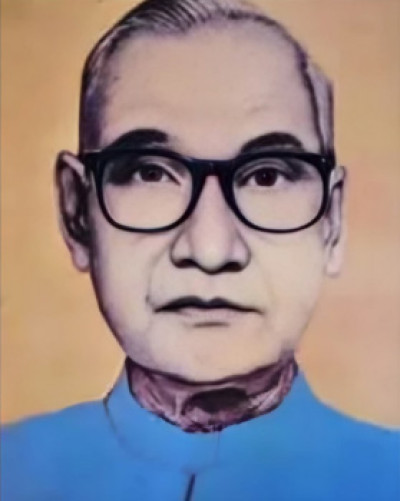
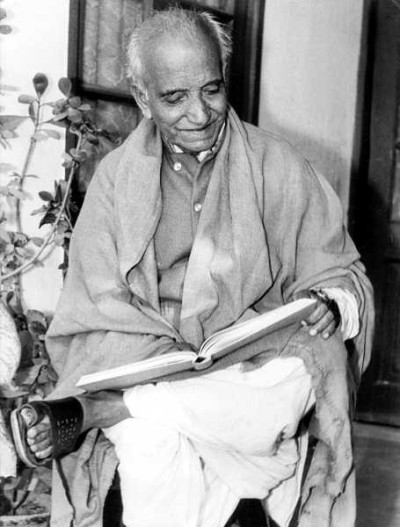
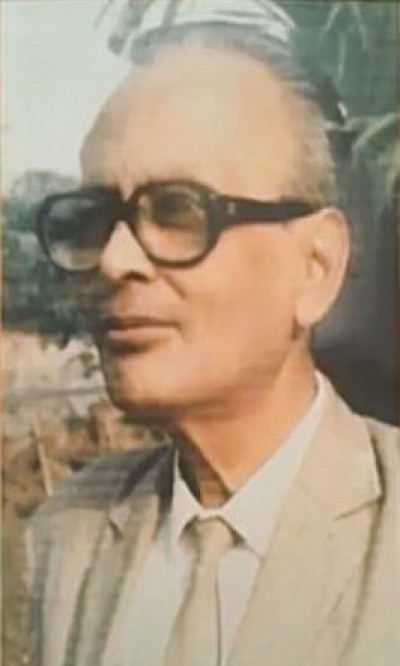
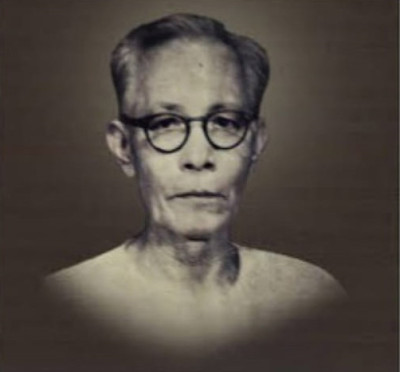
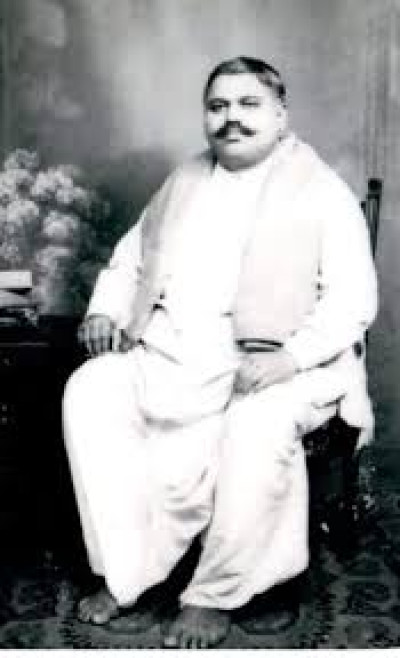
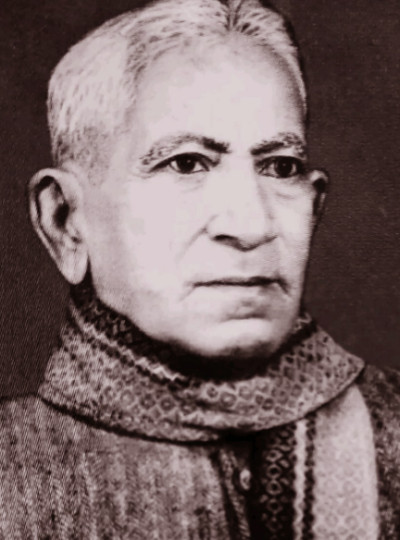
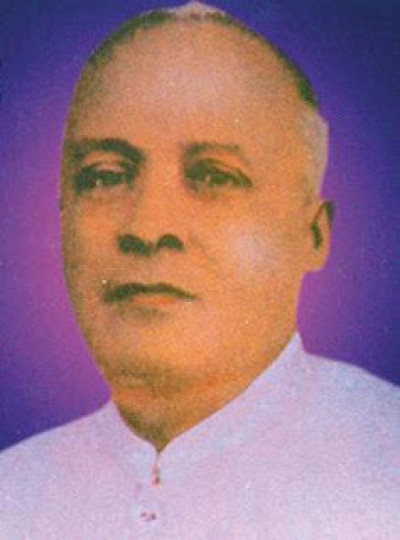
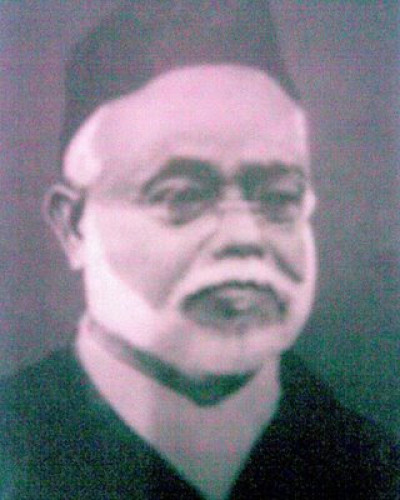
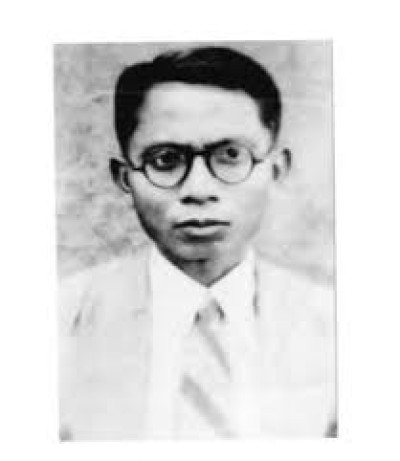
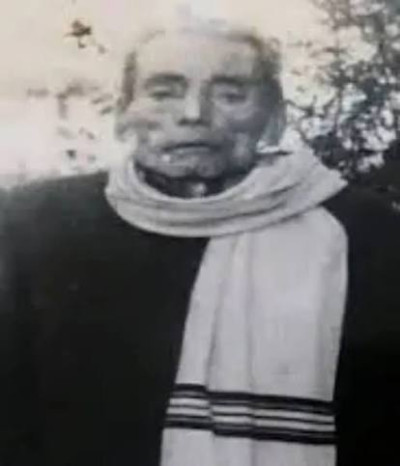
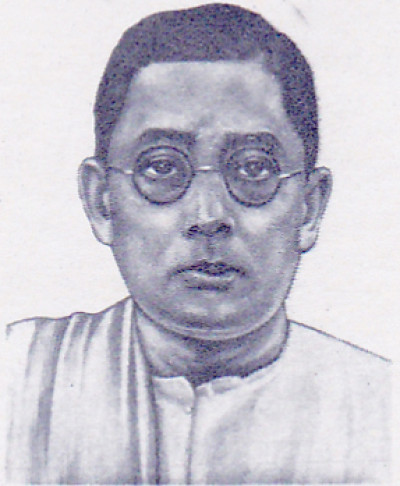
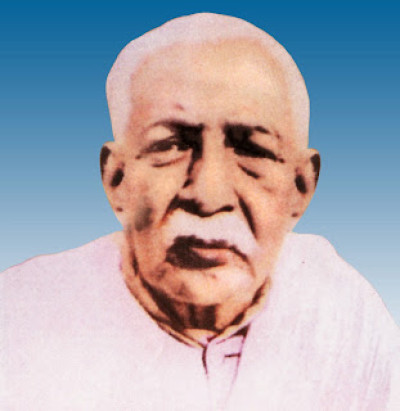
Benudhar Rajkhowa was born on 11 December 1872 at Khowang near the Dihing River in present-day Dibrugarh district, Assam. He was born into a respected family. His father, Suchandram Rajkhowa, served as a Mouzadar under the British administration, while his mother was Hirawati Rajkhowa. Growing up in an educated and disciplined family helped shape his interest in learning, literature, and public service from an early age.
Education
Rajkhowa completed his early education in Dibrugarh before moving to Calcutta for higher studies. He studied at Presidency College and later continued his education at Ripon College, where he completed his Bachelor of Arts degree in 1896. During his student life, he actively participated in Assamese literary organizations, including Oxomiya Bhaxa Unnati Xadhini Xobha, which worked to promote the Assamese language and literature. His exposure to both Assamese and English literature greatly influenced his writing style and intellectual development.
Career
After completing his education, Benudhar Rajkhowa joined the government service under the British administration. Over the years, he held several important administrative positions, including Extra Assistant Commissioner and Deputy Commissioner. His dedication and efficiency earned him the honorary title of Rai Bahadur from the British Government. Despite a demanding administrative career, he remained deeply committed to literature and continued writing throughout his life.
Literary Career
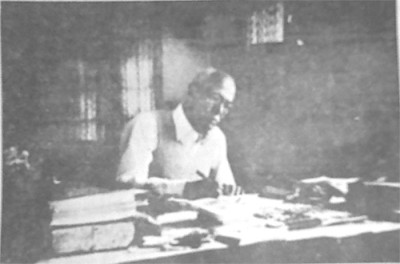
Benudhar Rajkhowa started writing at a young age and soon became one of the leading literary figures of Assam. Along with Padmanath Gohain Baruah, he played an important role in editing and publishing the literary magazine Bijuli. He also contributed regularly to Jonaki and other Assamese literary journals that shaped the modern Assamese literary movement.
His writings reflected social realities, patriotism, morality, education, and cultural awareness. He effectively used humor, satire, and dramatic storytelling to highlight social problems such as ignorance, superstition, inequality, and outdated customs. His plays entertained audiences while encouraging meaningful social reform.
Apart from creative writing, Rajkhowa devoted considerable effort to documenting Assamese folklore, customs, festivals, language, and history. His scholarly works remain valuable references for researchers studying Assamese society and culture.
Major Literary Contributions
Benudhar Rajkhowa made significant contributions across multiple literary fields.
Poetry Collections:
- Chandra Sambhav
- Pancha Kavita
- Dashgeet
- Soru Lorar Gaan
- Asomiya Bhai
- Bahi
Major Plays:
- Deka-Gavaru
- Seuti Kiran
- Darbar
- Duryodhanar Urubhanga
- Kaliyug
- Dakshayajna
- Kuri Shatikar Sabhyata
- Lakhimi Tirota
- Ashikhita Ghaini
- Bipra Damodar
- Tini Ghaini
- Chorar Sristi
- Jamapuri
- Toponir Porinam
Novel:
- Mahasati Joymati
Linguistic Works:
- Brochure on the Assamese Language
- Notes on the Sylhetee Dialect
- Asomiya Khandabakya Kosh
- A Companion to Writers in Assam
Folklore and Historical Studies:
- Assamese Demonology
- Bihu
- Historical Sketches of Old Assam
- Assamese Popular Superstitions
Translations:
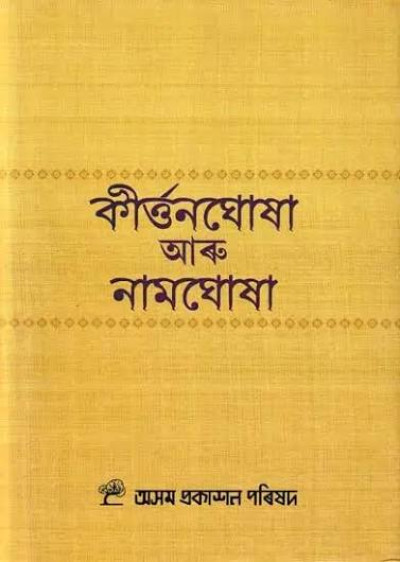
- The Holy Nam-Ghosha
- Gunmala
- The Ear-Eater
- Vipra Damodar
Autobiography:
- Mor Jibon Dapon (Published posthumously)
President of Asam Sahitya Sabha
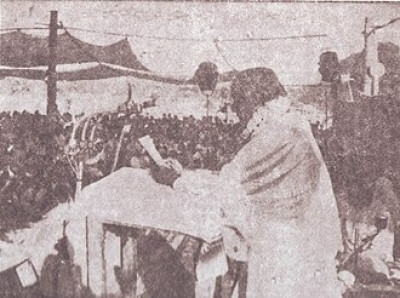
One of the greatest recognitions of Benudhar Rajkhowa's literary excellence came when he was elected President of the Asam Sahitya Sabha. He presided over the Sabha's annual session held at Dhubri in 1926. His presidential address emphasized the importance of preserving the Assamese language, encouraging original writing, and strengthening Assamese cultural identity. His leadership inspired many young writers and scholars of the period.
Contributions to Assamese Language and Society
Benudhar Rajkhowa worked tirelessly for the development of the Assamese language. His research on Assamese grammar, idioms, dialects, and folklore helped preserve valuable aspects of Assam's cultural heritage. His writings promoted education, women's empowerment, and social awareness while encouraging people to abandon harmful customs and embrace progressive ideas. His literary vision combined entertainment with education, making his works relevant across generations.
Achievements
- One of the pioneers of modern Assamese literature.
- Renowned Assamese poet, dramatist, linguist, historian, and scholar.
- Played a key role in the development of Assamese drama.
- Editor and contributor to the literary magazine Bijuli.
- Active member of Oxomiya Bhaxa Unnati Xadhini Xobha.
- Preserved Assamese folklore, traditions, and historical records.
- Produced important works on Assamese language and linguistics.
- Promoted social reform through literature.
- Served the British administration with distinction.
- Inspired future generations of Assamese writers and researchers.
Positions Held
- President, Asam Sahitya Sabha (1926)
- Editor, Bijuli magazine
- Member of Assamese literary organizations
- Extra Assistant Commissioner
- Deputy Commissioner under the British administration
Awards and Recognition
- Conferred the honorary title of Rai Bahadur by the British Government.
- Elected President of the Asam Sahitya Sabha in recognition of his literary contributions.
- Widely remembered as one of the architects of modern Assamese literature.
- His books continue to be studied by researchers, students, and literature enthusiasts.
Death
Benudhar Rajkhowa passed away in 1955 after dedicating his life to literature, public service, and the preservation of Assamese culture. His literary legacy continues to inspire writers, historians, linguists, and readers across Assam. Even today, he is regarded as one of the most influential personalities in the history of Assamese literature.
FAQs about Benudhar Rajkhowa