Life & Legacy
Early Life and Family
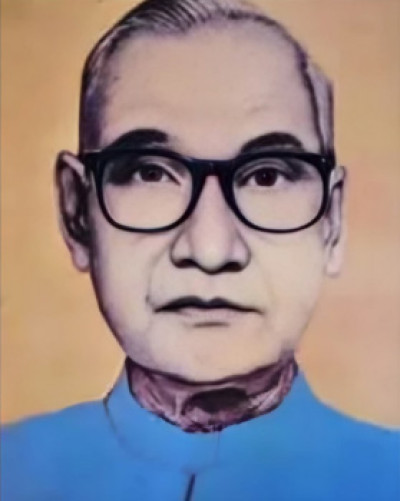
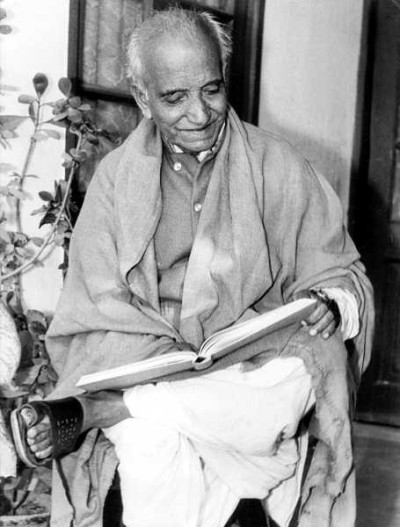
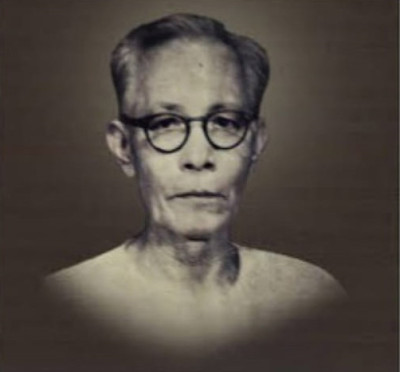
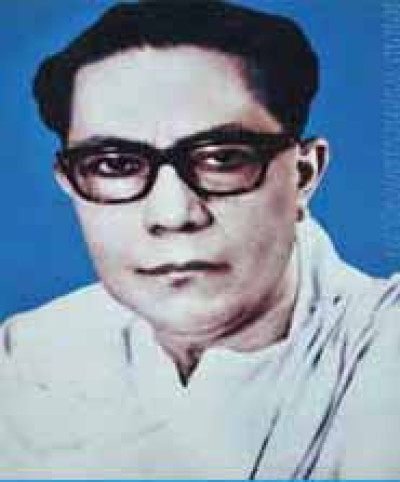
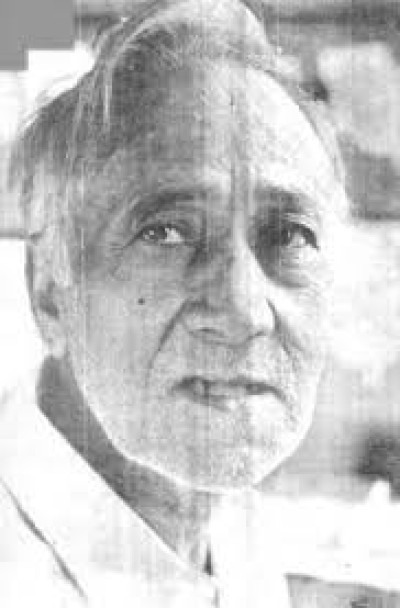
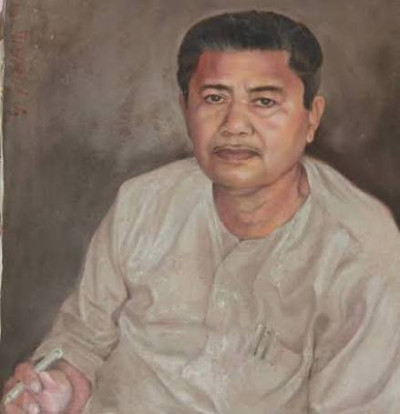
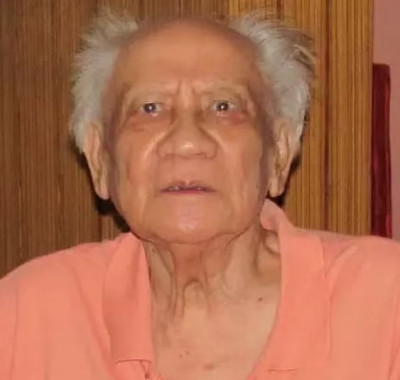
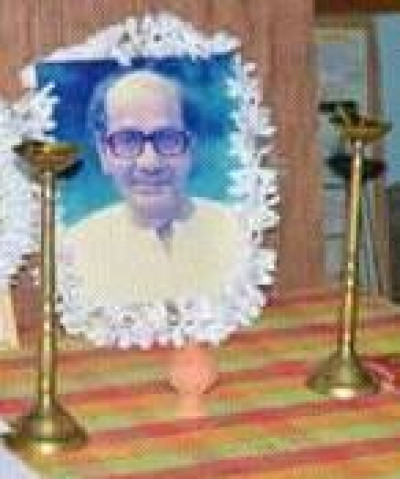
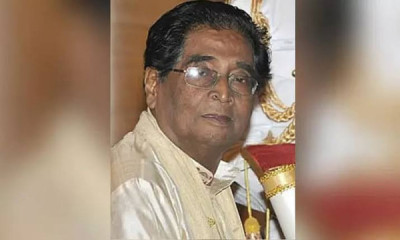
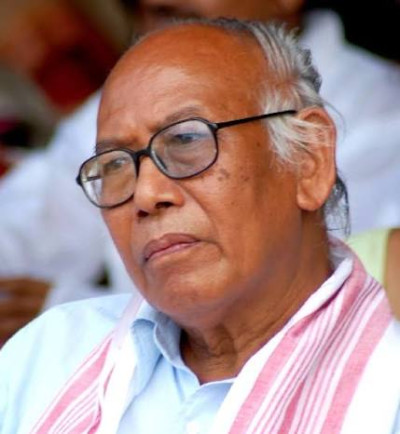
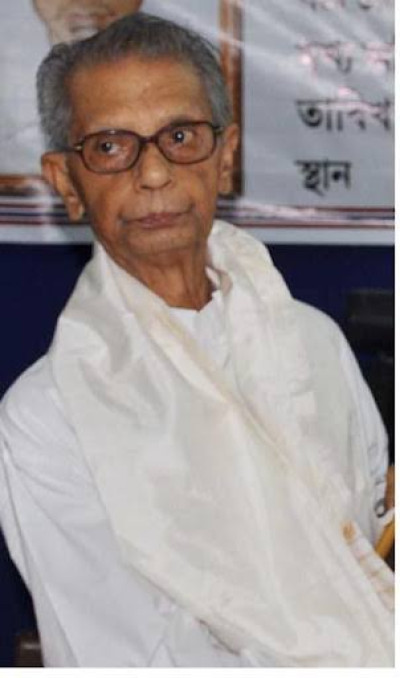
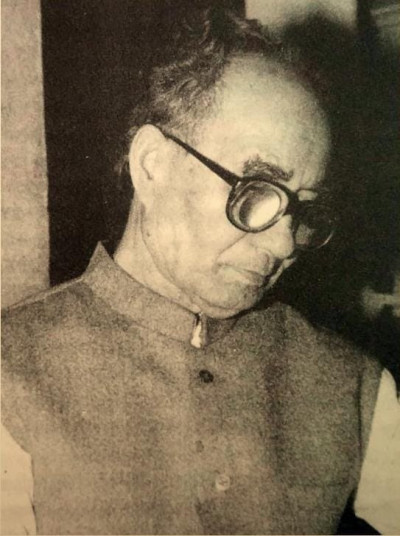
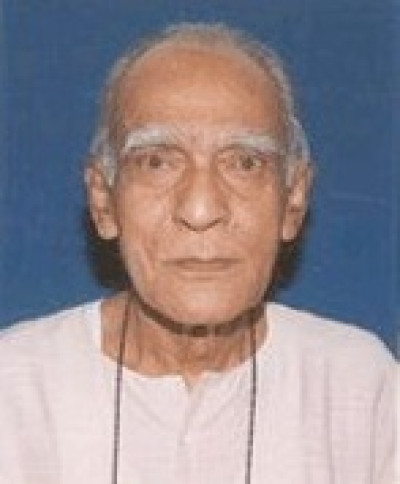
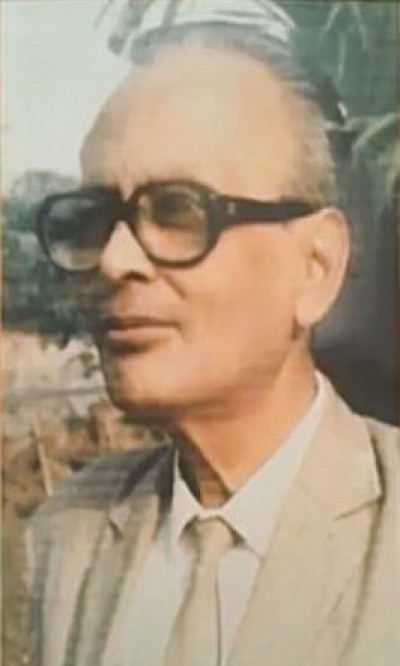
Mahendra Bora was born on 22 August 1929 at Tingkhong in Dibrugarh district of Assam. His parents were Indreshwar Bora and Leelawati Bora. Growing up in Assam during a period of significant social and cultural change, Bora developed a strong interest in education and literature. His intellectual interests eventually led him towards poetry, literary criticism, translation and academic work.
Education
Mahendra Bora received his early education at Chaikhowa, Makum and Lahowal before continuing his studies at George Institute in Dibrugarh. He passed the matriculation examination from Sivasagar High School in 1947. In 1949, he secured third position in the I.A. examination from Cotton College and completed his graduation from the same institution in 1951.
He pursued higher studies at Calcutta University and obtained an M.A. in English in 1953 with a high second-class result. His academic journey continued for many years, and in 1971 he earned a doctorate from Gauhati University. His extensive academic training supported his later work as a poet, researcher, critic, translator and professor.
Academic Career
Mahendra Bora combined his literary interests with a long and distinguished career in education. He worked as a lecturer at Cotton College and Dibrugarh College and later served as Principal of Goalpara College and Bilasipara College. He subsequently became Professor of the Bezbarua Chair at Dibrugarh University.
Bora was also appointed National Professor under the University Grants Commission. Through his teaching and academic responsibilities, he influenced students and contributed to the development of Assamese language and literary studies in higher education.
Literary Career
Mahendra Bora was active in several branches of Assamese literature. His writing included poetry, essays, literary criticism, translations, editorial work and research. His approach to literature combined intellectual analysis with creative expression, and his critical writings contributed to the study and understanding of Assamese poetry and literary traditions.
His poetry collections include Jatishmar, Ei Nodiye Di, Rupor Tilingar Mat, Ali Domojar Crossor Para, Neela Dhaturar Phool and Jeevan Ek Astawal. These works demonstrate the range of his poetic interests and his continuing engagement with Assamese literary expression.
Poetry Collections
Jatishmar (1961)
Ei Nodiye Di (1973)
Rupor Tilingar Mat (1983)
Ali Domojar Crossor Para (1987)
Neela Dhaturar Phool (1987)
Jeevan Ek Astawal (1995)
Essays and Literary Criticism
Mahendra Bora also made important contributions to Assamese literary criticism and essays. His notable works include Phul Tara Gan, The Aesthetics of Rhythm in Assamese Poetry, Romanticism, Sahitya Upakramanika and Samajbadar Katha.
His critical writing reflected his academic understanding of literature and his interest in literary form, rhythm, aesthetics and social thought. His work as a critic helped strengthen the analytical study of Assamese literature.
Translations
Translation was another important area of Mahendra Bora's literary career. He brought works from different literary traditions to Assamese readers and helped broaden the intellectual scope of Assamese literature.
His translated works include Mahabharata (Volumes 1 and 2), Gita, Don Quixote, Neel Sagarar Sadhu, Yearling, Peter Pan, Deshe Deshe Galpa and Robert Browning.
Editorial and Research Work
Mahendra Bora was also involved in editing and literary research. His editorial and scholarly works include Nutan Kabita, Ananda Chandra Agarwala and Durgeswar Sharma Biography, Manideep, 1957 in Assam, Fundamentals of Assamese Metre, The Evolution of Assamese Script and Wessalisa.
He edited the Asam Sahitya Sabha Patrika during 1974-75. His work in editing and research added another dimension to his contribution to Assamese literary scholarship.
Autobiography and Other Works
Mahendra Bora wrote an autobiographical work titled Upala Nodir Dore, meaning 'Like the Upala River'. He also compiled textbooks and wrote limericks, demonstrating the diversity of his literary activities beyond poetry and academic criticism.
Positions Held
Throughout his career, Mahendra Bora held several significant educational and literary positions. His major professional positions included:
Lecturer at Cotton College
Lecturer at Dibrugarh College
Principal of Goalpara College
Principal of Bilasipara College
Professor of the Bezbarua Chair at Dibrugarh University
National Professor under the University Grants Commission
His academic career established him as an important educationist as well as a literary personality.
Association with Asam Sahitya Sabha
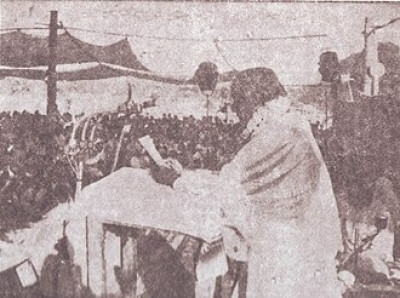
Mahendra Bora maintained a close association with the Asam Sahitya Sabha and participated in its literary activities. In 1983, he served as President of the Poets' Conference at the Asam Sahitya Sabha session held at Bongaigaon.
His literary standing was further recognized when he became the president of the Asam Sahitya Sabha's Pathsala session in 1987. His association with the Sabha reflected his important role in Assamese literary and cultural affairs.
Awards and Recognition
Mahendra Bora received several awards and honours during his literary and academic career. His recognitions included the Dukhuram Memorial Award from Gauhati University in 1949 and the National Poet Award from All India Radio in 1968.
In 1983, he received the Kerala Mahakavi Asan Memorial Award, the Mohanaram Sharma Memorial Award and the Raghunath Choudhury Memorial Award. In 1994, he was honoured with the Sankardev Award.
Awards and Honours
1949: Dukhuram Memorial Award, Gauhati University
1968: National Poet Award, All India Radio
1983: Kerala Mahakavi Asan Memorial Award
1983: Mohanaram Sharma Memorial Award
1983: Raghunath Choudhury Memorial Award
1994: Sankardev Award
Contribution to Assamese Literature
Mahendra Bora's contribution to Assamese literature extended beyond his own creative writing. As a poet, critic, translator, editor and academic, he worked across several literary fields. His translations introduced Assamese readers to works from wider literary traditions, while his critical studies encouraged systematic examination of Assamese poetry and literary forms.
His academic career also helped connect literary scholarship with higher education. Through his teaching, research and writing, he contributed to the intellectual development of Assamese literary studies.
Death
Mahendra Bora passed away on 9 April 1996. He left behind a substantial body of poetry, essays, criticism, translations, editorial work and research. His contribution to Assamese literature continues to be remembered through his writings and his role in education and literary institutions.
Mahendra Bora remains an important name in the history of modern Assamese literature, particularly for his work as a poet, literary critic, translator and educationist. His diverse literary output and academic achievements reflect a lifelong commitment to Assamese language, literature and culture.
FAQs about Mahendra Bora
- Who was Mahendra Bora?Mahendra Bora was a renowned Assamese poet, writer, essayist, educationist, translator and literary critic who made significant contributions to Assamese literature.
When was Mahendra Bora born?
Mahendra Bora was born on 22 August 1929 at Tingkhong in Dibrugarh district of Assam.When did Mahendra Bora die?
Mahendra Bora passed away on 9 April 1996.What was Mahendra Bora famous for?
He was known for his poetry, literary criticism, essays, translations, academic work and contribution to Assamese literature and education.When did Mahendra Bora become president of Asam Sahitya Sabha?
Mahendra Bora served as president of the Asam Sahitya Sabha's Pathsala session in 1987.- Where did Mahendra Bora complete his higher education?He obtained his M.A. in English from Calcutta University in 1953 and earned a doctorate from Gauhati University in 1971.
- Which colleges did Mahendra Bora serve as Principal?He served as Principal of Goalpara College and Bilasipara College during his academic career.
What are some famous books by Mahendra Bora?
His notable works include Jatishmar, Ei Nodiye Di, Rupor Tilingar Mat, Ali Domojar Crossor Para, Neela Dhaturar Phool and Jeevan Ek Astawal.What awards did Mahendra Bora receive?
His honours included the Dukhuram Memorial Award, National Poet Award, Kerala Mahakavi Asan Memorial Award, Mohanaram Sharma Memorial Award, Raghunath Choudhury Memorial Award and Sankardev Award.What was Mahendra Bora's contribution to Assamese literature?
Mahendra Bora contributed to Assamese literature through poetry, essays, literary criticism, translations, editing and research. His academic career also helped promote literary studies in Assam.