Life & Legacy
Early Life
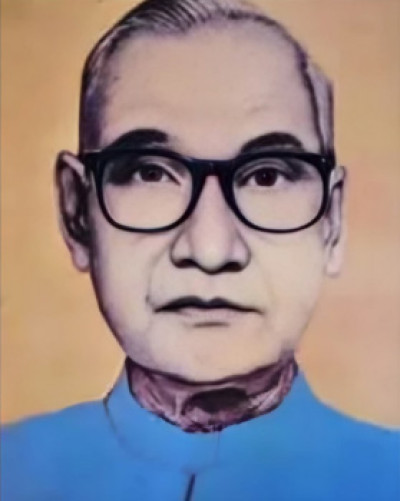
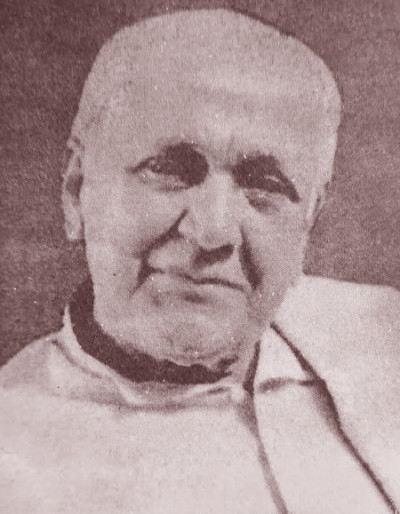
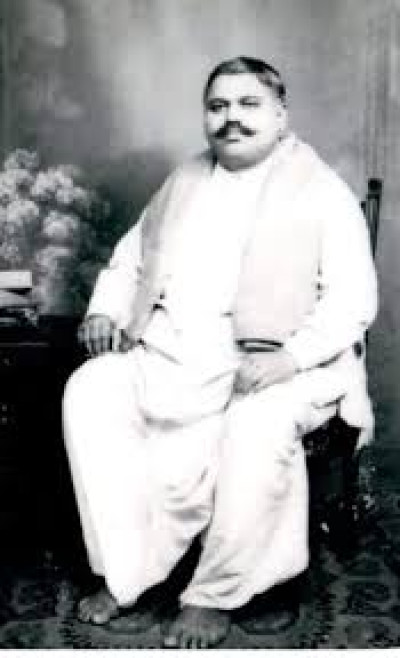
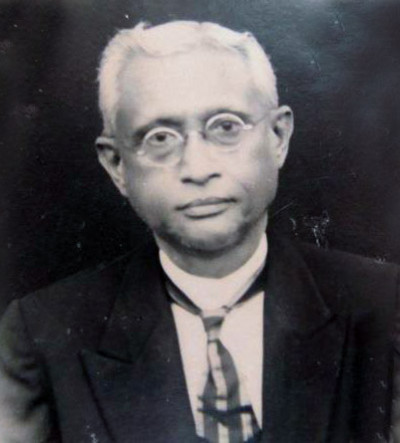
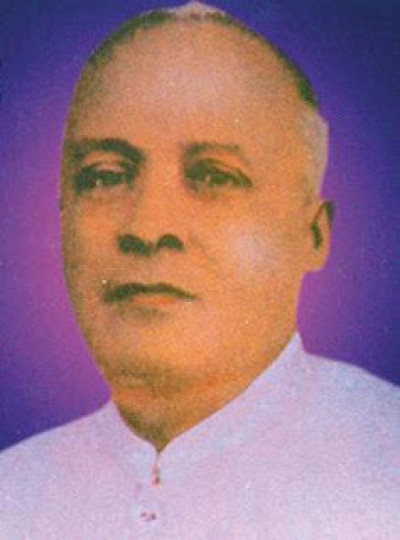
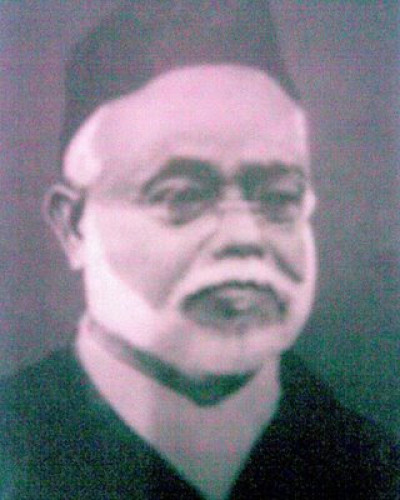
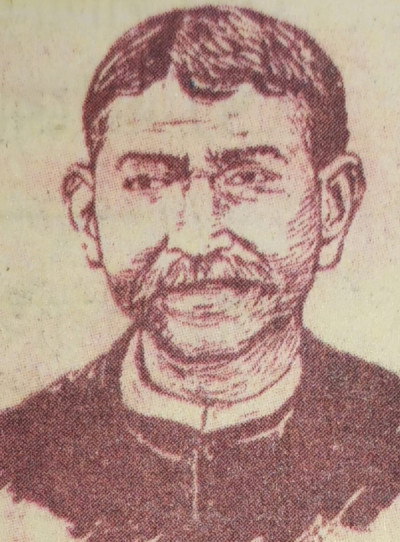
Satyanath Borah was born in 1860 at Bharalumukh in Guwahati, Assam. His father was Dayanath Borah, while his mother was Amaya Devi. He lost both of his parents during childhood and was brought up under the care of close family members. Despite facing personal hardships at a young age, he remained committed to education and gradually developed a deep interest in literature, language, and social issues.
Education
He completed his early education in Guwahati before moving to Calcutta, now Kolkata, for higher studies. He passed the F.A. examination from City College and later earned a Bachelor of Arts degree. He also completed his law education, which enabled him to begin a successful legal career. During his student life, he became actively associated with Assamese literary circles and developed a passion for writing that continued throughout his life.
Career
After completing his education, Satyanath Borah returned to Assam and started practicing law in Guwahati. Alongside his legal profession, he worked as a teacher and lecturer, including serving at Cotton College for a period. His contribution to education extended beyond teaching, as he worked continuously to improve Assamese language studies through books, essays, and grammar texts.
He also actively participated in public life and literary organizations. In 1919, he was elected General Secretary of Asam Sahitya Sabha, where he contributed significantly to the promotion and development of Assamese literature. He was associated with several literary journals, including Jonaki, Bahi, Bijuli, and Asam Bandhu. As editor of Jonaki magazine, he encouraged new writers and promoted modern literary ideas that influenced Assamese literature for decades.
Literary Contributions
Satyanath Borah occupies a special place in Assamese literature because of his remarkable versatility. Although he initially wrote songs and poems, he later became widely respected as a grammarian, essayist, and literary critic.
His book Gitawali is regarded as one of the earliest collections of modern Assamese songs and introduced a fresh literary style that influenced Assamese music. His essays displayed clarity of thought, logical reasoning, and elegant language, making them valuable works of Assamese prose.
His grammatical masterpiece Bahal Byakaran became one of the most respected books on Assamese grammar. The book provided a systematic explanation of grammar and helped standardize Assamese language education. His literary criticism in Sahitya Bichar reflected his deep understanding of literature, while Sarathi offered thoughtful essays on ethics, society, and human values. Other important works such as Akash Rahasya, Kendra Sabha, and Chintakali further demonstrated his intellectual depth and literary excellence.
Major Books
Some of Satyanath Borah's most notable published works include:
- Gitawali
- Kamrupiya Geet
- Sahitya Bichar
- Akash Rahasya
- Sarathi
- Bahal Byakaran
- Kendra Sabha
- Chintakali
Contributions to the Assamese Language
One of Satyanath Borah's greatest achievements was his contribution to the development of standard Assamese grammar. His writings helped establish clear grammatical principles and enriched Assamese prose during a period when the language was undergoing rapid modernization.
Through his essays and editorial work, he encouraged rational thinking, literary criticism, and scholarly discussion. His efforts also strengthened the position of Assamese language in education and public life. Many later writers, teachers, and linguists benefited from the foundation that he helped create.
Association with Jonaki Era
Satyanath Borah was an important member of the Jonaki Era, which transformed Assamese literature through romanticism, modern prose, and intellectual discussion. His contributions as a writer, editor, and essayist complemented the works of other leading literary personalities of the period. His involvement with Jonaki magazine played a major role in promoting modern Assamese literary expression.
Achievements
- One of the leading grammarians of modern Assamese language.
- Author of Bahal Byakaran, one of the most influential Assamese grammar books.
- Published Gitawali, among the earliest collections of modern Assamese songs.
- Served as General Secretary of Asam Sahitya Sabha in 1919.
- Edited the prestigious Jonaki magazine.
- Worked as lawyer, teacher, lecturer, and literary critic.
- Made lasting contributions to Assamese essays, grammar, literary criticism, and education.
Awards and Recognition
Although formal literary awards were uncommon during his lifetime, Satyanath Borah earned immense respect from scholars and literary organizations for his contribution to Assamese language and literature. His books continue to be studied by researchers, students, and literature enthusiasts, and he is remembered as one of the architects of modern Assamese prose and grammar.
Death
Satyanath Borah passed away on 13 December 1925. His death marked the end of a distinguished literary career, but his works continue to influence Assamese language, literature, and education even today.
Legacy
Satyanath Borah remains one of the most respected literary pioneers of Assam. His writings combined scholarship with simplicity, making complex subjects accessible to ordinary readers. His essays, grammar books, songs, and literary criticism continue to hold historical and educational importance. As one of the leading intellectuals of the Jonaki Era, his contribution to Assamese literature remains invaluable. His dedication to language, education, and culture ensures that his legacy will continue to inspire future generations of writers, teachers, and researchers.
FAQs on Satyanath Borah