Life & Legacy
Early Life
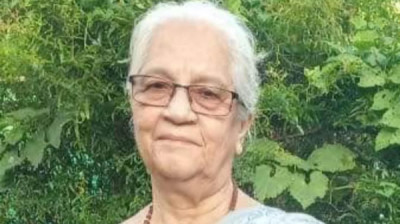
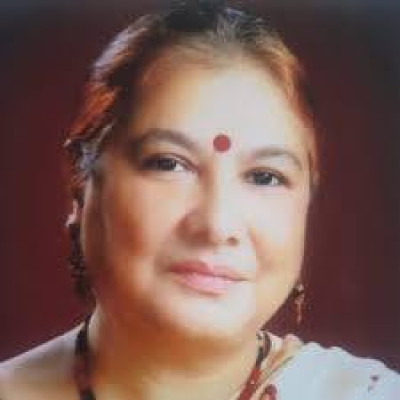
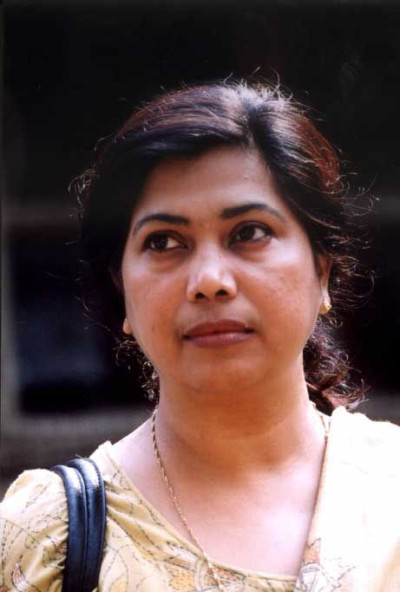
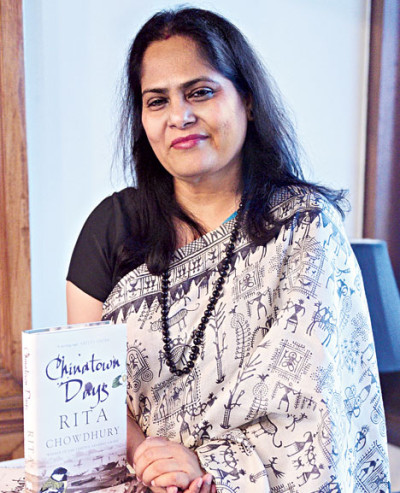
Rita Chowdhury was born on 20 August 1960 in Tirap district of present-day Arunachal Pradesh into a literary family. Her father, Biraja Nanda Chowdhury, was a noted writer whose influence encouraged her interest in literature from an early age. She spent her childhood in different parts of Assam and experienced diverse cultures that later became an important source of inspiration for her creative writing. A personal family tragedy during her childhood strengthened her love for books and motivated her to become a writer.
Education
Rita Chowdhury completed her early education at Upper Haflong LP School and Margherita Public Higher Secondary School. She graduated in Political Science from Cotton College under Gauhati University. She later earned postgraduate degrees in Political Science and Assamese, followed by an LLB degree. She completed her PhD from Gauhati University with research focused on comparative literature and the portrayal of society and women's psychology in the novels of Nirupama Borgohain and Ashapurna Devi.
Role in the Assam Movement
During the Assam Movement in the early 1980s, Rita Chowdhury actively participated in student-led protests and nationalist activities. She was imprisoned several times for her involvement in the movement. It was during this challenging period that she wrote her first novel, Abirata Jatra, which was published in 1981 and received the first prize in the Asam Sahitya Sabha manuscript competition. The success of this novel established her as a promising voice in Assamese literature.
Literary Career
Rita Chowdhury has authored numerous novels, poetry collections, research works, memoirs, and translations over four decades. Her writings explore themes such as Assamese history, indigenous communities, women, social justice, migration, identity, cultural heritage, and human emotions. She is widely appreciated for blending historical research with compelling storytelling.
Her novel Deo Langkhui, based on the Tiwa community of Assam, won the Sahitya Akademi Award in 2008 and remains one of the finest works in modern Assamese literature. Another landmark novel, Makam, explores the lives of the Assamese Chinese community during and after the 1962 Sino-Indian War. The English translation, Chinatown Days, introduced her work to international readers.
Besides fiction, she has written several poetry collections that reflect human emotions, nature, love, and social realities. She also directed the documentary Wars and Tears and has undertaken extensive research on the tea tribes of Assam, the Chinese community of Assam, and the history of tea.
Teaching and Administrative Career
Rita Chowdhury began her teaching career as a lecturer in Political Science at Diphu Government College. She later joined Cotton College, Guwahati, where she served as Lecturer, Senior Lecturer, and Associate Professor. In 2015, she was appointed Director of the National Book Trust, India, one of the country's premier publishing institutions. She has also served as Editor of the Assamese literary magazine Gariyoshi and has worked continuously to encourage young writers through literary initiatives.
Major Works
Novels
- Abirata Jatra
- Tirthabhumi
- Maha Jibanar Adharshila
- Nayana Tarali Sujata
- Popiya Torar Xadhu
- Ragmalkosh
- Jala Padma
- Hridoy Nirupai
- Deo Langkhui
- Ei Xomoi Xei Xomoi
- Makam
- Rajib Eshwar
- Jahnabi
- Mayabritta
- Bibranta Bastab
- Chinatown Days (English translation of Makam)
- The Divine Sword (English translation of Deo Langkhui)
- The Neverland
- Zero Hour
Poetry Collections
- Xudoor Nakshatra
- Banariya Batahar Xuhuri
- Alop Pooharar Alop Andharar
- Boga Matir Tulaxi
Other Works
- The Divided Soul
- Wars and Tears (Documentary)
- Various research publications on Assamese society, tea history, tea communities, Tiwa culture, and the Assamese Chinese community.
Awards and Recognition
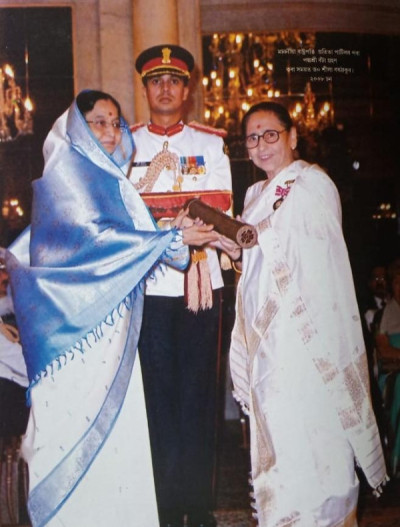
- Sahitya Akademi Award (2008) for Deo Langkhui
- Assam Sahitya Sabha Award for Abirata Jatra
- Kalaguru Bishnu Prasad Rabha Award
- Lekhika Samoroh Xahitya Bata
- G. A. Kulkarni Award for translation
- Telegraph Axom Shrestho Award
- Assam Valley Literary Award
- Ranangan Sanman Award
- Birangana Mulagabharu Award
- Several honours from literary and cultural organisations for her contribution to Assamese literature.
Positions Held
- Associate Professor, Cotton College, Guwahati
- Lecturer, Diphu Government College
- Director, National Book Trust, India
- Editor, Gariyoshi literary magazine
- Member of various literary, educational and cultural bodies
- Founder of Adharxila, an organisation supporting young writers
- Member of national and state literary committees and advisory panels
Personal Life
Rita Chowdhury is married to politician Chandra Mohan Patowary and has two children. Alongside her literary career, she has remained committed to research, education, preservation of indigenous cultures, and promotion of Assamese literature. Her works continue to inspire readers, researchers, and aspiring writers across India.
Legacy
Rita Chowdhury is regarded as one of the leading literary figures of modern Assam. Through her novels, poetry, historical research, and social advocacy, she has preserved important chapters of Northeast India's history while giving voice to communities whose stories were often overlooked. Her contribution to Assamese literature, education, and cultural heritage has made her one of the most influential contemporary authors from Assam.
FAQs about Rita Chowdhury