Life & Legacy
Early Life
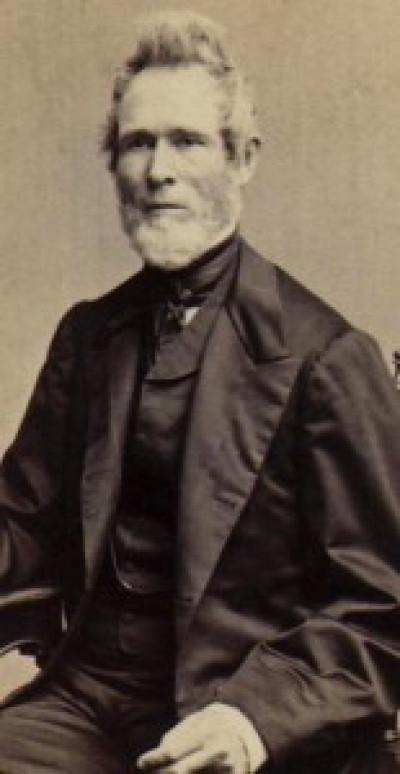
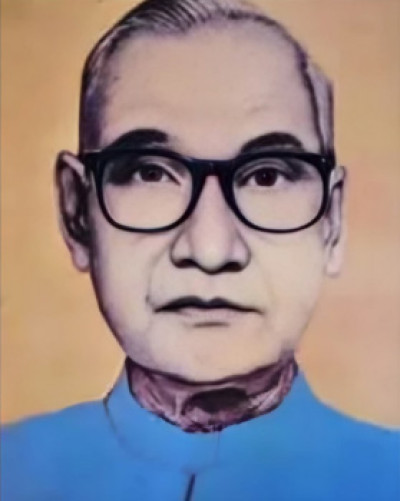
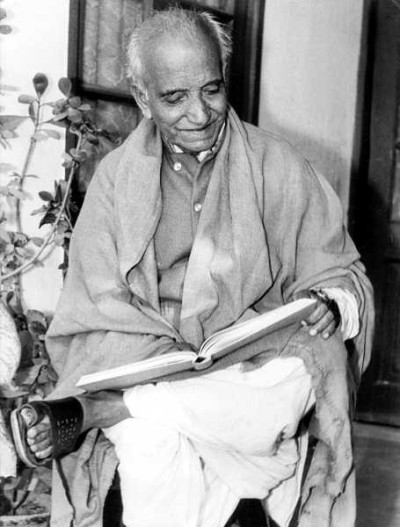
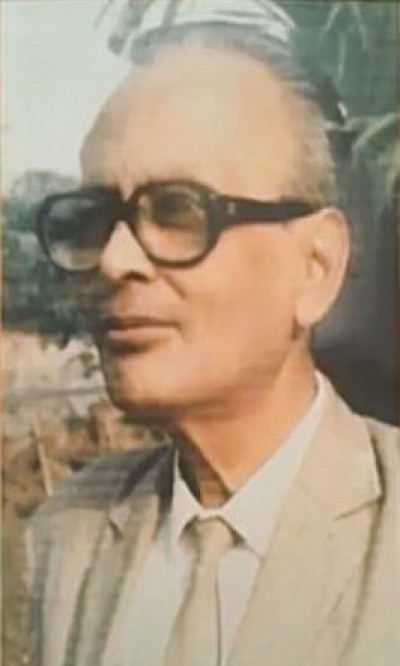
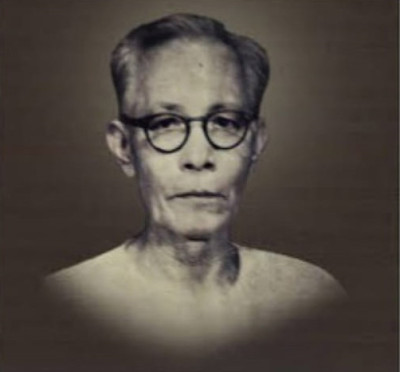
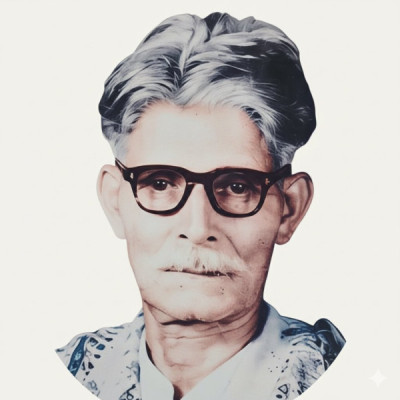
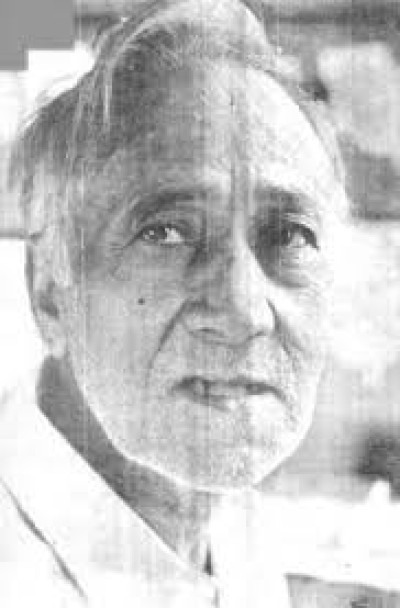
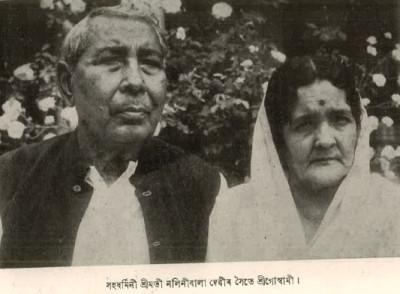
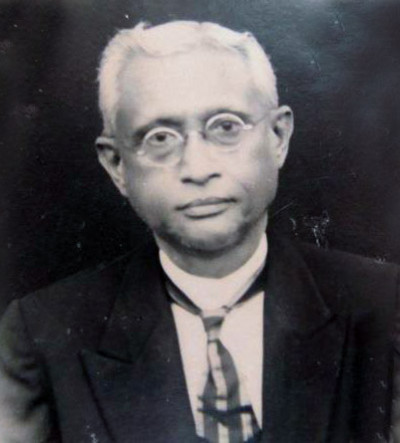
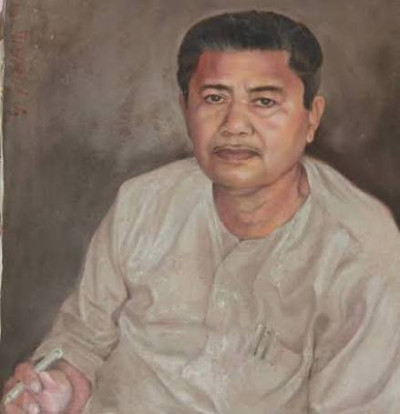
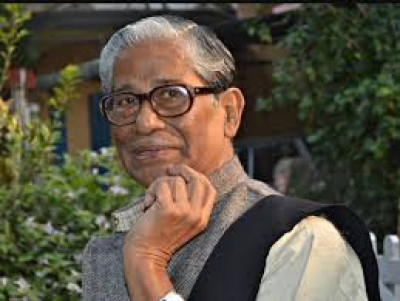
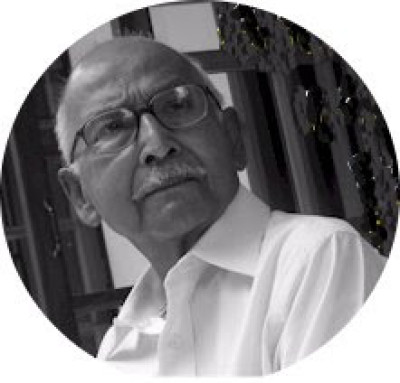
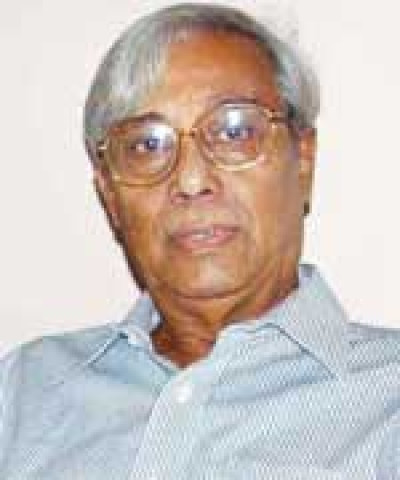
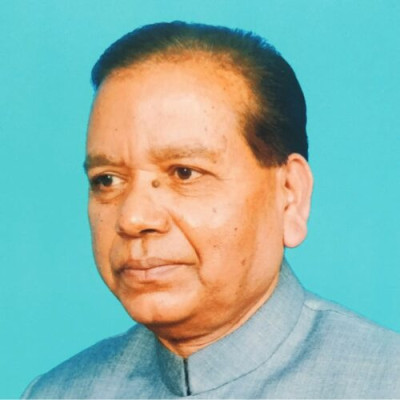
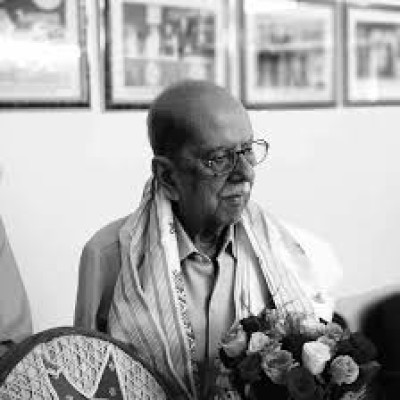
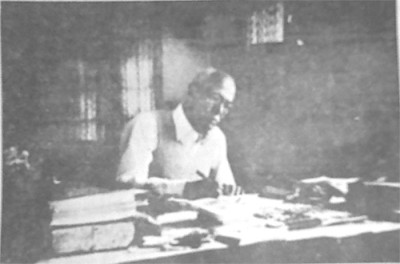
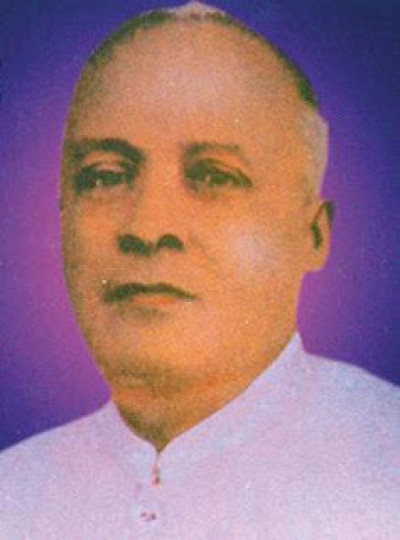
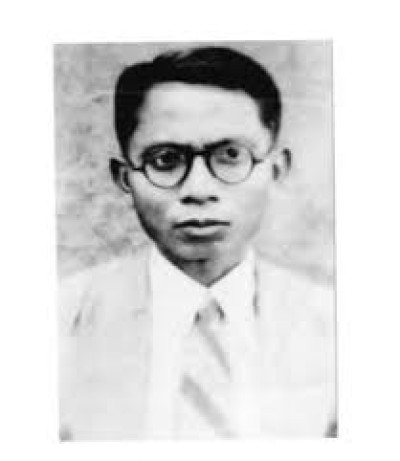
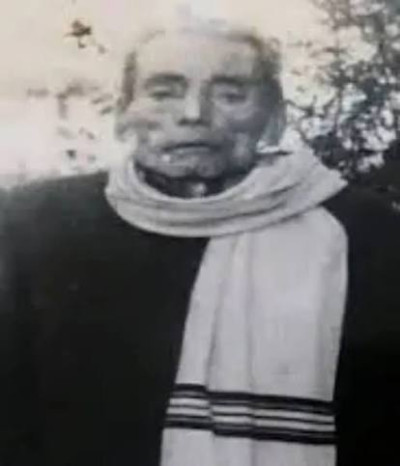
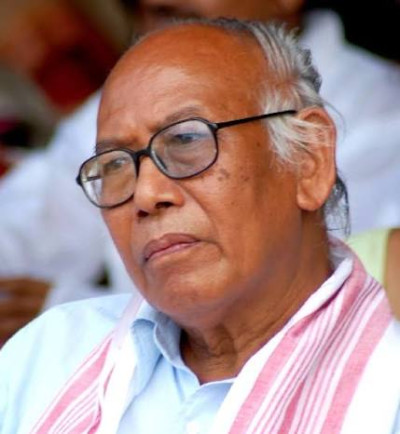
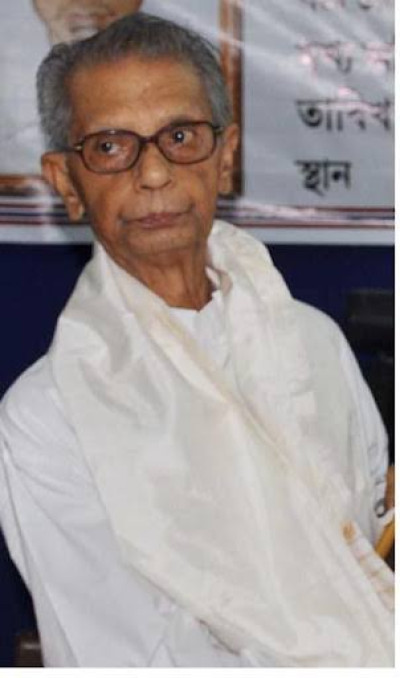
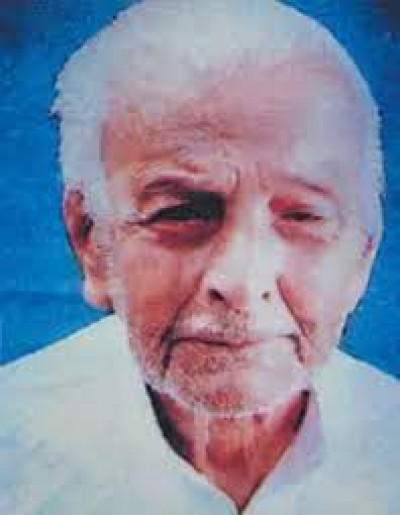
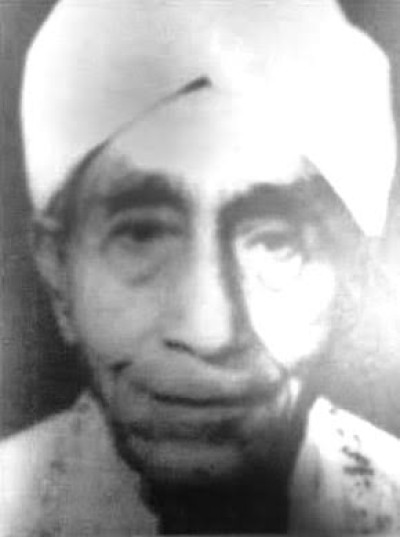
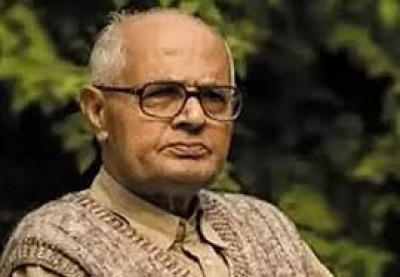
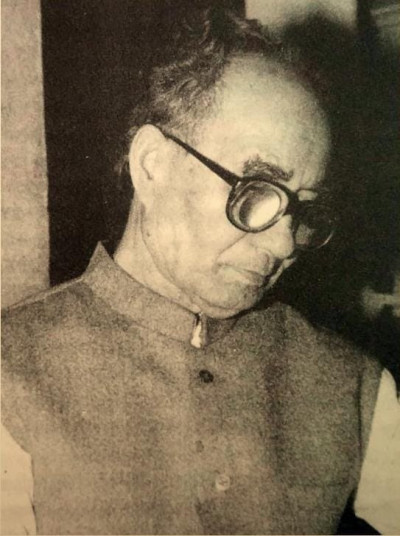
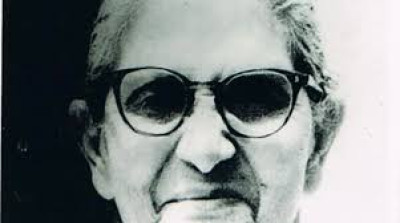
Kirtinath Hazarika was born in Golaghat district, Assam, in 1922. He grew up in an environment that encouraged education, reading, and literary pursuits. From an early age, he developed a deep interest in Assamese language, literature, and journalism, which later became the foundation of his distinguished career. Although detailed records of his childhood remain limited, his lifelong commitment to literature reflected his strong educational and cultural background.
Education
Information regarding Kirtinath Hazarika's formal educational qualifications is not extensively documented in public sources. However, his remarkable command of Assamese language, journalism, translation, and literature demonstrates his scholarly knowledge and lifelong dedication to learning.
Career in Journalism
Kirtinath Hazarika established himself as one of the most influential journalists in Assam. He worked in several leading Assamese newspapers and literary publications, making valuable contributions to the development of modern Assamese journalism.
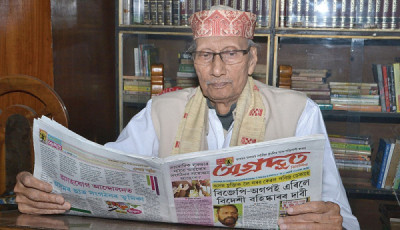
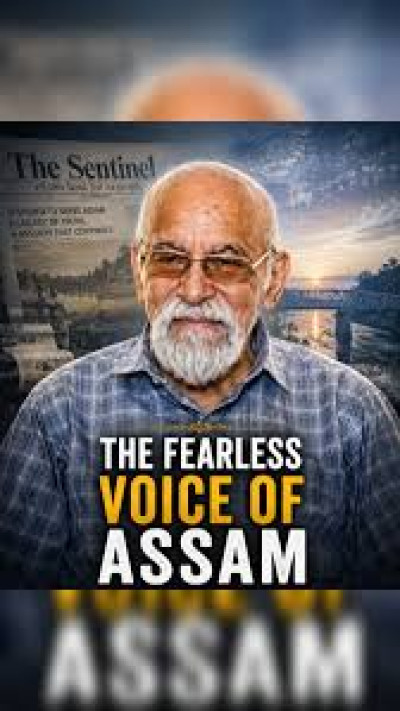
He served as the editor of the widely read Assamese daily newspaper Dainik Asam from 1965 onwards, where his balanced editorials, insightful opinions, and commitment to factual reporting earned widespread respect. Earlier in his career, he worked as the Sub-Editor of Dainik Asomiya and later became the editor of Nutan Asomiya. He was also closely associated with the renowned literary magazine Ramdhenu, which played a vital role in promoting modern Assamese literature and introducing new literary voices.
Through decades of dedicated service, Kirtinath Hazarika helped raise professional standards in Assamese journalism while encouraging thoughtful public discourse on literature, culture, education, and social issues.
Literary Contributions
Alongside journalism, Kirtinath Hazarika made lasting contributions to Assamese literature. He authored books on journalism, society, leadership, and literary criticism while translating several important works into Assamese. His writings combined clarity, simplicity, and intellectual depth, making them popular among readers of different generations.
His contributions also extended to children's literature, where he produced engaging books that entertained young readers while encouraging imagination and learning. His translations introduced Assamese readers to notable international and Indian literary works, thereby broadening the literary horizon of the Assamese language.
Major Works
Translated Works:
- Ehejar Enishar Sadhu
- Daponor Deshot Elish
- Ramdhenu
- Naikhane Kotha Kowar Disha
- Motilal Ghosh
- Gautam Buddha
- Kitapor Bichitra Prithibi
- Monor Kotha
Children's Books:
- Phutukar Phen
- Aloguti Tologuti
- Husoriye Haow
Other Important Books:
- Narador Diary
- Bikorxon Akarxon
- Asomiya Sangbadikota
- Asom aru Netritwa
President of Asam Sahitya Sabha
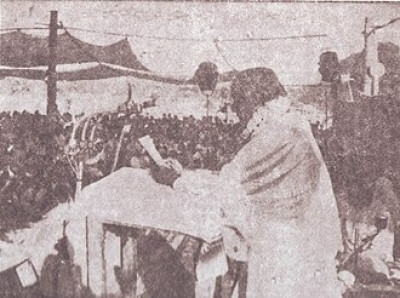
Kirtinath Hazarika was elected President of the 54th Asam Sahitya Sabha Session held at Hailakandi in 1988. His selection reflected the immense respect he enjoyed among writers, journalists, and literary scholars across Assam. During his presidency, he emphasized the importance of preserving Assamese language, strengthening literary journalism, and encouraging young writers to contribute meaningfully to society.
Awards and Recognition
Kirtinath Hazarika received numerous prestigious awards in recognition of his contributions to journalism and literature.
Awards received:
- Srimanta Sankardev Award (1986) - First recipient of the prestigious state award
- Durgaratna Award (1987)
- Literary Pension (1987)
- B.D. Goenka Award (1988)
These honors acknowledged his lifelong service to Assamese journalism, literature, language, and culture.
Positions Held
- Editor, Dainik Asam
- Sub-Editor, Dainik Asomiya
- Editor, Nutan Asomiya
- Contributor to Ramdhenu magazine
- President, 54th Asam Sahitya Sabha Session (Hailakandi, 1988)
Death
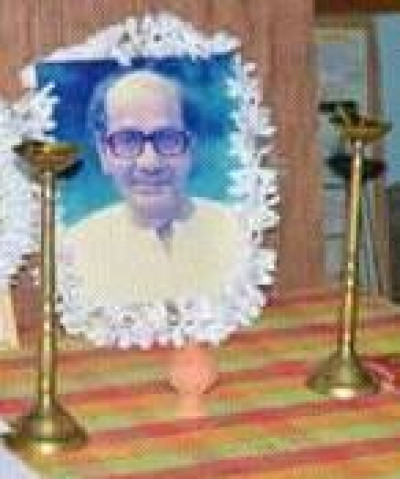
Kirtinath Hazarika passed away on 3 May 2002. His death marked the end of an influential career that had significantly shaped Assamese journalism and literature. However, his books, editorials, translations, and literary vision continue to inspire journalists, writers, students, and researchers across Assam. He is remembered as a pioneering editor whose dedication to truthful journalism and literary excellence left an enduring impact on Assamese society.
FAQs about Kirtinath Hazarika
1. Who was Kirtinath Hazarika?
Kirtinath Hazarika was an eminent Assamese journalist, editor, writer, translator, and literary personality known for his contributions to Assamese journalism and literature.
2. When was Kirtinath Hazarika born?
He was born in 1922 in Golaghat district, Assam.
3. When did Kirtinath Hazarika die?
He passed away on 3 May 2002.
4. Which newspaper was edited by Kirtinath Hazarika?
He served as the editor of the Assamese daily newspaper Dainik Asam for many years.
5. What are the famous books written by Kirtinath Hazarika?
Some of his well-known books include Narador Diary, Asomiya Sangbadikota, Asom aru Netritwa, Bikorxon Akarxon, and several children's books and translations.
6. Which literary organization did Kirtinath Hazarika lead?
He presided over the 54th session of the Asam Sahitya Sabha held at Hailakandi in 1988.
7. Which prestigious award was first presented to Kirtinath Hazarika?
He became the first recipient of the Srimanta Sankardev Award instituted by the Government of Assam in 1986.
8. What were Kirtinath Hazarika's major contributions?
His major contributions include journalism, literary editing, book writing, translation, children's literature, and the promotion of Assamese language and culture.
9. What awards did Kirtinath Hazarika receive?
He received the Srimanta Sankardev Award, Durgaratna Award, Literary Pension, and B.D. Goenka Award.
10. Why is Kirtinath Hazarika remembered today?
He is remembered for strengthening Assamese journalism, enriching Assamese literature, mentoring writers, and promoting the cultural identity of Assam through his lifelong literary and editorial work.