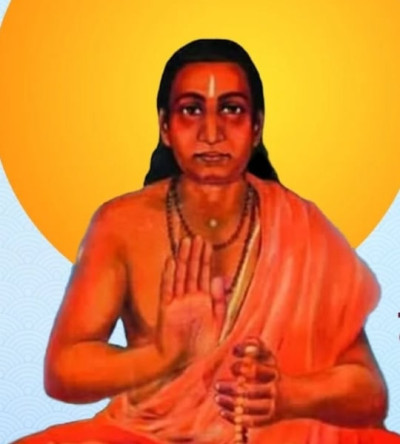
Life & Legacy
Early Life
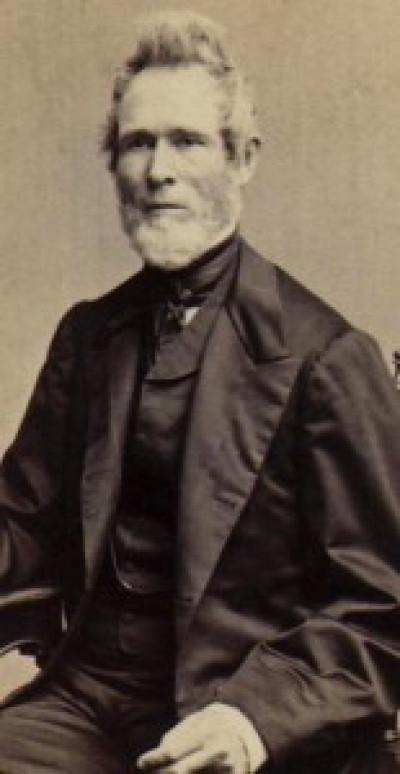
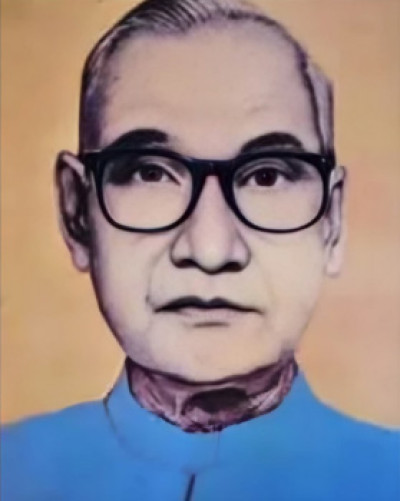
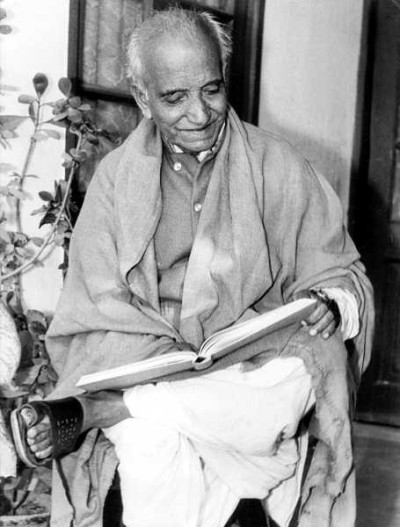
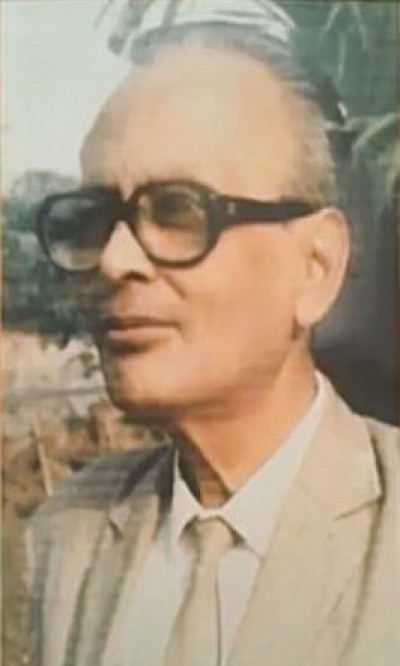
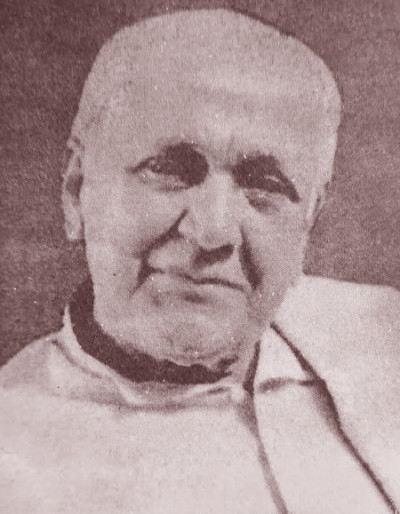
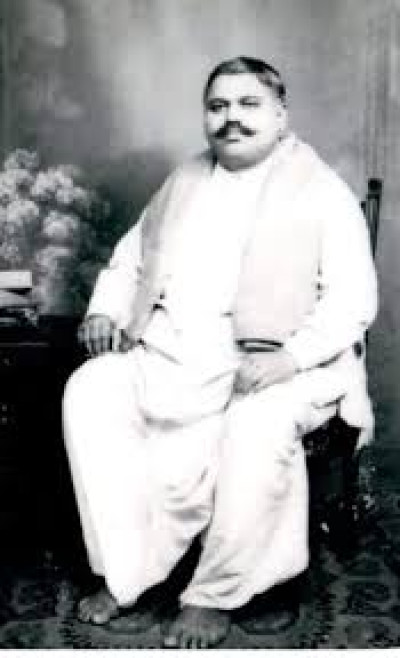
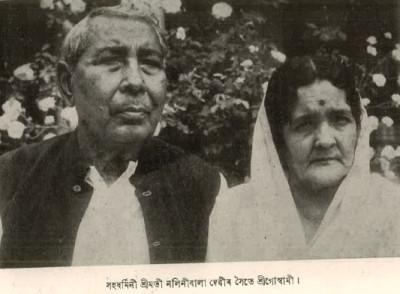
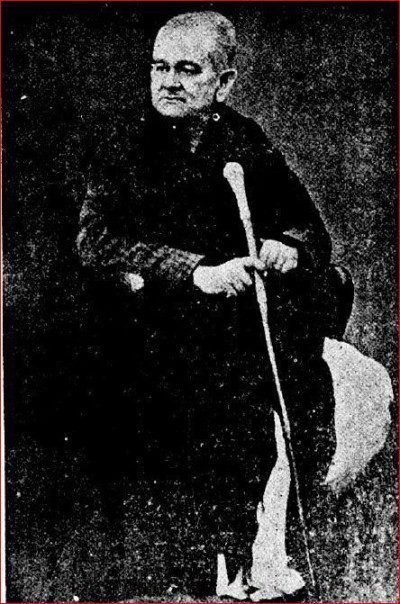
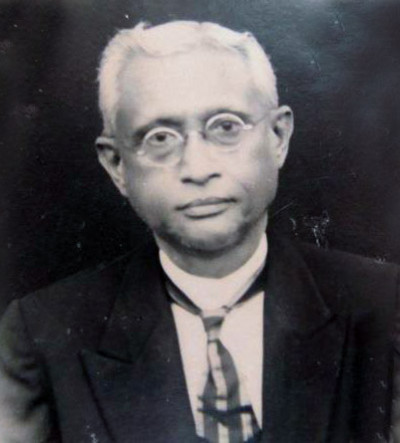
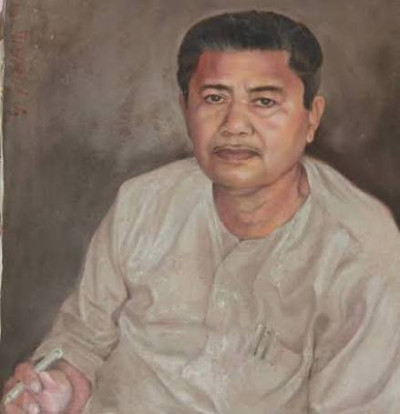
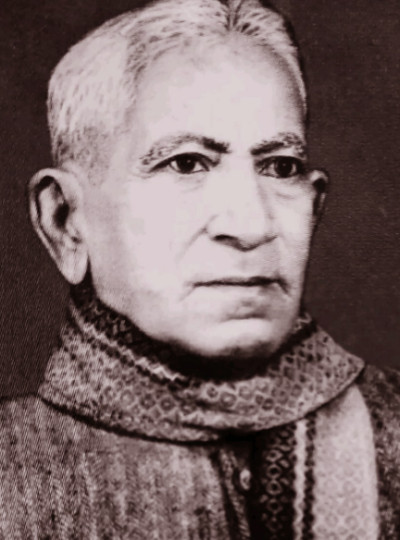
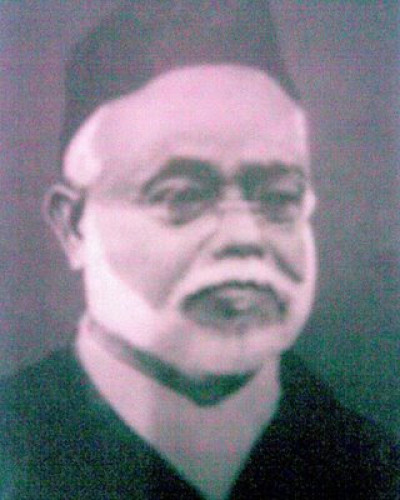
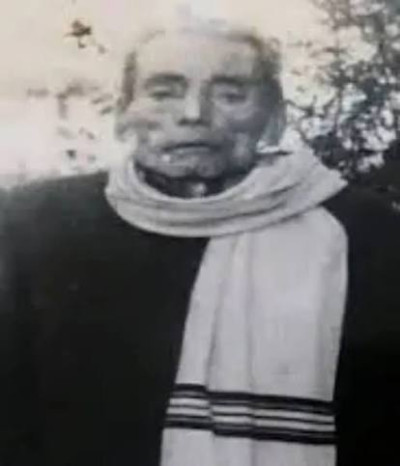
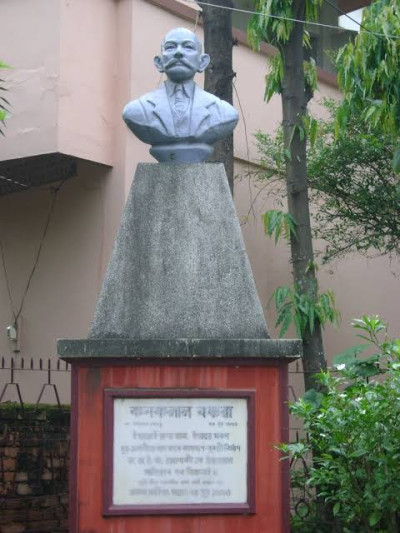
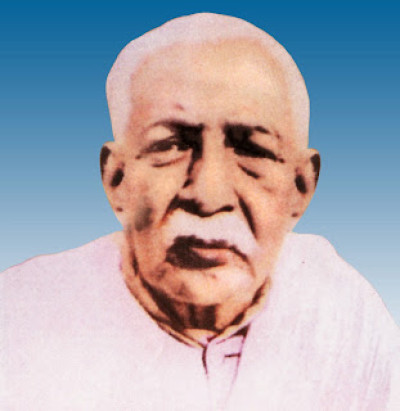
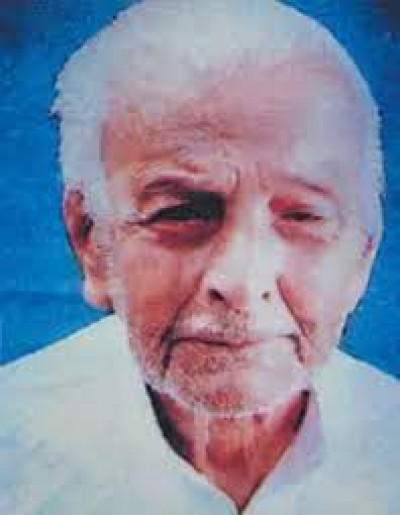
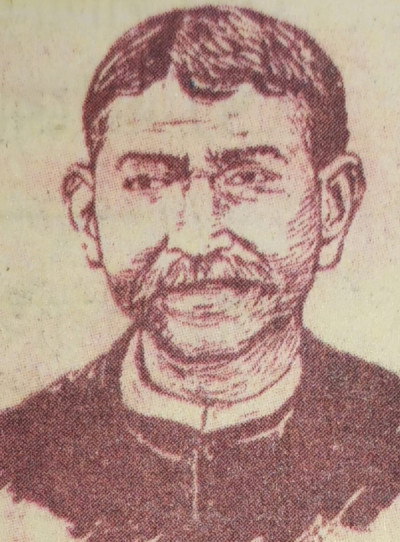
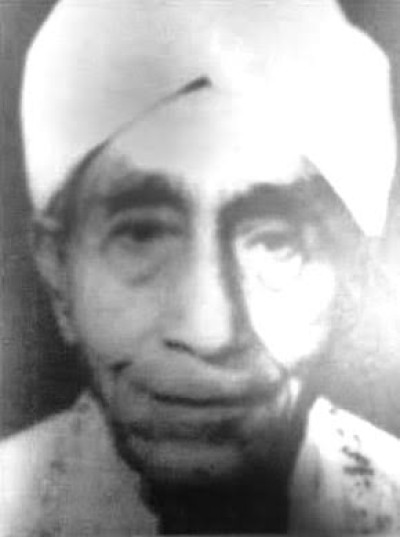
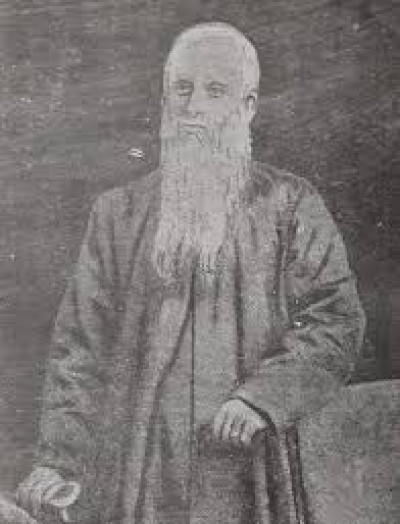
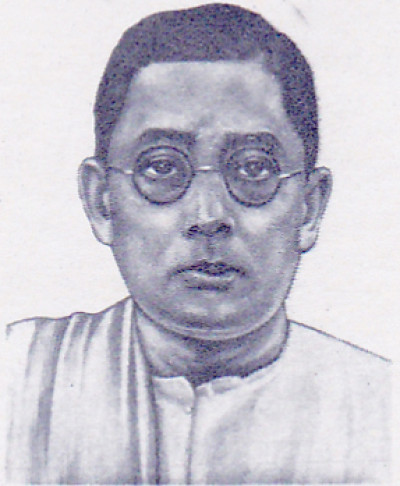
Kamalakanta Bhattacharya was born on 23 December 1853 at Garehagi village near Biswanath Chariali in present-day Sonitpur district, Assam. Some historical records mention slightly different birth years because official records from that period were incomplete. He belonged to a learned Brahmin family whose ancestors were associated with Assam's religious and cultural traditions. His father, Baneshwar Bhattacharya, served as a Police Inspector and encouraged education from an early age.
Education
Kamalakanta began his education at home under traditional teachers before joining formal schools. During his childhood, Bengali was the medium of instruction in Assam, and he initially studied using Bengali textbooks. Later, he attended Tezpur High School and Collegiate High School in Guwahati. Although family circumstances prevented him from completing higher education after the death of his father, he continued to educate himself through extensive reading and developed exceptional knowledge of literature, history and philosophy.
Literary Career
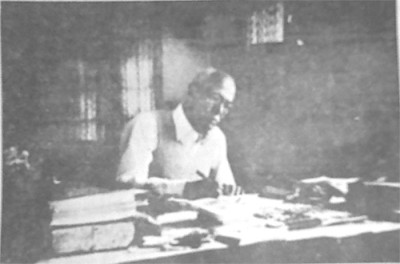
Kamalakanta Bhattacharya devoted his life to Assamese literature and journalism. He emerged as one of the leading literary figures of the Orunodoi era and became widely admired for his bold style of writing. His poems reflected patriotism, social awareness, moral values and love for Assam. His fearless criticism of injustice and social evils earned him the title "Agnikobi."
Apart from poetry, he wrote essays on education, society, nationalism and Assamese identity. His writings appeared in several prominent journals including Arunodoi, Jonaki, Banhi, Times of Assam, Asam Bandhu, Chetana, Bengalee, Advocate of Assam and Bande Mataram. He also contributed significantly to Assamese journalism by helping establish newspapers and editing literary publications.
Nationalism and Public Life
Kamalakanta Bhattacharya was a committed nationalist who actively opposed the replacement of Assamese with Bengali as the official language of Assam. He strongly defended the identity of the Assamese language and worked tirelessly for its restoration and development.
He represented Assam at the Indian National Congress session held in Calcutta in 1886. During the Swadeshi Movement of 1905-1906, he encouraged the use of indigenous products and promoted national unity. He also supported women's education, social reforms and the removal of outdated customs. His writings consistently encouraged people to work for the progress of Assam and India.
Role in Asam Sahitya Sabha
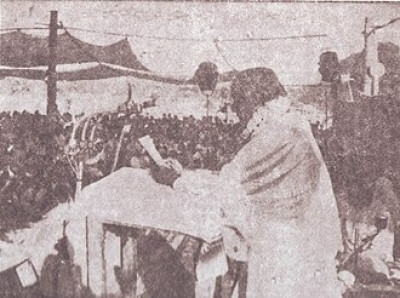
Kamalakanta Bhattacharya played an important role in the growth of the Asam Sahitya Sabha. In 1929, he presided over the Sabha's session held at Jorhat. During his presidential address, he emphasized that the true progress of a nation could be measured through the development of its literature. His leadership strengthened the movement for the promotion of Assamese language and literary excellence.
Major Literary Works
Poetry Collections
- Chintanala
- Chinta Tarangini
- Ashtabakra
Autobiography
- Manat Mor Para Katha
Important Essays
- Asamar Unnati
- Ratneshwar Baruah Hakim
- Gutidiyek Chintar Dhou
- Brahmar Mukhe Tantrar Byakhya
- Tantrar Byakhyar Parashishta
- Ashtabakrar Atmajivani
Other Book
- Ka Pantha
Achievements
- One of the leading poets of the Orunodoi era of Assamese literature.
- Popularly known as "Agnikobi" for his patriotic and fearless writings.
- Played a major role in protecting the Assamese language.
- Represented Assam at the Indian National Congress.
- Promoted Assamese journalism through several newspapers and magazines.
- Advocated women's education and social reforms.
- Inspired generations of Assamese writers through literature and public speeches.
- Presided over the Asam Sahitya Sabha session in 1929.
Positions Held
- President, Asam Sahitya Sabha (1929)
- General Secretary, Asam Sahitya Sabha
- Delegate representing Assam at the Indian National Congress
- Editor and contributor to several Assamese newspapers and literary journals
Awards and Recognition
Although Kamalakanta Bhattacharya did not receive major national awards during his lifetime, he is widely remembered as one of the pioneering literary personalities of Assam. His contribution to Assamese literature, journalism and nationalism continues to be recognized by literary organizations, educational institutions and researchers.
Death
Kamalakanta Bhattacharya passed away on 14 December 1936 at his residence, Poorna Kutir, in Guwahati. His literary works, nationalist ideals and dedication to Assamese language continue to inspire scholars, writers and readers across generations. Today, he is remembered as one of the pioneers who helped shape modern Assamese literature and strengthened the cultural identity of Assam.
FAQs about Kamalakanta Bhattacharya
1. Who was Kamalakanta Bhattacharya?
Kamalakanta Bhattacharya was a renowned Assamese poet, essayist, journalist, nationalist and social reformer who was popularly known as "Agnikobi" or the Poet of Fire.
2. Why is Kamalakanta Bhattacharya famous?
He is famous for his patriotic poems, essays, leadership in Assamese literature, and his efforts to protect the Assamese language and culture.
3. When was Kamalakanta Bhattacharya born?
He was born on 23 December 1853 in Garehagi village near Biswanath Chariali in present-day Sonitpur district, Assam.
4. What was Kamalakanta Bhattacharya's contribution to Assamese literature?
He enriched Assamese literature through poetry, essays, journalism and public speeches while inspiring nationalism and social reform.
5. Why was Kamalakanta Bhattacharya called Agnikobi?
He earned the title "Agnikobi" because his writings passionately promoted patriotism, justice, social reform and Assamese identity.
6. Which books were written by Kamalakanta Bhattacharya?
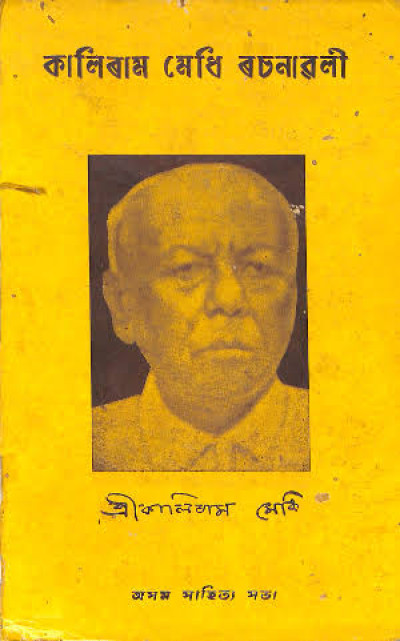
His notable works include Chintanala, Chinta Tarangini, Manat Mor Para Katha, Ashtabakra, Ka Pantha and several influential essays.
7. What role did Kamalakanta Bhattacharya play in Asam Sahitya Sabha?
He served as the President of the Asam Sahitya Sabha in 1929 and promoted the growth of Assamese language and literature.
8. Did Kamalakanta Bhattacharya participate in the Indian freedom movement?
Yes. He represented Assam at the Indian National Congress and actively supported the Swadeshi Movement along with various nationalist causes.
9. When did Kamalakanta Bhattacharya die?
He passed away on 14 December 1936 in Guwahati, Assam.
10. Why is Kamalakanta Bhattacharya remembered today?
He is remembered as one of the greatest literary personalities of Assam for his lasting contributions to Assamese literature, journalism, language preservation and nationalism.