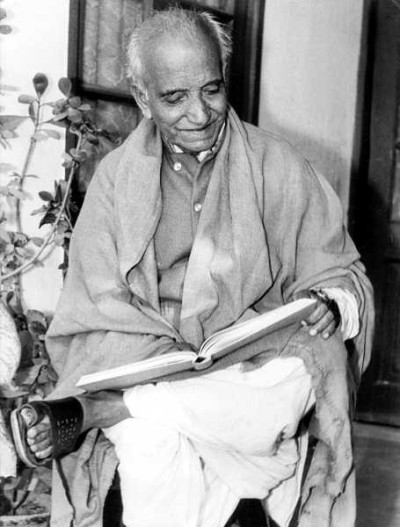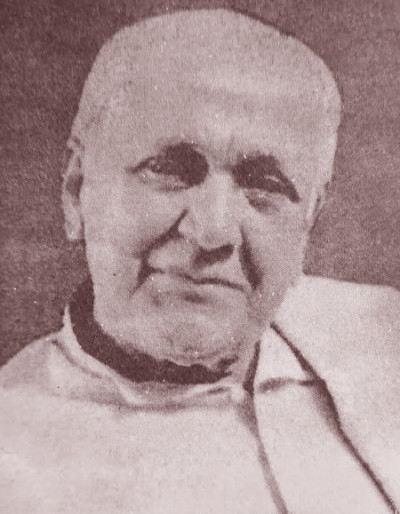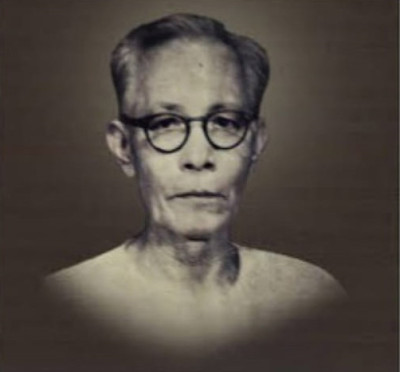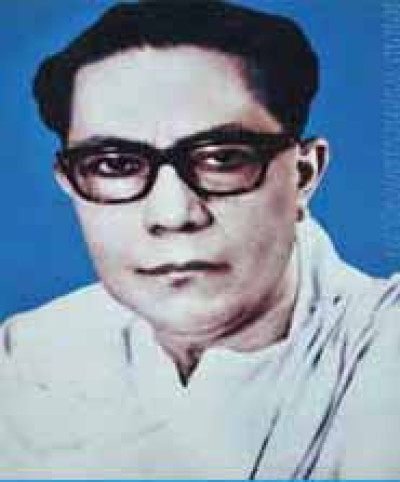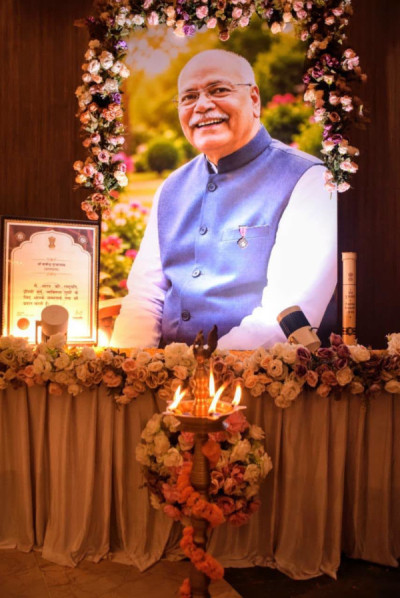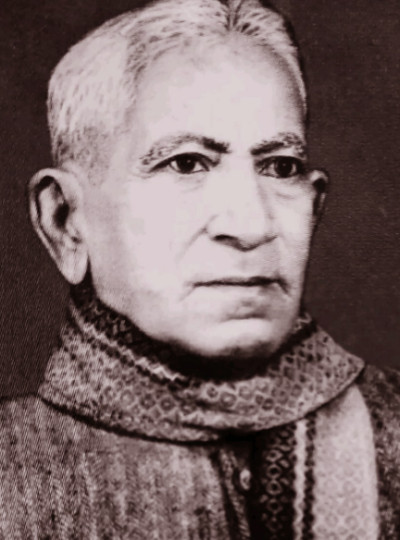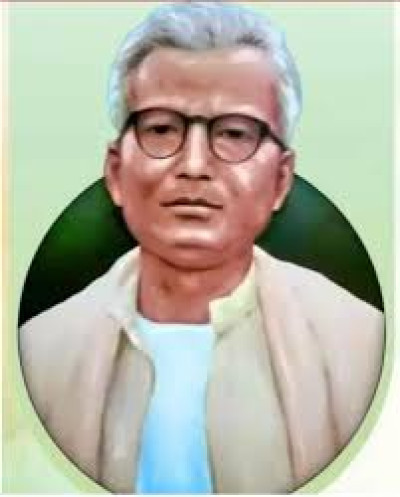
Life & Legacy
Early Life
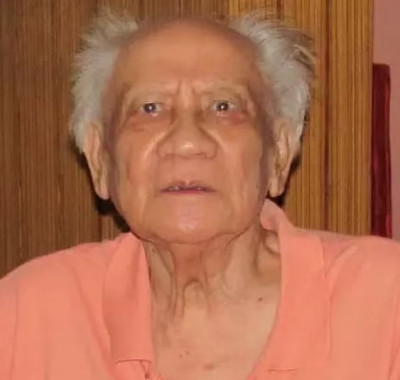
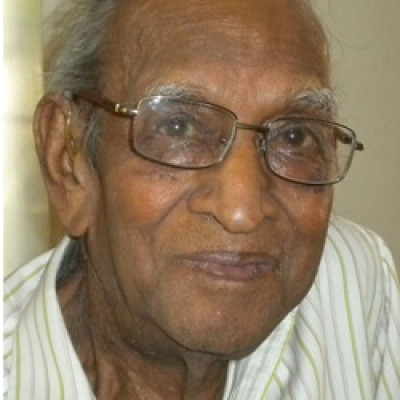
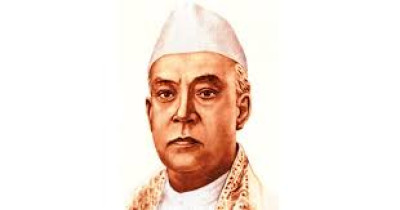
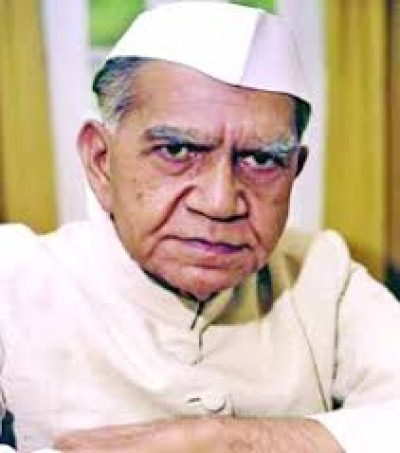
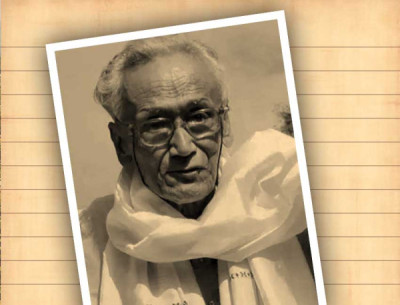
Rabindra Nath Upadhyay was born in 1923 in Sarayan village of Ballia district, Uttar Pradesh. During his student years, he became deeply influenced by the Indian freedom movement inspired by Netaji Subhas Chandra Bose and actively participated in the struggle for India's independence. Following Mahatma Gandhi's assassination in 1948, he embraced Gandhian philosophy and dedicated his life to non-violence, rural upliftment, and constructive social service.
Education
Rabindra Nath Upadhyay completed his higher education at Banaras Hindu University (BHU), one of India's most prestigious educational institutions. His academic background, combined with Gandhian ideals, prepared him for a lifelong mission of serving rural communities and promoting social justice.
Social Service and Career
After joining Vinoba Bhave's Bhoodan Movement in the early 1950s, Rabindra Nath Upadhyay worked alongside prominent Gandhian leaders including Jayaprakash Narayan, Dhirendra Majumdar, and Acharya Ramamurti. His commitment to land reform, village development, and peaceful social change eventually brought him to Assam during the period following the 1962 Sino-Indian War, where he served as a Shanti Sainik (Peace Volunteer).
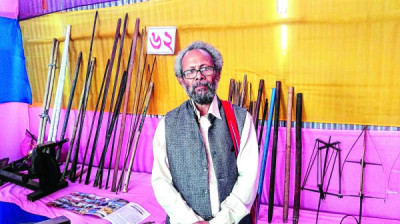
Recognizing the need for organized rural development, he established the Tamulpur Anchalik Gramdan Sangha (TAGS) at Kumarikata in Assam. The organization became a model institution dedicated to promoting Khadi, village industries, agriculture, self-employment, and community welfare. Through TAGS, he encouraged local people to become self-reliant by supporting activities such as silk production, handloom weaving, honey cultivation, oil extraction, and other traditional cottage industries.
Rabindra Nath Upadhyay also established a Peace Centre to strengthen communal harmony and peaceful coexistence among different communities. His humanitarian work extended to relief operations during famine, assistance to marginalized families, promotion of sanitation, installation of drinking water facilities, construction of biogas plants, establishment of childcare centres, and training programmes for rural artisans.
His dedication to social justice was evident when he peacefully protested against the eviction of refugees settled in Assam, leading to the withdrawal of the proposed action. He also stood firmly against violence and extremism despite facing physical attacks and imprisonment during the Emergency period.
Major Achievements
Rabindra Nath Upadhyay devoted more than five decades to rural development and Gandhian social work.
His major contributions include:
- Founder of Tamulpur Anchalik Gramdan Sangha (TAGS).
- Promoted Khadi and village industries across Assam.
- Active participant in Vinoba Bhave's Bhoodan and Gramdan movements.
- Served as a Shanti Sainik during the 1962 border crisis.
- Established Peace Centre at Kumarikata.
- Started New Weavers' Training Centre for rural employment.
- Promoted silk production, beekeeping, handloom weaving, and oil processing.
- Organized famine relief and community welfare programmes.
- Worked for communal harmony and protection of marginalized communities.
- Played a significant role in rural sanitation, drinking water, and sustainable village development.
Positions Held
- Founder, Tamulpur Anchalik Gramdan Sangha (TAGS).
- Gandhian Social Worker.
- Shanti Sainik (Peace Volunteer).
- Rural Development Activist.
- Leader in the Bhoodan and Gramdan Movement.
- Founder member of several Sarvodaya organizations.
Awards and Recognition
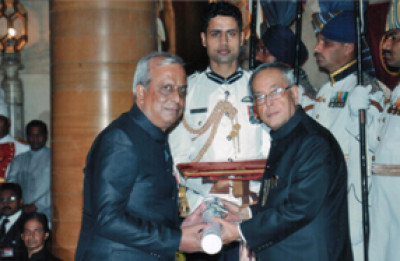
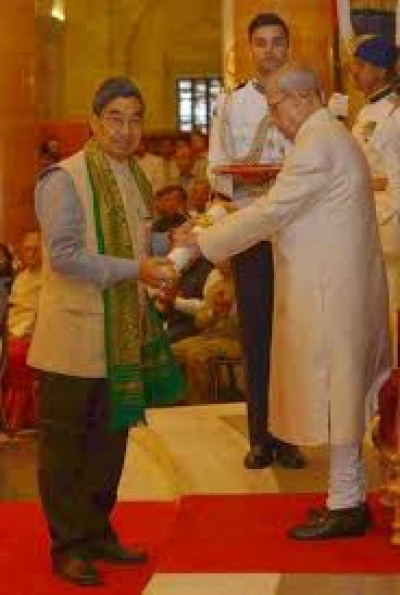
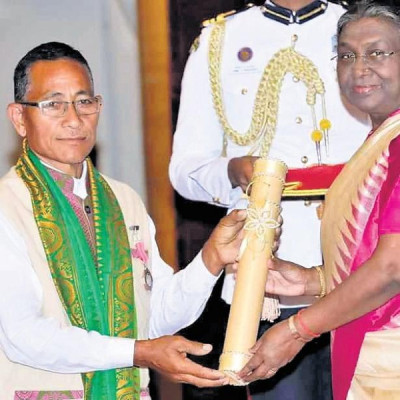
Rabindra Nath Upadhyay received several prestigious honours for his outstanding contribution to society.
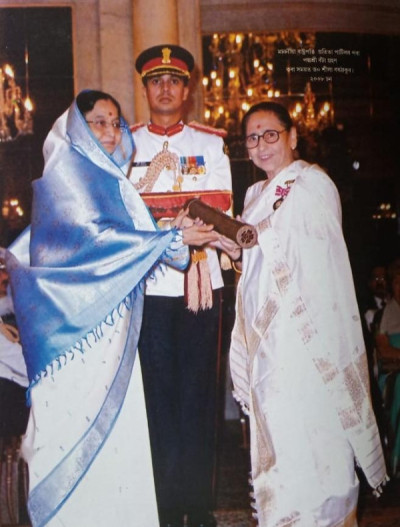
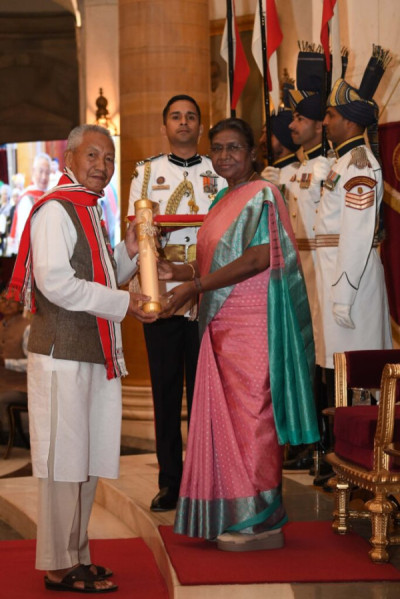
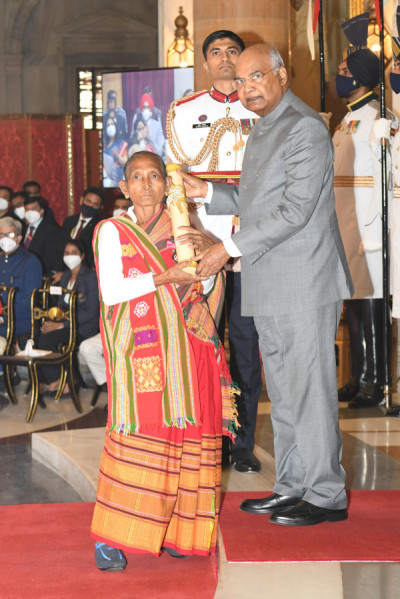
- Padma Shri (2000), Government of India.
- Jamnalal Bajaj Award for Constructive Work (2003).
- Friends of North-East Award (2004).
- National Communal Harmony Award (2006), presented by the National Foundation for Communal Harmony.
Personal Life
Rabindra Nath Upadhyay was married to Shakuntala Devi, who actively supported his social and humanitarian activities. Together, they lived a simple Gandhian lifestyle dedicated to public service, rural empowerment, and community welfare.
Death
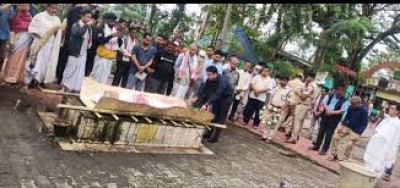
Rabindra Nath Upadhyay passed away on 12 April 2010 in Guwahati, Assam, at the age of 87. His legacy continues through the institutions he established and the countless rural communities whose lives were transformed by his vision of self-reliance, peace, and sustainable development.
Rabindra Nath Upadhyay is remembered as one of the finest Gandhian social reformers associated with Assam. His lifelong commitment to rural development, village industries, communal harmony, and humanitarian service continues to inspire social workers, voluntary organizations, and future generations across India.
FAQs about Rabindra Nath Upadhyay
1. Who was Rabindra Nath Upadhyay?
Rabindra Nath Upadhyay was a Gandhian social worker, freedom fighter, and rural development activist who dedicated his life to improving the lives of rural communities in Assam.
2. Why is Rabindra Nath Upadhyay famous?
He is best known for founding the Tamulpur Anchalik Gramdan Sangha (TAGS) and promoting Gandhian principles, Khadi, village industries, and rural self-reliance in Assam.
3. When was Rabindra Nath Upadhyay born?
He was born in 1923 in Ballia district of present-day Uttar Pradesh.
4. When did Rabindra Nath Upadhyay die?
He passed away on 12 April 2010 in Guwahati, Assam, at the age of 87.
5. What is Tamulpur Anchalik Gramdan Sangha (TAGS)?
TAGS is a rural development organization founded by Rabindra Nath Upadhyay to promote Khadi, village industries, self-employment, and sustainable community development in Assam.
6. Which award did Rabindra Nath Upadhyay receive?
He received the Padma Shri in 2000, the Jamnalal Bajaj Award in 2003, and the National Communal Harmony Award in 2006.
7. What role did Rabindra Nath Upadhyay play in the Bhoodan Movement?
He actively participated in Vinoba Bhave's Bhoodan and Gramdan movements, promoting land reform, peaceful social change, and rural development.
8. What were Rabindra Nath Upadhyay's major contributions to Assam?
His contributions include establishing TAGS, promoting Khadi and village industries, supporting rural employment, improving sanitation and drinking water facilities, organizing relief work, and strengthening communal harmony.
9. Did Rabindra Nath Upadhyay write any books?
No widely documented independently authored books by Rabindra Nath Upadhyay are available in reliable public records. He is primarily remembered for his social service and rural development initiatives.
10. Why is Rabindra Nath Upadhyay remembered today?
He is remembered for his lifelong dedication to Gandhian values, rural empowerment, humanitarian service, village industries, and his lasting contribution to the social and economic development of Assam.