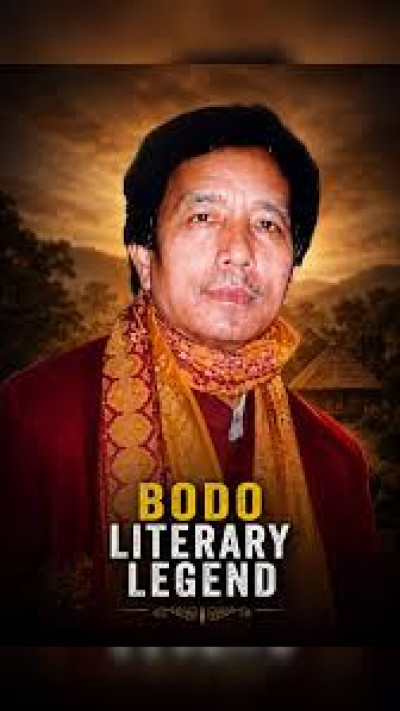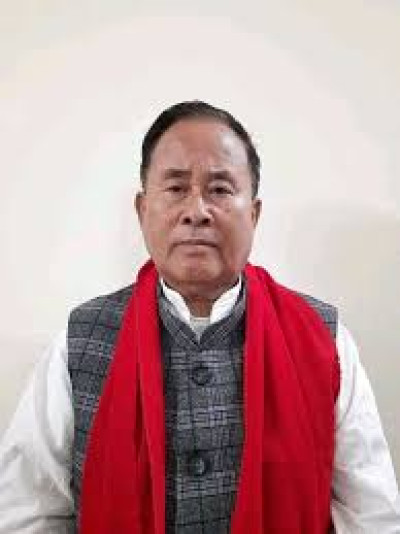
Life & Legacy
Early Life
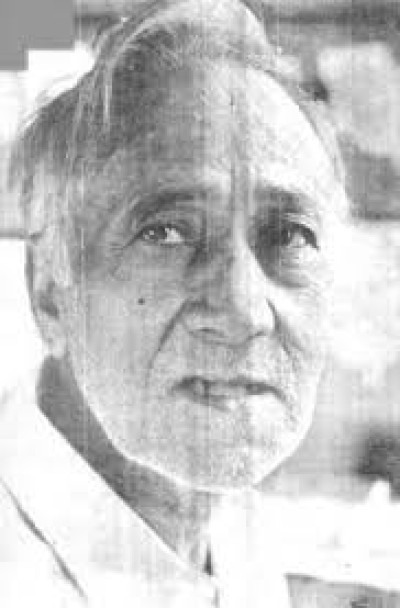
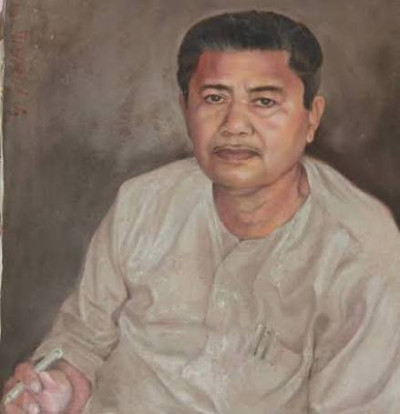
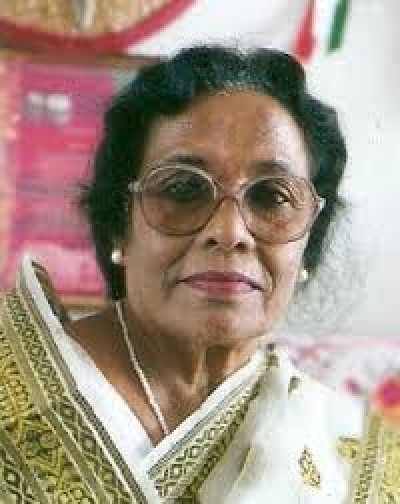
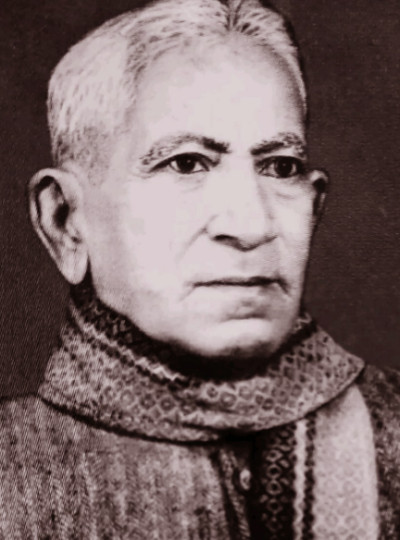
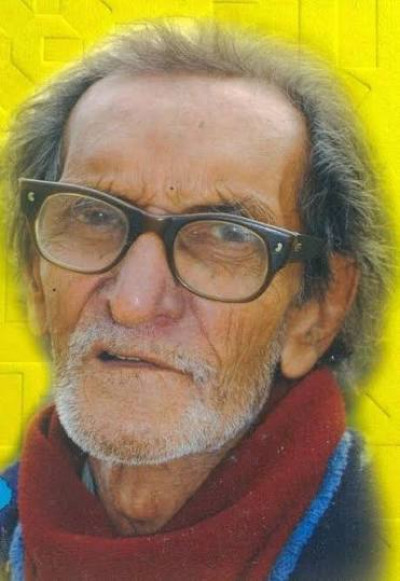
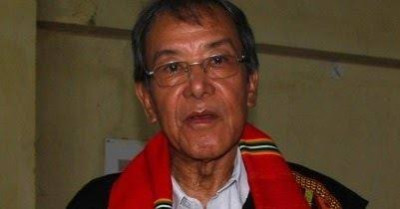
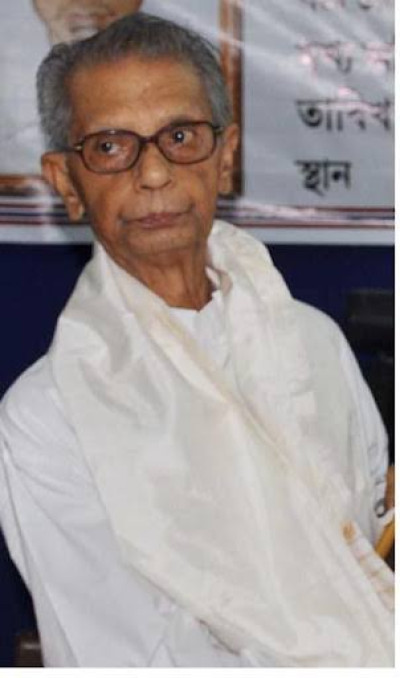
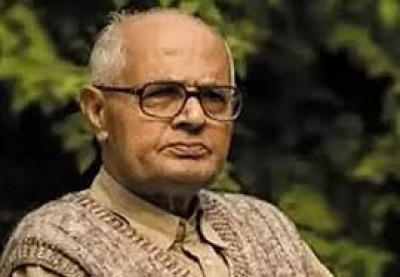
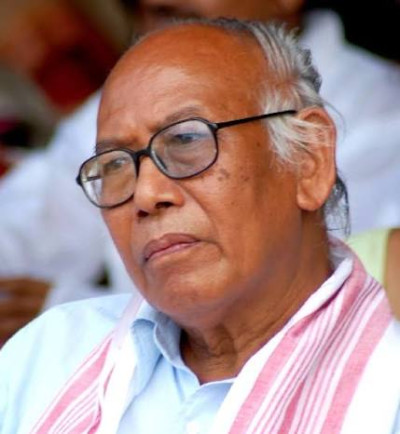
Rongbong Terang was born on 13 January 1937 in Langbudingpi village near Bokolia Ghat in present-day Karbi Anglong district, Assam. He was born into a Karbi family to Rup Singh Terang and Ba-ik Ronghapi. Growing up amidst the scenic hills and tribal villages of Karbi Anglong, he developed a deep appreciation for nature, indigenous traditions, folklore, and community life. These childhood experiences later became the foundation of many of his novels, poems, and short stories.
Education
Terang completed his early education at local schools before studying at Lanka High School. He later enrolled at Nagaon College, where he graduated with Honours in Assamese. Driven by his passion for language and literature, he completed his Master's Degree in Assamese from Gauhati University in 1966. During his student life, he actively participated in literary activities and developed a strong interest in creative writing, translation, and cultural research.
Career
After completing his higher education, Rongbong Terang began his professional career as a teacher. He served at Lanka High School, Kaki High School, and Diphu Girls' High School before joining Diphu Government College as a Lecturer in Assamese. Through decades of teaching, he inspired countless students while encouraging the study of Assamese and Karbi literature. He later served in academic leadership roles and retired after a distinguished career in higher education.
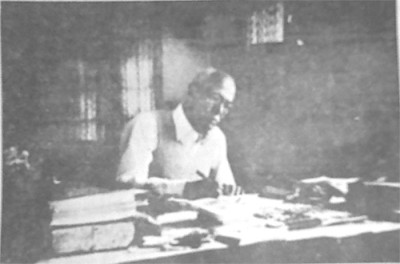
Alongside his teaching profession, Terang remained deeply involved in literary organisations and cultural institutions. His commitment to language development and literary excellence established him as one of the leading intellectuals of Assam.
Literary Contributions
Rongbong Terang has made extraordinary contributions to Assamese and Karbi literature through novels, poetry, essays, autobiographical writings, translations, dictionaries, grammar books, and language development texts. His writings preserve the customs, beliefs, festivals, folklore, and everyday lives of the Karbi community while also addressing universal themes such as identity, education, social change, communal harmony, and human values.
His celebrated novel Rongmilir Hahi is regarded as one of the finest literary portrayals of tribal life in Assam. Several of his works have been translated into other Indian languages, allowing readers across the country to understand the unique culture and traditions of the Karbi people.
Terang also translated important works such as the Srimad Bhagavad Gita into the Karbi language, making classical Indian literature more accessible to indigenous readers. His dictionaries, language books, and educational publications have significantly strengthened Karbi language studies.
Contribution to Assamese and Karbi Literature
One of Rongbong Terang's greatest achievements has been building a strong bridge between Assamese and Karbi literary traditions. He consistently promoted mutual respect among different ethnic communities while encouraging linguistic diversity and cultural unity. His works document indigenous history and oral traditions that might otherwise have disappeared with time.
His writings combine literary excellence with social responsibility, encouraging readers to appreciate cultural heritage while embracing modern education and peaceful coexistence. This unique approach has made his works valuable not only as literature but also as historical and cultural references.
Positions Held
Throughout his career, Rongbong Terang held several important academic and literary positions, including:
- Teacher, Lanka High School
- Teacher, Kaki High School
- Teacher, Diphu Girls' High School
- Lecturer in Assamese, Diphu Government College
- Principal-in-Charge, Diphu Government College
- First Secretary, Karbi Sahitya Sabha (1966-1983)
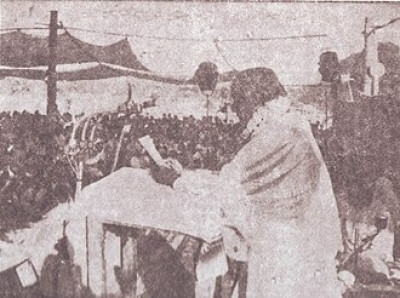
- President, Assam Sahitya Sabha (Dhemaji Session, 2010)
- President, Assam Sahitya Sabha (Special Session, Boithalangso, 2010)
- President, Assam Sahitya Sabha (Dergaon Session)
- Member of various literary, educational and cultural organizations promoting Assamese and Karbi literature
Major Achievements
His major achievements include:
- Among the most distinguished writers representing Karbi literature.
- Helped preserve Karbi language, literature, folklore, and cultural traditions.
- Authored numerous novels, poems, essays, autobiographies, translations, and language books.
- Strengthened cultural understanding between tribal and non-tribal communities in Assam.
- Played an important role in promoting higher education and literary awareness in Karbi Anglong.
- Encouraged young writers and researchers through his leadership in literary organisations.
- His works continue to be widely studied by students, researchers, and literature enthusiasts.
Awards and Recognition
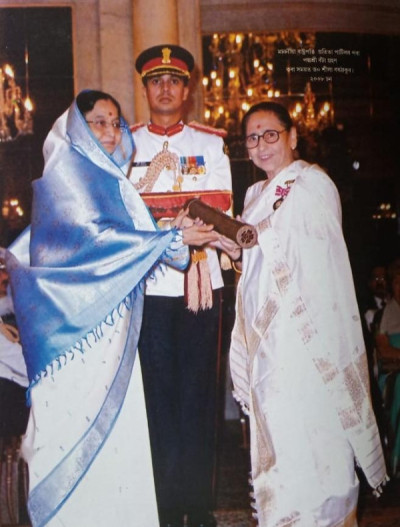
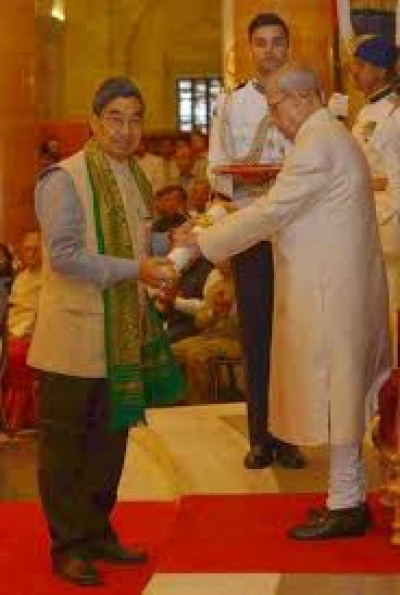
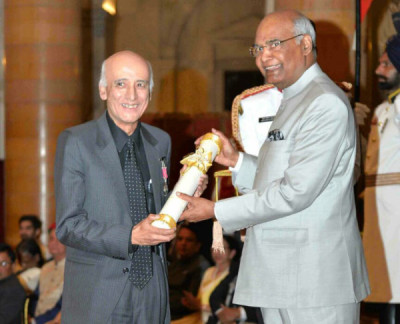
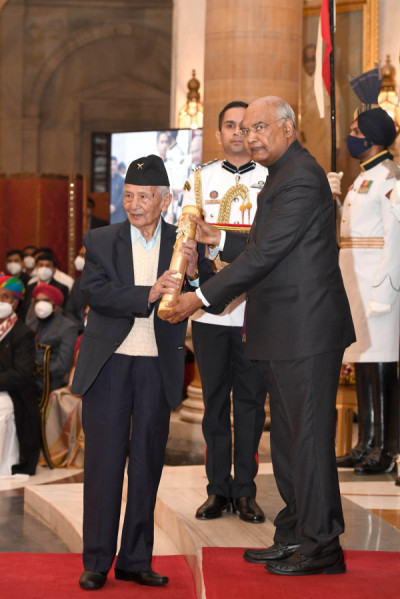
Rongbong Terang has received numerous honours in recognition of his lifelong contribution to literature and education. The Government of India honoured him with the Padma Shri in 1989 for his outstanding contribution to literature and education. He also received the Bishnu Rabha Award, Assam Prakashan Parishad Award, Madhavdev Award, Syu-Ka-Fa Award, and several other prestigious recognitions. In addition, universities honoured him with honorary doctoral degrees acknowledging his immense contribution to Assamese and Karbi literature.
Books Written by Rongbong Terang
Novels
- Rongmilir Hahi (1981)
- Neela Orchid (2001)
- Krantikalor Ashru (2005)
- Jakh Heruwa Pakhi (2005)
- Mirbin (2009)
- Langslieter Krakrung
Short Stories
- Bon Foringor Geet
- Galpa Samagra (Collected Short Stories)
Poetry
- Karbi Lamkur
- Samanway Prabah
- Smritir Papori
Grammar, Dictionary and Language Books
- Karbilam Tassas (Karbi-Assamese-English Dictionary)
- Karbi Lam Tasham
- Karbi Asomiya Path
- Dola Alun
- Gananaputhi
- Karbi Kalakha Akitap
Translation Works
- Srimad Bhagavad Gita (Translated into Karbi)
- Works on Mahatma Gandhi translated into Karbi
Autobiography
- Mor Jonmo Huwato Antat: Sacha
Awards and Recognition
- Padma Shri (1989), Government of India
- Bishnu Rabha Award (1981/1982)
- Assam Prakashan Parishad Award
- Mahapurush Madhavdev Award (2008)
- Su-Ka-Fa Award (2009)
- Assam Valley Literary Award (2008)
- Basudev Jalan Award
- Lummer Dai Sahitya Surya Award (2019)
- Lifetime Achievement Award (Pratidin Achiever Awards, 2021)
- Honorary D.Litt., Cotton University (2022)
- Honorary Doctorate, Assam University (2024)
Legacy
Rongbong Terang remains one of the most influential literary figures in Assam. His writings continue to preserve the history, identity, and traditions of the Karbi people while enriching Assamese literature with authentic tribal narratives. Through his dedication as an author, educator, translator, and cultural leader, he inspired generations of readers and writers. His literary legacy continues to promote cultural harmony, language preservation, and social awareness, ensuring that the heritage of Karbi Anglong remains alive for future generations.
FAQs on Rongbong Terang
1. Who is Rongbong Terang?
Rongbong Terang is a renowned Assamese and Karbi writer, novelist, poet, translator, educationist, and Padma Shri awardee known for preserving Karbi culture through literature.
2. When and where was Rongbong Terang born?
He was born on 13 January 1937 at Langbudingpi village near Bokolia Ghat in Karbi Anglong district, Assam.
3. Why is Rongbong Terang famous?
He is famous for his outstanding contributions to Assamese and Karbi literature, his novels depicting tribal life, language preservation efforts, and leadership in Assam's literary organizations.
4. Which is the most famous book written by Rongbong Terang?
His best-known novel is Rongmilir Hahi, regarded as one of the finest literary works portraying the culture and traditions of the Karbi people.
5. Which national award did Rongbong Terang receive?
He received the Padma Shri in 1989 from the Government of India for his outstanding contribution to literature and education.
6. Was Rongbong Terang associated with the Assam Sahitya Sabha?
Yes. He served as the President of the Assam Sahitya Sabha and also played an important role in the development of Assamese literature through the organization.
7. What languages did Rongbong Terang write in?
He wrote extensively in Assamese and Karbi, while also translating important literary and religious works into the Karbi language.
8. What are Rongbong Terang's major literary contributions?
His contributions include novels, poetry, essays, translations, autobiographical writings, dictionaries, grammar books, language textbooks, and works promoting Karbi culture and heritage.
9. What was Rongbong Terang's profession besides writing?
Apart from being a celebrated author, he was an educationist and served as a lecturer and Principal-in-Charge of Diphu Government College.
10. What is Rongbong Terang's legacy?
Rongbong Terang is remembered as one of Assam's greatest literary figures whose writings preserved Karbi traditions, strengthened Assamese literature, promoted cultural harmony, and inspired generations of writers, researchers, and students.