Life & Legacy
Early Life
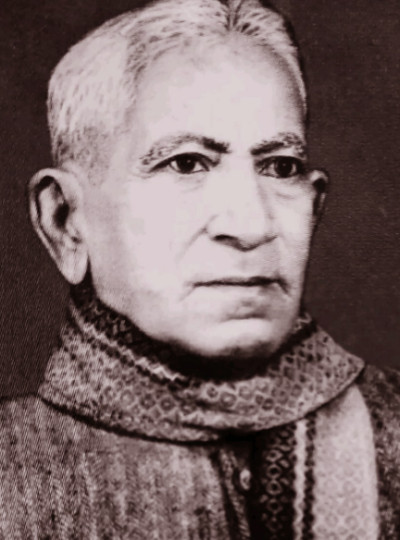
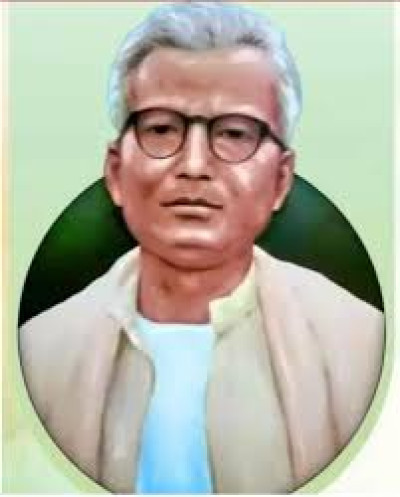
Pushparam Kahar was born around 1850 in Sarthebari, a historic town in present-day Barpeta district of Assam, renowned for its centuries-old bell metal industry. He belonged to a family of highly skilled bell metal craftsmen and inherited exceptional craftsmanship from an early age. Growing up in an artisan community, he developed expertise in designing and manufacturing traditional Assamese utensils, religious artifacts, and decorative items made from bell metal.
Education
There are no authentic historical records describing Pushparam Kahar's formal education. However, he received extensive practical training in traditional bell metal craftsmanship from experienced artisans in Sarthebari. His artistic knowledge and technical skills later earned recognition even beyond India.
Freedom Movement and Raijmel Leadership
During the late nineteenth century, the British administration imposed heavy land taxes on the people of Assam, including artisans whose lands were unsuitable for cultivation. The unjust taxation created widespread dissatisfaction among villagers, leading to several public meetings known as Raijmels.
Pushparam Kahar emerged as one of the principal leaders of these people's movements in Sarthebari. He united villagers, artisans, and farmers to peacefully protest against excessive taxation and administrative exploitation. One of the most significant events occurred during the historic Panagaon Raijmel of 1894, where thousands of people gathered to oppose British policies. His fearless leadership made him one of the most influential figures of the agrarian resistance movement in western Assam.
Imprisonment and Courage
Following the anti-British movement, Pushparam Kahar was arrested and sentenced to six years of rigorous imprisonment by the colonial government. Even inside prison, he refused to perform forced manual labour that he believed dishonoured his identity as a skilled artisan. Instead, he requested permission to continue his traditional craft.
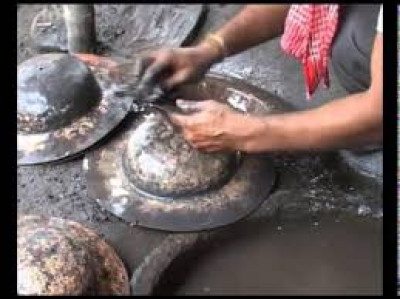
The prison authorities eventually allowed him to manufacture bell metal utensils inside the jail. During this period, he created uniquely designed plates and bowls that later became famous as the "Jail Kahi" and "Jail Bati." These handcrafted utensils continue to be admired as symbols of Assamese craftsmanship and resilience.
Contribution to Bell Metal Industry
Pushparam Kahar played a pioneering role in preserving and promoting the traditional bell metal industry of Sarthebari. His innovative craftsmanship introduced new artistic designs that gained appreciation both within India and abroad. Historical accounts mention that some of his handcrafted works were displayed at an international exhibition during the British era, where they received considerable recognition.
Unlike many craftsmen of his time, Pushparam Kahar encouraged women to participate in the bell metal industry. He involved his daughter Bhagyeshwari in manufacturing the famous Jaat Kahi, making him one of the earliest artisans in Assam to promote women's participation in this traditional occupation.
Major Contributions and Achievements
- Leading figure of the Raijmel peasant movement against British rule.
- Courageously opposed excessive colonial taxation.
- Endured six years of imprisonment for participating in the freedom movement.
- Created the famous "Jail Kahi" and "Jail Bati" during imprisonment.
- Preserved and advanced the traditional bell metal craftsmanship of Sarthebari.
- Introduced innovative artistic designs in Assamese bell metal utensils.
- Encouraged women's participation in the bell metal industry.
- Inspired future generations of Assamese artisans and freedom fighters.
- Remembered as one of Assam's earliest artisan-revolutionaries.
Personal Life
Pushparam Kahar lived a simple life devoted to craftsmanship, social justice, and community welfare. Historical references mention that his wife Padmapriya and daughter Bhagyeshwari assisted him in bell metal production. His dedication to family traditions helped preserve one of Assam's most valuable indigenous industries.
Death
Pushparam Kahar passed away in 1927 at approximately 77 years of age. Despite facing imprisonment, personal hardships, and social challenges, he remained committed to preserving Assamese culture and resisting colonial oppression until the end of his life.
Legacy
Pushparam Kahar is remembered as both a fearless freedom fighter and a legendary artisan. His leadership during the Raijmel movement demonstrated the strength of ordinary Assamese people against injustice, while his craftsmanship elevated Sarthebari's bell metal industry to new heights. His innovations continue to influence artisans today, and the famous Jail Kahi remains an important symbol of Assam's cultural heritage. His life serves as an enduring example of courage, creativity, patriotism, and dedication to preserving traditional Assamese art.
FAQs about Pushparam Kahar
1. Who was Pushparam Kahar?
Pushparam Kahar was an Assamese freedom fighter, Raijmel leader, and master bell metal artisan from Sarthebari who opposed British rule and preserved Assam's traditional craftsmanship.
2. Where was Pushparam Kahar born?
He was born in Sarthebari, now located in Barpeta district, Assam.
3. Why is Pushparam Kahar famous?
He is famous for leading the Raijmel peasant movement, resisting British colonial rule, and creating the renowned Jail Kahi during his imprisonment.
4. What was Pushparam Kahar's profession?
He was a highly skilled bell metal artisan known for producing traditional Assamese utensils and artistic metalwork.
5. What is Jail Kahi?
Jail Kahi is a uniquely designed bell metal plate created by Pushparam Kahar while serving his prison sentence during British rule.
6. How did Pushparam Kahar contribute to Assam's freedom movement?
He organized villagers against unfair taxation, led the Raijmel movement, and endured imprisonment for resisting British colonial policies.
7. Did Pushparam Kahar encourage women artisans?
Yes. He involved his daughter Bhagyeshwari in bell metal production, encouraging women's participation in the traditional craft.
8. Did Pushparam Kahar receive any awards?
Although he did not receive official awards, his craftsmanship gained recognition during the British period and continues to be respected today.
9. When did Pushparam Kahar die?
He passed away in 1927 after dedicating his life to public service and traditional craftsmanship.
10. Why is Pushparam Kahar important in Assam's history?
He is remembered for combining patriotism with artistic excellence, making significant contributions to both Assam's freedom movement and its traditional bell metal industry