Life & Legacy
Early Life and Family
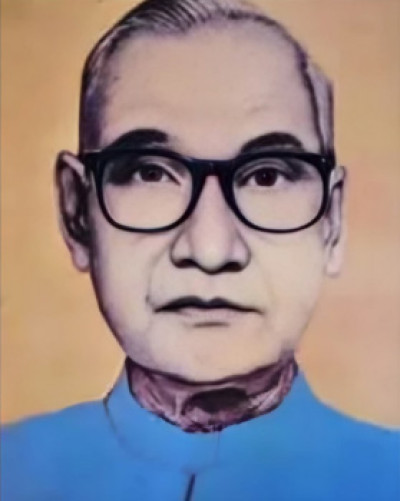
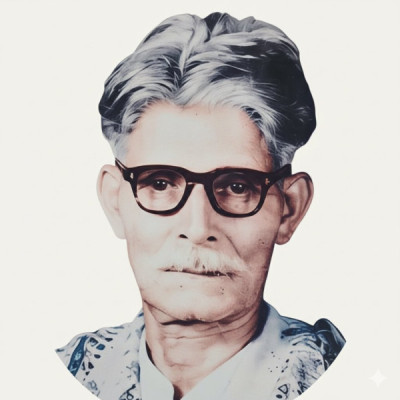
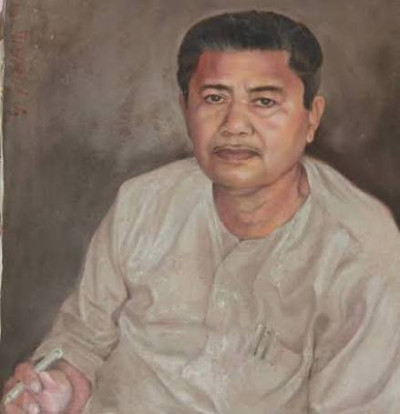
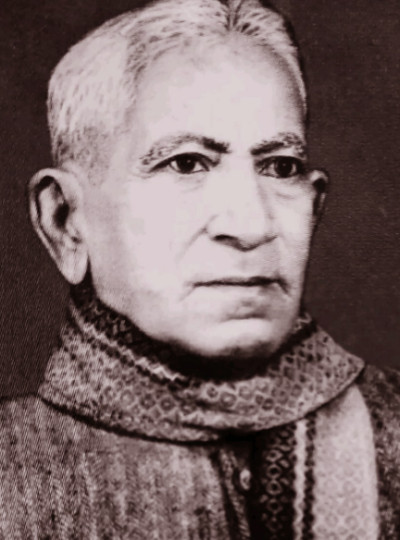
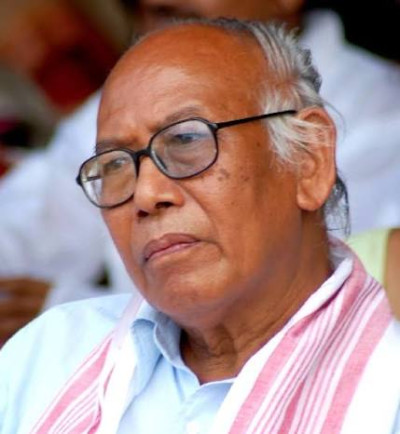
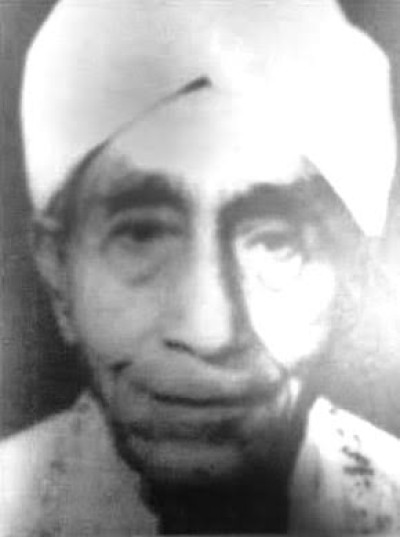
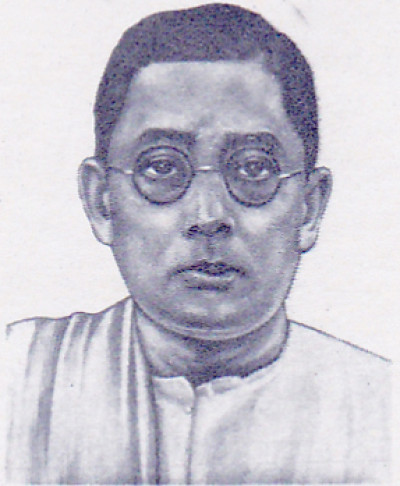
Jogesh Das was born on 1 April 1927 in Assam. Reference accounts identify his birthplace with the Lakhimpur region, while detailed biographical accounts associate his childhood with Hansara Tea Estate in Doomdooma. His early surroundings exposed him to the everyday experiences of tea-garden communities and ordinary working people. These experiences later became an important source of realism and social observation in his literary writing.
His early life was shaped by education, teaching and journalism. The people and environment around him provided a strong foundation for the themes that appeared throughout his fiction. His writing frequently focused on human relationships, social realities and the changing circumstances of Assamese society.
Education
Jogesh Das completed his early schooling in Assam and later pursued higher education in Guwahati. He studied at Cotton College and subsequently obtained a Master of Arts degree in Assamese literature from Gauhati University in 1953.
His academic background in Assamese literature gave him a strong understanding of the language, literary traditions and cultural heritage of Assam. His university education also helped develop the critical and analytical qualities that became visible in his fiction, journalism and literary activities.
Teaching and Journalism Career
Jogesh Das began his professional life through teaching and journalism. His work as a teacher allowed him to remain closely connected with students and the academic world, while journalism gave him direct exposure to current affairs, public life and social developments.
He later joined B. Borooah College in Guwahati as a teacher of Assamese and eventually served as Head of the Assamese Department before his retirement. He was respected for combining academic knowledge with a practical understanding of literature and society.
From 1965, Das was associated with Dainik Asom as an Assistant Editor. His journalistic work broadened his literary influence and allowed him to contribute through articles, reviews, editorials and other forms of writing. His experience as a journalist and educator complemented his career as a fiction writer.
Literary Career
Jogesh Das emerged as an important fiction writer in the early 1950s. His first novel, Kolpotuwar Mrityu, was published in 1953. Two years later, Daawor Aru Nai appeared and established him as a significant Assamese novelist.
His fiction was rooted in everyday life rather than distant or purely imaginary settings. He wrote about people, relationships, social pressures and changing values, giving his stories a strong connection with Assamese society. His simple yet expressive language helped make his works accessible to a wide range of readers.
Das wrote both novels and short stories with distinction. His literary career expanded beyond fiction into folklore, essays and other forms of cultural writing. His work Folklore of Assam introduced aspects of Assamese folk traditions to a broader readership and reflected his deep interest in the cultural heritage of the state.
Major Literary Works
Novels:
Kolpotuwar Mrityu (1953)
Daawor Aru Nai (1955)
Jonakir Jui (1959)
Nirupai-Nirupai (1963)
Emuthi Dhuli (1965)
Haazaar Phul (1967)
Nedekha Juir Dhowa (1972)
Obidha (1972)
Naresh Maloti Aru (1977)
Short Story Collections:
Popiya Tora (1956)
Andharor Are Are (1958)
Triveni (1961)
Modaror Bedona (1963)
Haazaar Lokor Bhir (1965)
Prithivir Oxukh
English Work:
Folklore of Assam (1972)
Prithivir Oxukh and the Sahitya Akademi Award
One of Jogesh Das's most important literary achievements was Prithivir Oxukh, a collection of short stories that brought him national recognition. The work demonstrated his ability to portray human experiences and social realities through concise and meaningful storytelling.
For Prithivir Oxukh, Jogesh Das received the Sahitya Akademi Award in 1980. The award established his reputation beyond Assam and placed his contribution to Assamese short fiction within the wider landscape of Indian literature.
Contribution to Assamese Literature
Jogesh Das played an important role in the development of modern Assamese fiction. His novels and short stories presented ordinary people and their struggles with sensitivity and realism. Rather than relying only on grand historical themes, he found literary significance in everyday experiences.
His work also helped strengthen the connection between Assamese literature and the social realities of the time. Through fiction, journalism and teaching, he contributed to the development of readers, students and literary discussions in Assam.
His writings were also translated into other Indian languages, helping introduce Assamese literary themes to readers outside the state. His English-language work on Assamese folklore further extended his role as a cultural representative of Assam.
Association with Asam Sahitya Sabha
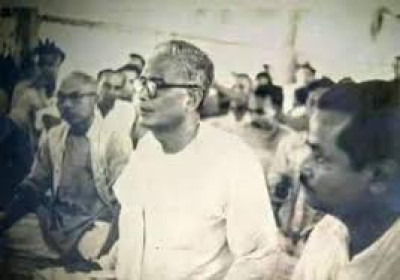
Jogesh Das was closely associated with the Asam Sahitya Sabha, one of Assam's leading literary organisations. His involvement reflected his active participation in the literary and cultural life of the state.
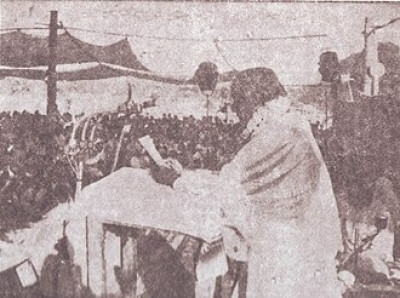
In 1985, he was elected President of the Asam Sahitya Sabha at its Bihpuria session. His election was particularly significant because he became the first person from the Sonowal Kachari community to hold the presidency of the organisation.
His association with the Sabha added another important dimension to his literary career and demonstrated the recognition he received from Assam's wider literary community.
Awards and Recognition
Jogesh Das received several important recognitions for his contribution to Assamese literature.
Sahitya Akademi Award - 1980, for Prithivir Oxukh
Assam Valley Literary Award - 1994, for his contribution to Assamese literature
President of the Asam Sahitya Sabha - Bihpuria session, 1985
His Sahitya Akademi Award remains one of the most significant recognitions of his career, while the Assam Valley Literary Award further acknowledged his long-standing contribution to Assamese literature.
Major Positions and Responsibilities
Writer and novelist in Assamese literature
Short-story writer
Journalist and Assistant Editor of Dainik Asom
Teacher of Assamese at B. Borooah College
Head of the Assamese Department at B. Borooah College
President of the Asam Sahitya Sabha at the Bihpuria session in 1985
Contributor to Assamese folklore studies
Literary Legacy
Jogesh Das occupies an important place among the major Assamese writers of the post-Independence period. His novels and short stories combined literary expression with close observation of society and human behaviour.
His works such as Daawor Aru Nai and Prithivir Oxukh remain particularly important when discussing modern Assamese fiction. His contribution was not limited to creative writing; his work as a teacher, journalist and literary organiser also helped strengthen Assamese literary culture.
Through his writing on Assamese folklore, he also helped document and communicate the traditional cultural knowledge of Assam. His ability to move between fiction, journalism, education and cultural studies made him a versatile literary personality.
Death
Jogesh Das passed away on 9 September 1999. He left behind a substantial body of novels, short stories and cultural writing. His literary achievements, particularly his contribution to Assamese fiction and his award-winning Prithivir Oxukh, continue to secure his place in the history of Assamese literature.
FAQs about Jogesh Das
Who was Jogesh Das?
Jogesh Das was a renowned Assamese writer, novelist, short-story writer, journalist and teacher who made an important contribution to modern Assamese literature.
When was Jogesh Das born?
Jogesh Das was born on 1 April 1927 in Assam.
What is Jogesh Das famous for?
Jogesh Das is best known for his Assamese novels and short stories, particularly Daawor Aru Nai and Prithivir Oxukh.
Which book won Jogesh Das the Sahitya Akademi Award?
Jogesh Das received the Sahitya Akademi Award in 1980 for his short-story collection Prithivir Oxukh.
When did Jogesh Das receive the Assam Valley Literary Award?
Jogesh Das received the Assam Valley Literary Award in 1994 in recognition of his contribution to Assamese literature.
When did Jogesh Das become President of the Asam Sahitya Sabha?
Jogesh Das became President of the Asam Sahitya Sabha at its Bihpuria session in 1985.
What was Jogesh Das's educational qualification?
Jogesh Das completed a Master of Arts in Assamese literature from Gauhati University in 1953.
What are the famous novels written by Jogesh Das?
His notable novels include Kolpotuwar Mrityu, Daawor Aru Nai, Jonakir Jui, Nirupai-Nirupai, Emuthi Dhuli, Haazaar Phul, Nedekha Juir Dhowa, Obidha and Naresh Maloti Aru.
What was Jogesh Das's contribution to Assamese folklore?
Jogesh Das wrote Folklore of Assam, a work that presented aspects of Assamese folk traditions and cultural heritage to a wider readership.
When did Jogesh Das die?
Jogesh Das passed away on 9 September 1999.