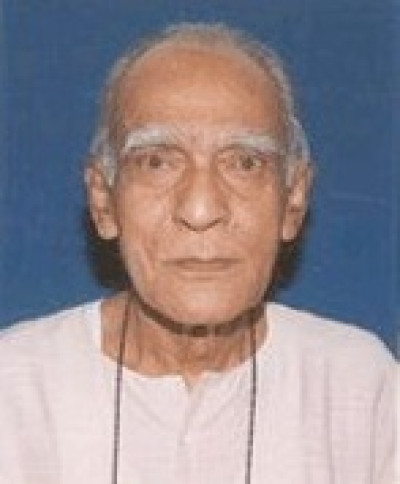
Life & Legacy
Early Life
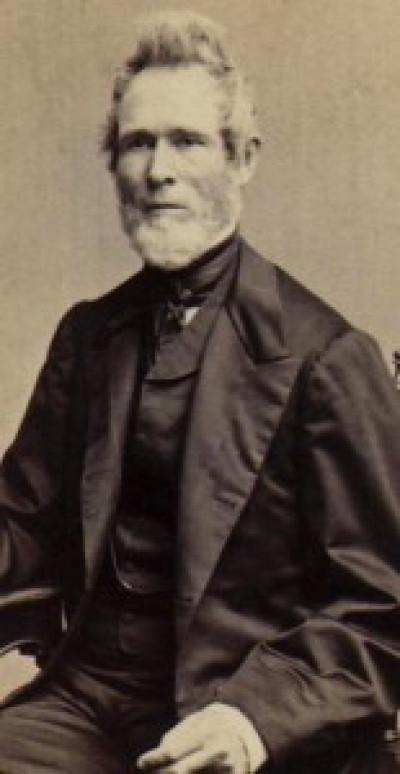
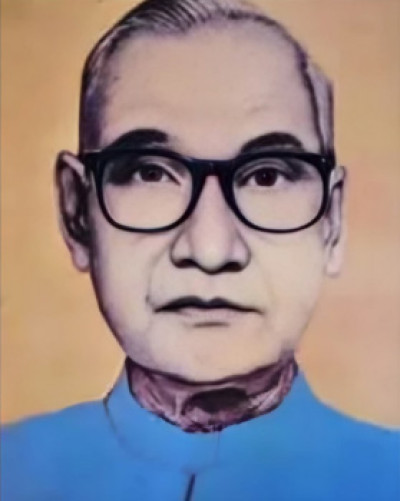
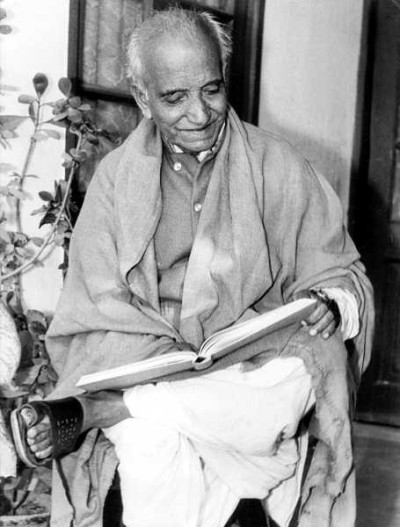
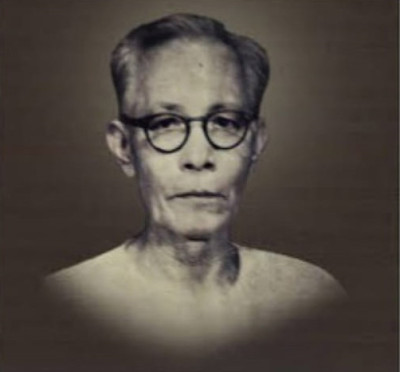
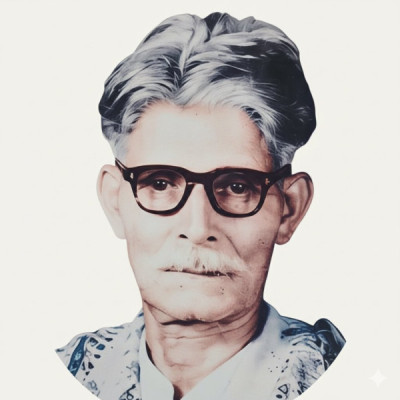
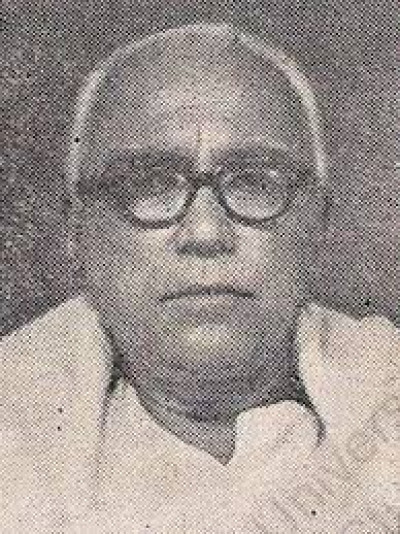
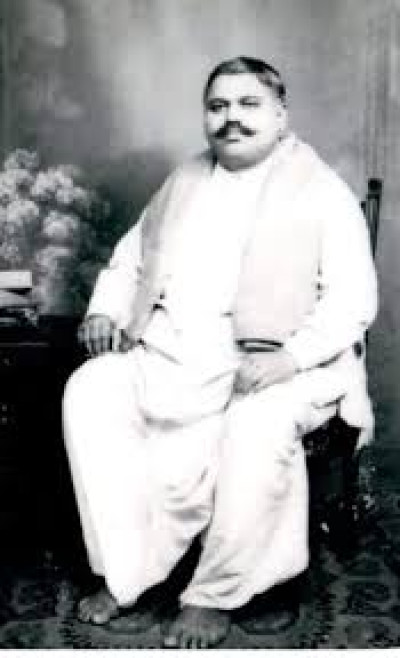
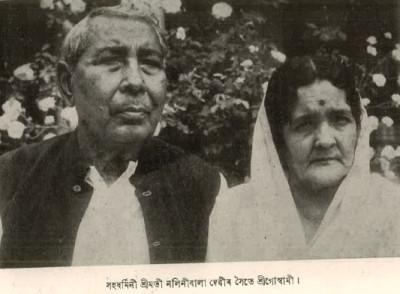
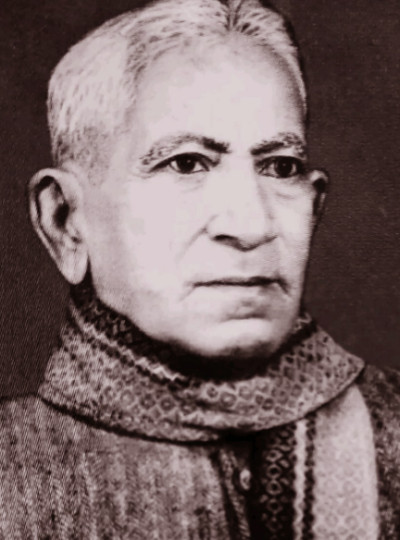
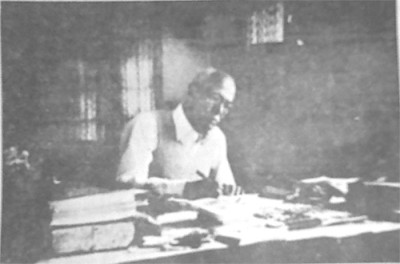
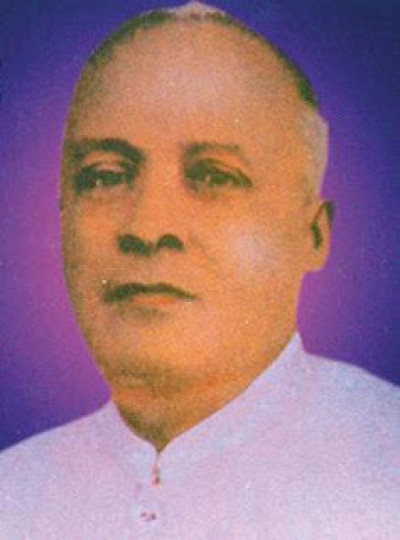
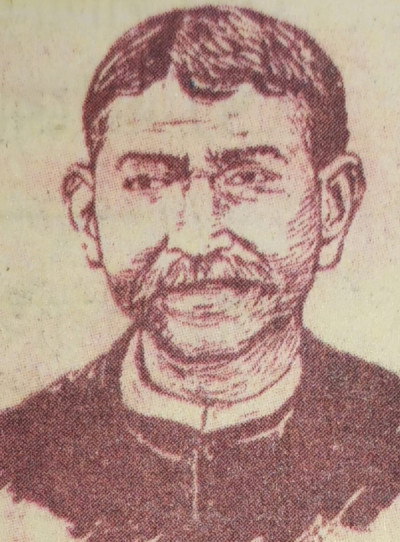
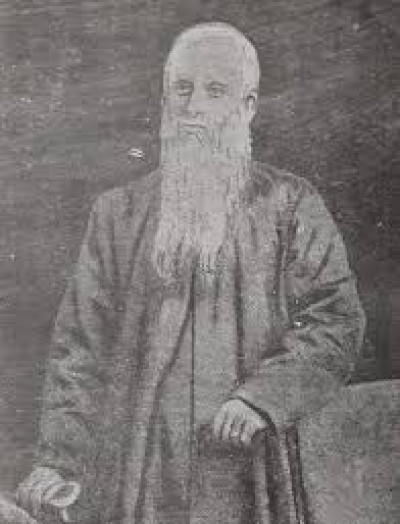
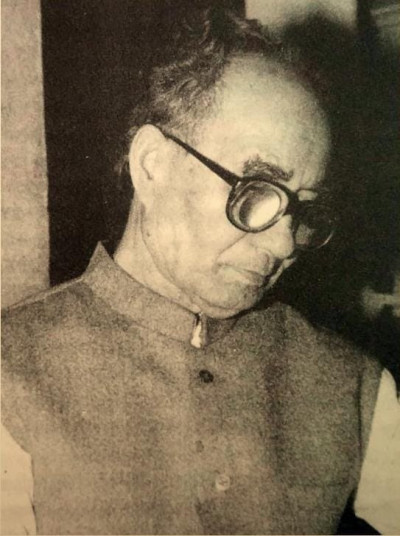
Pitambar Deva Goswami was born on 10 June 1885 in Majuli, Assam, to Chitrachandra Deva Goswami and Durgeshwari Devi. From an early age, he displayed exceptional interest in religion, philosophy, and learning. At the age of six, he entered the monastic order of Garamur Satra, where he began formal religious education. Growing up in the spiritually rich environment of the satra shaped his character and prepared him for a lifetime of public service.
Education
He received extensive education in Sanskrit grammar, philosophy, theology, literature, and Vaishnavite scriptures under the guidance of the renowned scholar Nityanandadeva Bhagawati Vidyavagish. Alongside traditional learning, he independently studied English, modern Assamese literature, Ayurveda, and Indian classical music. His broad knowledge enabled him to bridge traditional religious values with modern ideas and practical social reforms.
Becoming the Satradhikar
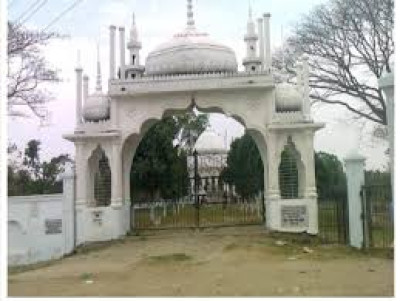
Following the death of Jogachandra Deva Goswami, Pitambar Deva Goswami became the Satradhikar of Garamur Satra in 1907 at a young age. Instead of limiting his responsibilities to religious affairs, he transformed the institution into a center for education, culture, agriculture, and social welfare. His leadership earned him widespread respect across Assam.
Social Reforms and Public Service
Pitambar Deva Goswami believed that true spirituality should improve society. He actively campaigned against child marriage and supported widow remarriage at a time when such ideas faced strong resistance. He worked for the removal of caste discrimination and untouchability and encouraged equal respect for every individual regardless of social background.
He promoted women's education and encouraged greater participation of women in cultural activities. In 1922, he established a theatre group that included both male and female performers, breaking long-standing social barriers in Assamese performing arts.
He also introduced agricultural reforms by encouraging scientific farming methods, improved cultivation practices, and greater self-reliance among rural communities. To support local farmers and economically weaker people, he established cooperative initiatives in Majuli that helped improve access to fair trade and financial assistance.
Contribution to Education
Education remained one of his highest priorities. After participating in India's freedom movement and serving imprisonment, he travelled extensively across the remote regions of present-day Karbi Anglong and other tribal areas. There he established more than twenty primary schools and encouraged children from tribal and marginalized communities to receive formal education. His educational initiatives greatly contributed to social development in rural Assam.
Role in India's Freedom Movement
Pitambar Deva Goswami actively supported India's struggle for independence. Inspired by Mahatma Gandhi's ideals of non-violence and self-rule, he participated in national movements and promoted patriotism among the people of Assam. His involvement in the Satyagraha movement led to his arrest in 1943, and he remained imprisoned for nearly two years under British rule. Even after his release, he continued serving society through education and social reform.
Literary Works
Besides being a spiritual leader, Pitambar Deva Goswami was also an accomplished writer. His important literary works include:
- Shrikrishna's Rasleela
- Assam Without Bloodshed Invasion
- Biography of Haridas
- Balichalan
- Origin of Seven Notes
- Partial translation and interpretation of Shrimad Bhagavat
He also edited the journal Sanatan Dharma Mukhopatra, promoting spiritual knowledge and social awareness through his writings.
Major Achievements
- Satradhikar of Garamur Satra from 1907.
- Introduced educational and agricultural reforms within the satra system.
- Campaigned against child marriage and supported widow remarriage.
- Worked for the abolition of untouchability and caste discrimination.
- Established cooperative institutions for economic development in Majuli.
- Founded theatre activities promoting cultural development.
- Opened more than 20 primary schools in tribal regions.
- Participated in India's freedom movement and endured imprisonment.
- Promoted Assamese culture, Vaishnavism, literature, music, and social harmony.
Awards and Recognition
Although many of his contributions came before the era of widespread civilian awards, Pitambar Deva Goswami is widely recognized as one of Assam's greatest spiritual reformers and educationists. His life has been celebrated through research publications, cultural programs, and the documentary Yugadrashta: The Visionary, which highlights his remarkable contributions to Assamese society.
Death
Pitambar Deva Goswami passed away on 20 October 1962. His passing marked the end of an extraordinary chapter in Assam's religious and social history. His teachings, reforms, and humanitarian ideals continue to inspire scholars, devotees, educators, and social workers across Assam.
Legacy
Pitambar Deva Goswami remains an enduring symbol of faith, compassion, education, and progressive thinking. His efforts strengthened the Vaishnavite tradition while embracing social equality, rural development, and cultural preservation. His life continues to inspire future generations to combine spirituality with service to humanity.
FAQs Pitambar Deva Goswami
1. Who was Pitambar Deva Goswami?
Pitambar Deva Goswami was a renowned spiritual leader, social reformer, educationist, writer, and freedom fighter from Assam who served as the Satradhikar of Garamur Satra.
2. When and where was Pitambar Deva Goswami born?
He was born on 10 June 1885 in Majuli, Assam.
3. What is Pitambar Deva Goswami famous for?
He is best known for introducing social reforms, promoting education, supporting rural development, and preserving the Vaishnavite traditions of Assam.
4. Which satra was led by Pitambar Deva Goswami?
He served as the Satradhikar of Garamur Satra in Majuli for several decades.
5. What social reforms did Pitambar Deva Goswami introduce?
He campaigned against child marriage and untouchability, supported widow remarriage, promoted women's education, and encouraged equal opportunities for marginalized communities.
6. Did Pitambar Deva Goswami participate in India's freedom movement?
Yes. He actively supported the freedom movement, participated in Satyagraha, and was imprisoned by the British for nearly two years.
7. What were the educational contributions of Pitambar Deva Goswami?
He established more than twenty primary schools in tribal regions and encouraged modern education alongside spiritual learning.
8. Which books were written by Pitambar Deva Goswami?
His notable works include Shrikrishna's Rasleela, Assam Without Bloodshed Invasion, Biography of Haridas, Balichalan, Origin of Seven Notes, and writings on Shrimad Bhagavat.
9. When did Pitambar Deva Goswami pass away?
He passed away on 20 October 1962.
10. Why is Pitambar Deva Goswami remembered today?
He is remembered for combining spirituality with education, social reform, rural development, and humanitarian service, leaving a lasting impact on Assam's cultural and religious heritage.