Life & Legacy
Early Life
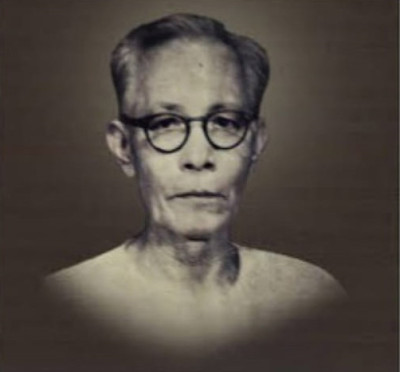
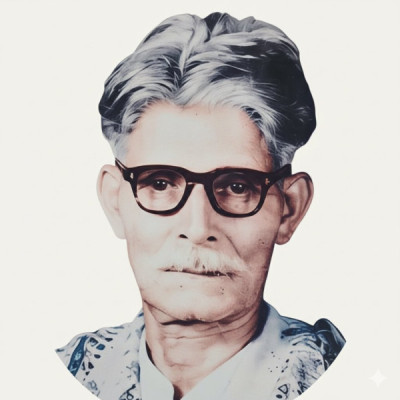
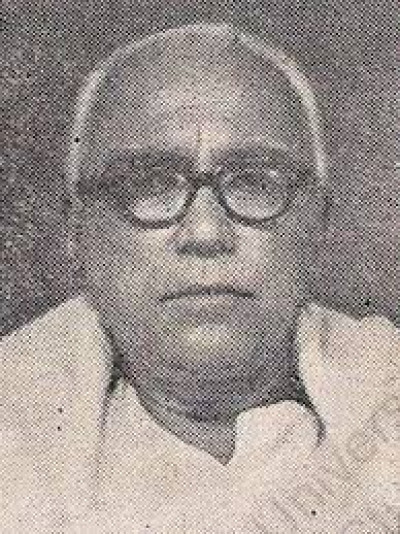
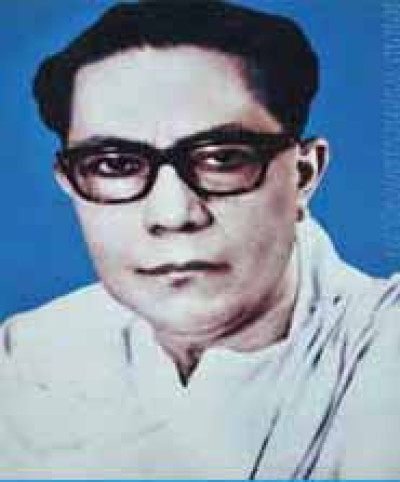
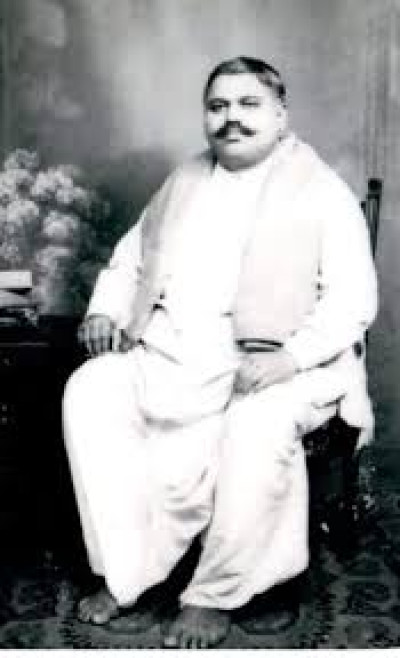
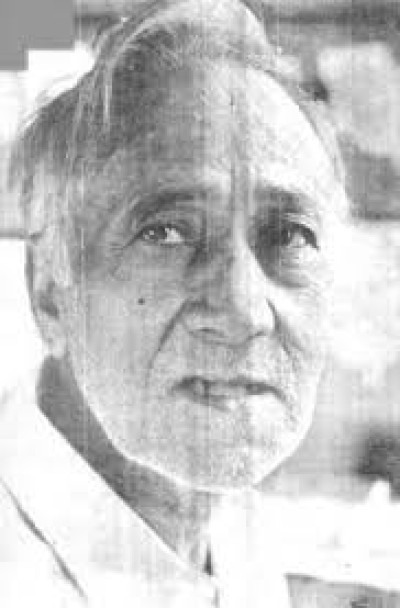
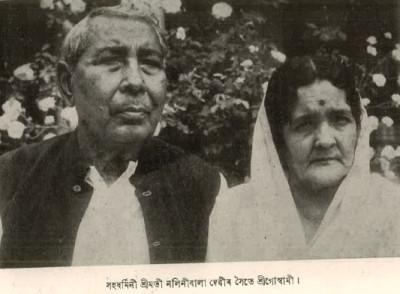
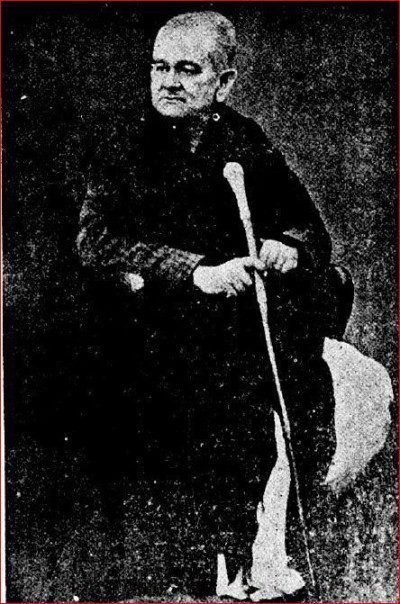
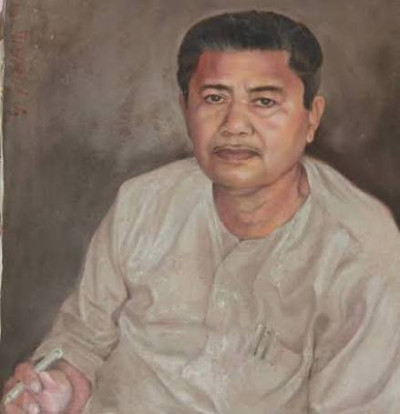
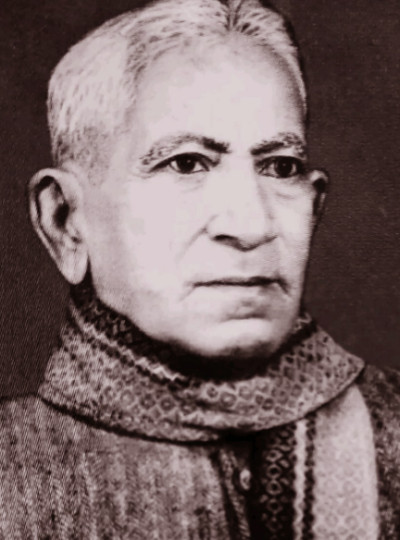
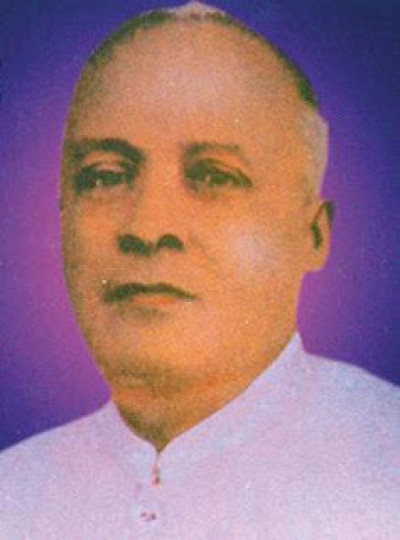
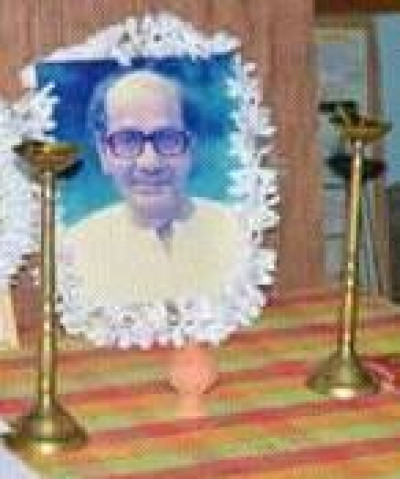
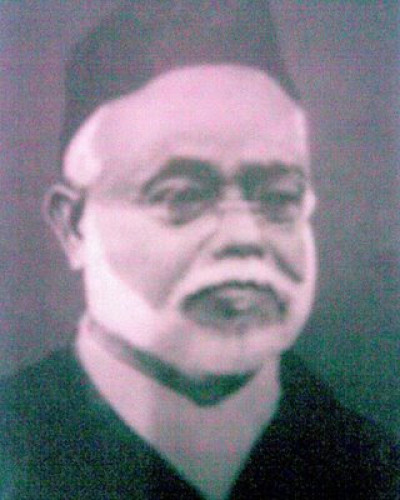
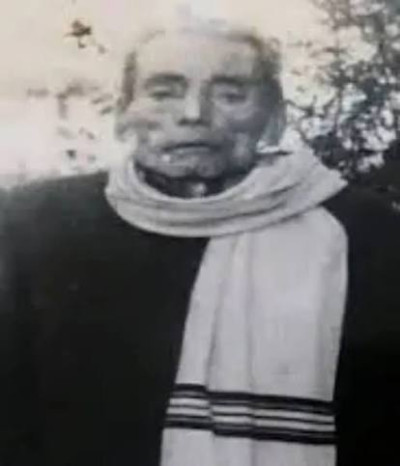
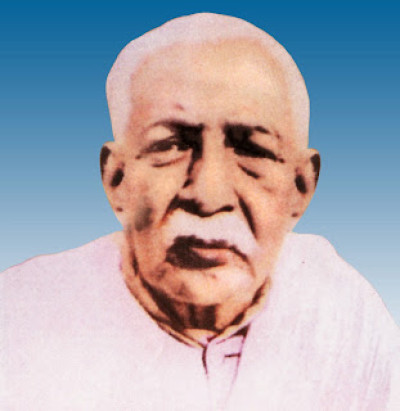
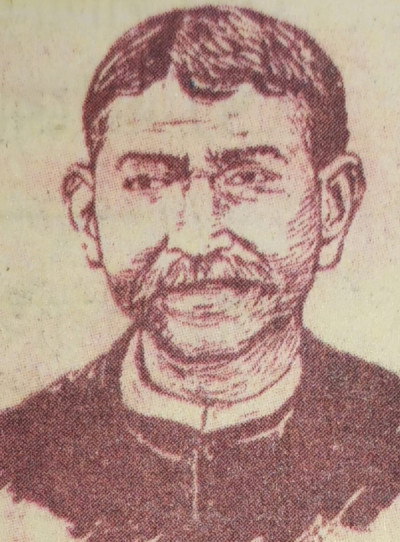
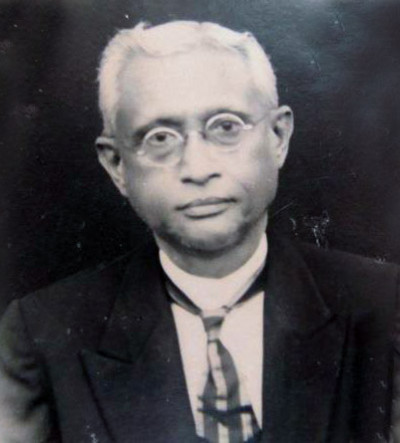
Chandradhar Baruah was born on 15 October 1874 in Jorhat, Assam. He was the son of Durgadhar Baruah and Premawati Devi. Raised in a family with strong cultural values, he developed an interest in literature and education from a young age. His passion for Assamese language and social service later shaped his successful literary and public career.
Education
He completed his early education in Jorhat and passed the Entrance Examination in 1892. He then moved to Calcutta and studied at the Metropolitan Institution, where he completed his First Arts (FA). Although he enrolled at St. Xavier's College for higher studies, the death of his father forced him to return to Assam before completing his degree. Later, he pursued legal studies and obtained a law degree in 1900, after which he began practicing as a lawyer.
Career
Chandradhar Baruah established himself as a successful lawyer in Jorhat before becoming involved in tea cultivation and public affairs. Alongside his professional career, he actively participated in politics and social development.
He became a member of the Assam Legislative Council in 1920 and was later elected to the Council of States in Delhi in 1928. In 1930, he represented Assam and India at the Round Table Conference in London, where he highlighted Assam's identity and participated in discussions concerning India's constitutional future and independence.
Positions Held
- Lawyer at Jorhat
- Tea Cultivator
- Member, Assam Legislative Council (1920)
- Member, Council of States, Delhi (1928)
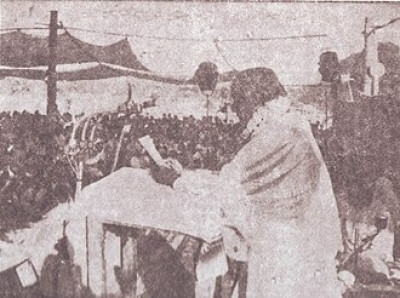
- Second President, Asam Sahitya Sabha (Goalpara Session, 1918)
- Founder Secretary and Editor of Asam Sahitya Sabha Patrika (1927-1936)
- Representative of Assam and India at the Round Table Conference, London (1930)
Contributions to Assamese Literature
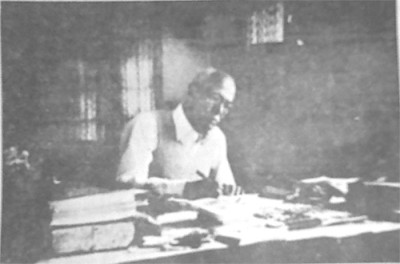
Chandradhar Baruah was among the leading writers of the Jonaki Era and made lasting contributions through poetry, drama, novels and literary compilations. His writings reflected Assamese culture, patriotism, history and social values. As the founding Secretary and Editor of the Asam Sahitya Sabha Patrika, he played an important role in promoting literary research and encouraging new writers.
One of his greatest scholarly contributions was the compilation of Ratnakosh, a collection of nearly 3,300 Assamese proverbs and idioms gathered from different parts of Assam over two decades. Although published after his death, the work remains a valuable reference for Assamese language and folklore.
Major Literary Works
Poetry Collections
- Ranjan
- Bidyut Bikash
- Kamrup Jiyori
- Muktaboli
Novels
- Shanti
Dramas
- Meghnad Badh
- Bhagya Pariksha
- Tilottama Sambhav
- Rajarshi
- Punorjanma
- Mughal Bijoy
- Ahom Sandhya
Compilation
- Ratnakosh (Collection of Assamese proverbs)
Achievements
- One of the leading literary personalities of the Jonaki Era.
- Served as the second President of the Asam Sahitya Sabha in 1918.
- Founder Secretary and Editor of Asam Sahitya Sabha Patrika.
- Represented Assam at the Round Table Conference in London in 1930.
- Made significant contributions to Assamese drama, poetry and prose.
- Compiled one of the largest collections of Assamese proverbs in Ratnakosh.
- Contributed to Assam's political, literary and cultural development.
Awards and Recognition
- Conferred the honorary title Sahitya Ratna by Kamrup Sanjivani Sabha in 1929 for his outstanding contribution to Assamese literature.
Legacy
Chandradhar Baruah occupies a distinguished place in the history of Assamese literature. His writings, editorial work and leadership in the Asam Sahitya Sabha helped strengthen Assamese literary traditions during a crucial period of cultural awakening. His dramas, poems and linguistic research continue to be studied by scholars, while Ratnakosh remains an important contribution to Assamese folklore and language.
Death
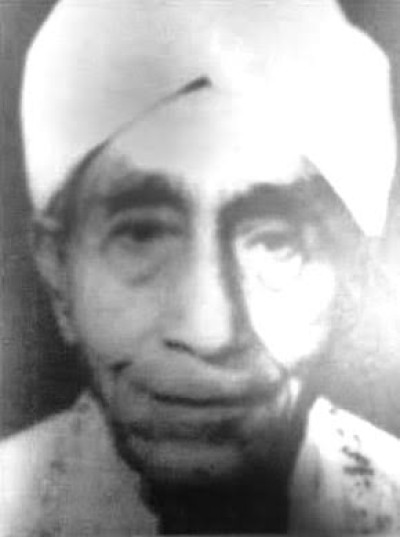
Chandradhar Baruah passed away on 26 October 1961 at the age of 87. His legacy continues to inspire writers, researchers and lovers of Assamese literature, and he is remembered as one of the architects of Assam's modern literary movement.
FAQs about Chandradhar Baruah