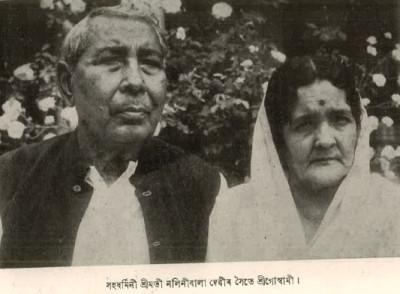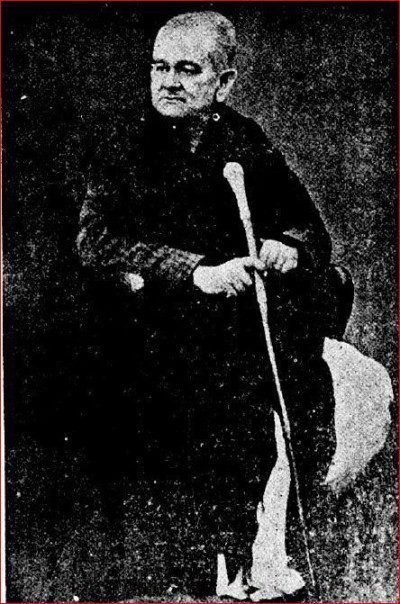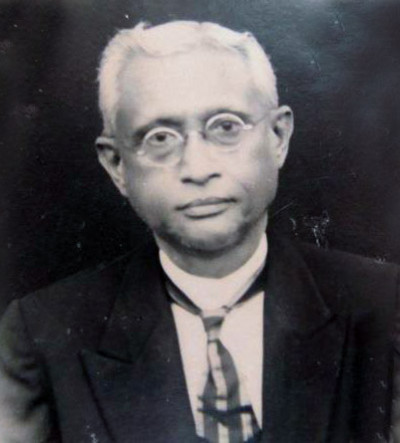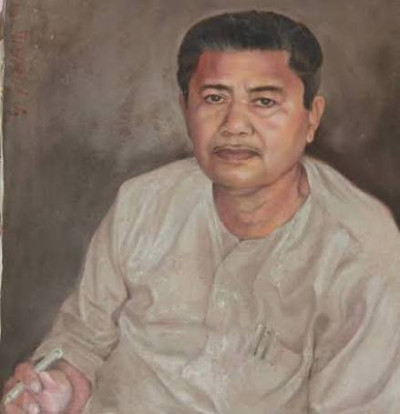
Life & Legacy
Early Life
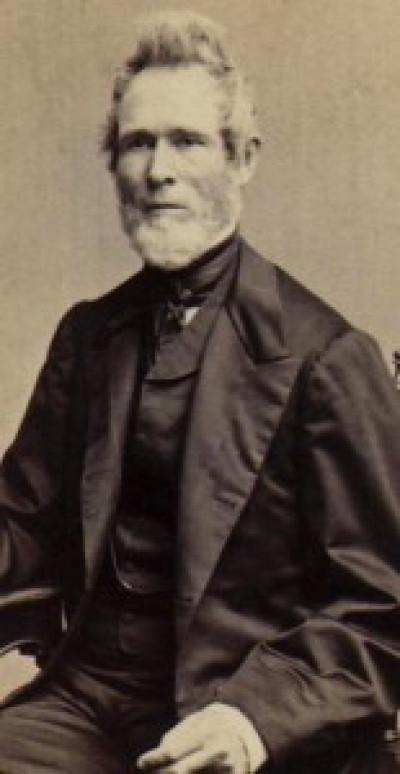
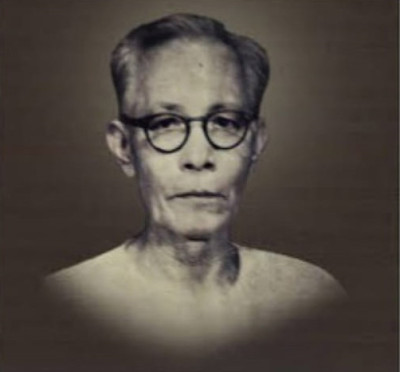
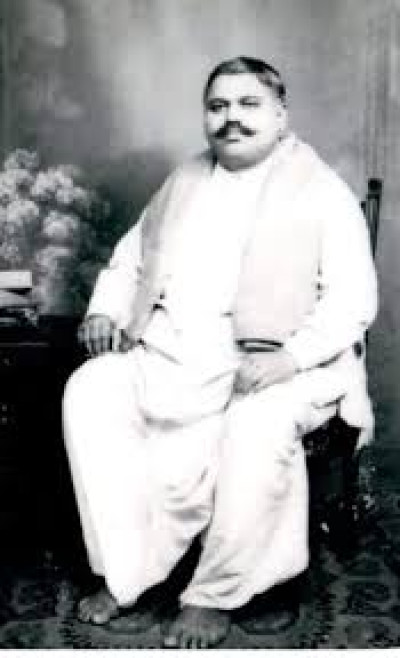
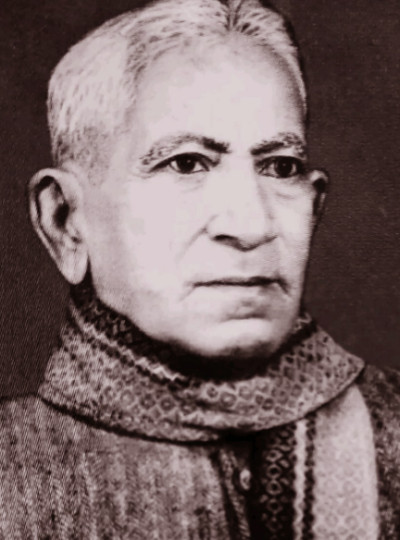
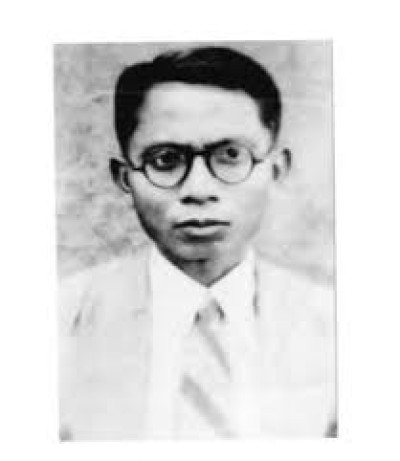
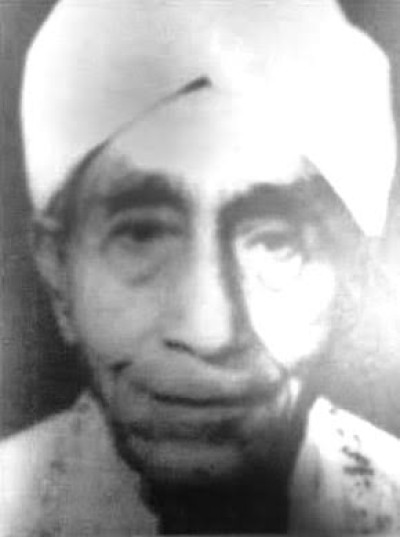
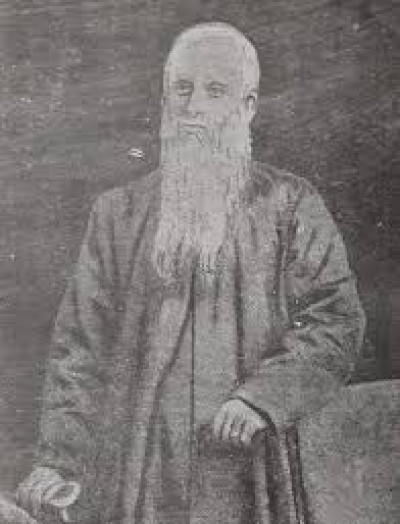
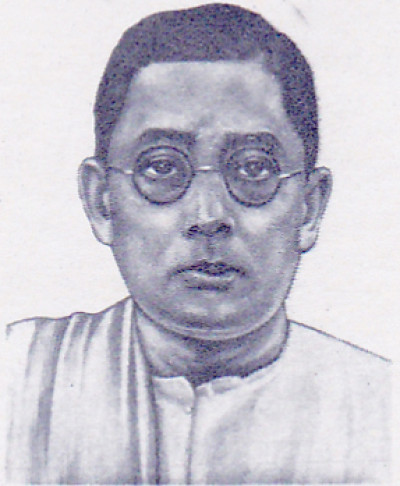
Amrit Bhushan Dev Adhikari was born in 1858 at Dolgoma Satra in the Goalpara district of Assam. He belonged to a respected Vaishnavite family with strong religious and literary traditions. His father was Kathabhusan Dev Adhikari, while his mother was Akashilata Devi. The family traced its roots to Naraharidev, the founder of the historic Dolgoma Satra, which played an important role in spreading the teachings of Neo-Vaishnavism in western Assam.
After the untimely death of his father, Amrit Bhushan Dev Adhikari was brought up under the care of his elder brother Rajendra Bhushan Dev Adhikari, who encouraged him to continue his education.
Education
He completed his early education in Assam before moving to Calcutta for higher studies. He enrolled at the General Assembly's Institution, now known as Scottish Church College. However, due to the sudden death of his elder brother during his third year of study, he had to discontinue his education and return to Assam. Despite this setback, he became a highly respected scholar of Sanskrit literature through self-study and lifelong dedication to learning.
Career
After returning to Assam, Amrit Bhushan Dev Adhikari began his teaching career as the Assistant Headmaster of Bezbaruah High School in Jorhat. He later joined the newly established High School at Gauripur in the same capacity, where he played an important role in promoting quality education among young students.
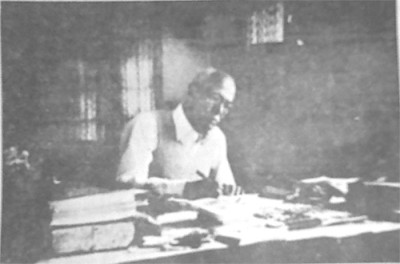
Along with his teaching profession, he devoted himself to literary activities and became a regular contributor to leading Assamese magazines such as Baahi and Abahan. Through his essays and articles, he promoted Assamese language, literature, history, and cultural awareness.
Contribution to Assamese Language and Literature
Amrit Bhushan Dev Adhikari lived during a period when the Assamese language faced serious challenges in several parts of Assam. He strongly supported the preservation of Assamese linguistic identity and actively opposed attempts to weaken the status of the language in Goalpara and adjoining regions.
His articles reflected deep knowledge of Assamese culture, Sanskrit literature, and Vaishnavite philosophy. He believed that literature should preserve the cultural heritage of society while remaining accessible to ordinary readers.
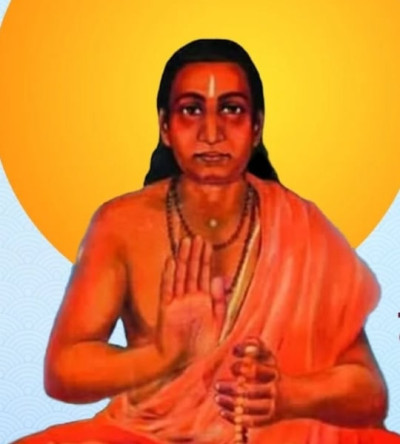
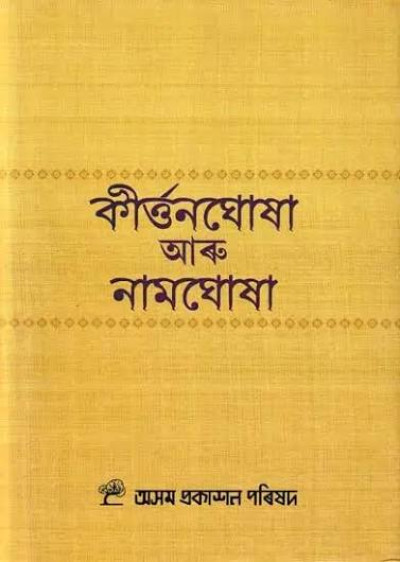
One of his most significant literary contributions was the publication of Srimon Nam Ghukha in 1911, a simplified version of Madhavdeva's sacred Nam Ghosha. The work helped common readers understand one of the most important devotional texts of Assamese Vaishnavism and became popular among devotees and students alike.
Leadership in Asam Sahitya Sabha
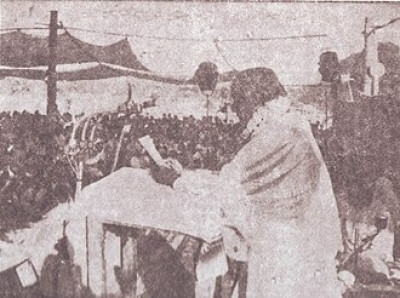
Amrit Bhushan Dev Adhikari was elected President of the fifth session of the Asam Sahitya Sabha, held at Jorhat in March 1923. His leadership strengthened the Sabha's mission of promoting Assamese literature, encouraging original writing, and preserving the cultural identity of Assam. His presidential address emphasized the importance of education, language preservation, and literary development for future generations.
Major Works
Srimon Nam Ghukha (1911), a simplified version of Madhavdeva's Nam Ghosha
Numerous literary essays published in Baahi
Articles published in Abahan
Research-based writings on Assamese language, literature, and culture
Positions Held
Assistant Headmaster, Bezbaruah High School, Jorhat
Assistant Headmaster, Gauripur High School
President, 5th Session of Asam Sahitya Sabha (Jorhat, 1923)
Regular contributor to Baahi and Abahan magazines
Achievements
Promoted and protected Assamese language and literary identity.
Made Vaishnavite literature more accessible through simplified devotional texts.
Strengthened Assamese literary movements through journalism and public writing.
Led the Asam Sahitya Sabha during an important phase of its development.
Inspired future generations through education and literary service.
Awards and Recognition
Although there is no record of major government awards, Amrit Bhushan Dev Adhikari earned widespread respect as a distinguished Sanskrit scholar, educator, literary leader, and President of the Asam Sahitya Sabha. His contributions continue to be remembered in the history of Assamese literature and cultural preservation.
Death
Amrit Bhushan Dev Adhikari passed away in 1942 after dedicating his life to education, literature, and the promotion of Assamese language. His writings and literary leadership continue to inspire scholars and readers interested in the rich heritage of Assam.
Legacy
Amrit Bhushan Dev Adhikari remains one of the important literary personalities of Assam who combined scholarship with public service. His efforts to simplify classical literature, strengthen Assamese identity, and encourage literary growth helped shape modern Assamese intellectual history. His contributions continue to be valued by students, researchers, and lovers of Assamese literature.
FAQs about Amrit Bhushan Dev Adhikari
1. Who was Amrit Bhushan Dev Adhikari?
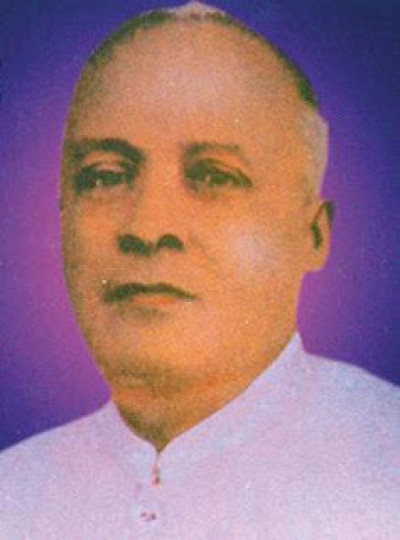
Amrit Bhushan Dev Adhikari was an Assamese writer, Sanskrit scholar, educationist, and literary organizer who played an important role in promoting Assamese language and literature during the early twentieth century.
2. When was Amrit Bhushan Dev Adhikari born?
He was born in 1858 at Dolgoma Satra in the Goalpara district of Assam.
3. Why is Amrit Bhushan Dev Adhikari famous?
He is known for his literary writings, educational contributions, simplified version of Nam Ghosha, and for serving as President of the Asam Sahitya Sabha in 1923.
4. Which book was written by Amrit Bhushan Dev Adhikari?
His best-known work is Srimon Nam Ghukha (1911), a simplified version of Madhavdeva's Nam Ghosha.
5. What position did Amrit Bhushan Dev Adhikari hold in Asam Sahitya Sabha?
He served as the President of the fifth session of the Asam Sahitya Sabha held at Jorhat in 1923.
6. Where did Amrit Bhushan Dev Adhikari study?
He studied at the General Assembly's Institution, now known as Scottish Church College, in Calcutta, although he could not complete his graduation.
7. Which magazines published his writings?
His essays and articles were regularly published in leading Assamese magazines such as Baahi and Abahan.
8. What were Amrit Bhushan Dev Adhikari's major contributions?
He promoted Assamese language, simplified Vaishnavite devotional literature, served as an educator, and strengthened Assamese literary organizations.
9. Did Amrit Bhushan Dev Adhikari receive any awards?
There are no confirmed records of major government awards, but he was widely respected as a scholar, literary leader, and educator in Assam.
10. When did Amrit Bhushan Dev Adhikari pass away?
Amrit Bhushan Dev Adhikari passed away in 1942, leaving behind a lasting legacy in Assamese literature, education, and cultural preservation