Life & Legacy
Early Life and Birth
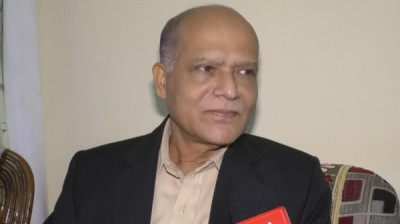
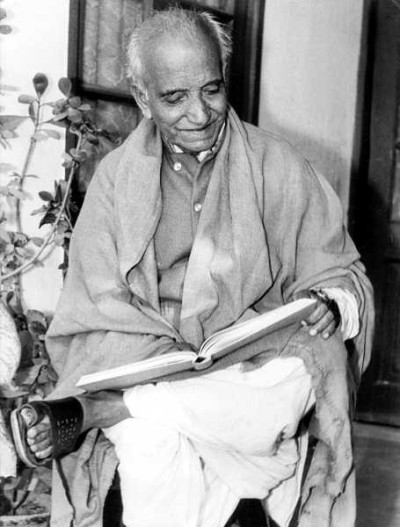
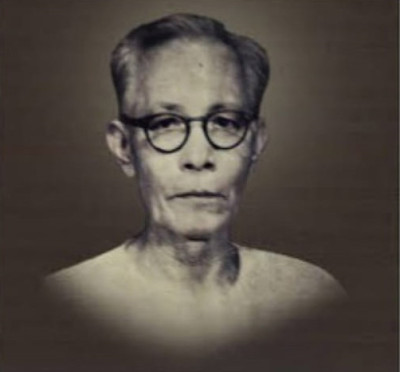
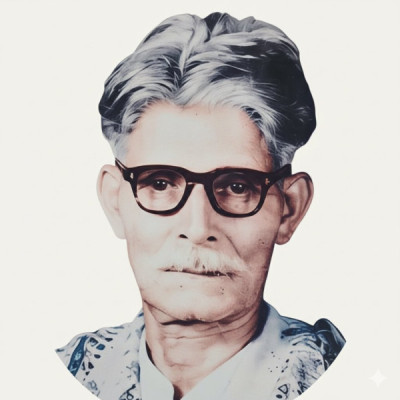
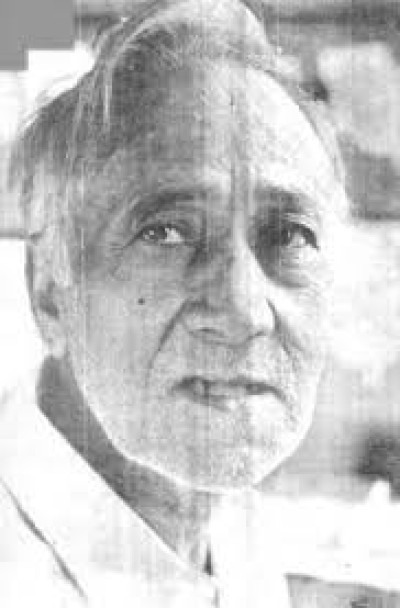
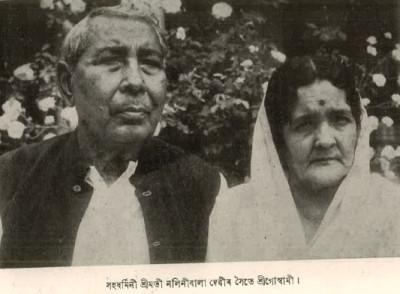
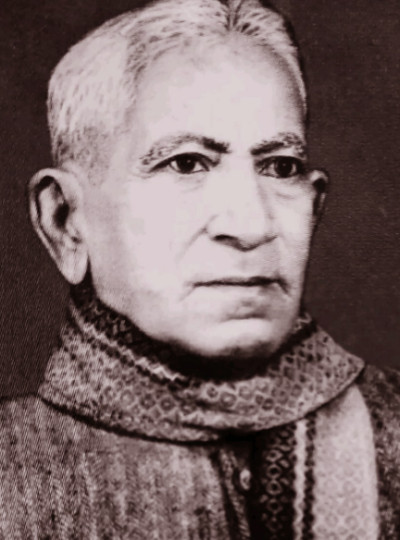
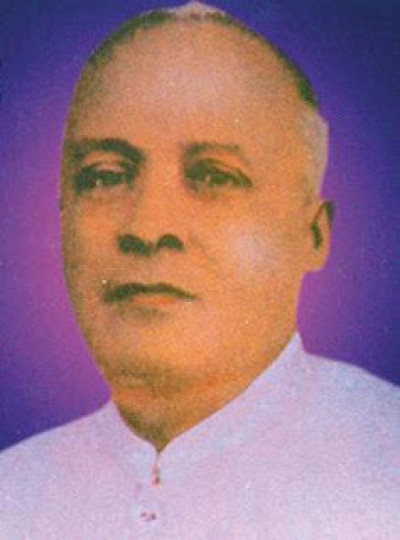
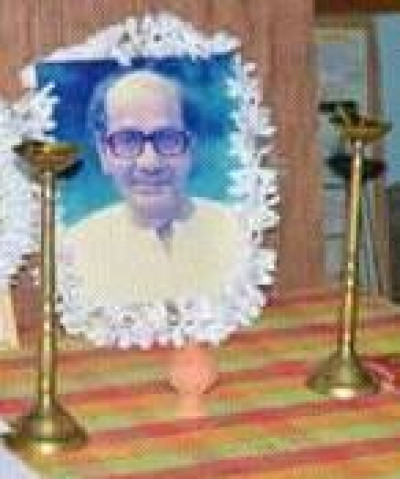
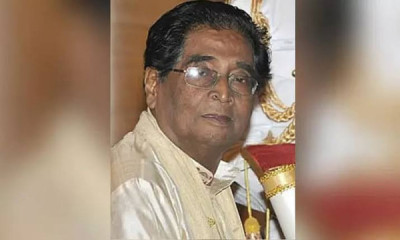
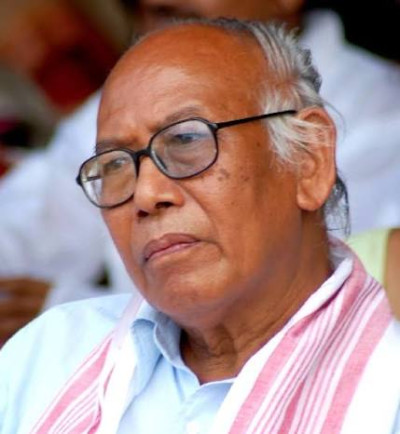
Jatindra Nath Goswami was born on 12 November 1918 at Teok in Jorhat district, Assam. He was born into the Jagannathiya Gosain household of Nepali Satra. His father was Prankrishna Goswami and his mother was Narmada Devi. After losing his mother at an early age, he continued his education while staying with his maternal relatives in Tinsukia. His early experiences and academic interests later developed into a lifelong association with Assamese language, literature and education.
Education
Goswami completed his early schooling in Assam and passed the matriculation examination from Chenairam High School in 1937. He completed his Intermediate studies from Jorhat College in 1939 and later pursued higher education outside Assam. He obtained a B.T. degree from St. Edmund's College in Shillong. In 1950, he earned a Master's degree in Modern Indian Languages from Calcutta University as a private candidate. His academic background in language and education became an important foundation for his later career as a teacher, author, editor and literary scholar.
Professional Career
Jatindra Nath Goswami began his professional career in the early 1940s. In 1941, he joined the Military Engineering Service and worked in places including Shillong, Jorhat and Guwahati before leaving the service in 1945. He briefly worked at Chaliha Rolling Mills in Calcutta before turning towards education.
In 1946, he became the Headmaster of Laban Boys' Middle English School in Shillong. The following year, he joined Tura Government High School as an Assistant Teacher. He was later transferred to Dibrugarh Government Boys' School and also served as a part-time lecturer at Kanai College, Dibrugarh.
In 1951, Goswami moved to Jorhat Normal School, where he taught for several years. He also contributed to teacher-training institutions and colleges in Jorhat. In 1962, he joined the Assamese Department of Jagannath Baruah College, where he continued his academic career until his retirement in 1980. His career as an educator allowed him to influence students while continuing his literary activities.
After retirement, he remained associated with education and literature and later taught at Jorhat College of Teacher Education. His professional life therefore combined teaching, literary scholarship, editing and cultural organisation.
Association with Asam Sahitya Sabha
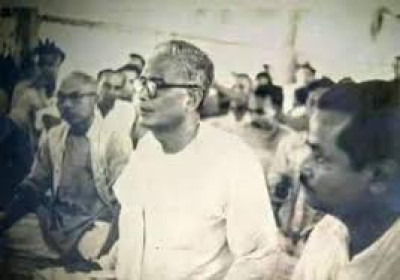
Jatindra Nath Goswami became associated with the Asam Sahitya Sabha from 1953 and remained an active member of the organisation for many years. Between 1959 and 1973, he served as its General Secretary during several important sessions. He also served as editor of the Sabha's journal during 1961-62 and later held the position of Vice-President in 1974-75.
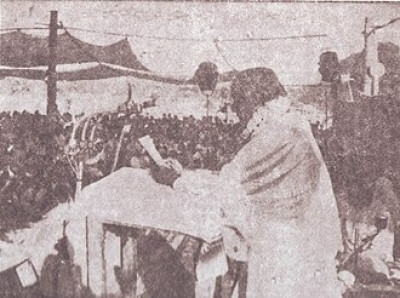
His involvement with the organisation reached a major milestone when he became president of the 47th annual session of the Asam Sahitya Sabha held at Raha in Nagaon district in 1980. His leadership reflected his standing among Assamese literary and educational circles. In 1997, the Asam Sahitya Sabha conferred upon him the respected title 'Sahityacharya' for his contribution to Assamese literature.
Literary Contributions
Jatindra Nath Goswami was a versatile writer whose literary activities included biography, literary history, essays, educational writing, editing, translation and compilation. His works demonstrate a sustained interest in Assamese literary heritage and the lives and contributions of important figures.
Among his notable books are Asomiya Sahityar Chamu Buronji, a concise history of Assamese literature; Shiksha Manobigyanar Abhas, which deals with educational psychology; and biographical works on prominent Assamese personalities such as Lakshminath Bezbarua, Jagannath Baruah, Hemchandra Baruah and Anandaram Dhekial Phukan.
Major Books and Literary Works
Kalika Loga Sisa (1950)
Dasyu Samrat (1951)
Jagannath Baruah (1951)
Mouchak (1957)
Asomiya Sahityar Chamu Buronji (1957)
Anandaram Dhekial Phukan (1959)
Rajyik Bhasha Asomiya (1959)
Shiksha, Manobigyan Abhas (1960)
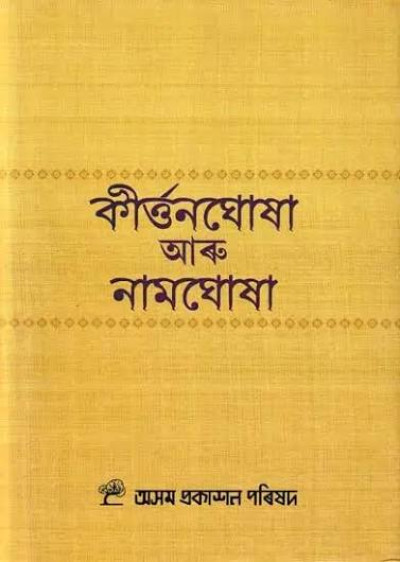
Kirtan Ghosha (1961)
Balichalan (1961)
Bhim Charit (1961)
Ashwakarn Badh (1961)
Mor Jibon Sowaran (1961)
Namdev (1980)
Matribhasha Shikshan (1964)
Sahitya Chinta (1971)
Asom Sahitya Sabha Bhashanawali (1973)
Asom Sahitya Sabha Prakashanar Barnanamulik Talika (1977)
Mem (1978)
Anandachandra Agarwala Rachanawali (jointly, 1979)
Bezbarua Granthawali (1979)
Chandradhar Baruah Rachanawali (jointly, 1979)
Prabandha Pahi (1979)
Panipath - Sarat Chandra Goswami (1987)
Asomiya Sadhu Katha - Sarat Chandra Goswami (1987)
Bhashar Oja Hemchandra Baruah (1985)
Kshetradhar Borgohain Prabandha Sankalan (1985)
Krishnakanta Sandikoi Rachana Sambhar (1986)
Sarat Chandra Goswami Rachanawali (1987)
Bezbaruar Rachanawali (Vol. 3)
Panjara Para Prasad Loi (1987)
Jagaran aru Jonak (1989)
Desh Hitoishi Jagannath Baruah (1991)
Nakulchandra Bhuyan Rachana Samagra (1996)
Kumudeswar Barthakur Rachanawali
He also wrote under different pseudonyms and produced the autobiographical work Jibon Khola-Boma. His editorial and compilation activities helped preserve and organise the writings of several important Assamese authors. His work in literary history and biography also provided readers with accessible accounts of Assamese intellectual and cultural heritage.
Editorial and Organisational Work
Apart from his own writings, Goswami played an important role as an editor and compiler. He edited and helped prepare collections associated with major Assamese literary figures. His association with the Asam Sahitya Sabha also included editorial responsibilities for its journal and participation in various literary conferences and organisations.
His literary and educational activities were not limited to writing books. He was connected with college bodies, teachers' organisations and educational institutions, contributing to the broader development of Assamese education and literary culture.
Achievements and Recognition
One of Jatindra Nath Goswami's most significant achievements was his election as president of the Asam Sahitya Sabha's Raha session in 1980. His long association with the organisation demonstrated his importance in Assamese literary circles.
The Asam Sahitya Sabha honoured him with the title 'Sahityacharya' in 1997. This recognition reflected his extensive contribution as a writer, editor, biographer, teacher and literary organiser.
He was also remembered for his association with several literary and educational institutions, including Jagannath Baruah College and the Asam Sahitya Sabha. A commemorative volume containing a selection of his essays was published around his 85th birthday, reflecting the continuing interest in his intellectual and literary contribution.
Later Life and Death
Jatindra Nath Goswami remained connected with literary and religious-cultural activities during his later years. He was serving as the Deka-Satradhikar of the historic Nepali Satra at Teok when he passed away in November 2005. The supplied reference sources give two different dates of death, 6 November 2005 and 7 November 2005; therefore, the date should be verified against the preferred authoritative source before publishing a definitive date.
Legacy
Jatindra Nath Goswami occupies an important place among the Assamese literary personalities of the twentieth century. His contribution was distinctive because he combined teaching, writing, editing, biography, literary history and institutional service. Through his books and editorial work, he helped document the lives and writings of important Assamese authors and contributed to the understanding of Assamese literary history.
His leadership in the Asam Sahitya Sabha, particularly his presidency of the 1980 Raha session and the later conferment of the Sahityacharya title, further established his place in Assam's literary heritage. His works continue to be relevant for readers and students interested in Assamese literature, literary history, education and the cultural development of Assam.
FAQs about Jatindra Nath Goswami
Who was Jatindra Nath Goswami?
Jatindra Nath Goswami was a prominent Assamese writer, editor, biographer, teacher and literary organiser known for his contribution to Assamese literature and education.
When was Jatindra Nath Goswami born?
Jatindra Nath Goswami was born on 12 November 1918 at Teok in Jorhat district of Assam.
What was Jatindra Nath Goswami famous for?
He was known for his literary works, biographies, editing, teaching and long association with the Asam Sahitya Sabha.
When did Jatindra Nath Goswami become president of Asam Sahitya Sabha?
He became president of the 47th annual session of the Asam Sahitya Sabha held at Raha in Nagaon district in 1980.
What title did Asam Sahitya Sabha give Jatindra Nath Goswami?
The Asam Sahitya Sabha honoured him with the title 'Sahityacharya' in 1997.
Where did Jatindra Nath Goswami complete his higher education?
He studied at institutions including Jorhat College and St. Edmund's College, Shillong, and obtained his Master's degree from Calcutta University in 1950.
What are some important books by Jatindra Nath Goswami?
Some notable works include Asomiya Sahityar Chamu Buronji, Shiksha, Manobigyan Abhas, Sahitya Chinta, Jagaran aru Jonak and several biographies and edited literary collections.
Where did Jatindra Nath Goswami work as a teacher?
He taught at several educational institutions, including Jorhat Normal School, Dibrugarh Government Boys' School, Kanai College, Jagannath Baruah College and other teacher-training institutions.
What was Jatindra Nath Goswami's contribution to Assamese literature?
His contribution included literary history, biographies, essays, educational writing, editing, translation and preservation of important Assamese literary works.
When did Jatindra Nath Goswami die?
Jatindra Nath Goswami died in November 2005. The supplied reference material gives both 6 November and 7 November 2005, so the exact date should be verified from an authoritative record before publication.