Life & Legacy
Early Life
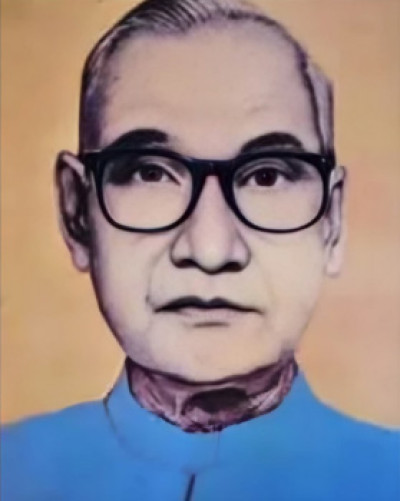
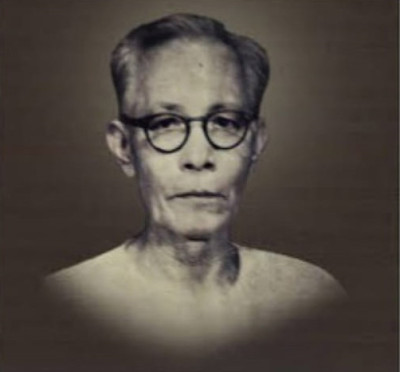
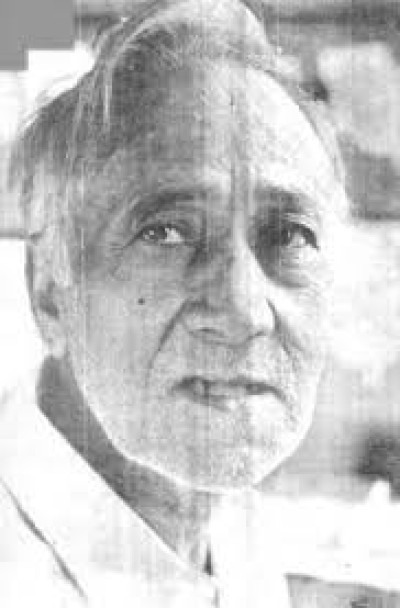
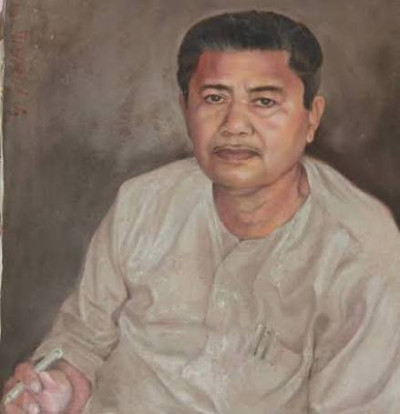
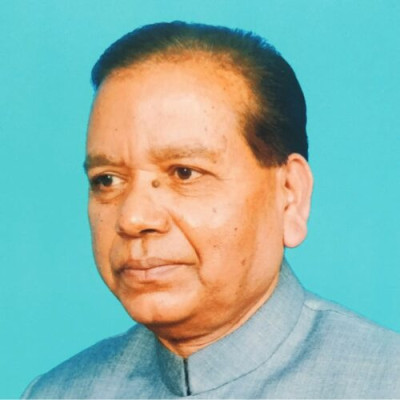
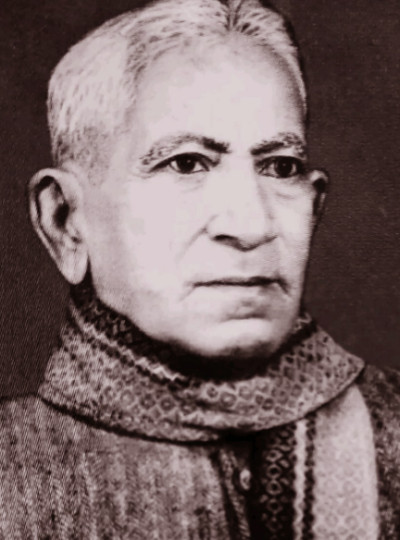
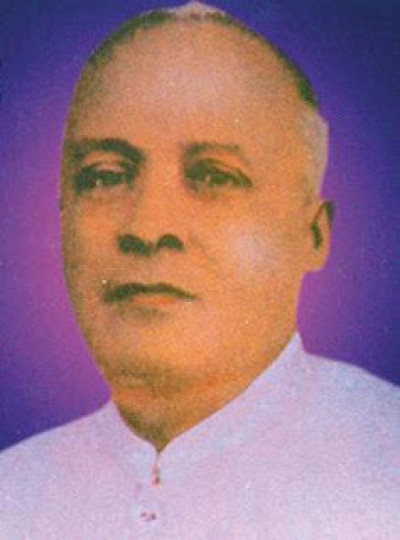
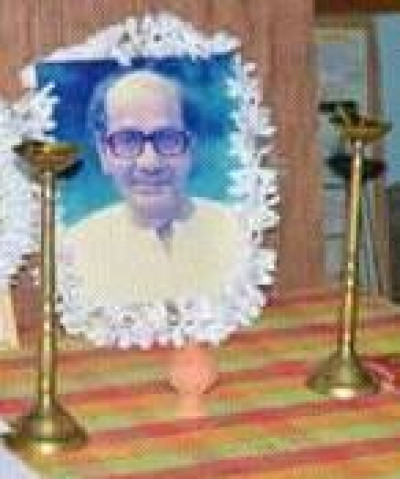
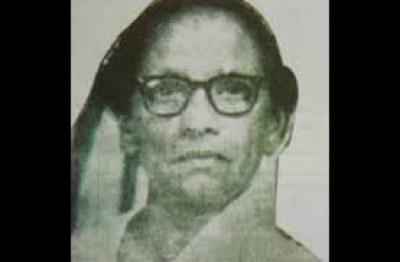
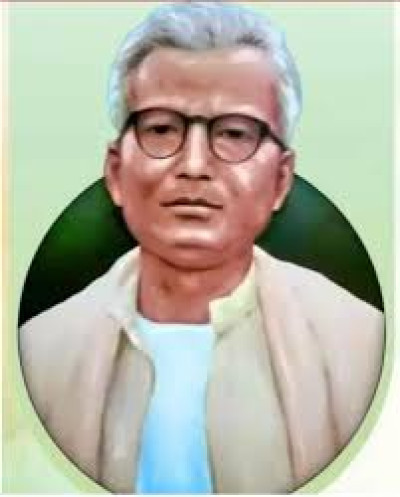
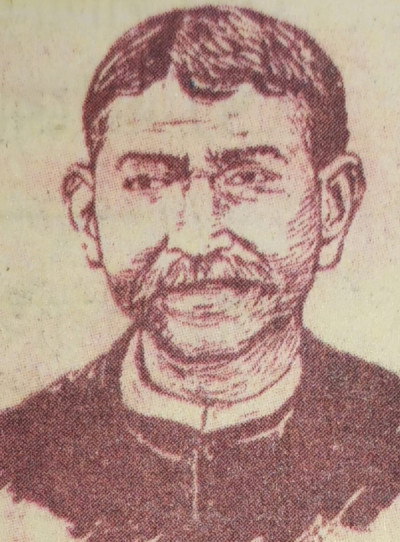
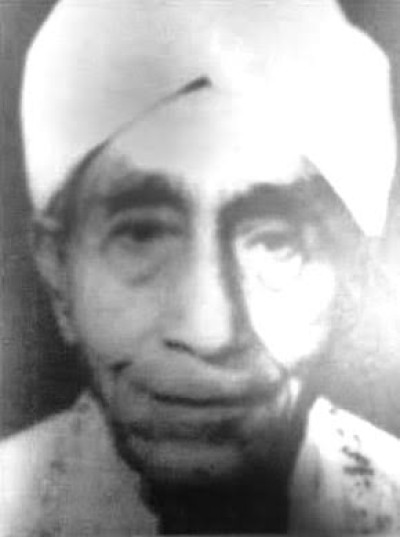
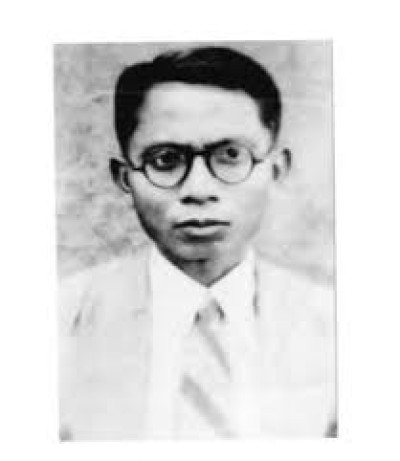
Semsonsing Ingti was born on 8 February 1910 into a Karbi family. He was the son of Thengkursing Ingti and Roth Timungpi. From an early age, he displayed exceptional academic ability and a strong desire to uplift his community through education and social service. He completed his primary education at Golaghat Mission Primary School and later studied at Bezbaruah High School, Golaghat, where he passed the matriculation examination in 1928.
Education
After completing school, Semsonsing Ingti joined Cotton College in Guwahati for higher studies. Due to financial hardships, he later continued his education at Murarichand College, Sylhet, from where he graduated in 1933. He became only the second graduate from the Karbi community, a remarkable achievement during that period. His education strengthened his vision of using knowledge as a tool for social transformation.
Career and Public Service
Semsonsing Ingti joined government service as a School Inspector under the British administration. During his tenure, he travelled extensively across the Mikir Hills, now known as Karbi Anglong, encouraging education among remote tribal communities. He promoted the establishment of primary schools and believed that education was essential for social progress.
Recognizing the shortage of learning materials in the Karbi language, he authored educational books to help children receive instruction in their mother tongue. His efforts greatly contributed to the development of Karbi language education and literacy.
Later, he resigned from government service to dedicate himself entirely to public welfare and community leadership. His decision reflected his lifelong commitment to serving society rather than pursuing personal success.
Contribution to the Karbi Community
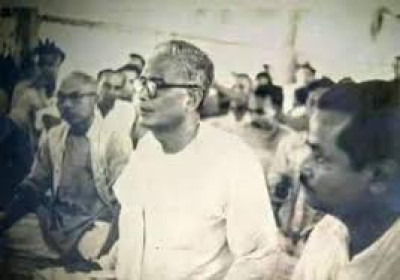
Semsonsing Ingti played a historic role in uniting the Karbi people under a common identity. In 1943, he became the Secretary of the Karbi A-Dorbar, a socio-political organization established to safeguard the interests of the Karbi community. Under his leadership, the organization actively represented the aspirations of the Karbi people before the Government of Assam and the Government of India.
He strongly advocated for the creation of a separate administrative district for the Karbi people. His persistent efforts contributed to the establishment of the committee formed by Chief Minister Gopinath Bordoloi in 1948 to demarcate the North Cachar and Mikir Hills district. This initiative eventually became a significant milestone in the history of present-day Karbi Anglong.
Apart from political leadership, Semsonsing Ingti also campaigned against the widespread practice of opium consumption within the community. Through awareness campaigns and social reforms, he encouraged healthier lifestyles and worked to improve the overall well-being of the Karbi people.
Literary Contributions
Semsonsing Ingti was also a pioneering writer who understood the importance of preserving language and culture through literature. His publications helped introduce formal education in the Karbi language and encouraged the younger generation to value their linguistic heritage.
Some of his notable books include:
- Bituso Akitap
- Kalakha Akitap
These books became valuable educational resources for Karbi students and contributed significantly to the growth of Karbi literature.
Major Achievements
- Among the earliest educated leaders of the Karbi community.
- Second graduate from the Karbi community.
- Promoted education in the Mikir Hills region.
- Authored important textbooks in the Karbi language.
- Led the movement for the formation of a separate district for the Karbi people.
- Served as Secretary of Karbi A-Dorbar.
- Campaigned against opium addiction and promoted social reforms.
- Played a major role in preserving Karbi identity, culture, and language.
- Inspired generations of tribal leaders, scholars, and social reformers.
Positions Held
- School Inspector under the British Government.
- Secretary, Karbi A-Dorbar.
- Member of the committee constituted for demarcating North Cachar and Mikir Hills district.
Awards and Recognition
Although Semsonsing Ingti did not receive major national awards during his lifetime, he is widely honoured as:
- Father of the Karbi People.
- Visionary of Modern Karbi Anglong.
- Pioneer of Karbi social and educational reforms.
- One of the foremost architects of Karbi identity and political consciousness.
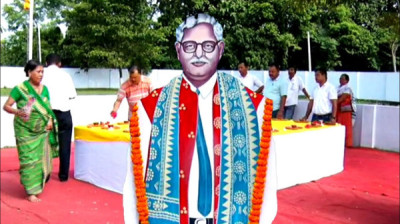
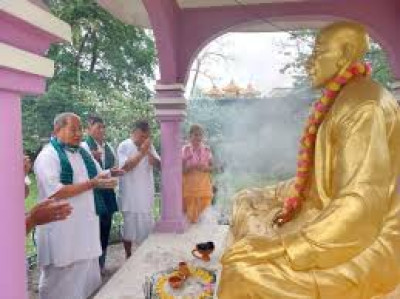
His contributions continue to be commemorated through educational programs, memorial lectures, and public events across Karbi Anglong and Assam.
Books Written
- Bituso Akitap
- Kalakha Akitap
Death
Semsonsing Ingti passed away on 28 February 1948 before witnessing the realization of many of his dreams for the Karbi people. Despite his untimely death, his vision continued to inspire future generations. Today, he is remembered as one of Assam's greatest tribal leaders whose dedication to education, social reform, and community development transformed the history of Karbi Anglong.
FAQs about Semsonsing Ingti
1. Who was Semsonsing Ingti?
Semsonsing Ingti was an Assamese social reformer, educationist, writer, and political leader who is widely known as the Father of the Karbi People for his contributions to the development of the Karbi community.
2. Why is Semsonsing Ingti called the Father of the Karbi People?
He earned this title because he united the Karbi community, promoted education, encouraged social reforms, and worked tirelessly for the creation of a separate administrative district for the Karbis.
3. When was Semsonsing Ingti born?
Semsonsing Ingti was born on 8 February 1910.
4. When did Semsonsing Ingti die?
He passed away on 28 February 1948.
5. What were the major contributions of Semsonsing Ingti?
His major contributions include promoting education, writing textbooks in the Karbi language, leading social reforms, establishing Karbi A-Dorbar, and advocating for Karbi Anglong.
6. Which books were written by Semsonsing Ingti?
His notable books include Bituso Akitap and Kalakha Akitap.
7. What position did Semsonsing Ingti hold during his career?
He served as a School Inspector under the British Government and later became Secretary of the Karbi A-Dorbar.
8. How did Semsonsing Ingti contribute to education?
He encouraged the establishment of schools in remote Karbi areas and prepared educational books in the Karbi language for students.
9. What social reforms were introduced by Semsonsing Ingti?
He campaigned against opium addiction, promoted literacy, encouraged community unity, and worked for the overall development of the Karbi society.
10. Why is Semsonsing Ingti remembered today?
He is remembered for his visionary leadership, educational reforms, preservation of Karbi identity, and lifelong dedication to the welfare and progress of the Karbi people.