Life & Legacy
Early Life
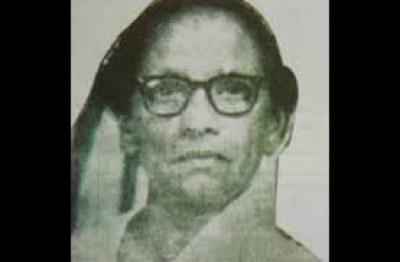
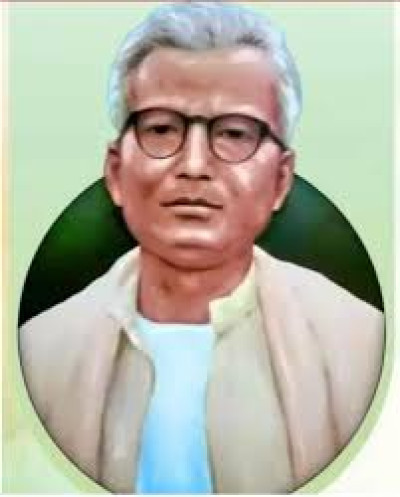
Mangri Orang was born into the Adivasi tea garden community and spent her early life working in tea plantations in the Darrang region of Assam during British rule. Like thousands of plantation workers of her time, she faced difficult living conditions, low wages, and harsh treatment under the colonial plantation system. Very little has been officially documented about her childhood or family, but historical records show that she belonged to the hardworking tea tribe community whose members played an important yet often overlooked role in India's freedom struggle.
Education
There are no verified historical records indicating that Mangri Orang received formal education. However, despite her limited educational opportunities, she developed a strong understanding of social injustice and the importance of freedom. Her life demonstrates that patriotism and leadership are defined by courage and determination rather than formal academic qualifications.
Awakening During the Freedom Movement
The launch of Mahatma Gandhi's Non-Cooperation Movement in 1920 inspired people across India to challenge British rule peacefully. In Assam, the movement also focused on opposing foreign liquor and opium, which were promoted by the colonial administration to generate revenue and weaken local communities.
Initially, Mangri Orang lived in the same social environment where liquor consumption had become common among tea garden workers. Gradually, through interaction with Congress volunteers and nationalist campaigns, she realized that addiction to liquor and opium was being used as a tool to exploit workers. This understanding transformed her into an active supporter of the freedom movement.
She began encouraging fellow plantation workers to reject liquor, opium, and foreign goods while supporting Swadeshi ideals. Her dedication earned the respect of local workers, who affectionately called her "Malati Mem."
Contribution to the Anti-Opium Movement
Mangri Orang became one of the leading women participants in Assam's anti-opium and prohibition movement. She actively assisted Congress volunteers in organizing awareness campaigns among tea garden workers and encouraged people to free themselves from addiction.
The movement was not only about health and social reform but also about weakening an important source of British colonial income. By opposing liquor and opium sales, Mangri Orang directly challenged British authority. Her courage inspired many workers, especially women, to participate in the national movement despite the risks involved.
Role in the Non-Cooperation Movement
Mangri Orang actively participated in the Non-Cooperation Movement by promoting Swadeshi principles and encouraging plantation workers to oppose colonial policies. She attended public gatherings, supported peaceful demonstrations, and worked alongside Congress volunteers to spread awareness about freedom and self-reliance.
Her participation proved that the Indian freedom movement was supported not only by political leaders but also by ordinary workers and women from remote parts of the country. Her dedication made her one of the earliest tribal women freedom fighters from Assam.
Martyrdom
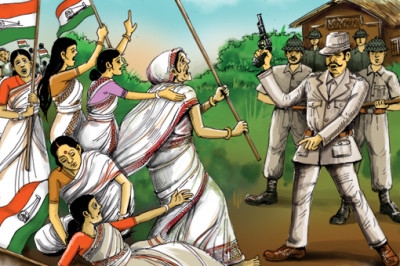
In 1921, during the anti-opium campaign at Lalmati in the Darrang district of Assam, Mangri Orang joined Congress volunteers in a peaceful protest against the sale of foreign liquor and opium. During the demonstration, colonial supporters opened fire on the protesters.
Mangri Orang was fatally shot while participating in the movement. Her sacrifice made her the first recorded female martyr of Assam in India's freedom struggle. Her death became a powerful symbol of resistance against British colonial rule and inspired many others to continue the fight for independence.
Legacy
Although Mangri Orang did not receive widespread national recognition immediately after independence, her contribution has gradually gained attention in recent years. Historians, cultural organizations, and researchers have highlighted her role as one of Assam's forgotten freedom fighters.
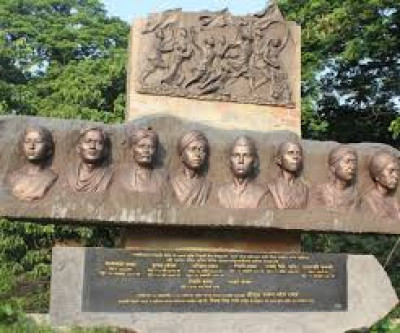
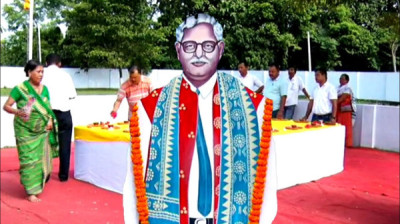
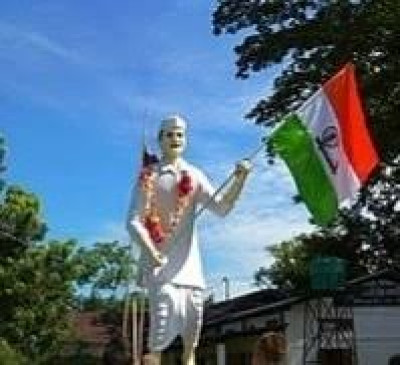
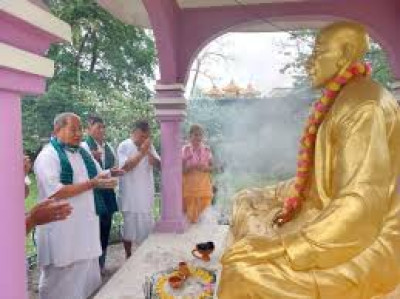
In 2019, a statue of Shaheed Mangri Orang was unveiled in Dibrugarh to honour her sacrifice. Her life has also been portrayed through theatrical performances, literary works, and cultural programmes to educate younger generations about her remarkable contribution.
Today, Mangri Orang represents the courage of Assam's tea tribe community and reminds the nation that India's independence was achieved through the sacrifices of countless ordinary people whose stories deserve equal recognition.
Achievements
- Recognized as Assam's first female martyr in India's freedom struggle.
- Active participant in the 1921 Non-Cooperation Movement.
- Played an important role in Assam's anti-opium and prohibition campaign.
- Inspired tea garden workers to oppose colonial exploitation.
- Supported Congress volunteers in promoting Swadeshi ideals.
- Became a symbol of women's participation in the freedom movement.
- Represented the contribution of Assam's tea tribe community to India's independence.
- Continues to inspire social awareness and patriotism across Assam.
FAQs about Mangri Orang