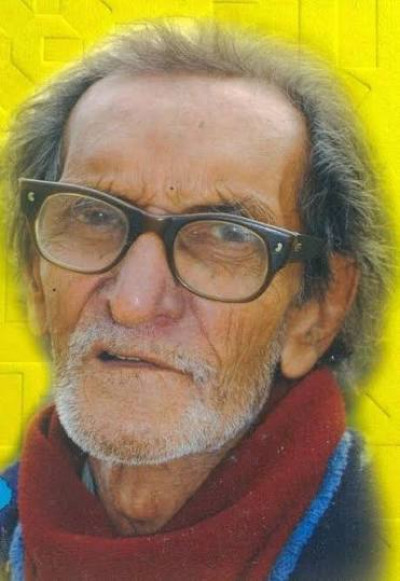
Life & Legacy
Early Life
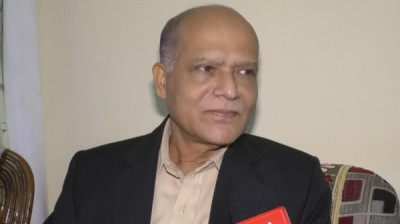
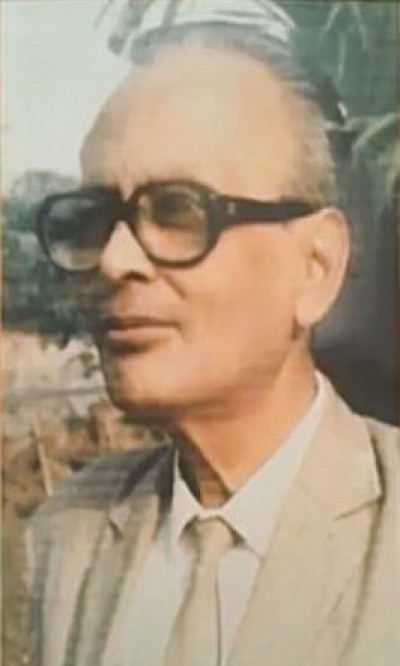
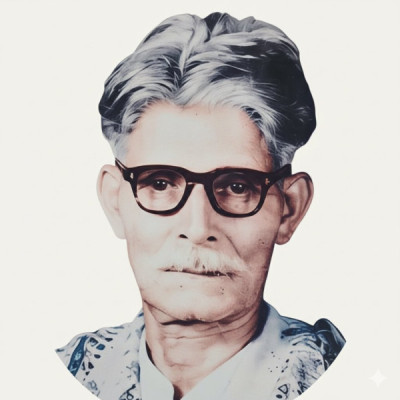
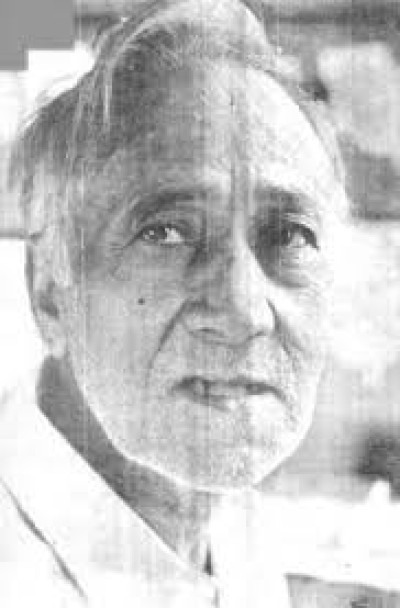
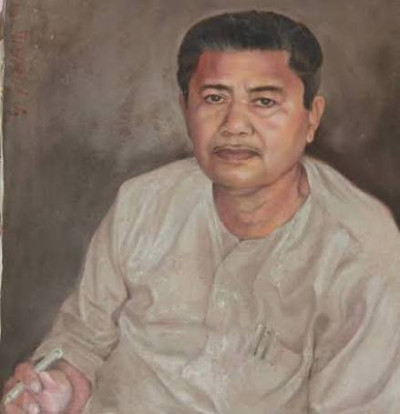
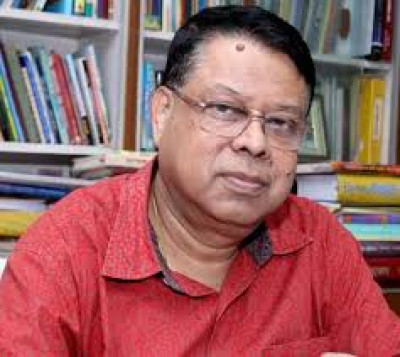
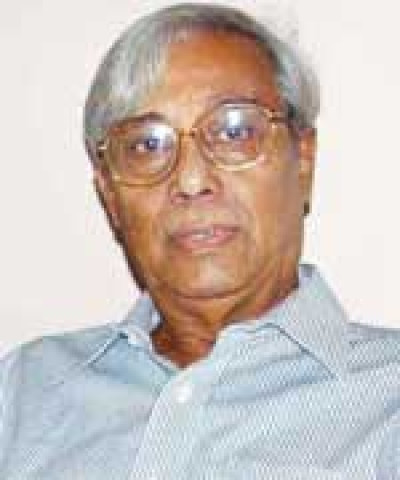
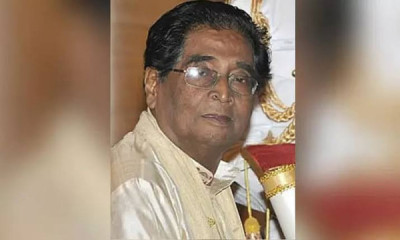
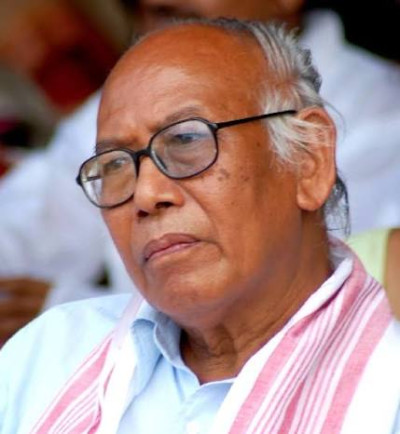
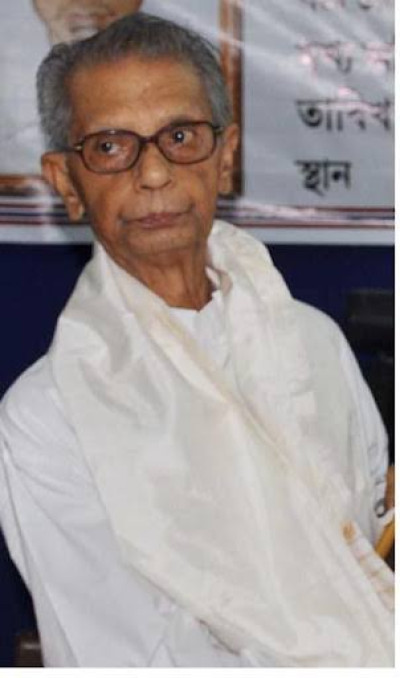
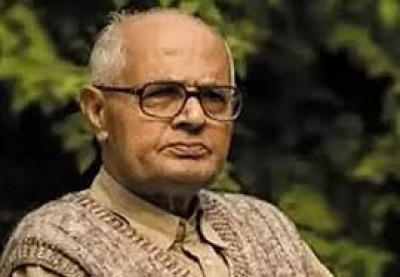
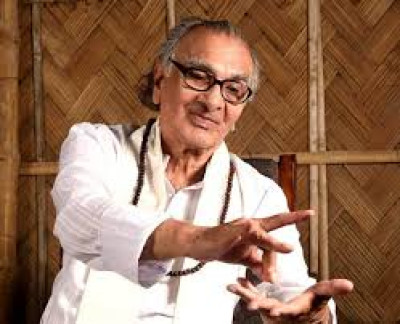
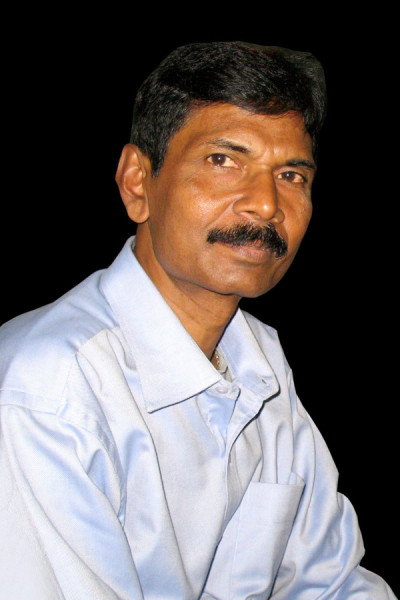
Sananta Tanti was born on 4 November 1952 in Kalinagar Tea Estate in present-day Karimganj district, Assam. His father was Loknath Tanti and his mother was Baitarani Tanti. Growing up in a tea garden worker family, he witnessed economic hardship and social inequality from an early age. These real-life experiences later became the foundation of his poetry, which reflected the lives of marginalized communities with honesty and emotional depth.
Education
Tanti began his education at Kalinagar Tea Estate Primary School before studying at Ramkrishna Vidyapeeth Higher Secondary School, where he completed his Higher Secondary education in 1969. Financial constraints prevented him from continuing his studies at St. Anthony's College, Shillong. However, his determination never faded. While working in Jorhat, he attended evening classes and later completed his Bachelor's degree privately from Dibru College under Dibrugarh University in 1975.
Career
Sananta Tanti started his professional career in 1971 at the Assam Tea Employees Provident Fund Organisation in Jorhat. Later, he served as a Sub-Divisional Information and Public Relations Officer in the Directorate of Information and Public Relations, Government of Assam. He subsequently returned to the Assam Tea Employees Provident Fund Organisation, where he held several senior positions, eventually retiring as Deputy Provident Fund Commissioner in 2012. Even after retirement, he continued serving as a Special Duty Officer for a brief period while remaining active in literary and cultural activities.
Literary Contributions
Sananta Tanti transformed Assamese poetry by introducing a powerful voice rooted in realism and social awareness. His poems portrayed the struggles of common people, labourers, unemployed youth, and marginalized communities. Rather than relying on romantic themes, his writings highlighted human dignity, resistance, hope, and social responsibility. His works have been translated into several Indian and international languages, allowing readers beyond Assam to appreciate his literary excellence.
Major Books
Sananta Tanti authored numerous acclaimed poetry collections, including:
- Ujjal Nakhatraar Sandhanat (1981)
- Moi Manuhar Amal Utsav (1985)
- Nijor Biruddhe Ses Prastab (1990)
- Sabdat Athaba Sabdahinatat (1993)
- Mrityur Agar Stopageot (1996)
- Toponito Ketiaba Barisha Ahe (1997)
- Dhowa Chair Sopon (1999)
- Dirna Basantar Sourabh (2002)
- Apuni Aponar Sote Juddha Korib Paribone (2004)
- Moi (2008)
- Mor Nirabharan Atmar Shokavah Sabdobur (2010)
- Kailoir Dinat Amar Hobo (2013)
- Mor Priya Soponor Ochore-Pajore (2017)
- Karimganjor Para Railere Ahonte Ahonte
- Selected Poems Sananta Tanti (English Translation)
- Sananta Tantir Kabita Samagra (Edited Collection)
Positions Held
Throughout his career, Sananta Tanti actively served various literary and cultural organizations, including:
- Member, Assamese Language Advisory Board, Sahitya Akademi
- Member, Executive Committee, Assam Government Children's Literature Trust
- Nominated Member, Central Executive Committee, Asam Sahitya Sabha
- Member, Advisory Committee, All India Radio, Guwahati
- Member, Executive Committee, Public Relations Society of India (North East Chapter)
Awards and Recognition
His literary excellence was recognized through several prestigious honours, including:
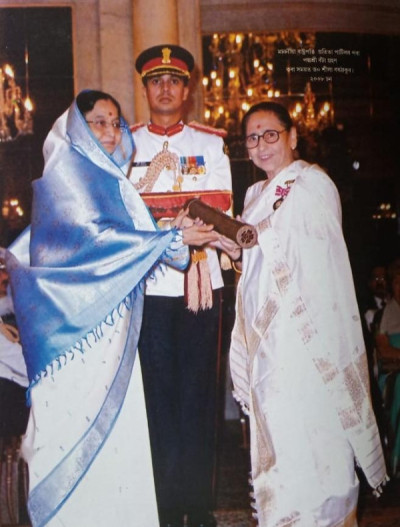
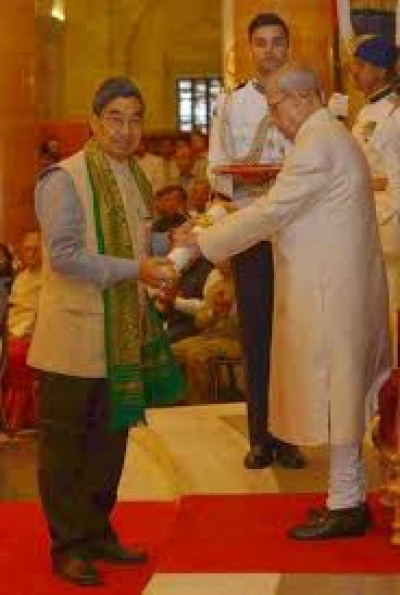
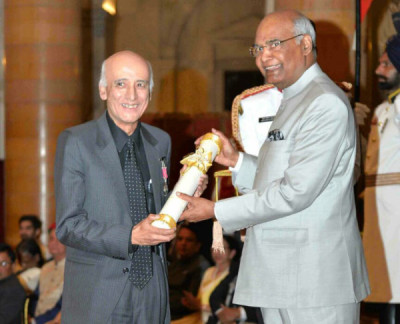
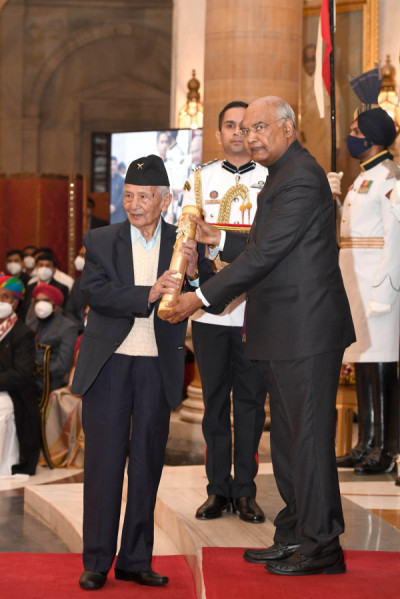
- Sahitya Akademi Award (2018) for Kailoir Dinat Amar Hobo
- Assam Valley Literary Award (2017)
- Pandit Padmanath Vidyabinod Memorial Literary Award (2016)
- Sirish-Oil Sahitya Award (2016)
- Nijara Kobi Shailadhar Rajkhowa Award (2015)
- Krantikal Sahitya Samman (2014)
- Osman Ali Sadagar Samannay Award (2011)
- Bir Birsa Munda Award (2002)
- Mrinalini Devi Goswami Memorial Award (1992)
- Meghraj Karmakar Literary Award (2020)
Personal Life
Sananta Tanti married Minati Kakoti on 18 February 1986. The couple had two sons, Swagat Tanti and Tathagat Tanti. Despite professional responsibilities and prolonged health challenges, he remained deeply committed to literature throughout his life.
Death
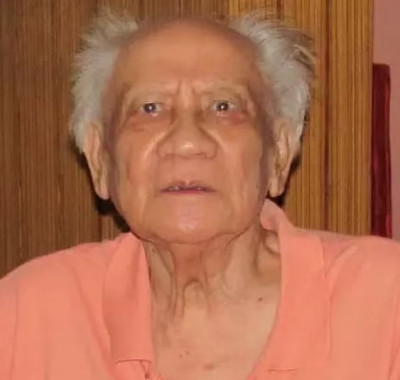
Sananta Tanti passed away on 25 November 2021 at Apollo Hospital in New Delhi after a prolonged illness. His death marked the end of an extraordinary literary journey, but his poems continue to inspire readers, writers, and scholars. Today, he is remembered as one of the finest modern Assamese poets whose writings gave lasting recognition to the voices of the tea tribe community and the marginalized sections of society.
FAQs about Sananta Tanti
1. Who was Sananta Tanti?
Sananta Tanti was an eminent Assamese poet and Sahitya Akademi Award-winning writer known for his socially conscious poetry and contribution to modern Assamese literature.
2. When was Sananta Tanti born?
He was born on 4 November 1952 in Kalinagar Tea Estate of Karimganj district, Assam.
3. Why is Sananta Tanti famous?
He is famous for writing powerful Assamese poems highlighting poverty, social justice, tea tribe life, and human dignity.
4. Which award did Sananta Tanti receive from Sahitya Akademi?
He received the Sahitya Akademi Award in 2018 for his poetry collection Kailoir Dinat Amar Hobo.
5. What language did Sananta Tanti write in?
Although educated in Bengali and born into an Odia-speaking family, he wrote primarily in the Assamese language.
6. What are the famous books written by Sananta Tanti?
His notable books include Kailoir Dinat Amar Hobo, Moi, Toponito Ketiaba Barisha Ahe, Dhowa Chair Sopon, and Mor Priya Soponor Ochore-Pajore.
7. Which organizations was Sananta Tanti associated with?
He served with the Sahitya Akademi, Asam Sahitya Sabha, All India Radio Guwahati, and several literary and cultural organizations.
8. What themes are reflected in Sananta Tanti's poetry?
His poems focus on social inequality, poverty, unemployment, tea garden workers, human rights, and hope for a better society.
9. When did Sananta Tanti pass away?
He passed away on 25 November 2021 after a prolonged illness.
10. Why is Sananta Tanti important in Assamese literature?
He is regarded as one of the strongest modern poetic voices in Assam for portraying the realities of common people and enriching Assamese literature with socially relevant poetry.