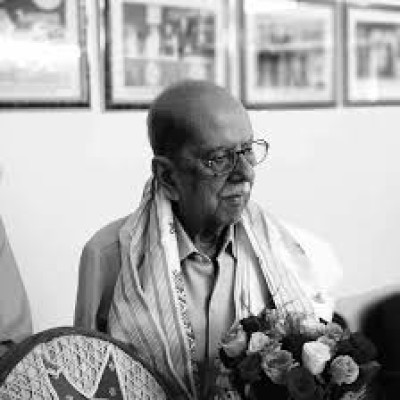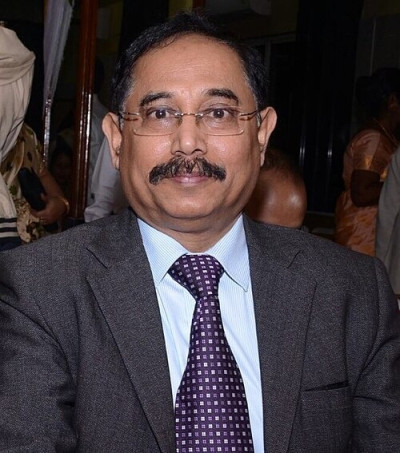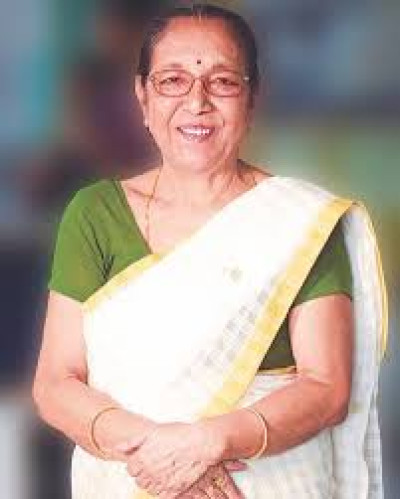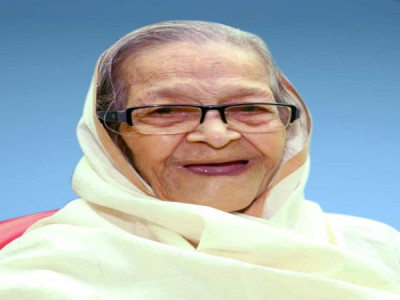
Life & Legacy
Early Life and Background
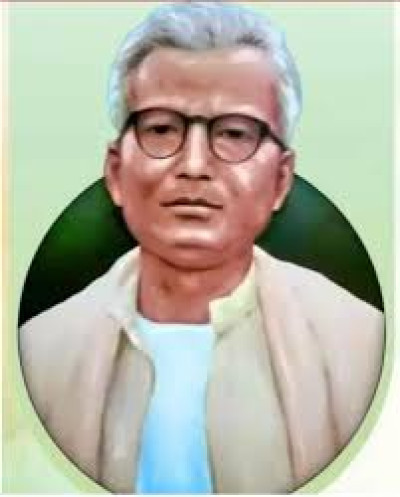
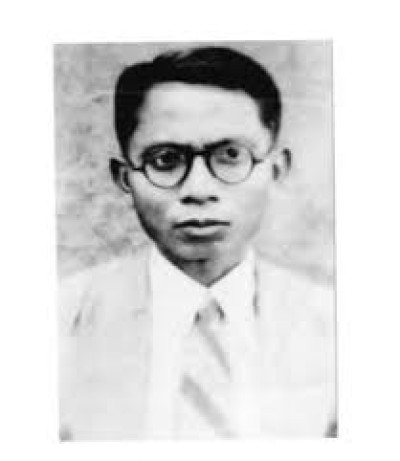
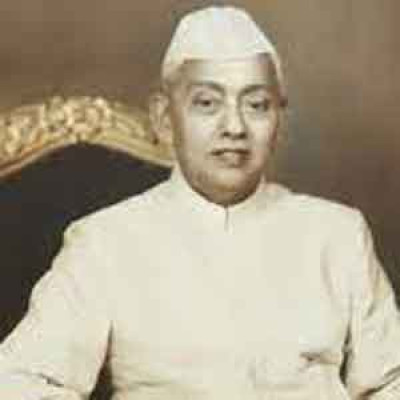
Chakradhar Bhuyan was born into a simple Assamese family in Panigaon, Lakhimpur. His childhood coincided with the growing intensity of the Indian freedom movement. The socio-political atmosphere of Assam during the 1930s and 1940s greatly influenced young minds, and Chakradhar Bhuyan was no exception. Inspired by the teachings and leadership of Mahatma Gandhi, he developed a deep sense of patriotism at a very young age.
Growing up in rural Assam, he witnessed both social challenges and the strong community spirit that defined Assamese society. His early education took place locally, but like many young freedom fighters of that era, his academic journey was influenced by the national movement.
Role in the Quit India Movement
One of the most defining moments of Chakradhar Bhuyan's life was his participation in the Quit India Movement in 1942. At a time when the British government was suppressing protests and imprisoning leaders, Bhuyan chose to actively join the struggle.
Following the non-violent principles advocated by Mahatma Gandhi, Chakradhar Bhuyan aligned himself with fellow volunteers and freedom fighters in Lakhimpur district. However, his contribution went beyond participating in rallies or protests. Because of his intelligence, reliability, and strong sense of responsibility, he was entrusted with a highly sensitive role during the movement.
He acted as a confidential information collector, gathering secret intelligence about British administrative activities and passing crucial details to local freedom movement leaders. This task required courage, caution, and strategic thinking. During that period, anyone found assisting the freedom struggle faced severe punishment, including imprisonment or physical harm. Yet Chakradhar Bhuyan carried out his responsibilities fearlessly.
His role as an underground information gatherer significantly supported local resistance efforts in Assam. While many prominent national leaders were imprisoned, grassroots activists like Chakradhar Bhuyan ensured that the spirit of resistance remained alive in districts such as Lakhimpur.
Post-Independence Contribution as a Teacher
After India achieved independence in 1947, Chakradhar Bhuyan did not withdraw from public life. Instead, he redirected his energy toward nation-building. In 1951, he began his professional career as a teacher at Bakal Gaon LP School. His transition from freedom fighter to educator reflected his belief that true independence could only be strengthened through education.
Over the decades, he served in several educational institutions including Salal Gaon LP School, Bosagaon Boys' LP School, Dakhin Telahi MV School, and Panigaon MV School. His teaching career spanned nearly four decades, and he retired on March 31, 1990, from Panigaon MV School.
As a teacher, Chakradhar Bhuyan was known for his discipline, simplicity, and affectionate nature. Students respected him not only for his knowledge but also for his moral values. He believed that education was not limited to textbooks but included character building, social responsibility, and cultural awareness.
Social and Cultural Leadership in Assam
Apart from his teaching career, Chakradhar Bhuyan actively participated in social and cultural initiatives in southern Lakhimpur district. He played an important role in strengthening community institutions and promoting local cultural identity.
He served as the president of the Village Defence Party for several years, contributing to local safety and community coordination. His leadership ensured cooperation among villagers and encouraged civic responsibility.
Bhuyan was also closely associated with Panigaon Pragati Sangha, one of the oldest social and cultural organizations in Assam, established in 1924. Through this institution, he supported various cultural programs, social awareness campaigns, and youth development initiatives. His involvement helped preserve Assamese traditions and promote unity within the community.
His smiling personality and altruistic attitude earned him deep respect across generations. Even after retirement, he remained accessible to people seeking guidance or support.
Personal Life and Legacy
Chakradhar Bhuyan lived a life rooted in simplicity and service. He is survived by his wife Punyada Bhuyan, his son Nabakanta Bhuyan, and his daughter Kusum Bhuyan, along with extended family members and well-wishers.
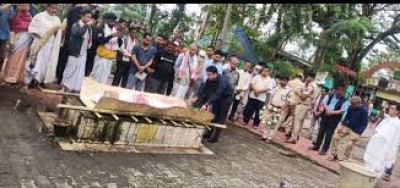
He was cremated with full state honors in Panigaon, Lakhimpur district, Assam, acknowledging his contributions to the freedom struggle and society. His life remains a reminder that history is not shaped only by nationally famous figures but also by dedicated local heroes who quietly served the nation.
Importance in the History of Assam
When discussing famous freedom fighters of Assam, Chakradhar Bhuyan's name stands as a symbol of grassroots patriotism. While national leaders often receive broader recognition, the regional leaders and local activists formed the backbone of the independence movement.
His involvement in the Quit India Movement and his post-independence service in education demonstrate a complete cycle of contribution: from fighting for freedom to building a responsible society.
In the context of Assam's history, Chakradhar Bhuyan represents:
-
Commitment to non-violent resistance
-
Dedication to education
-
Social reform and cultural leadership
-
Community service and moral integrity
His life story is especially inspiring for younger generations who wish to understand how ordinary individuals can make extraordinary contributions.
Why Chakradhar Bhuyan is Remembered Today
Today, Chakradhar Bhuyan is remembered in Lakhimpur and surrounding areas as a freedom fighter, teacher, and social reformer. His legacy continues through the institutions he served and the students he mentored.
For researchers exploring famous people of Assam, Chakradhar Bhuyan offers an example of a multi-dimensional personality who balanced patriotism with social responsibility. His biography adds depth to the understanding of Assam's contribution to India's independence.
His story also highlights the importance of preserving local history. Many such unsung heroes played crucial roles at district and village levels. Recognizing them ensures that the narrative of the freedom struggle remains inclusive and complete.
Chakradhar Bhuyan's life teaches that dedication to the nation does not end with political freedom. It continues through education, community development, and cultural preservation. His journey from a young activist in 1942 to a respected educator and social leader is an enduring example of service and integrity.
FAQs on Chakradhar Bhuyan