Life & Legacy
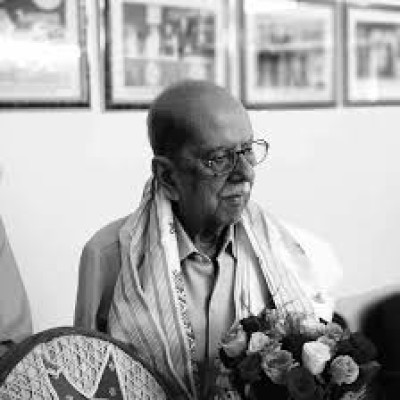
Bhante Baba was not only a religious teacher but also a moral guide to people from all walks of life. From villagers and monks to political leaders and scholars, countless individuals sought his counsel. His life story represents simplicity, humility, perseverance, and unwavering devotion to peace and mental discipline. Even after his passing in 2018, his teachings and spiritual influence continue to shape Buddhist culture in Assam and beyond.
Early Life and Spiritual Calling
Bhante Baba was born as Mong Chie Yen on November 14, 1923, in Myanmar, into a deeply spiritual family. From a young age, he displayed an inclination toward reflection, discipline, and compassion. At the age of 18, he chose a monastic life and was ordained as a novice monk by U Rajinda Mahathera. This decision marked the beginning of a lifelong journey devoted entirely to the teachings of Lord Buddha.
Soon after ordination, he immersed himself in the study of Buddhist scriptures, meditation practices, and moral philosophy. His sincerity and disciplined lifestyle led to his full ordination at the age of 19, a rare achievement that reflected his deep commitment to spiritual growth. Rather than limiting his teachings to his homeland, he envisioned spreading the message of peace, compassion, and mindfulness beyond national boundaries, especially in neighboring India.
Journey to India and Arrival in Assam
Bhante Baba's aspiration to serve humanity found fulfillment in 1953, when he received an invitation from the then Chief Minister of Assam, Bishnu Ram Medhi. Under the patronage of the Burmese Buddhist Sangha Mission, Bhante Baba arrived in Assam along with nine other monks. He was the youngest among them but soon became one of the most influential spiritual figures in the region.
Initially, he stayed briefly in areas like Inthem and Pomoung in Tinsukia district. Over time, he felt a strong connection to the culturally rich Buddhist communities of Assam, particularly among the Tai Phake, Tai Khamti, and Ponthai communities. In 1962, he permanently settled in Mounglang village near Ledo, where he laid the foundation for what would become one of Assam's most important Buddhist institutions.
Establishment of Mounglang Khamti Buddhist Monastery
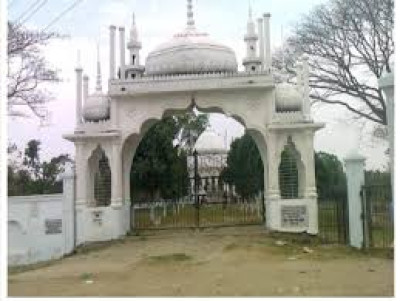
In Mounglang village, Bhante Baba established the Mounglang Khamti Buddhist Monastery, which later developed into a major International Meditation Centre. Nestled amidst hills, forests, tea gardens, and the serene environment of rural Assam, the monastery became a spiritual refuge for people seeking peace, meditation, and guidance.
Under his leadership, the monastery grew into more than just a religious structure. It became a place of learning, reflection, healing, and cultural preservation. Bhante Baba ensured that the monastery remained open to people of all faiths, communities, and backgrounds. His inclusive philosophy reinforced the universal message of Buddhism, emphasizing compassion, self-discipline, and mental clarity rather than ritualistic divisions.
Spiritual Teachings and Philosophy
Bhante Baba's teachings were deeply rooted in the core principles of Buddhism, especially mindfulness, compassion, non-violence, and self-control. He often emphasized that true happiness begins with mastery over the mind. His advice to visitors was simple yet profound: "Control the mind and yourself for your overall wellbeing."
Rather than promoting complex doctrines, Bhante Baba focused on practical living. He encouraged individuals to practice kindness, avoid harmful actions, cultivate patience, and develop inner awareness. His teachings resonated strongly in a world increasingly affected by stress, anxiety, and material pursuits. For many, his guidance became a path toward emotional healing, spiritual growth, and mental balance.
Bhante Baba as a Spiritual Healer
One of the most distinctive aspects of Bhante Baba's legacy was his reputation as a spiritual healer. Devotees believed that through blessings, meditation practices, and sacred rituals, he could offer relief from emotional distress and physical suffering. Within the monastery, there exists a sacred stone, believed by followers to possess protective and healing properties. People from distant regions traveled to Mounglang to seek peace of mind, hope, and blessings from Bhante Baba.
While Bhante Baba never claimed miraculous powers, he consistently taught that healing begins with inner discipline, faith, and mindfulness. His calm presence, gentle words, and compassionate approach often brought comfort to those facing personal hardships, illness, or uncertainty.
Influence Across Society and Politics
Bhante Baba's influence extended far beyond religious boundaries. He was deeply respected by politicians, administrators, educators, and community leaders across Assam and Northeast India. Many leaders visited the monastery seeking advice on governance, ethics, and personal well-being. Despite his widespread recognition, Bhante Baba maintained a life of humility and simplicity, never seeking political power or personal fame.
He believed that spiritual wisdom should guide ethical leadership and social harmony. His role as a moral compass made him a revered figure during times of social tension or unrest, where his presence and counsel helped promote peace and dialogue.
Vision for a Buddhist University and Global Outreach
In his later years, Bhante Baba envisioned transforming Assam into a global center for Buddhist learning. He proposed the establishment of a major international Buddhist university near Margherita, which would attract students from countries such as Myanmar, Thailand, Cambodia, Laos, and Sri Lanka. His goal was to create an institution that blended classical Buddhist teachings with modern education, fostering inter-cultural understanding and spiritual scholarship.
He also supported the development of a nun training center, enabling women to pursue monastic education and leadership roles within Buddhism. Though the full realization of these plans remains ongoing, his vision laid the foundation for expanding Buddhist education in Northeast India.
Personal Life and Character
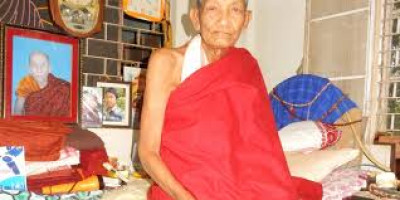
Bhante Baba lived a life marked by discipline, simplicity, humility, and compassion. Despite global recognition, he adhered strictly to monastic traditions, focusing on meditation, study, and service. Visitors often described him as gentle, calm, approachable, and deeply wise. His ability to listen attentively and respond with clarity made him a trusted guide for people facing personal and spiritual challenges.
His lifestyle reflected the very teachings he shared. He avoided luxury, practiced restraint, and devoted himself entirely to the welfare of others. His presence inspired countless individuals to embrace mindfulness, kindness, and ethical living.
Final Years and Passing
Bhante Baba continued guiding disciples and visitors well into his nineties. Even as age-related ailments affected his physical health, his mental clarity and spiritual dedication remained unwavering. He passed away peacefully on November 10, 2018, in Margherita, Assam, just days before his 100th birthday. His passing marked the end of an era for Buddhist spirituality in Assam, but his legacy continues through the monastery, his disciples, and the thousands of lives he touched.
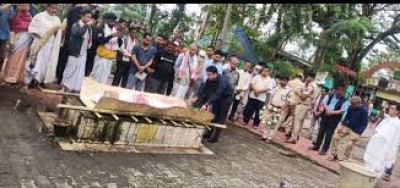
His funeral was attended by monks, devotees, political leaders, and community members from across the region, reflecting the immense respect and affection he commanded.
Legacy and Continuing Influence
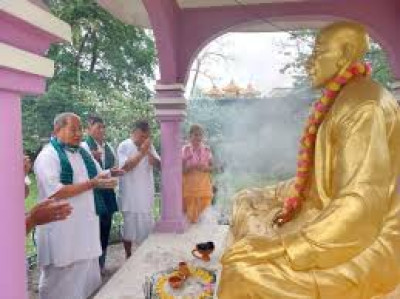
Today, the Mounglang Khamti Buddhist Monastery stands as a living testament to Bhante Baba's vision and dedication. It remains a prominent center for meditation retreats, spiritual counseling, and Buddhist education. The monastery's pagoda, sacred spaces, and serene environment continue to attract pilgrims, tourists, scholars, and spiritual seekers from India and abroad.
Bhante Baba's teachings on mindfulness, compassion, and mental discipline remain relevant in contemporary society, offering guidance in navigating modern challenges such as stress, conflict, and emotional imbalance. His life demonstrates that true influence comes not from authority or wealth but from humility, wisdom, and service to humanity.
Bhante Baba in Assam's Cultural and Spiritual History
Bhante Baba occupies a unique place in the spiritual history of Assam. At a time when Buddhist traditions in the region were gradually declining, he revitalized monastic life and strengthened cultural connections between Assam and Southeast Asian Buddhist communities. His efforts preserved ancient practices while making Buddhism accessible to younger generations.
Through his dedication, Assam emerged as a recognized hub for Buddhist meditation and spiritual learning in Northeast India. His contributions not only strengthened religious harmony but also promoted Assam as a destination for spiritual tourism, meditation retreats, and cultural exploration.
Why Bhante Baba Remains an Iconic Figure of Assam
Bhante Baba is remembered not merely as a monk but as a symbol of peace, compassion, wisdom, and service. His ability to transcend cultural, linguistic, and social barriers made him one of the most respected spiritual leaders in the region. Even today, his name evokes reverence among Buddhists and non-Buddhists alike.
His life story inspires individuals to seek inner growth, embrace discipline, and contribute positively to society. As Assam continues to evolve, Bhante Baba's teachings remain timeless, reminding people that true progress begins within the human mind and heart.