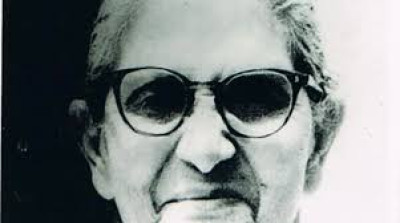
Life & Legacy
Early Life
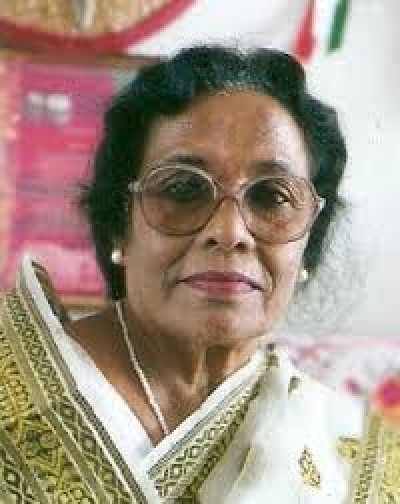
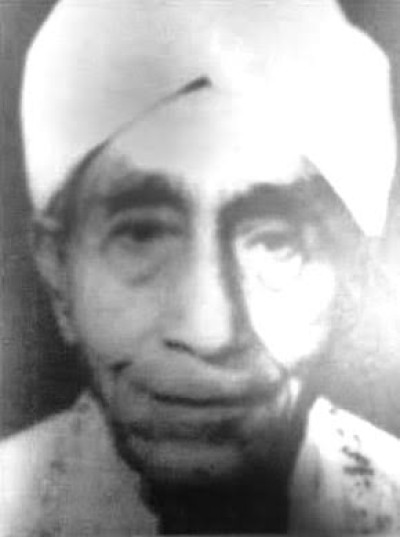
Chandraprabha Saikiani was born as Chandrapriya Mazumdar on 16 March 1901 in Daisingari village, now located in Bajali district of Assam. She was born into a modest family to Ratiram Mazumdar and Gangapriya Mazumdar and was the seventh among eleven children. During her childhood, educational opportunities for girls were extremely limited. Along with her sister Rajaniprabha, who later became Assam's first woman doctor, she travelled long distances through difficult terrain to attend a boys' school because there was no school for girls nearby. Inspired by education and determined to break social barriers, she later adopted the name Chandraprabha Saikiani.
Education
Recognizing the determination of Chandraprabha and her sister, education officer Nilkanta Barua arranged scholarships for both to study at Nagaon Mission School. During her time there, Chandraprabha displayed extraordinary courage by protesting against discriminatory hostel rules that denied accommodation to girls who refused religious conversion. Her successful protest ensured equal treatment for all students and reflected the leadership qualities that would define her later life. Even as a student, she started teaching local girls in makeshift classrooms, believing education was the strongest tool for social transformation.
Career and Social Reform
Chandraprabha Saikiani began her professional career as a teacher and later became the headmistress of the Girls' M.E. School in Tezpur. While working as an educator, she actively campaigned against child marriage, caste discrimination, gender inequality, untouchability, and restrictions imposed on women. She strongly believed that women should receive equal educational opportunities and participate in every sphere of society.
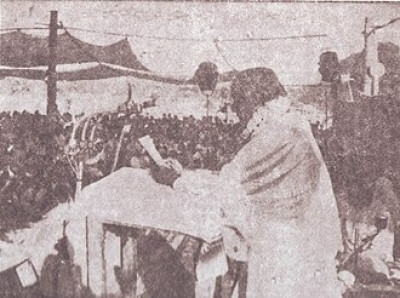
One of the most significant moments of her public life came during the 1925 Assam Sahitya Sabha session at Nagaon, where women were separated from men by a bamboo screen. Chandraprabha boldly urged women to remove the barrier and sit alongside the male audience. The historic act became a powerful symbol of women's equality in Assam.
Role in India's Freedom Movement
Inspired by Mahatma Gandhi's ideals, Chandraprabha Saikiani joined the Non-Cooperation Movement in 1921 and later participated in the Civil Disobedience Movement. She travelled extensively throughout Assam, motivating women to join the national movement and oppose British rule. Her active participation led to imprisonment, but she continued her struggle with determination. After independence, she also entered electoral politics and became one of the earliest women in Assam to contest Legislative Assembly elections.
Major Achievements
- Pioneer of the women's movement in Assam.
- Founder of the All Assam Pradeshik Mahila Samiti in 1926.
- Promoted women's education throughout Assam.
- Campaigned against child marriage and social discrimination.
- Worked for equal rights irrespective of caste and gender.
- Encouraged women's participation in literature, politics, and public life.
- Played an active role in India's freedom movement.
- Led campaigns for temple entry and social equality.
- Inspired generations through education and social awareness.
- Recognized as one of Assam's most influential women leaders.
Literary Contributions
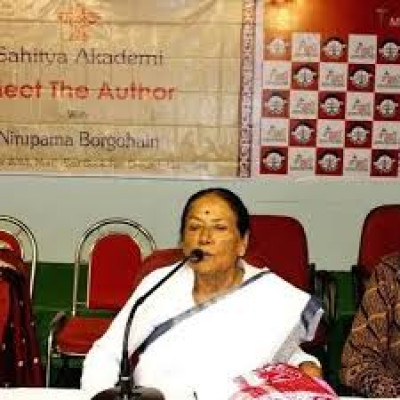
Apart from social reform, Chandraprabha Saikiani was an accomplished Assamese writer, poet, and editor. She regularly wrote on women's rights, social issues, and Assamese society. She also edited the Assamese journal Abhijatri for several years and used literature as a powerful medium for creating social awareness.
Books Written by Chandraprabha Saikiani
- Pitribhitha (The Paternal Home)
- Sipahi Bidrohat
- Dillir Sinhasan
- Kavi Anav Ghosh
She also published numerous essays, articles, poems, and short stories focusing on women's empowerment and social reform.
Awards and Recognition
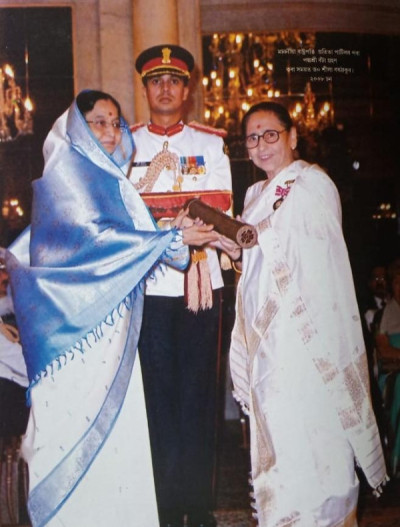
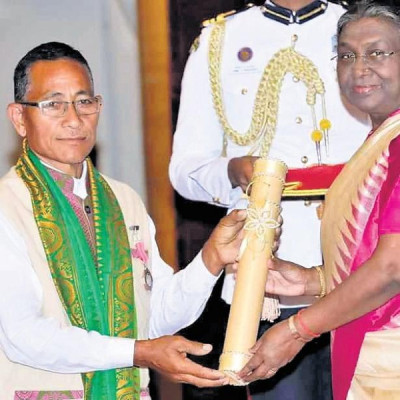
The Government of India honoured Chandraprabha Saikiani with the Padma Shri in 1972 for her exceptional contribution to society. In 2002, India Post issued a commemorative postage stamp in her memory under the Social Reformers series. Several educational institutions and women's study centres in Assam have also been named after her to preserve her legacy.
Death
Chandraprabha Saikiani passed away on 16 March 1972, coincidentally on her 71st birthday, after battling cancer. Although she is no longer with us, her contribution to women's rights, education, literature, and social reform continues to influence Assam's social and cultural development.
Legacy
Chandraprabha Saikiani remains an enduring symbol of courage, equality, and progressive thinking. She transformed the status of women in Assam by encouraging education, leadership, and participation in public life. Her fearless struggle against social injustice and her dedication to empowering women have secured her a permanent place among the greatest personalities in Assam's history. Today, she is remembered not only as a freedom fighter and social reformer but also as a visionary whose ideals continue to inspire future generations.
FAQs about Chandraprabha Saikiani
1. Who was Chandraprabha Saikiani?
Chandraprabha Saikiani was an Assamese social reformer, freedom fighter, educationist, writer, and women's rights activist who pioneered the women's movement in Assam.
2. When and where was Chandraprabha Saikiani born?
She was born on 16 March 1901 at Daisingari village, now in Bajali district, Assam.
3. Why is Chandraprabha Saikiani famous?
She is famous for promoting women's education, fighting against social discrimination, participating in India's freedom movement, and founding the All Assam Pradeshik Mahila Samiti.
4. What was Chandraprabha Saikiani's contribution to women's empowerment?
She worked tirelessly to improve women's education, oppose child marriage, encourage equal rights, and increase women's participation in society and politics.
5. Which organization was founded by Chandraprabha Saikiani?
She founded the All Assam Pradeshik Mahila Samiti in 1926, one of the earliest women's organizations in Assam.
6. What books were written by Chandraprabha Saikiani?
Her notable works include Pitribhitha, Sipahi Bidrohat, Dillir Sinhasan, and Kavi Anav Ghosh, along with many essays, poems, and short stories.
7. Did Chandraprabha Saikiani participate in India's freedom struggle?
Yes. She actively participated in the Non-Cooperation Movement and the Civil Disobedience Movement and was imprisoned for her role in the freedom struggle.
8. Which award did Chandraprabha Saikiani receive?
She received the Padma Shri from the Government of India in 1972 for her contribution to society.
9. When did Chandraprabha Saikiani die?
She passed away on 16 March 1972 after battling cancer.
10. What is the legacy of Chandraprabha Saikiani?
She is remembered as one of Assam's greatest women leaders whose work in education, social reform, literature, and women's empowerment continues to inspire people across India.