Life & Legacy
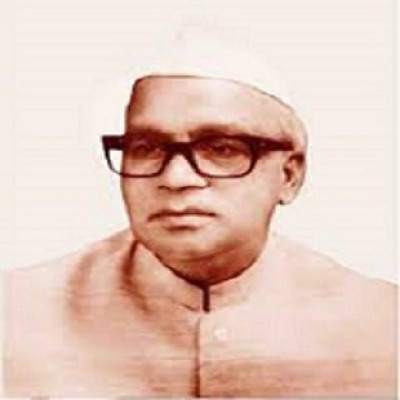
Mukunda Kakati Biography
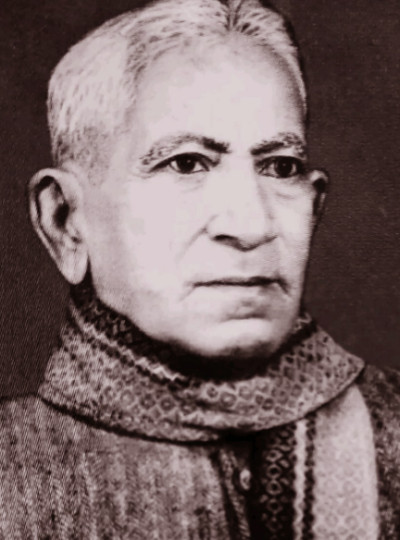
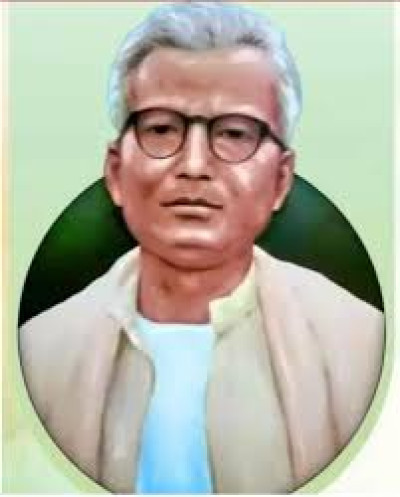
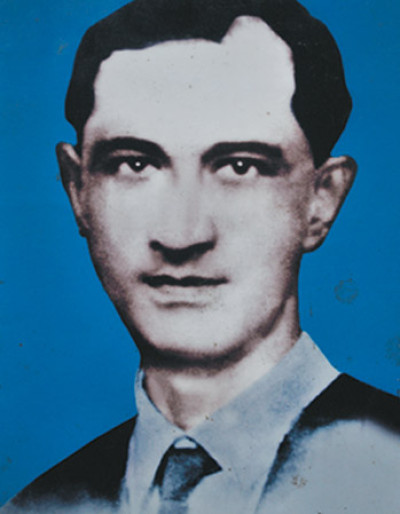
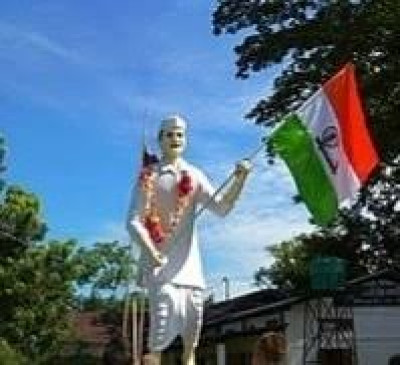
Mukunda Kakati is best known for his heroic role in the Quit India Movement of 1942, when he continued carrying the Indian National Flag after Shaheed Kanaklata Barua was shot during the historic procession to Gohpur Police Station. Moments later, he too was struck by British police bullets while protecting the honour of the Tricolour. His supreme sacrifice continues to inspire generations of Indians and remains one of the proudest chapters in Assam's contribution to the nation's independence.
Mukunda Kakati was born in 1919 in Kendukuchi village under Borbhag Mouza in present-day Nalbari district of Assam, which was then part of the undivided Kamrup district. He belonged to a humble farming family and grew up in modest circumstances. Financial hardship prevented him from pursuing higher education, but these challenges shaped his hardworking nature and strengthened his determination to build a meaningful life. In search of better opportunities, he later moved to Gohpur, where he worked in agriculture and became closely connected with the local community.
While living in Gohpur, Mukunda Kakati witnessed the growing nationalist movement that was spreading throughout Assam. The message of Mahatma Gandhi, along with the efforts of local Congress leaders, inspired many young people to join the struggle for freedom. Deeply influenced by these ideals, Mukunda became actively involved in the Indian National Congress and participated in campaigns promoting national unity and resistance against British colonial rule.
In 1942, India's freedom movement entered a decisive phase when Mahatma Gandhi launched the Quit India Movement with the historic call of "Do or Die." The movement quickly spread across Assam, motivating thousands of students, farmers, workers and ordinary citizens to participate in peaceful protests demanding complete independence. Gohpur became one of the important centres of the movement, where dedicated volunteers organised demonstrations against British rule.
Mukunda Kakati joined the courageous volunteer force known as the Mrityu Bahini. The organisation consisted of young men and women who pledged to dedicate their lives to the nation and continue the struggle for freedom regardless of the consequences. The members of the Mrityu Bahini believed that India's independence was worth every sacrifice and remained committed to non-violent resistance inspired by Gandhian principles.
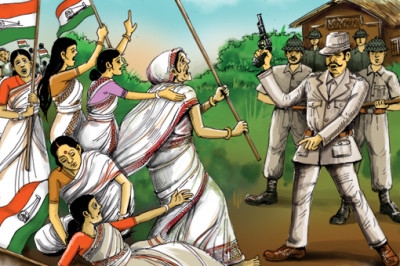
The defining moment of Mukunda Kakati's life came on 20 September 1942. Freedom fighters in Gohpur planned to hoist the Indian National Flag at the Gohpur Police Station as a symbol of resistance against British authority. The procession was led by seventeen-year-old Kanaklata Barua, one of Assam's youngest and bravest freedom fighters. Hundreds of unarmed volunteers joined the march carrying the Tricolour and chanting patriotic slogans as they moved towards the police station.
When the procession reached the entrance of the police station, British authorities warned the volunteers not to proceed. Despite repeated threats, the peaceful demonstrators continued moving forward. Their objective was not violence but to assert the right of Indians to fly their own national flag.
Without adequate warning, the police opened fire on the unarmed procession. Kanaklata Barua was struck by bullets while holding the Tricolour. As she collapsed, Mukunda Kakati immediately rushed forward and caught the National Flag before it could touch the ground. Holding it high with remarkable courage, he continued advancing despite the danger surrounding him. Within moments, he too was hit by police bullets. His brave act ensured that the National Flag remained aloft even in the face of deadly gunfire. Although he sustained severe injuries, his courage inspired other volunteers to continue the mission, and the Indian National Flag was eventually hoisted at Gohpur Police Station.
The martyrdom of Mukunda Kakati and Kanaklata Barua became one of the most inspiring incidents of the Quit India Movement in Assam. Their sacrifice demonstrated the fearless spirit of ordinary young Indians who willingly gave their lives for the dream of an independent nation. Their story soon spread throughout Assam and encouraged many more people to join the freedom movement.
Mukunda Kakati is remembered not only for his bravery but also for his selfless devotion to the nation. His actions symbolised courage, unity and unwavering respect for the Indian National Flag. His sacrifice proved that patriotism is measured by one's willingness to stand for justice and freedom even in the face of death.
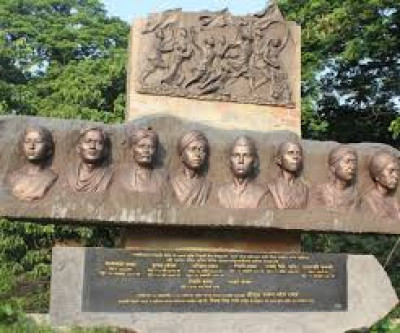
Independent India has honoured his memory in several meaningful ways. In Gohpur, the historic Borpukhuri has been dedicated to the memory of Mukunda Kakati and Kanaklata Barua, reminding visitors of their heroic sacrifice. In 1994, the Government of Assam renamed the Nalbari Civil Hospital as Swahid Mukunda Kakati Civil Hospital to recognise his contribution to India's freedom struggle. His life is also remembered through educational programmes, memorial events and historical writings that celebrate Assam's role in the independence movement.
Mukunda Kakati's sacrifice remains an important part of Assam's rich heritage. His story continues to inspire students, researchers and citizens to value freedom, national unity and selfless service. More than eighty years after his martyrdom, he stands as a shining example of courage and dedication whose legacy will always be remembered in the history of Assam and India.
Although Mukunda Kakati did not live to witness India's independence, his dream became reality on 15 August 1947. His life reminds us that freedom was achieved through the sacrifices of countless ordinary people whose extraordinary courage changed the course of history. Today, Mukunda Kakati is honoured as one of Assam's immortal martyrs, and his contribution continues to inspire future generations to uphold the values of patriotism, integrity and service to the nation.
FAQs on Mukunda Kakati
1. Who was Mukunda Kakati?
Mukunda Kakati was a brave Assamese freedom fighter and martyr who sacrificed his life during the Quit India Movement on 20 September 1942 while protecting the Indian National Flag at Gohpur Police Station.
2. When and where was Mukunda Kakati born?
Mukunda Kakati was born in 1919 in Kendukuchi village under Borbhag Mouza in present-day Nalbari district of Assam, then part of the undivided Kamrup district.
3. Why is Mukunda Kakati famous?
Mukunda Kakati is remembered for his heroic sacrifice during the Quit India Movement. After Kanaklata Barua was shot while carrying the Indian National Flag, he immediately took the flag and continued the march before he was also fatally shot by British police.
4. What was Mukunda Kakati's role in the Quit India Movement?
He was an active member of the Mrityu Bahini, a volunteer group formed during the Quit India Movement in Assam. He participated in the historic procession to hoist the Indian National Flag at Gohpur Police Station.
5. What was the Mrityu Bahini?
The Mrityu Bahini was a volunteer group of courageous young men and women in Assam who pledged to dedicate their lives to India's freedom during the Quit India Movement of 1942.
6. When did Mukunda Kakati become a martyr?
Mukunda Kakati became a martyr on 20 September 1942 after he was shot by British police while holding the Indian National Flag during the historic Gohpur procession.
7. What is the connection between Mukunda Kakati and Kanaklata Barua?
Mukunda Kakati marched alongside Kanaklata Barua during the Quit India Movement. After Kanaklata was shot while carrying the National Flag, Mukunda immediately took the flag and continued the procession until he too was fatally wounded.
8. How has Mukunda Kakati been honoured?
The Government of Assam renamed the Nalbari Civil Hospital as Swahid Mukunda Kakati Civil Hospital in his honour. Memorials and commemorative sites also preserve his legacy, including the historic Borpukhuri at Gohpur.
9. Why is Mukunda Kakati important in Assam's history?
Mukunda Kakati represents the courage, patriotism and selfless sacrifice of Assamese youth during India's freedom struggle. His martyrdom remains one of the most inspiring events in Assam's participation in the Quit India Movement.
10. What is the legacy of Mukunda Kakati?
Mukunda Kakati's legacy lives on through history books, memorials, educational institutions and annual tributes. His life continues to inspire people to uphold the ideals of patriotism, courage, unity and national service.