Life & Legacy
Early Life
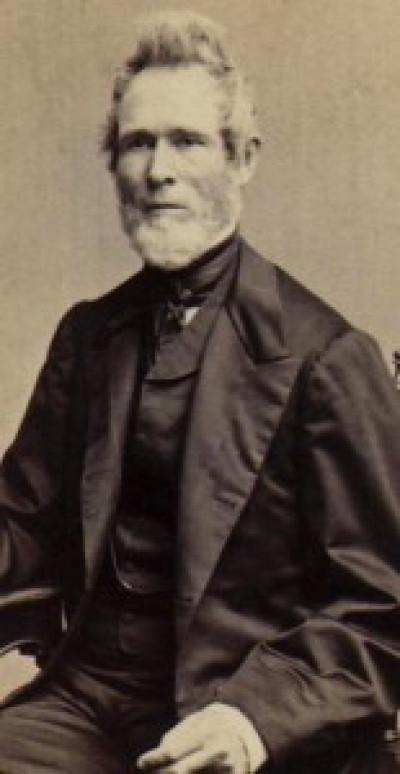
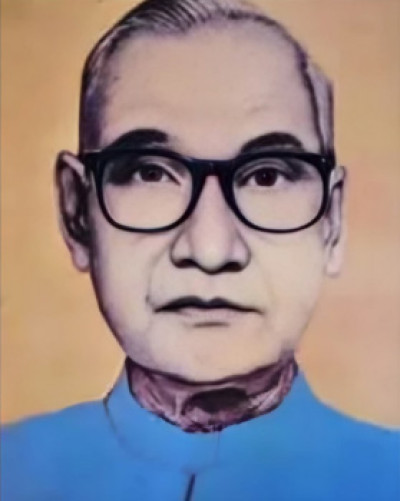
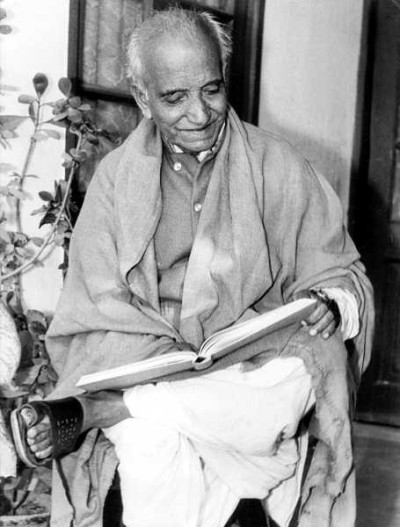
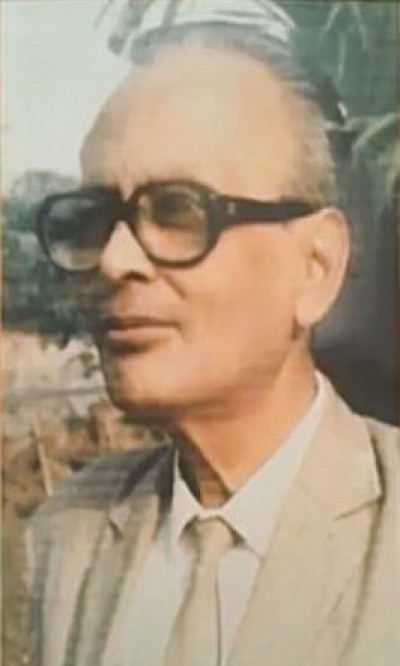
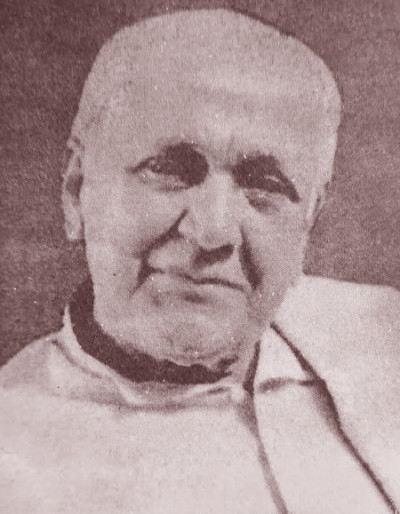
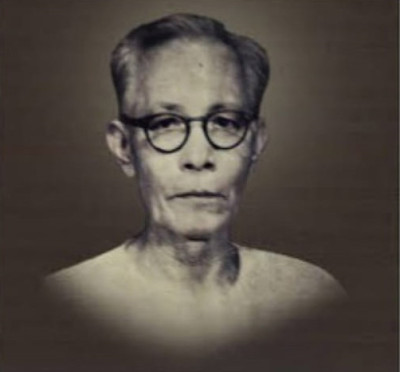
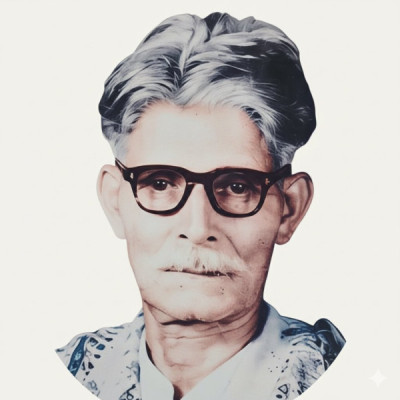
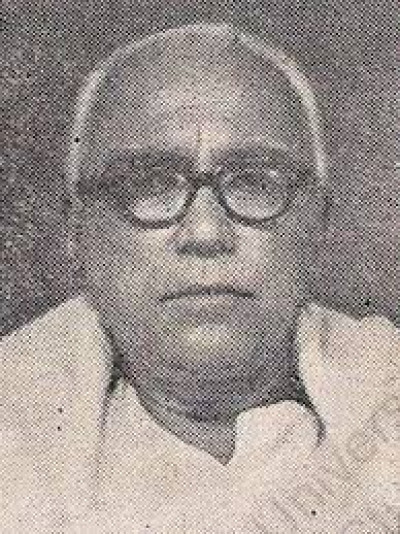
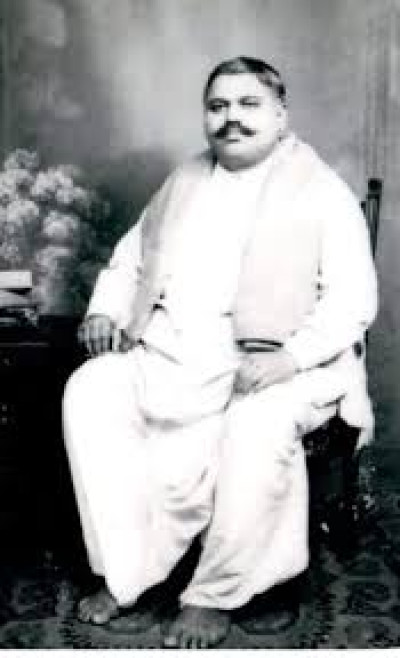
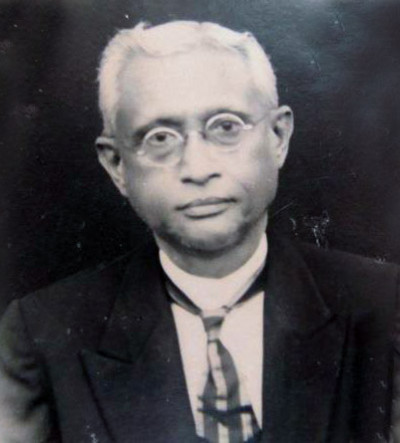
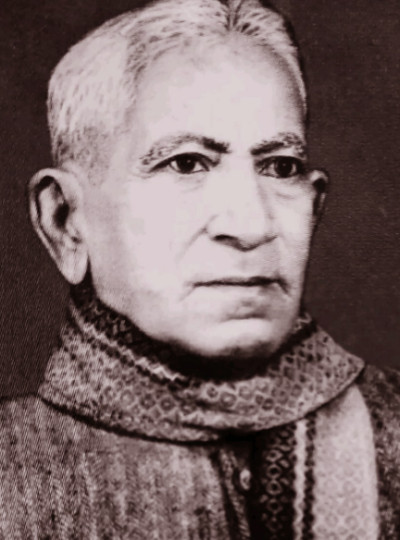
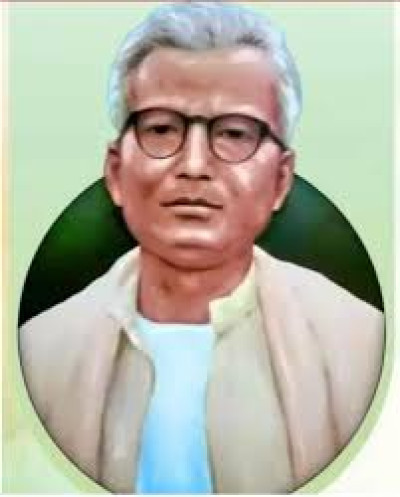
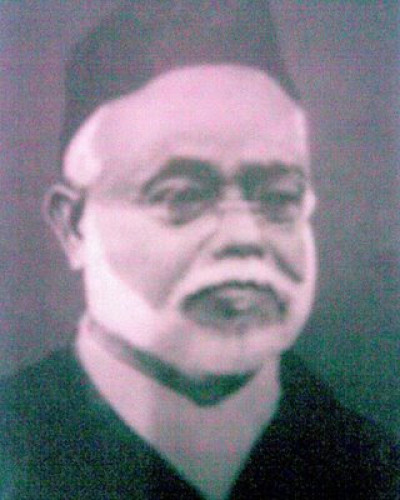
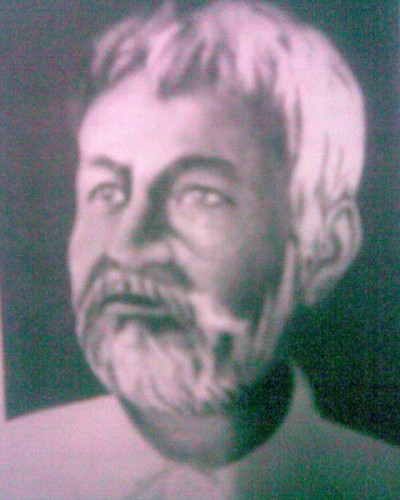
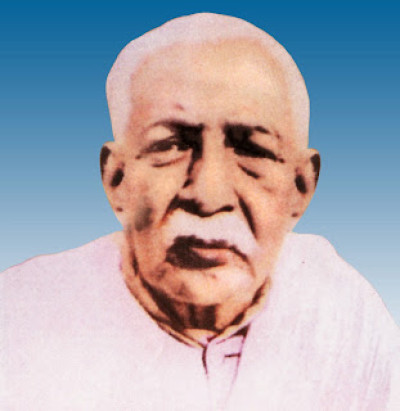
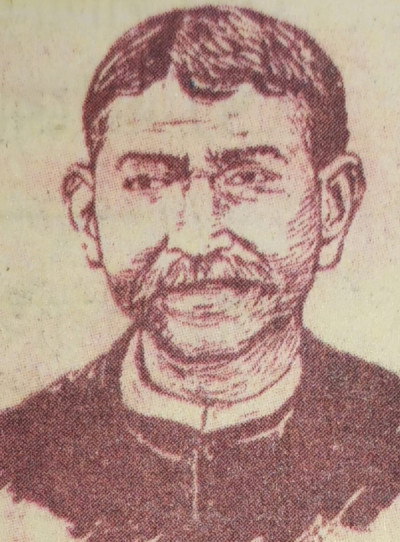
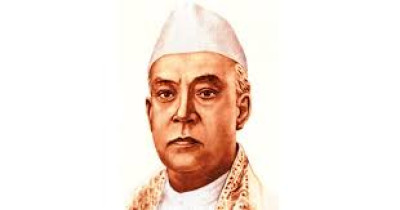
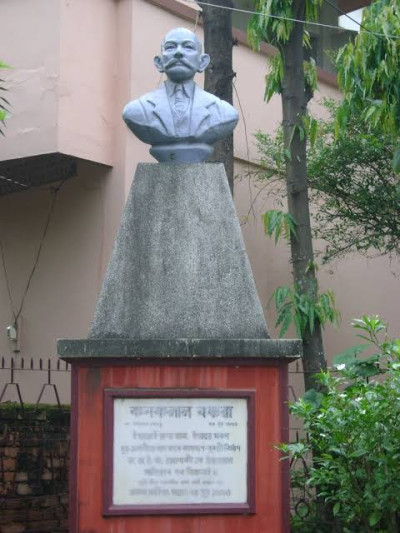
Kanaklal Barua was born on 22 August 1872 in Assam into a respected family that valued education and public service. From an early age, he displayed exceptional academic ability and developed a deep interest in history, literature, and Assamese culture. His curiosity about the region's ancient civilization inspired him to study historical records, inscriptions, and archaeological evidence throughout his life.
Education
Kanaklal Barua received his early education in Assam before pursuing higher studies. He became highly proficient in English and chose it as the primary language for many of his scholarly writings, enabling his research on Assam's history to reach readers across India and abroad. His educational background helped him develop expertise in history, administration, and literature.
Career and Public Service
Apart from being a distinguished scholar, Kanaklal Barua served in various administrative positions during British India. His knowledge of governance, cooperative development, and public administration earned him recognition within government circles. His contributions extended beyond academics as he actively worked to improve educational and cultural institutions in Assam.
In recognition of his administrative service, the British Government conferred upon him the title of Rai Bahadur. Although this title reflected his public service during the colonial period, his lasting legacy rests primarily on his scholarly contributions and dedication to preserving Assam's history.
Literary Career
Kanaklal Barua emerged as one of the prominent literary personalities of the Jonaki Era, a period that transformed modern Assamese literature. Alongside other leading intellectuals, he contributed to literary journals and encouraged historical and cultural studies. He also served as an editor of the renowned Assamese literary magazine Jonaki for a period, helping promote modern literary thought.
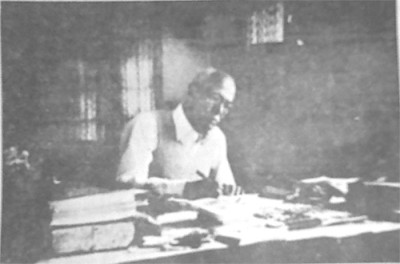
Unlike many contemporary writers who focused mainly on poetry or fiction, Barua concentrated on historical research, essays, and academic publications. His writings introduced systematic methods of studying Assam's past using historical evidence rather than folklore alone.
Major Contributions
Kanaklal Barua is widely recognized for making Assamese history accessible through well-researched publications. His works highlighted the political, cultural, and religious development of ancient Assam and the kingdom of Kamarupa. His research continues to influence historians studying Northeast India.
He also founded the Kamarupa Anusandhan Samiti (Assam Research Society), which became one of the earliest organizations dedicated to historical and archaeological research in Assam. The society played an important role in collecting manuscripts, inscriptions, coins, and historical artifacts for future generations.
Kanaklal Barua was instrumental in the establishment of the Assam Provincial Museum, which later became the Assam State Museum in Guwahati. His vision for preserving Assam's cultural heritage laid the foundation for one of the state's most important museums.
Political Career
Kanaklal Barua also participated in public life and politics. In 1929, he was elected to the Assam Legislative Assembly, where he represented the interests of the people of Assam. He additionally served as a member of the Viceroy's Executive Council, reflecting the respect he earned for his administrative knowledge and leadership.
President of Asam Sahitya Sabha
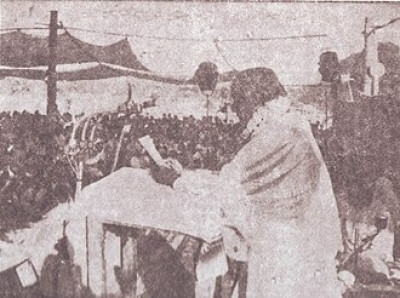
In 1924, Kanaklal Barua was elected President of the Asam Sahitya Sabha during its session held at Dibrugarh. His presidential address emphasized the importance of preserving Assamese language, literature, history, and cultural identity. His leadership further strengthened the role of the Sabha in promoting Assamese literary development.
Books Written by Kanaklal Barua
- Studies in the Early History of Assam
- An Early History of Kamarupa From the Earliest Time to the Sixteenth Century
- Manual of Co-operative Societies in Assam
Positions Held
- President, Asam Sahitya Sabha (1924)
- Founder President, Kamarupa Anusandhan Samiti (Assam Research Society)
- Member, Assam Legislative Assembly (from 1929)
- Member, Viceroy's Executive Council
- Editor, Jonaki magazine
Awards and Recognition
- Conferred the title of Rai Bahadur by the British Government.
- Recognized as one of the leading historians of Assam.
- Honoured for preserving the historical and cultural heritage of Assam.
- Founder of one of Assam's earliest historical research organizations.
- Remembered for his role in the establishment of the Assam State Museum.
Death
Kanaklal Barua passed away on 20 March 1940. His scholarly works continue to inspire historians, researchers, and students interested in Assam's history. His dedication to documenting the state's rich heritage ensures that his legacy remains an important part of Assamese intellectual history.
FAQs about Kanaklal Barua
1. Who was Kanaklal Barua?
Kanaklal Barua was a renowned Assamese historian, writer, essayist, politician, and President of the Asam Sahitya Sabha, known for his research on Assam's ancient history.
2. When was Kanaklal Barua born?
Kanaklal Barua was born on 22 August 1872 in Assam.
3. Why is Kanaklal Barua famous?
He is famous for his historical research, literary contributions, and his efforts to preserve Assam's cultural heritage.
4. Which books were written by Kanaklal Barua?
His notable books include Studies in the Early History of Assam, An Early History of Kamarupa From the Earliest Time to the Sixteenth Century, and Manual of Co-operative Societies in Assam.
5. What was Kanaklal Barua's role in Asam Sahitya Sabha?
He served as the President of the Asam Sahitya Sabha in 1924 during its Dibrugarh session.
6. What is Kamarupa Anusandhan Samiti?
It is a historical research organization founded under the leadership of Kanaklal Barua to promote the study of Assam's history and archaeology.
7. What was Kanaklal Barua's contribution to the Assam State Museum?
He was one of the principal visionaries behind the establishment of the Assam Provincial Museum, which later became the Assam State Museum.
8. What award did Kanaklal Barua receive?
He received the title of Rai Bahadur from the British Government for his public and administrative service.
9. Did Kanaklal Barua serve in politics?
Yes. He was elected to the Assam Legislative Assembly in 1929 and also served as a member of the Viceroy's Executive Council.
10. Why is Kanaklal Barua important in Assamese history?
Kanaklal Barua is regarded as one of Assam's pioneering historians whose research, books, and cultural initiatives greatly contributed to preserving the state's historical and literary heritage.