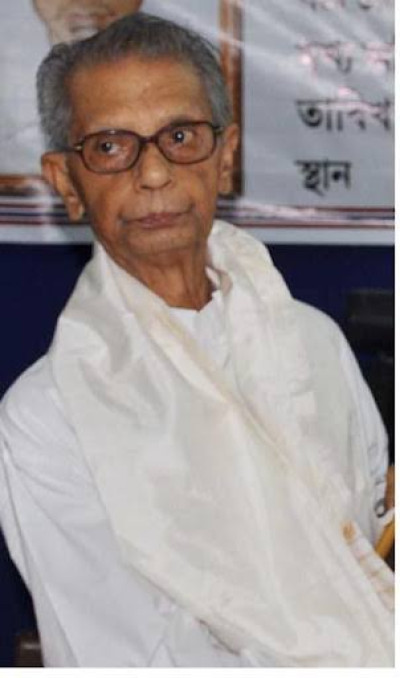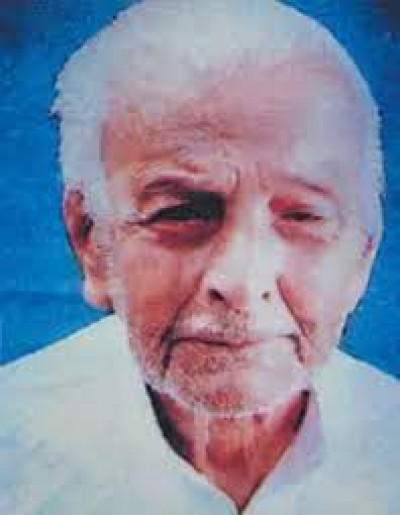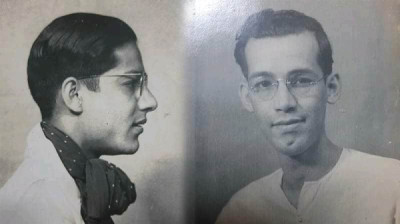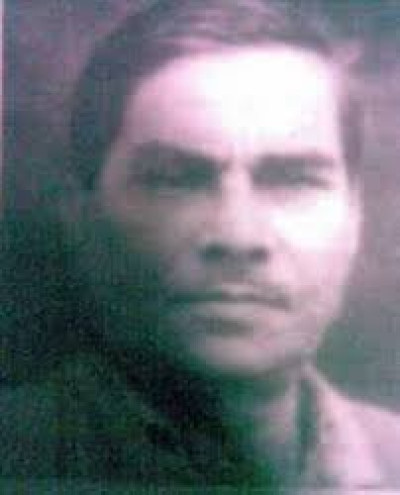
Life & Legacy
Early Life
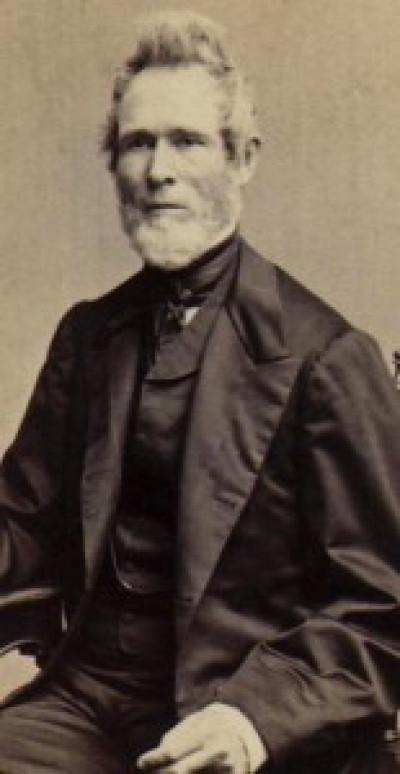
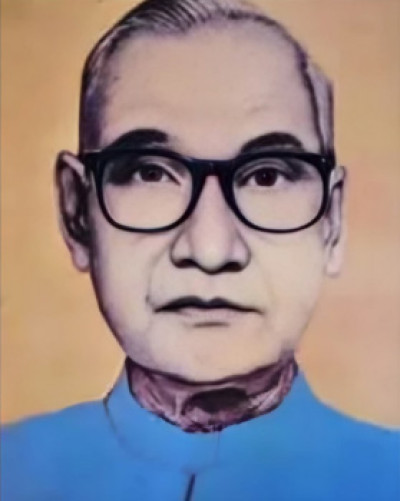
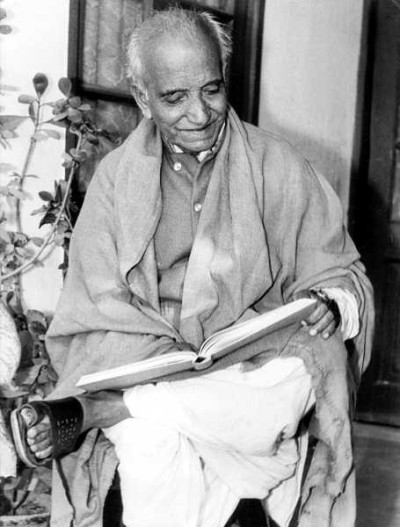
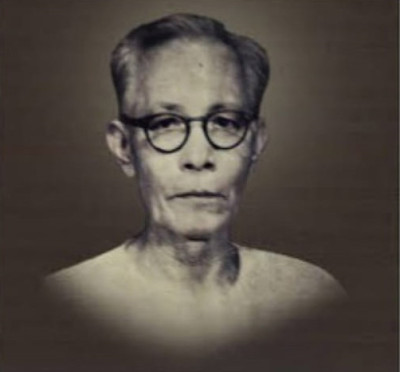
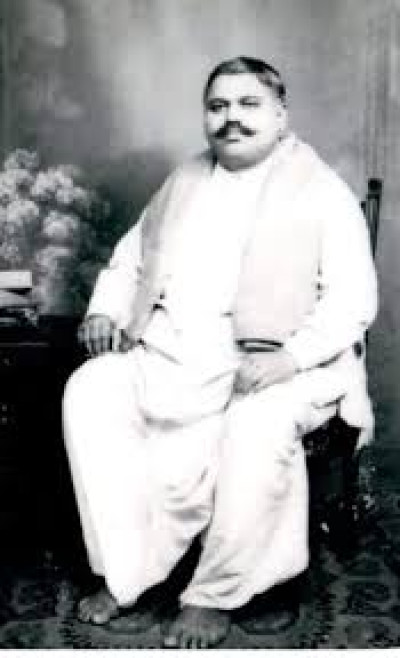
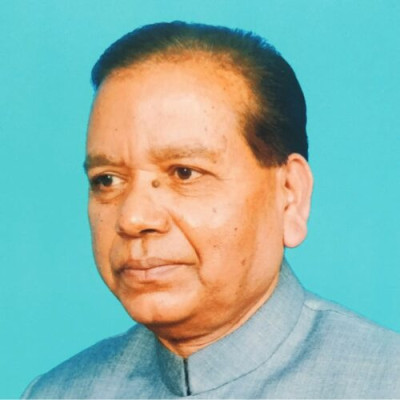
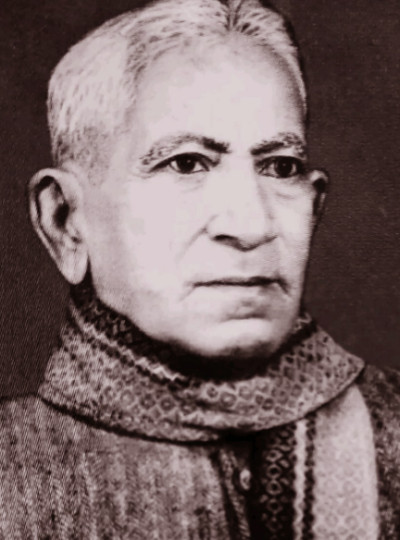
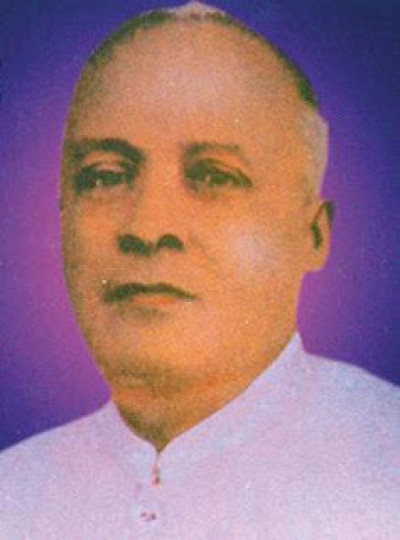
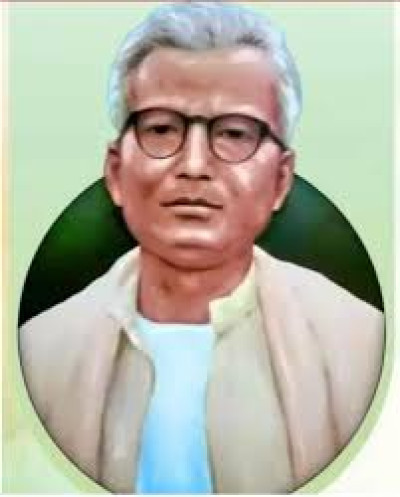
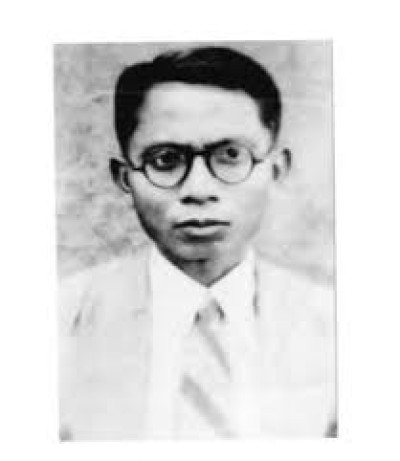
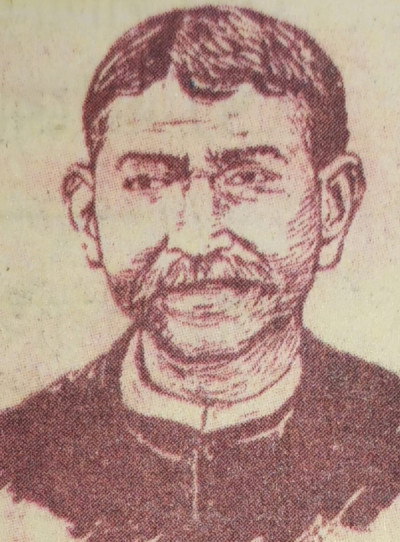
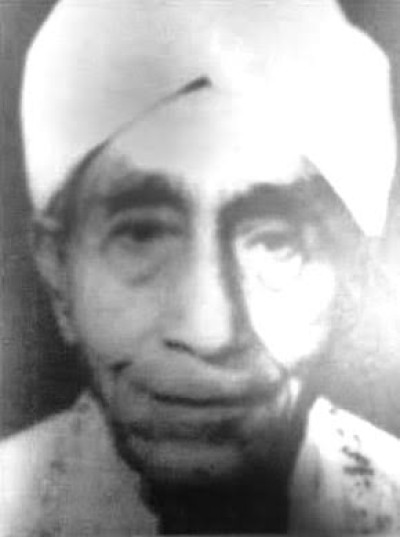
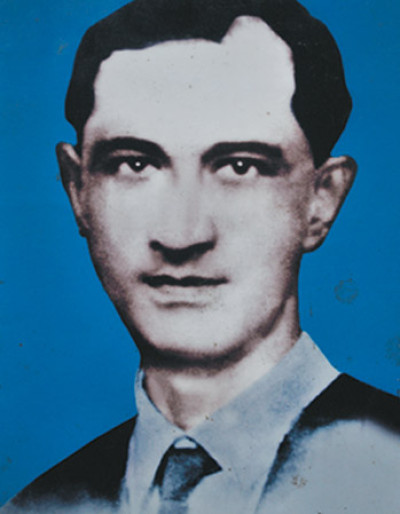
Benudhar Sharma was born on 16 November 1894 in Charing, Sivasagar district of Assam. Growing up in rural Assam during the British colonial period, he developed a deep interest in the history, traditions and culture of his homeland. From an early age, he displayed exceptional curiosity about historical events and Assamese society, interests that later became the foundation of his literary and scholarly career.
Education
He completed his early education in Sivasagar and passed the matriculation examination from Sivasagar Government High School. Later, he moved to Calcutta for higher studies. However, inspired by Mahatma Gandhi's call for the Non-Cooperation Movement, he left his studies and devoted himself to the cause of India's independence. His passion for learning never diminished, and he continued to educate himself through extensive reading, research and writing throughout his life.
Freedom Movement
Benudhar Sharma actively participated in India's struggle for independence. He joined the Indian National Congress and worked tirelessly to spread the message of nationalism across Assam. During the Non-Cooperation Movement and other freedom campaigns, he encouraged people to support Swadeshi ideals and resist British rule through peaceful means. His patriotic writings, speeches and journalism inspired many young Assamese to participate in the national movement. His commitment to both Assam and India established him as one of the notable freedom fighters from the region.
Literary Career
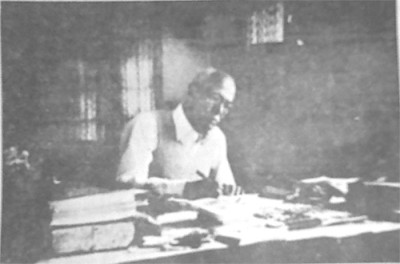
Benudhar Sharma was a prolific author whose writings covered history, biographies, essays, translations, travel accounts and cultural studies. His works combined historical accuracy with engaging storytelling, making complex historical subjects accessible to ordinary readers. He also translated important literary works into Assamese, enriching the state's literary landscape.
His writing style was known for its clarity, factual approach and deep respect for Assam's cultural heritage. Many of his books continue to serve as valuable references for researchers, students and readers interested in the history and literature of Assam.
Journalism and Historical Research
Apart from being an accomplished writer, Benudhar Sharma made significant contributions to Assamese journalism. He served as Associate Editor of Dainik Batori and later edited Turun Asom, where he published articles on social reform, history and national consciousness.
His historical research focused on the Ahom kingdom, Assamese society, the 1857 uprising in Assam, Vaishnavite institutions and several important historical personalities. Because of his extraordinary contribution to historical studies, he earned titles such as Itihas Ratna, Buronji Jadukar and Buronji Surya, reflecting the high regard scholars had for his work.
Major Books
Some of Benudhar Sharma's most notable publications include:
- Robinson Crusoe (Assamese translation)
- Congress Guide
- Jawaharlal Nehru's Biography
- Rangpata
- Satavan Sal
- Gangagobind Phukan
- Maniram Dewan
- Durbin
- Congressor Kanchiyali Rodot
- Latumoni
- Dunori
- Arghyabali
- Asom Buronjir Upakaran
- Dakshinpat Satra
- Phul Chandan
- Moromor Kareng
- Hemchandra Goswamir Jiboni
- Hemchandra Goswamir Rachanawali
- Maniram Dewanor Geet
- Bihu Sambhashan
- Bihu Aru Husori
- Bohag Bihur Baisishtya
- Asomat Islamor Sutrapat
- Rebellion of 1857 vis-a-vis Assam (English)
- Wadi's Account of Assam (English)
Positions Held
Throughout his distinguished career, Benudhar Sharma served in several important positions, including:
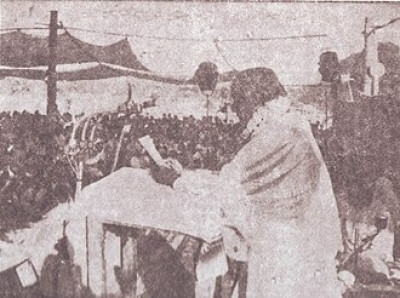
- President, Asam Sahitya Sabha (1956)
- Associate Editor, Dainik Batori
- Editor, Turun Asom
- Teacher at Phuleswari High School
- Teacher at Bezbarua High School
- Congress worker and freedom movement activist
- Historian, researcher and public intellectual
Awards and Recognition
Benudhar Sharma received numerous honours for his outstanding contribution to Assamese literature, history and public life.
His major recognitions include:
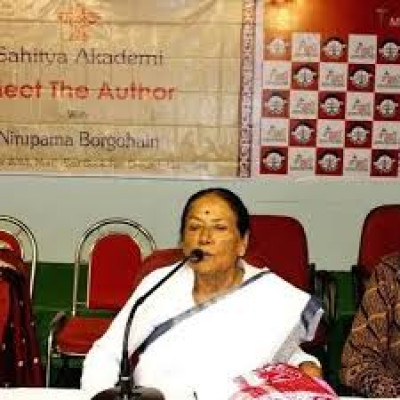
- Sahitya Akademi Award (1960) for Congressor Kanchiyali Rodot
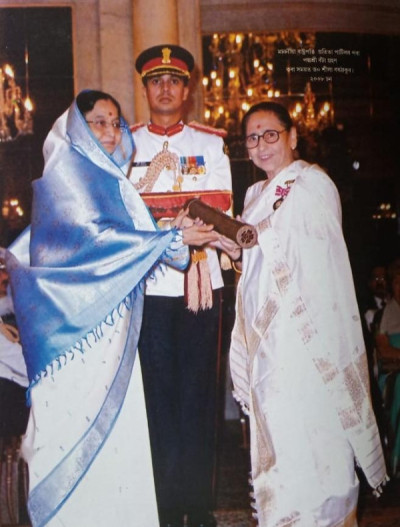
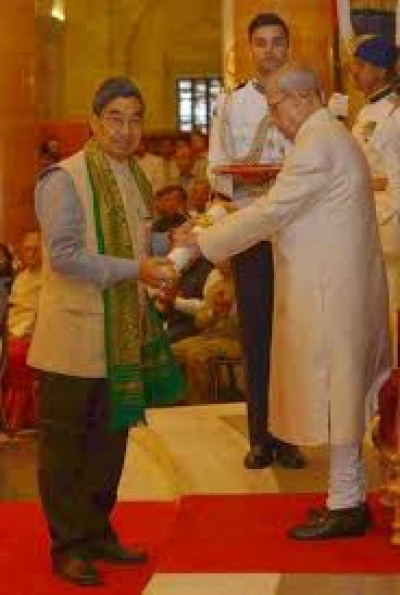
- Padma Bhushan (Posthumous, 1983)
- President of Asam Sahitya Sabha
- Honorary titles including Itihas Ratna
- Honoured as Buronji Jadukar
- Recognised as Buronji Surya by literary scholars
- Widely respected as one of Assam's pioneering historians and literary personalities
Death
Benudhar Sharma passed away on 26 February 1981. His death marked the end of an extraordinary chapter in Assamese intellectual history, but his literary and historical contributions continue to inspire readers, historians and researchers.
Legacy
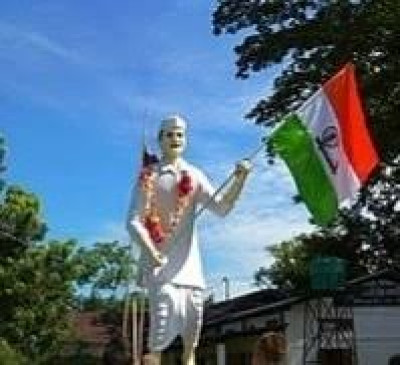
Benudhar Sharma occupies a distinguished place in the cultural history of Assam. His dedication to preserving historical records, promoting Assamese literature and participating in India's freedom movement made him an exceptional scholar and patriot. His biographies, historical writings and journalistic works continue to educate future generations about Assam's glorious past and cultural identity. Even today, his books remain valuable resources for students, historians and literature enthusiasts, ensuring that his legacy continues to influence Assamese society for generations to come.
FAQs about Benudhar Sharma
1. Who was Benudhar Sharma?
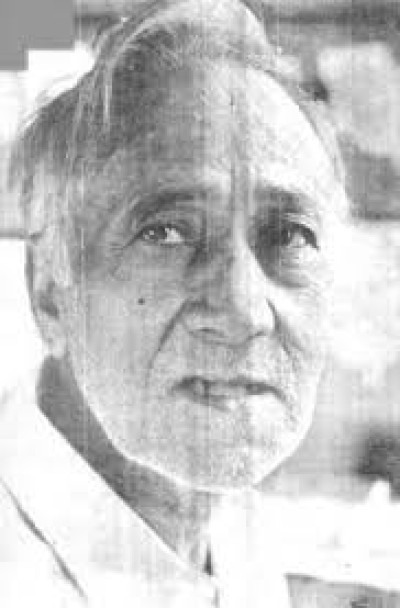
Benudhar Sharma was a renowned Assamese writer, historian, journalist, translator and freedom fighter. He played a significant role in preserving Assam's history through his research, literary works and patriotic writings. He was also a prominent leader of the Asam Sahitya Sabha and a recipient of the Sahitya Akademi Award.
2. When and where was Benudhar Sharma born?
Benudhar Sharma was born on 16 November 1894 in Charing, Sivasagar district, Assam. He spent his early years in Assam, where he developed a lifelong interest in literature, history and social service.
3. Why is Benudhar Sharma famous?
Benudhar Sharma is famous for his contributions to Assamese literature, historical research and journalism. He was also an active participant in India's freedom movement and authored several important books on Assam's history, culture and notable personalities.
4. Which awards did Benudhar Sharma receive?
Benudhar Sharma received the Sahitya Akademi Award in 1960 for his book Congressor Kanchiyali Rodot. He was posthumously honoured with the Padma Bhushan in 1983. He also received recognition as Itihas Ratna, Buronji Jadukar and Buronji Surya for his outstanding historical research.
5. What are the most famous books written by Benudhar Sharma?
Some of his well-known books include Congressor Kanchiyali Rodot, Maniram Dewan, Rangpata, Durbin, Latumoni, Dunori, Arghyabali, Dakshinpat Satra, Hemchandra Goswamir Jiboni, Asom Buronjir Upakaran and Rebellion of 1857 vis-a-vis Assam.
6. What was Benudhar Sharma's contribution to Assam's freedom movement?
Benudhar Sharma actively participated in the Indian freedom movement by joining the Indian National Congress, supporting the Non-Cooperation Movement and promoting nationalist ideals through journalism, speeches and literary works. His writings encouraged patriotism and social awareness across Assam.
7. What positions did Benudhar Sharma hold during his career?
Benudhar Sharma served as the President of the Asam Sahitya Sabha in 1956. He also worked as Associate Editor of Dainik Batori, Editor of Turun Asom, teacher, historian, journalist, researcher and social reformer throughout his distinguished career.
8. Why is Benudhar Sharma called an important historian of Assam?
Benudhar Sharma is regarded as one of Assam's greatest historians because of his extensive research on the Ahom kingdom, Assamese culture, freedom movement, historical monuments and important personalities. His books remain valuable references for historians and students.
9. When did Benudhar Sharma die?
Benudhar Sharma passed away on 26 February 1981. His contributions to Assamese literature, history and journalism continue to be remembered and appreciated throughout Assam and India.
10. What is Benudhar Sharma's legacy?
Benudhar Sharma's legacy lies in his lifelong dedication to Assamese literature, historical preservation, journalism and India's independence movement. His books, research and patriotic ideals continue to inspire scholars, students, writers and readers interested in Assam's rich cultural heritage.