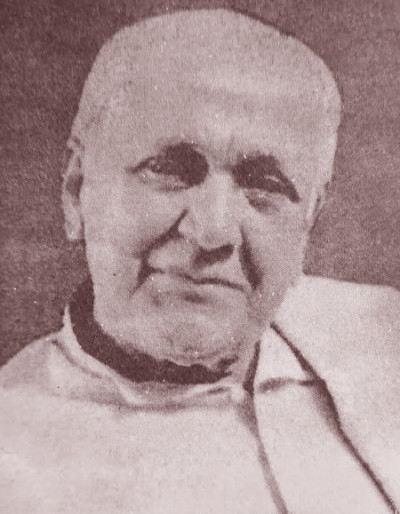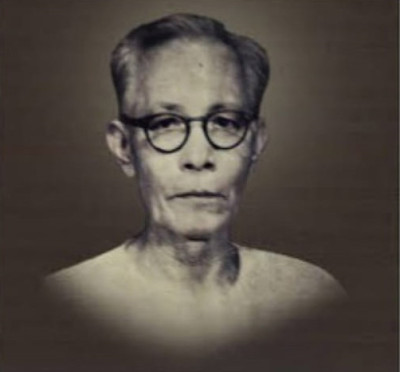
Life & Legacy
Early Life
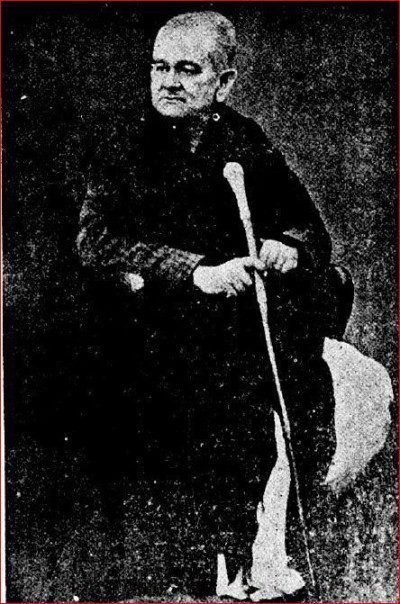
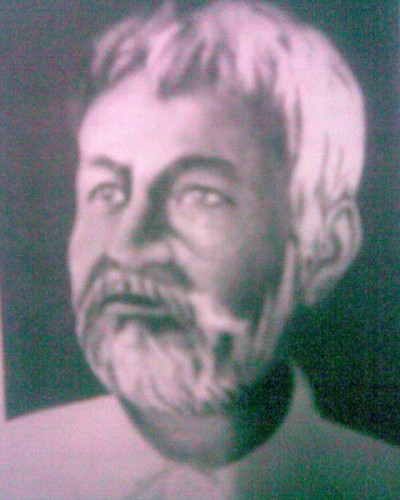
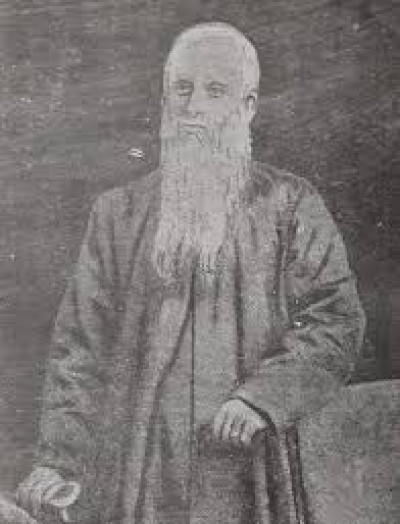
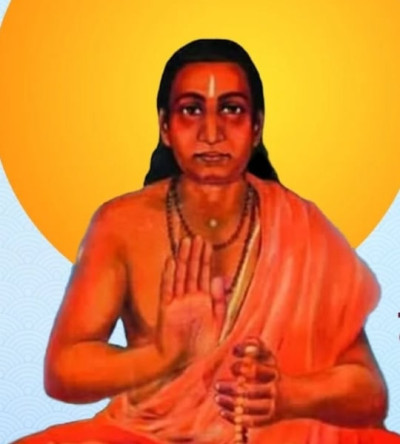
Bhattadeva was born around 1558 in Assam, although historical sources differ slightly regarding his exact birthplace and birth year. He was born into a respected Brahmin family and was originally known by the name Baikunthanath Bhattacharya. From childhood, he displayed exceptional intelligence and developed a keen interest in Sanskrit literature, philosophy, grammar, and religious studies. His family encouraged his education, allowing him to gain deep knowledge of classical Hindu scriptures at a young age.
Growing up in an environment rich in learning and spirituality, Bhattadeva mastered Sanskrit and became well versed in the Vedas, Upanishads, Bhagavad Gita, Bhagavata Purana, and other important religious texts. His scholarly excellence later enabled him to become one of the finest interpreters of Hindu philosophy in Assam.
Education
Bhattadeva received traditional education under renowned Sanskrit scholars of his time. His studies focused on Sanskrit grammar, logic, philosophy, theology, and devotional literature. Besides mastering classical texts, he possessed extraordinary skill in explaining difficult philosophical ideas using clear and simple language.
His education shaped his lifelong mission of making religious knowledge accessible to common people who could not understand Sanskrit. Instead of limiting sacred knowledge to scholars, he believed that everyone should be able to read and understand spiritual teachings in their own language.
Spiritual Journey
Bhattadeva became a devoted follower of the Neo-Vaishnavite movement founded by Mahapurush Srimanta Sankardev. He later accepted initiation under Damodardev, one of the prominent disciples and successors of Sankardev. Under his spiritual guidance, Bhattadeva dedicated his life to spreading the principles of Ekasarana Dharma based on devotion to Lord Krishna, equality, moral values, and compassion.
His religious life combined scholarship with devotion. Rather than promoting complicated rituals, he emphasized faith, ethical living, devotion, and scriptural understanding. His writings reflected these ideals and helped strengthen the Vaishnavite movement across Assam.
Literary Contributions
Bhattadeva occupies a unique place in Assamese literature because he introduced organized prose writing at a time when most literary works were composed in verse. His prose was elegant, natural, and easy to understand, making it suitable for readers from different social backgrounds.
His greatest achievement was translating important Hindu scriptures into Assamese prose while preserving their spiritual meaning. These translations became invaluable resources for devotees, scholars, and ordinary readers.
Among his most important literary contributions are:
- Assamese translation of the Bhagavata Purana (Bhagavat)
- Assamese prose version of the Bhagavad Gita (Katha Gita)
- Various devotional writings explaining Vaishnavite philosophy
- Religious commentaries promoting Ekasarana Dharma
- Prose interpretations of Sanskrit scriptures for the common people
His writings established the foundation upon which later Assamese prose literature developed. Because of this lasting influence, Bhattadeva is remembered as the Father of Assamese Prose.
Katha Bhagavat
One of Bhattadeva's greatest literary masterpieces is the Katha Bhagavat, an Assamese prose rendering of the Bhagavata Purana. Instead of producing a literal translation, he carefully explained the meaning of the Sanskrit verses in clear Assamese so that ordinary people could easily understand the teachings of Lord Krishna and the philosophy of devotion.
The work became immensely popular across Assam and continues to be respected as one of the finest examples of early Assamese prose literature. Katha Bhagavat remains an important religious and literary text that has influenced generations of readers, scholars, and devotees.
Katha Gita
Bhattadeva also translated the Bhagavad Gita into Assamese prose through his celebrated work Katha Gita. The text explains the dialogue between Lord Krishna and Arjuna in language that ordinary people could understand without requiring advanced knowledge of Sanskrit.
Katha Gita introduced philosophical concepts such as duty, righteousness, devotion, karma, and liberation to a wider audience. Its clear presentation made one of Hinduism's greatest scriptures accessible throughout Assam and significantly strengthened devotional learning within Assamese society.
Awards and Recognition
Although Bhattadeva lived during the medieval period when formal literary awards did not exist, his contributions have earned lasting recognition over the centuries.
- Widely honored as the Father of Assamese Prose.
- Revered as one of the greatest pioneers of Assamese literature.
- Recognized for translating Sanskrit scriptures into simple Assamese prose for the common people.
- Considered one of the earliest and most influential prose writers in the Assamese language.
- His literary works are preserved and studied in universities, schools, and research institutions across Assam.
- His contributions to Neo-Vaishnavite literature continue to inspire scholars, writers, and devotees.
- Frequently remembered during literary seminars, cultural programs, and academic discussions on Assamese language and literature.
- His writings remain an important part of Assam's cultural and religious heritage.
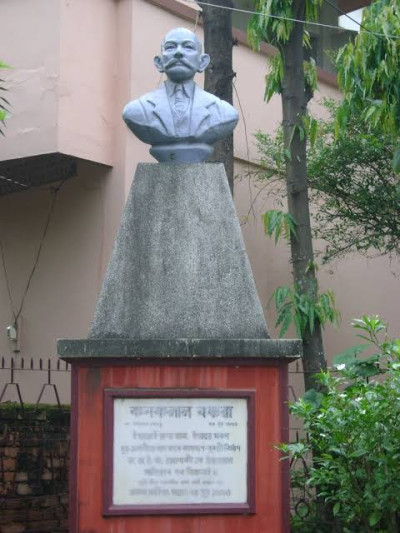
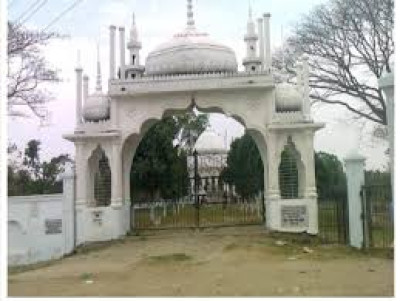
Bhattadeva's extraordinary contribution to Assamese language and literature continues to receive recognition even in modern times. In his honor, the Government of Assam established Bhattadev University at Pathsala in Bajali district under the Bhattadev University Act, 2017. The university officially began functioning on 24 June 2019, following its upgrade from the historic Bajali College, an institution that had served higher education in Assam for more than sixty years. The university was named after Bhattadeva to commemorate his unmatched contribution to Assamese prose and religious literature. Renowned for his exceptional scholarship in Sanskrit grammar, philosophy, and the Bhagavata Purana, Bhattadeva earned the respected title Bhagavat Bhattacharya. Today, the university stands as a lasting tribute to his literary brilliance and continues to promote education, research, and academic excellence while preserving the cultural and intellectual legacy of one of Assam's greatest scholars.
Death
Bhattadeva passed away in the early 17th century, though the exact date and year of his death are not historically documented. He spent the later years of his life dedicated to religious scholarship, literary writing, and the propagation of Ekasarana Dharma. His death marked the end of an extraordinary literary journey, but his works continued to shape Assamese language, literature, and devotional traditions for generations. Today, he is remembered as one of Assam's greatest literary figures whose influence remains timeless.
Legacy
Bhattadeva's legacy extends far beyond literature. He transformed the way religious knowledge was communicated by introducing simple yet elegant Assamese prose, making complex philosophical teachings accessible to the common people. His writings significantly influenced later generations of Assamese scholars, poets, translators, and spiritual leaders. Modern Assamese prose traces its roots to his pioneering efforts, and his literary achievements continue to be celebrated as milestones in the cultural history of Assam.
Today, Bhattadeva is remembered not only as a saint and scholar but also as one of the greatest architects of the Assamese language. His works continue to be preserved, researched, and admired, ensuring that his contribution to Assam's literary and spiritual heritage remains relevant for future generations.
FAQs on Bhattadeva