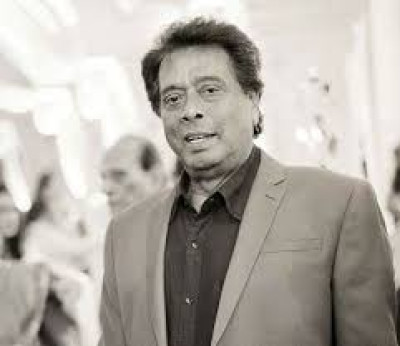
Life & Legacy
Early Life
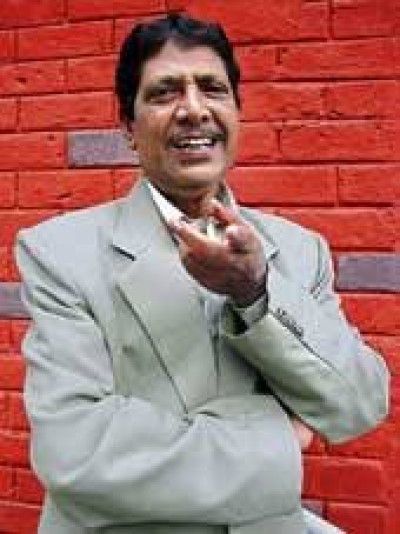
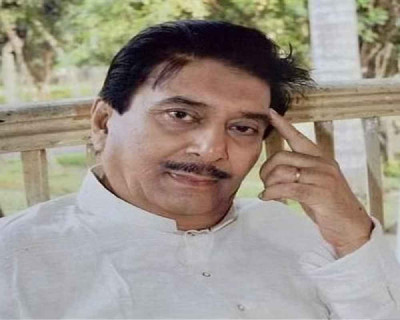
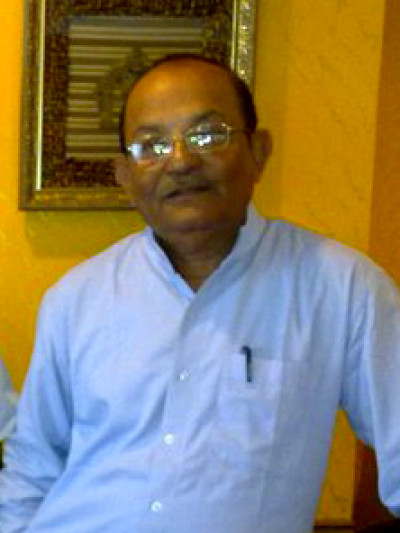
Biju Phukan was born as Bijoy Phukan on 18 February 1947 in Dibrugarh, Assam, India. He was born into a respected family where his father, Atul Chandra Phukan, served as a military officer. Growing up in a culturally rich environment, he developed a deep interest in acting and performing arts from an early age. His passion for cinema eventually inspired him to pursue a career in the Assamese entertainment industry.
Education
Biju Phukan completed his schooling in Dibrugarh and later studied at Dibrugarh Hanumanbux Surajmal Kanoi College. During his college years, he actively participated in cultural activities and gradually built his confidence as a performer. Although he chose acting as his profession, his academic background and discipline contributed significantly to his successful career.
Film Career
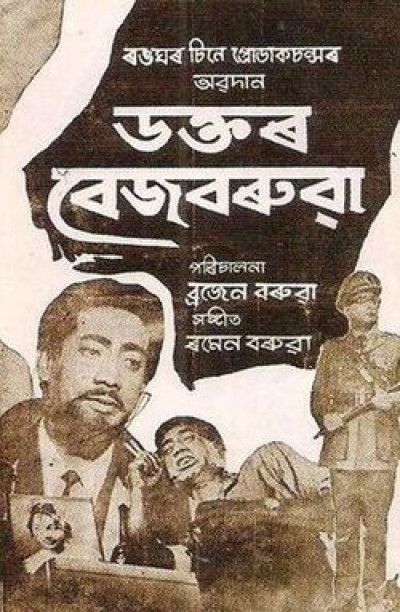
Biju Phukan entered Assamese cinema in 1970 with a small appearance in the landmark thriller Dr. Bezbarua, directed by Brajen Barua. The same year, he received his first leading role in Baruar Sansar, which introduced him as a promising new hero. His breakthrough came with Aranya, a critically acclaimed film that established him as one of the leading actors of Assamese cinema.
Over the following decades, Biju Phukan became synonymous with romantic and family-oriented films. His natural acting style, graceful personality, and emotional performances made him one of the most loved heroes among Assamese audiences. He successfully balanced commercial entertainers with meaningful films directed by renowned filmmakers such as Jahnu Barua and Bhabananda Nath Saikia.
Apart from Assamese films, he also acted in several Bengali films, television serials, teleplays, and stage productions. His contribution to Assam's mobile theatre further strengthened his reputation as a versatile performer who remained connected with audiences across the state.
Popular Movies
Some of Biju Phukan's most notable films include:
- Dr. Bezbarua
- Baruar Sansar
- Aranya
- Ajali Nabou
- Bowari
- Aparupa
- Agnisnan
- Papori
- Pita Putra
- Pahari Konya
- Itihas
- Agnisakshi
- Barood
- Dur
- The Underworld
These films remain important milestones in the development of Assamese cinema and continue to be appreciated by movie lovers.
Direction and Other Contributions
Besides acting, Biju Phukan also explored film direction and production. He directed the commercially successful Assamese film Bhai-Bhai and worked on children's films and television productions. His television serial Deuta, based on a story by Bhabananda Nath Saikia, received appreciation from viewers. He also produced the video film Ghatak, demonstrating his interest in different aspects of filmmaking.
Political Career
In 1999, Biju Phukan entered public life by contesting the Lok Sabha election from the Dibrugarh constituency as a candidate of the Asom Gana Parishad (AGP). Although he was not elected, his participation reflected his desire to contribute to society beyond cinema.
Personal Life
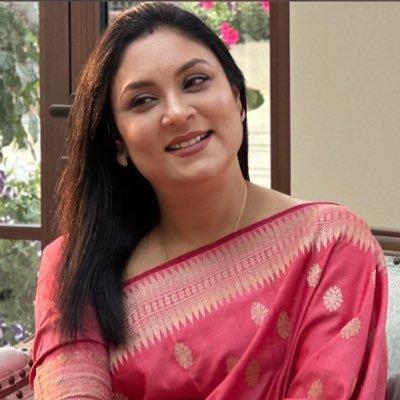
Biju Phukan was married to Rajashree Phukan, who was associated with film production. Their daughter, Sanghamitra Phukan, popularly known as Risha, established herself as a successful fashion designer and model. Despite his popularity, Biju Phukan maintained a simple lifestyle and remained deeply connected to Assamese culture throughout his life.
Achievements
- One of the most successful heroes of Assamese cinema.
- Acted in more than 80 Assamese feature films.
- Worked in Bengali films, television serials, and mobile theatre.
- Directed commercially successful Assamese films.
- Member of the Indian Panorama jury.
- Helped popularize Assamese cinema across Northeast India.
- Worked with several award-winning filmmakers.
- Inspired generations of actors through his performances.
Awards and Recognition
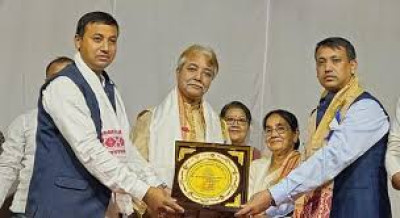
Although Biju Phukan received numerous honours from cultural organizations throughout his career, his greatest recognition came from the love and admiration of Assamese audiences. His films remain classics of Assamese cinema, and he continues to be remembered as one of the industry's finest actors. Various cultural institutions have honoured his lifelong contribution to Assamese films and theatre.
Death
Biju Phukan passed away on 22 November 2017 at Apollo Hospital in Guwahati at the age of 70. His death was widely mourned by the Assamese film fraternity, cultural organizations, political leaders, and thousands of admirers across the state. His contribution to Assamese cinema continues to be celebrated through film festivals, retrospectives, and tributes.
Legacy
Biju Phukan transformed Assamese cinema with his outstanding performances, dedication, and professionalism. His ability to portray romantic, emotional, and socially relevant characters made him one of the defining stars of Assamese films. Even years after his passing, his movies remain popular, and his legacy continues to inspire aspiring actors and filmmakers across Assam.
FAQs on Biju Phukan
1. Who was Biju Phukan?
Biju Phukan was a legendary Assamese film actor, director, and theatre artist who became one of the biggest stars in the history of Assamese cinema.
2. When was Biju Phukan born?
Biju Phukan was born on 18 February 1947 in Dibrugarh, Assam, India.
3. Which was Biju Phukan's first film?
He first appeared in Dr. Bezbarua in 1970 and later made his debut as a leading actor in Baruar Sansar.
4. How many films did Biju Phukan act in?
He acted in more than 80 Assamese feature films along with several Bengali films, television productions, and stage plays.
5. What are the most popular movies of Biju Phukan?
Some of his famous films include Dr. Bezbarua, Baruar Sansar, Aranya, Ajali Nabou, Bowari, Aparupa, Papori, Agnisnan, and Pita Putra.
6. Did Biju Phukan direct films?
Yes. He directed Assamese films, including the commercially successful Bhai-Bhai, and also worked on television productions.
7. Was Biju Phukan involved in politics?
Yes. He contested the 1999 Lok Sabha election from the Dibrugarh constituency as an Asom Gana Parishad (AGP) candidate.
8. When did Biju Phukan die?
Biju Phukan passed away on 22 November 2017 in Guwahati, Assam.
9. What was Biju Phukan's contribution to Assamese cinema?
He helped popularize Assamese cinema through memorable performances, supported theatre, worked as a director, and inspired future generations of actors.
10. Why is Biju Phukan remembered today?
He is remembered as one of the greatest icons of Assamese cinema whose remarkable films, dedication to acting, and contribution to Assamese culture continue to inspire audiences and filmmakers.