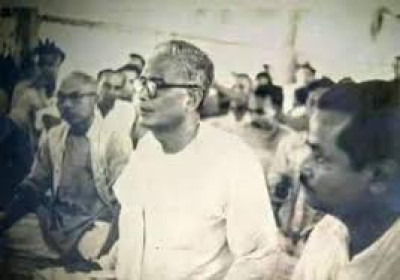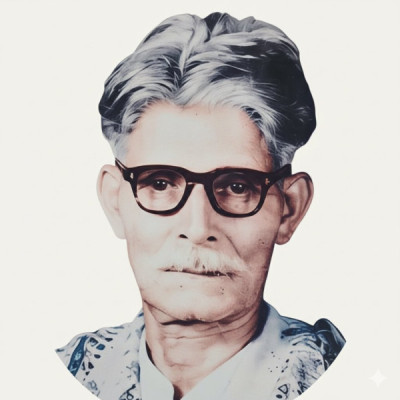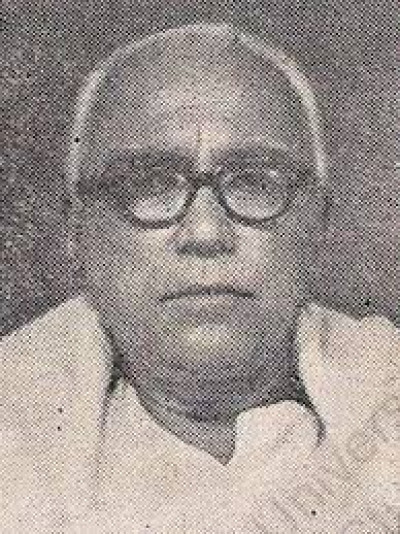
Life & Legacy
Early Life
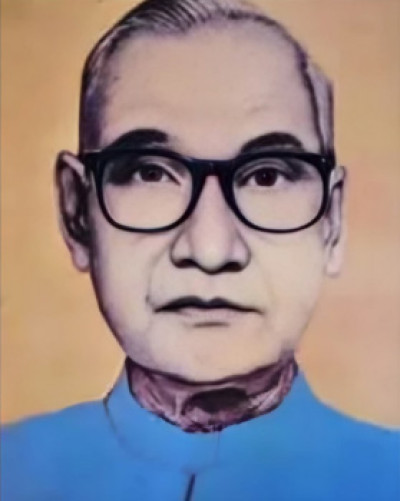
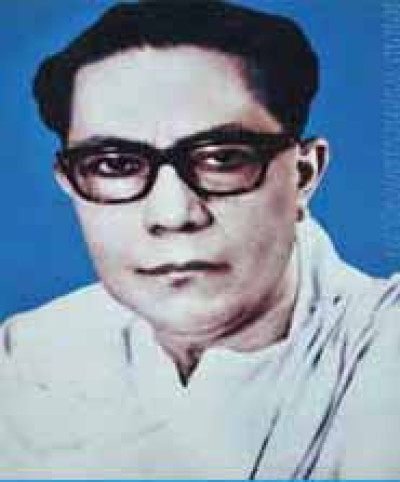
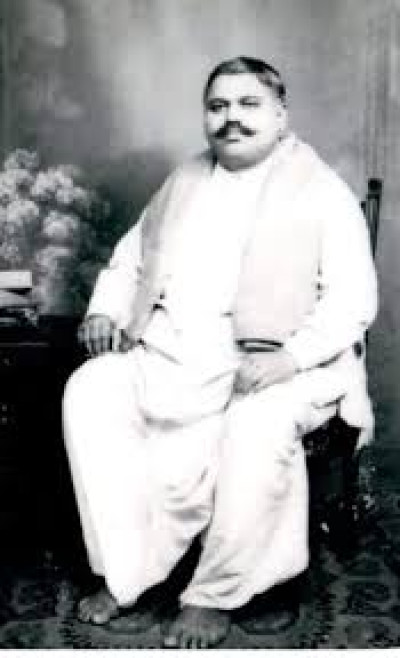
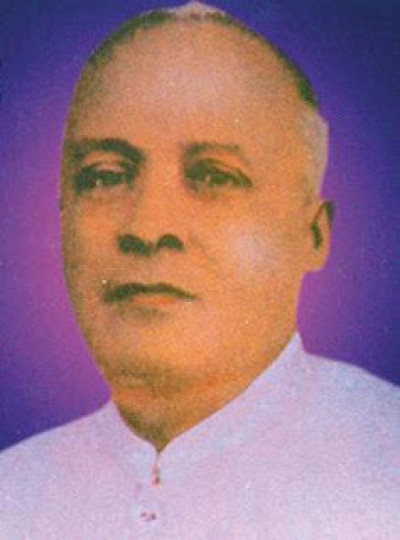
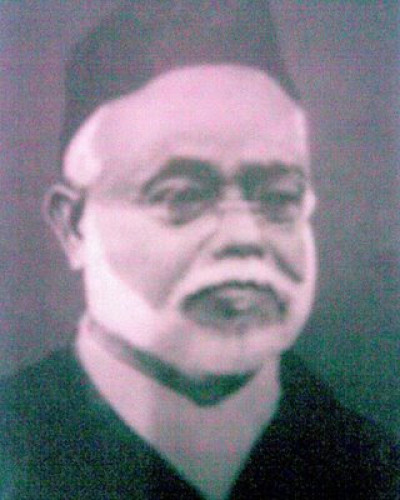
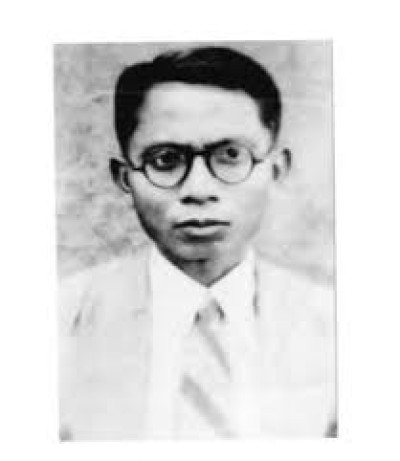
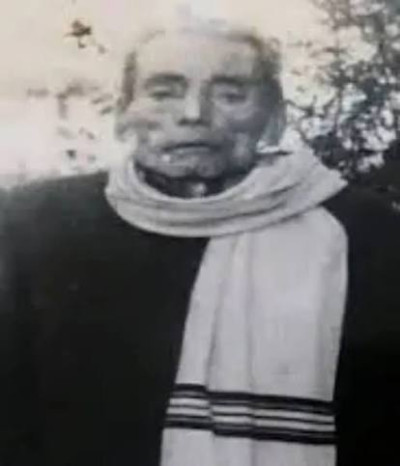
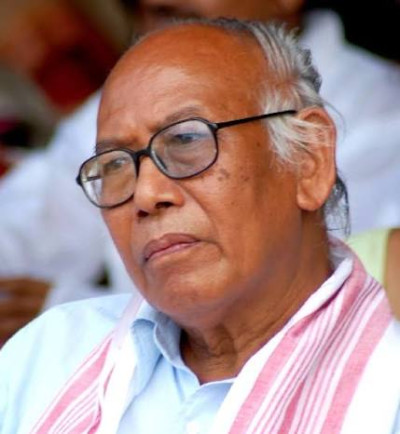
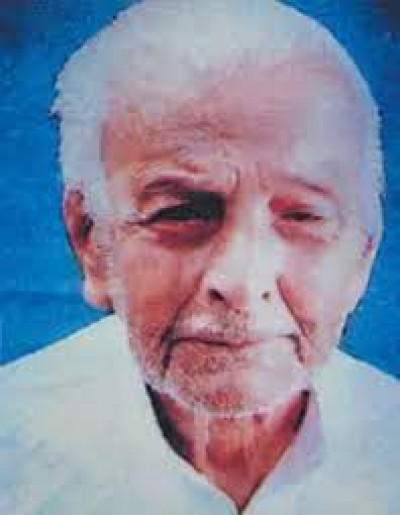
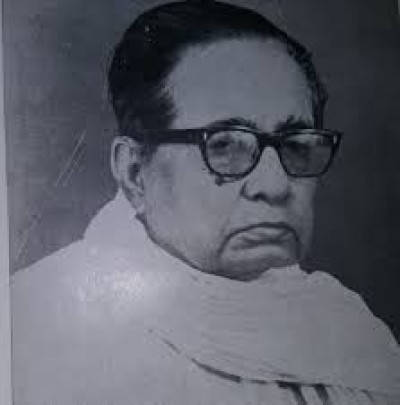
Atul Chandra Hazarika was born on 9 September 1903 in Assam. From an early age, he showed a keen interest in literature, language, history and Assamese culture. Growing up in an environment rich in folklore and traditional values inspired him to pursue writing as a lifelong passion. His love for Assamese heritage later became the central theme of many of his literary works.
Education
Hazarika completed his higher education with distinction and earned a Master of Arts (M.A.) degree from the University of Calcutta in 1943. His academic background in literature strengthened his understanding of classical and modern literary traditions. He later devoted himself to teaching Assamese literature and became an influential educator who inspired many young scholars.
Academic Career
Atul Chandra Hazarika began his professional career as a teacher of Assamese literature. He served at Cotton College, Guwahati, where he eventually became the Professor and Head of the Department of Assamese. He retired from academic service in 1961 after making significant contributions to higher education. His teaching career reflected his dedication to promoting the Assamese language among future generations.
Literary Career
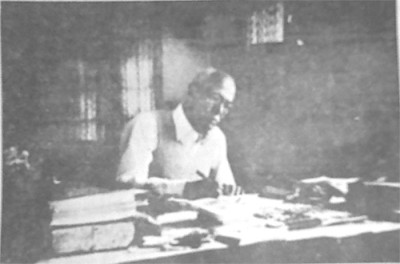
Atul Chandra Hazarika authored more than 100 books across multiple literary genres. His works combined creativity, scholarship and cultural values, helping shape modern Assamese literature during the twentieth century.
He became especially famous during the 1930s when Assamese theatre was undergoing a transformation. Through a series of historical and mythological plays, he revived public interest in Assamese drama and introduced a new era for the regional stage. His poetic collections also earned immense popularity, establishing him as one of Assam's leading poets.
Apart from original writings, he translated several well-known Western classics into Assamese, allowing readers to experience world literature in their native language. His adaptations of Grimm's Fairy Tales and Andersen's Fairy Tales became highly popular among children.
Contribution to Assamese Theatre
Atul Chandra Hazarika played a crucial role in the development of Assamese theatre. His dramas combined mythology, history, patriotism and human values with engaging storytelling. His plays were widely staged across Assam and helped strengthen the cultural identity of Assamese society.
One of his greatest scholarly achievements was Manchalekha, a comprehensive study documenting nearly five centuries of Assamese theatre and dramatic traditions. This landmark work remains an important reference for researchers and theatre enthusiasts.
Poetry and Children's Literature
As a poet, Atul Chandra Hazarika expressed themes of patriotism, love, spirituality, nature and Assamese identity. His poetry collections were appreciated for their lyrical beauty and emotional depth.
He also wrote numerous children's books that entertained young readers while teaching moral values and introducing them to folklore and mythology. His translations of international fairy tales into Assamese expanded children's literature in the state.
Role in Assamese Culture
Beyond writing, Hazarika actively worked for the promotion of Assamese language and culture. He served as the President of Asam Sahitya Sabha and contributed significantly to strengthening the organization during a crucial period.
He was also associated with the early movement to organize Bihu celebrations on public stages, helping transform the festival into a major cultural event celebrated across Assam. His editorial work preserved the writings of several important Assamese authors and introduced lesser-known literary talents to readers.
Major Books
Some of the best-known books written by Atul Chandra Hazarika include:
Poetry
- Monimala
- Panchajanya
- Dipali
- Mukutamala
- Tapoban
- Monmadhuri
- Monikut
- Raangdhali
Drama
- Narakasur
- Beula
- Kaunaj Kunwari
- Kurukshetra
- Shakuntala
- Banijkonwar
- Chhatrapati Shivaji
- Marjiyana
- Rukminiharan
- Ashrutirtha
Children's Literature
- Ichhapar Sadhu
- Lorar Jatak
- Katha Daxam
- Apeshwareer Sadhu
- Katha Kirtan
- Ramayanar Rahghora
Other Important Works
- Manchalekha
- Uchawar Rahghoraa
- Uchawar Rangchara
- Jatiya Sangeet
- Biswajyoti
Achievements
- Authored more than 100 books in Assamese.
- Revitalized Assamese theatre through historical and mythological dramas.
- Served as Professor and Head of the Department of Assamese at Cotton College.
- Served as President of Asam Sahitya Sabha.
- Played an important role in promoting public Bihu celebrations.
- Translated several world-famous literary classics into Assamese.
- Edited and preserved works of many notable Assamese writers.
- Produced one of the most important historical studies on Assamese theatre through Manchalekha.
Awards and Recognition
Atul Chandra Hazarika received numerous honours for his outstanding literary contributions.
- Sahityacharya title conferred by Asam Sahitya Sabha.
- Sahitya Akademi Award (1969) for Manchalekha.
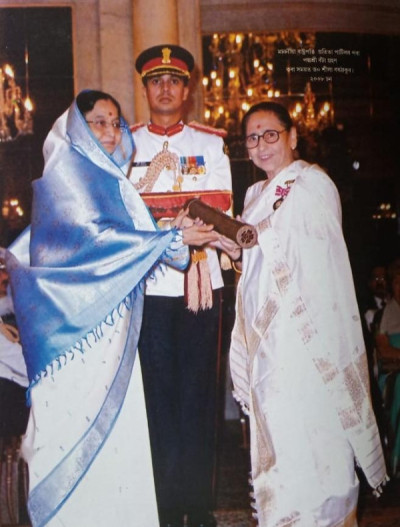
- Padma Shri (1971) awarded by the Government of India.
- Government of Assam instituted the Atul Chandra Hazarika Award to honour distinguished contributors to Assamese drama and mobile theatre.
- A hostel at Gauhati University has been named in his honour.
Death
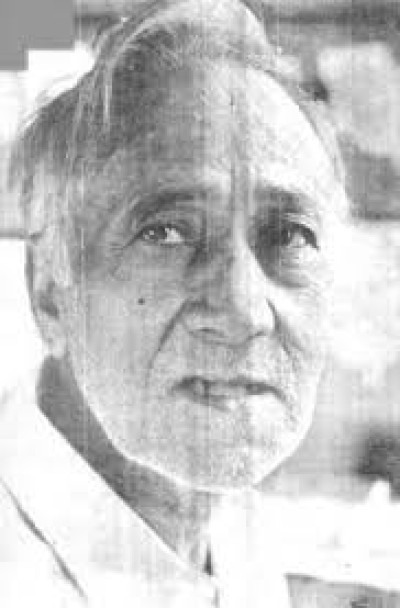
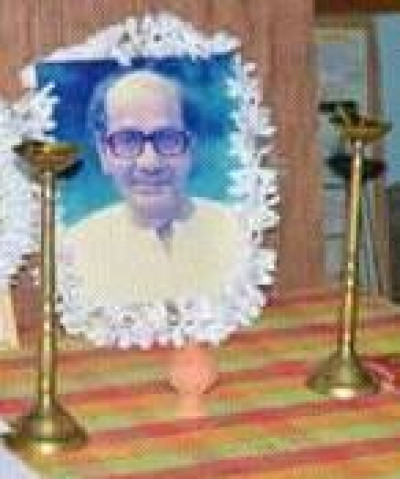
Atul Chandra Hazarika passed away on 7 June 1986 at the age of 82. His death marked the end of an extraordinary literary career, but his writings continue to inspire readers, researchers, dramatists and students throughout Assam.
Legacy
Atul Chandra Hazarika is remembered as one of the architects of modern Assamese literature and theatre. His remarkable body of work enriched poetry, drama, children's literature and literary research while preserving the cultural heritage of Assam. His books continue to be studied in educational institutions, his plays are still performed, and his contributions to Assamese language and culture remain invaluable. His lifelong commitment to literature has secured him a permanent place among the greatest literary figures in the history of Assam.
FAQs ON Atul Chandra Hazarika
1. Who was Atul Chandra Hazarika?
Atul Chandra Hazarika was a renowned Assamese poet, dramatist, children's writer, translator and literary scholar. He made significant contributions to Assamese literature and theatre and was honoured with the title "Sahityacharya" by Asam Sahitya Sabha.
2. When and where was Atul Chandra Hazarika born?
Atul Chandra Hazarika was born on 9 September 1903 in Assam. He grew up during a period of cultural awakening that greatly influenced his literary career.
3. Why is Atul Chandra Hazarika famous?
He is famous for writing more than one hundred books, reviving Assamese theatre, promoting Assamese literature and authoring the award-winning literary work Manchalekha.
4. Which awards did Atul Chandra Hazarika receive?
He received the Sahitya Akademi Award in 1969 for Manchalekha, the Padma Shri in 1971, and the honorary title of Sahityacharya from Asam Sahitya Sabha.
5. What is the famous book written by Atul Chandra Hazarika?
His most celebrated work is Manchalekha, an important study documenting nearly five hundred years of Assamese drama and theatre history.
6. What are the major contributions of Atul Chandra Hazarika?
His major contributions include writing poetry, dramas, children's literature, translations, literary criticism, preserving Assamese culture and promoting modern Assamese theatre.
7. Was Atul Chandra Hazarika associated with Asam Sahitya Sabha?
Yes. He actively served Asam Sahitya Sabha and later became its President, playing an important role in promoting Assamese language and literature.
8. What are some famous books written by Atul Chandra Hazarika?
Some of his notable books include Manchalekha, Monimala, Dipali, Narakasur, Beula, Kurukshetra, Shakuntala and Rukminiharan.
9. When did Atul Chandra Hazarika pass away?
Atul Chandra Hazarika passed away on 7 June 1986. His literary works continue to inspire readers, writers and theatre artists across Assam.
10. What is the legacy of Atul Chandra Hazarika?
Atul Chandra Hazarika is remembered as one of the greatest literary figures of Assam. His contributions to poetry, drama, education and Assamese cultural heritage continue to influence generations of scholars, students and literature lovers.