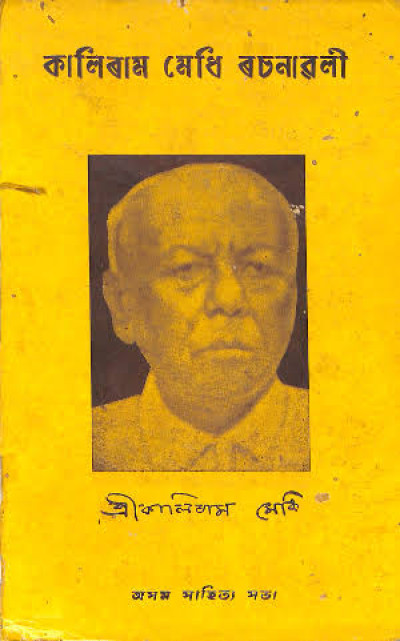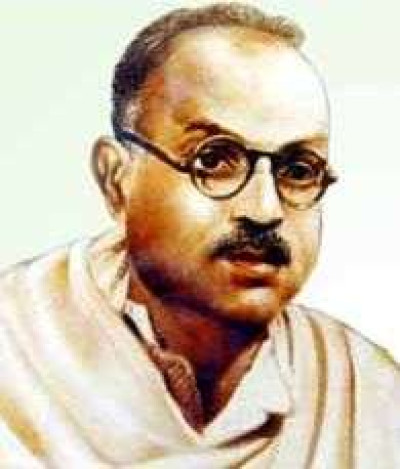
Life & Legacy
Early Life
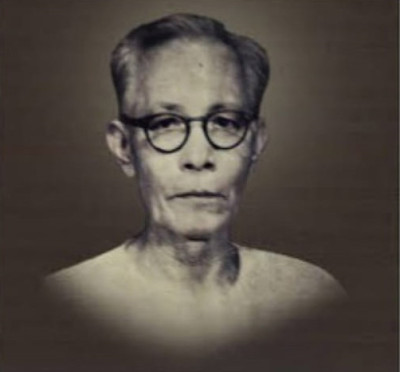
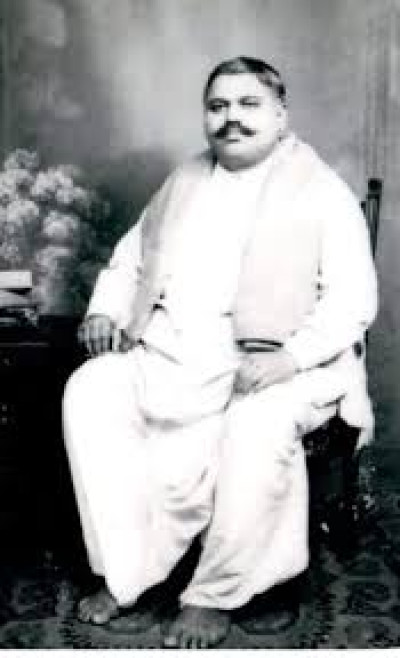
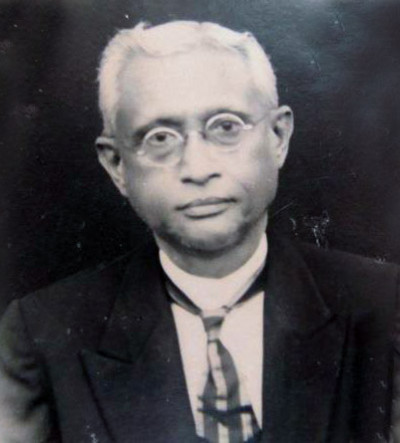
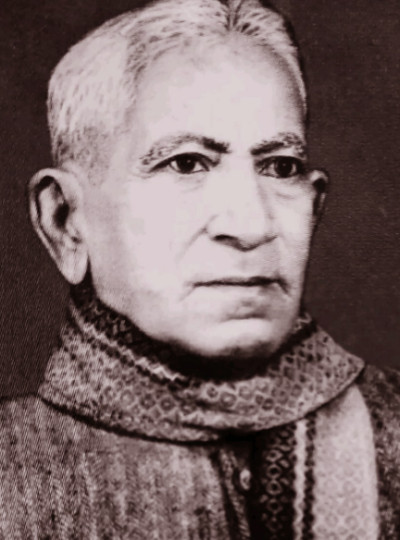
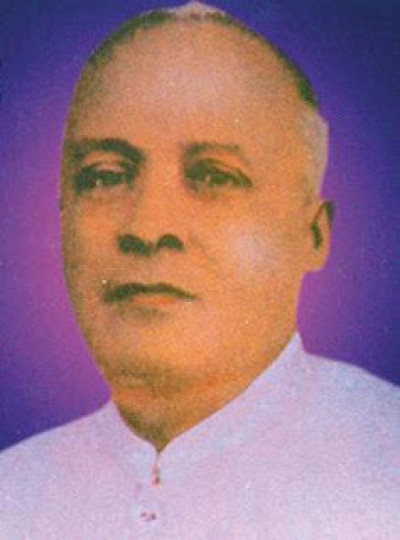
Banikanta Kakati was born on 15 November 1894 in Barpeta, Assam, into a respected family. He was the second son of Lalitram Kakati and Lahobala Kakati. From a young age, he displayed extraordinary intelligence and a remarkable memory. Stories from his childhood describe his exceptional command of Sanskrit and his outstanding academic performance. His deep interest in languages, literature and history laid the foundation for an illustrious scholarly career.
Education
Banikanta Kakati completed his early education in Assam before appearing for the matriculation examination under the University of Calcutta, where he secured the highest marks in English among students from Assam. In 1913, he stood first in the Intermediate examination from Cotton College under Calcutta University.
He later graduated in English Literature from Presidency College, Calcutta. Continuing his academic excellence, he obtained another Master's degree in English Language with first-class first position from the University of Calcutta. His most significant academic achievement came with his doctoral research titled "Assamese: Its Formation and Development," which became one of the most important works ever written on the Assamese language.
Academic Career
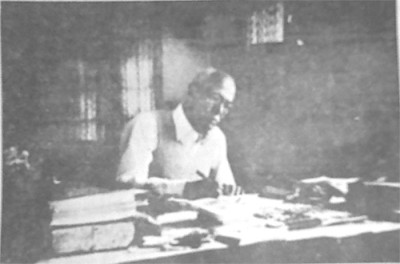
In 1918, Banikanta Kakati joined Cotton College as a Lecturer in English. His dedication to teaching and research earned him great respect, and he eventually became the Principal of Cotton College in 1947.
In 1948, he joined Gauhati University as the Dean of the Faculty of Arts and Head of the Department of Assamese. During his academic career, he mentored numerous students and encouraged research in Assamese language, literature and cultural studies.
Contribution to Assamese Language
Banikanta Kakati played a historic role in establishing the independent identity of the Assamese language. During a period when debates existed regarding the origin and status of Assamese, his detailed linguistic research provided scientific evidence supporting Assamese as a distinct Indo-Aryan language with its own historical development.
His doctoral thesis "Assamese: Its Formation and Development", published in 1941, became a landmark work in Indian linguistics. The book examined the evolution of Assamese phonetics, grammar, vocabulary and script while comparing it with other Indo-Aryan languages. Even today, it remains an essential reference for students and researchers.
Literary Contributions
Apart from linguistics, Banikanta Kakati made significant contributions to Assamese literary criticism and historical studies. His writings reflected deep scholarship, balanced analysis and an extensive understanding of classical Indian literature.
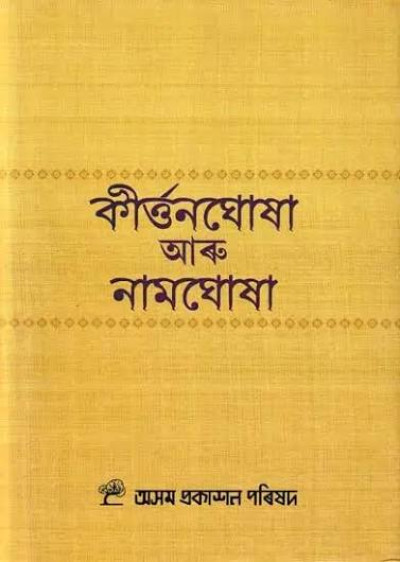
He devoted considerable attention to medieval Assamese literature, especially the works of Srimanta Sankardeva and Madhavdeva. His literary criticism helped readers understand the philosophical and cultural significance of Assamese Vaishnavite literature.
He also wrote extensively on comparative religion, mythology, Assamese society and folklore, making important contributions to multiple academic disciplines.
Research on Religion and Culture
Banikanta Kakati was equally respected for his research on religion, mythology and cultural history. His book Mother Goddess Kamakhya remains one of the most important scholarly works on the history, mythology and religious traditions associated with the famous Kamakhya Temple and ancient Kamarupa.
He also explored the development of Vaishnavism in Assam and examined various religious traditions through historical and comparative methods. His research combined literary evidence, folklore and historical sources, making his works valuable references for scholars.
Major Books
Some of Banikanta Kakati's most notable books include:
English Books
- Assamese: Its Formation and Development
- Mother Goddess Kamakhya
- Life and Teachings of Sankardeva
- Vaishnavite Myths and Legends
Assamese Books
- Purani Asamiya Sahitya
- Purani Kamrupar Dharmar Dhara
- Kalita Jatir Itibritta
- Sahitya Aru Prem
- Pakhila
These books continue to be widely studied in universities and remain important resources for Assamese language, literature and cultural history.
Achievements
- Recognized as one of Assam's greatest linguists and literary scholars.
- Produced the landmark linguistic study Assamese: Its Formation and Development.
- Served as Principal of Cotton College.
- Served as Dean of the Faculty of Arts at Gauhati University.
- Headed the Department of Assamese at Gauhati University.
- Made pioneering contributions to Assamese literary criticism.
- Conducted significant research on Assamese folklore, mythology and religion.
- Strengthened the academic recognition of the Assamese language.
- Inspired generations of scholars through teaching and research.
Awards and Recognition
Although many of Banikanta Kakati's greatest achievements were scholarly rather than award-based, his legacy has been honoured in numerous ways.
- The Dr. Banikanta Kakati Merit Award Scheme was introduced by the Government of Assam to encourage academic excellence among Higher Secondary students.
- Educational institutions, roads and organizations in Assam commemorate his contributions.
- His books remain prescribed reading in universities across Assam.
- He is widely regarded as one of the architects of modern Assamese linguistic studies.
Personal Life
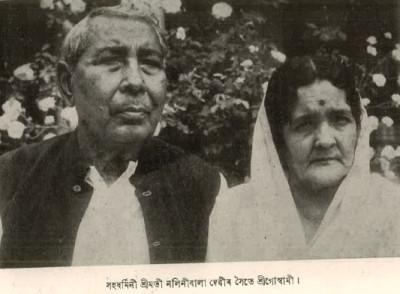
Banikanta Kakati was married to Kanaklata. Her passing deeply affected him during the final year of his life. Despite personal hardships, he remained devoted to scholarship and education throughout his career.
Death
Banikanta Kakati passed away on 15 November 1952, the same date as his birthday, at the age of 58. His death marked the end of an extraordinary academic journey, but his writings continue to inspire scholars, students and lovers of Assamese literature. His research remains relevant and is still cited in studies related to Assamese language, literature, history and culture.
Legacy
Banikanta Kakati occupies a unique place in the intellectual history of Assam. His work transformed the academic understanding of the Assamese language and established new standards in literary criticism and cultural research. His books continue to serve as authoritative references for students, researchers and historians. Through his scholarship, teaching and dedication to preserving Assam's linguistic and cultural heritage, Banikanta Kakati left an enduring legacy that continues to shape Assamese studies in India and beyond.
FAQs on Banikanta Kakati
1. Who was Banikanta Kakati?
Banikanta Kakati was a renowned Assamese linguist, literary critic, scholar, educationist and cultural historian. He made significant contributions to the study of the Assamese language, literature, folklore and religion.
2. When and where was Banikanta Kakati born?
Banikanta Kakati was born on 15 November 1894 in Barpeta, Assam, India.
3. Why is Banikanta Kakati famous?
He is famous for his pioneering research on the Assamese language, particularly his landmark work Assamese: Its Formation and Development, which established the historical identity of Assamese as an independent language.
4. What are the most famous books written by Banikanta Kakati?
Some of his best-known books include Assamese: Its Formation and Development, Mother Goddess Kamakhya, Life and Teachings of Sankardeva, Vaishnavite Myths and Legends, Purani Asamiya Sahitya and Kalita Jatir Itibritta.
5. What was Banikanta Kakati's contribution to Assamese literature?
He introduced scientific literary criticism, promoted research on medieval Assamese literature, and produced several influential works on language, folklore, religion and cultural history.
6. Where did Banikanta Kakati work as a professor?
He served as a professor of English at Cotton College, later became its Principal, and subsequently joined Gauhati University as Dean of the Faculty of Arts and Head of the Department of Assamese.
7. What is the significance of Assamese: Its Formation and Development?
The book is considered one of the most important scholarly works on the Assamese language, explaining its origin, evolution, grammar, phonetics and historical development.
8. What is the Dr. Banikanta Kakati Merit Award?
The Dr. Banikanta Kakati Merit Award is a Government of Assam initiative that recognizes outstanding Higher Secondary students for their excellent academic performance.
9. When did Banikanta Kakati die?
Banikanta Kakati passed away on 15 November 1952 after a distinguished career dedicated to education, literature and linguistic research.
10. Why is Banikanta Kakati remembered today?
He is remembered as one of Assam's greatest scholars whose research, books and academic leadership played a vital role in preserving and promoting the Assamese language, literature and cultural heritage.