Life & Legacy
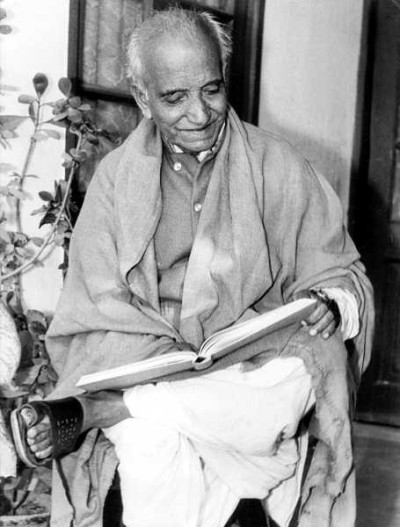
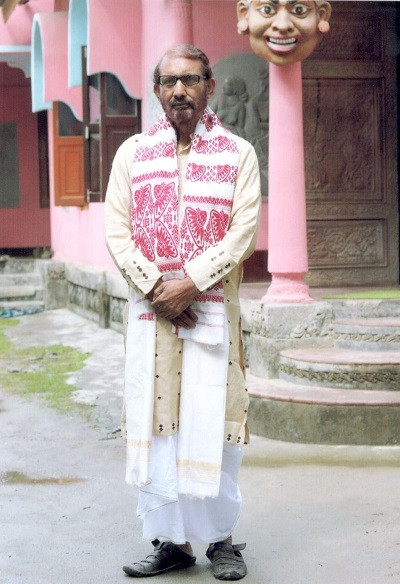
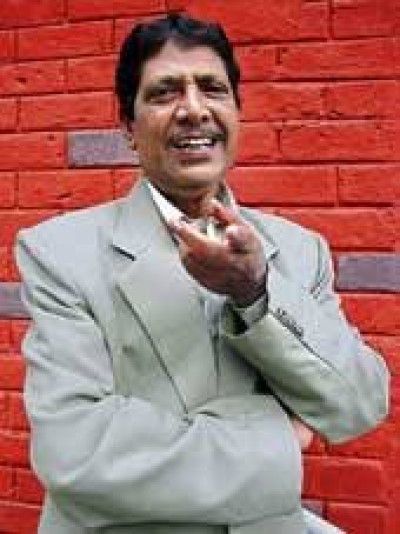
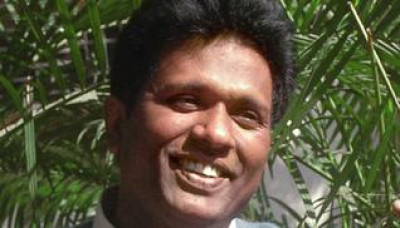
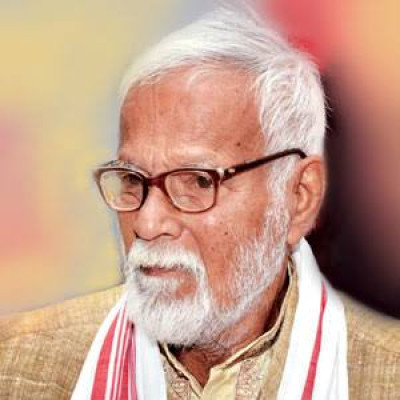
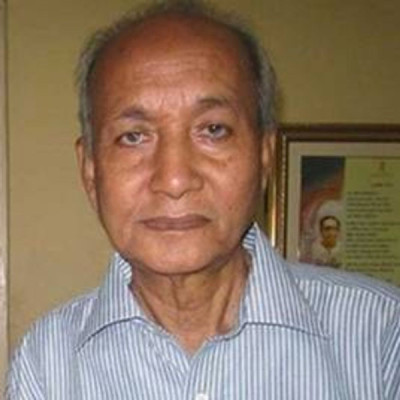
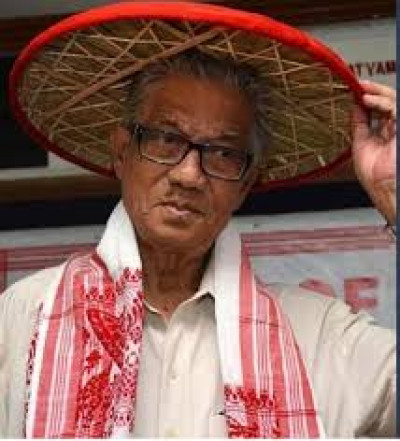
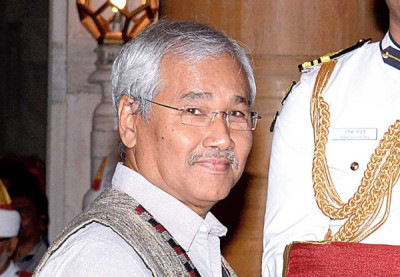
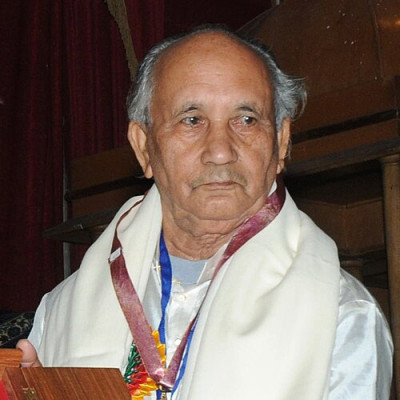
Born on 19 April 1935 in Sivsagar, Assam, Rebakanta Mahanta grew up in a family deeply connected with the Sattra tradition. His father, who served as a Sattradhikar, introduced him to the ancient techniques of making traditional bamboo and clay masks used in Mukha Bhaona, a unique form of devotional theatre established under the influence of Srimanta Sankardeva. From an early age, he mastered not only mask making but also the performance traditions associated with Sattriya culture.
Apart from being a master artisan, Rebakanta Mahanta devoted many years to education. He played an important role in establishing Hahchara Girls' High School and later served as its Headmaster until his retirement in 1996. Throughout his educational career, he encouraged students to appreciate Assam's cultural traditions while promoting moral and social values.
Mahanta also remained actively involved in religious and cultural organisations. He served as the General Secretary of the District Sattra Mahasabha for 27 years and later became its President. He has been a lifetime member of Asom Sahitya Sabha and Sattra Mahasabha, where he continuously worked for the preservation and promotion of Assamese literature, Vaishnavite traditions and Sattriya culture.
One of his greatest achievements is the preservation and promotion of traditional Assamese mask making. His handcrafted masks, prepared using bamboo, cloth, clay and natural materials, are recognised for their artistic excellence and authenticity. These masks are widely used in Mukha Bhaona performances depicting characters from the Ramayana, Mahabharata and Bhagavata Purana. His work has helped ensure that this unique cultural tradition continues to flourish among younger generations.
To preserve Assam's cultural heritage, Rebakanta Mahanta established a museum within the premises of Khatpar Sattra. The museum houses traditional masks, ancient musical instruments, manuscripts and other valuable artefacts related to Sattriya culture. It attracts researchers, students, artists and tourists from different parts of India and abroad, making it an important centre for learning about Assam's traditional performing arts.
Throughout his career, he represented Assam at numerous national and international cultural events. In 1989, he participated in a mask-making workshop organised by the Craft Council of India in Kolkata. Several of his masks were later preserved in museums in Russia and Japan. His creations have also been collected by institutions such as the Indian Museum in Kolkata, Indira Gandhi National Centre for the Arts in New Delhi, the National Museum in Washington and Tezpur University.
His contribution extends beyond mask making. He has conducted workshops, demonstrations and performances across India, including Delhi, Vrindavan, Guwahati, Thiruvananthapuram and other cultural centres. During the 2003 Republic Day Parade, he represented Assam through a mask-making tableau that received national recognition. In 2010, he showcased Mukha Bhaona during the Commonwealth Games cultural festival in New Delhi. In 2017, he designed the distinctive traditional mask-themed welcome gate at Lokpriya Gopinath Bordoloi International Airport, Guwahati, introducing visitors to Assam's rich artistic heritage.
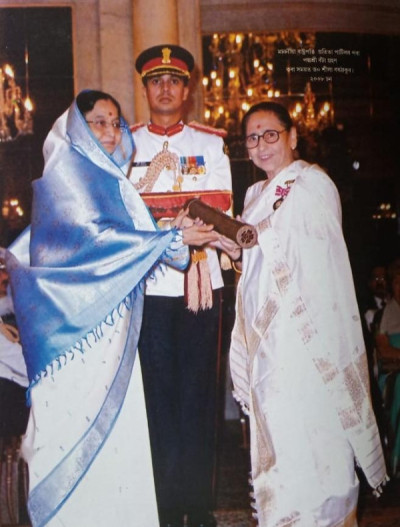
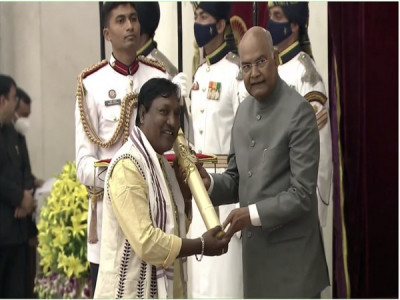
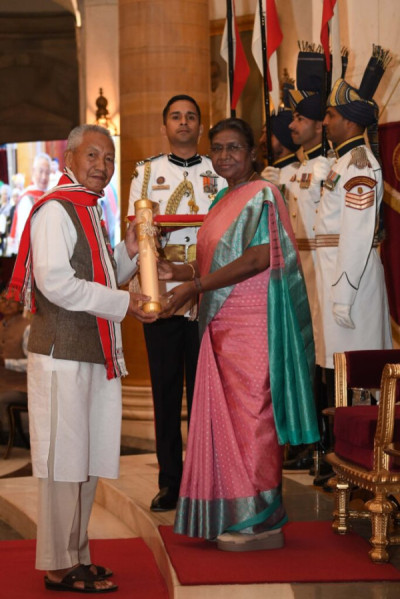
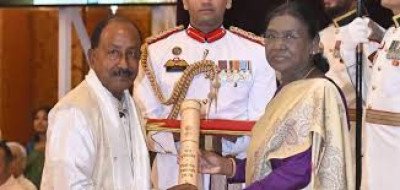
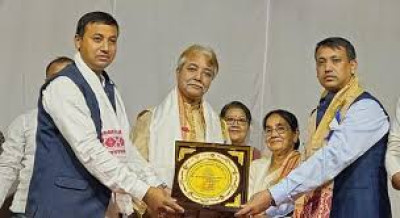
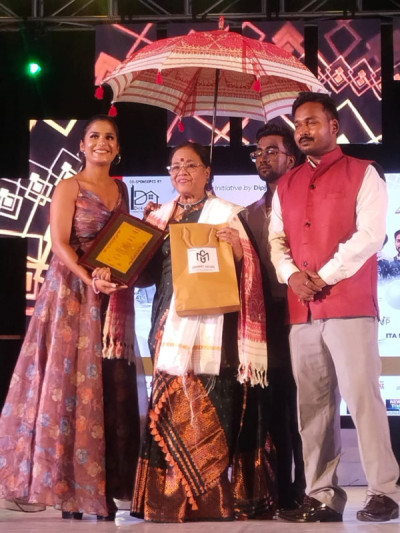
For his lifelong dedication to preserving traditional crafts and Sattriya culture, Rebakanta Mahanta has received numerous prestigious honours. He received the State Award for Excellence in Handicrafts from the Government of Assam in 2003, followed by the Shilp Guru Award in 2008 from the Ministry of Textiles, Government of India. He was honoured with the Sangeet Natak Akademi Award for his outstanding contribution to traditional arts and later received the Bishnu Prasad Rabha State Award. In 2025, the Government of India conferred upon him the Padma Shri in recognition of his exceptional service to Indian art and culture.
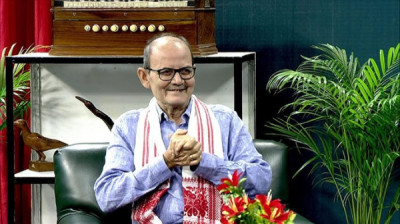
Even in his advanced years, Rebakanta Mahanta continues to inspire artists, researchers and students through his dedication to Assam's traditional heritage. His work has transformed Sattriya mask making from a regional religious craft into an internationally recognised cultural tradition. His lifelong commitment has ensured that the ancient art of Mukha Bhaona and Assamese mask making will continue to inspire future generations and remain an important part of India's rich cultural legacy.
Early Life
- Born: 19 April 1935
- Birthplace: Sivsagar, Assam, India
- Learned traditional Sattriya mask making and Mukha Bhaona from his father, a respected Sattradhikar.
Education
- Received traditional education in Sattra culture and mask making under his father.
- Later became an educator and Headmaster.
Career and Positions Held
- Sattradhikar of Khatpar Sattra, Sivasagar
- Headmaster, Hahchara Girls' High School (Retired 1996)
- General Secretary, District Sattra Mahasabha (27 years)
- President, District Sattra Mahasabha
- Lifetime Member, Asom Sahitya Sabha
- Lifetime Member, Sattra Mahasabha
- Founder of a museum dedicated to Sattriya culture and traditional masks
Major Achievements
- Preserved the traditional art of Assamese bamboo and clay mask making.
- Promoted Mukha Bhaona across India.
- Established a museum showcasing Sattriya heritage.
- Represented Assam in numerous national cultural festivals.
- Designed the traditional welcome gate at Lokpriya Gopinath Bordoloi International Airport.
- Conducted workshops across India on traditional mask making.
- His masks are preserved in museums in India, USA, Russia, Japan and Australia.
Awards and Recognition
- Padma Shri (2025)
- Sangeet Natak Akademi Award
- Shilp Guru Award (2008)
- Bishnu Prasad Rabha State Award
- State Award for Excellence in Handicrafts (2003)
- Honoured by more than 100 organisations for preserving Assamese culture.
Books and Articles
- Authored several articles on:
- Sattriya culture
- Religion
- Assamese mask making
- Mukha Bhaona
- Traditional heritage
- No major standalone books are publicly documented.
FAQs about Rebakanta Mahanta