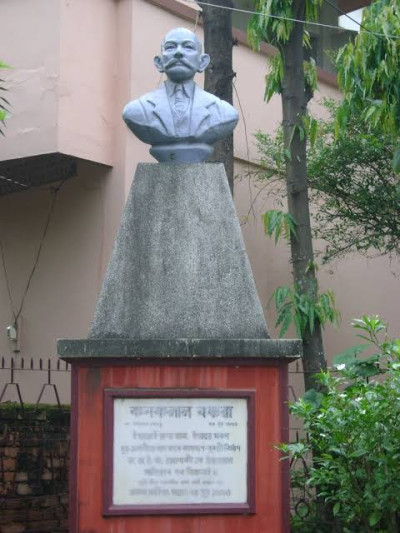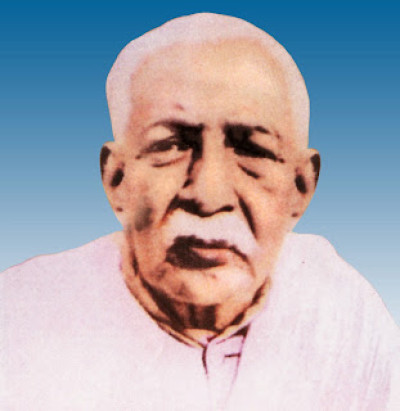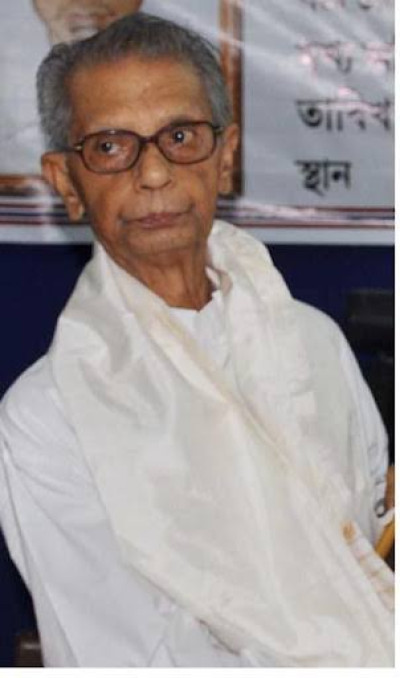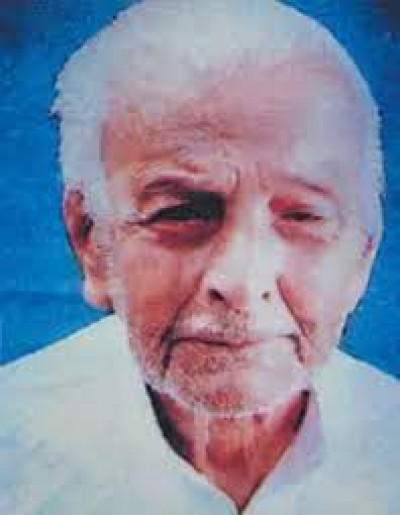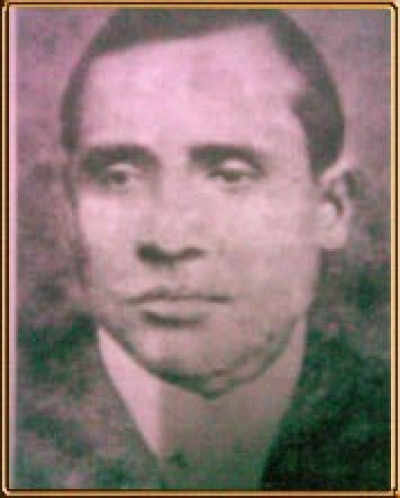
Life & Legacy
Early Life
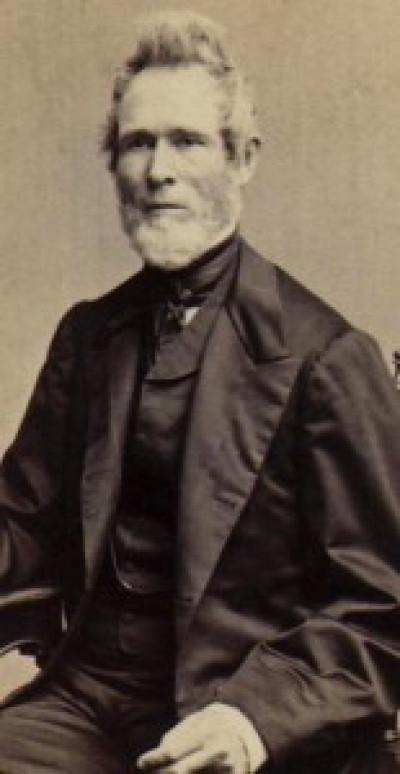
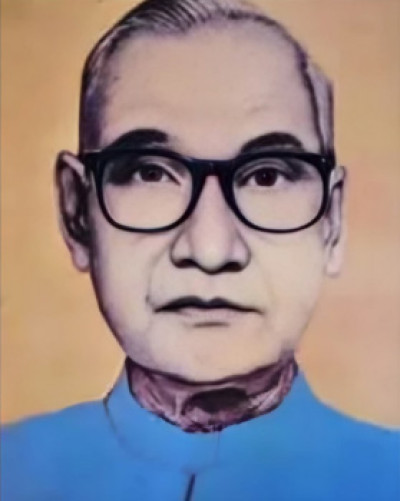
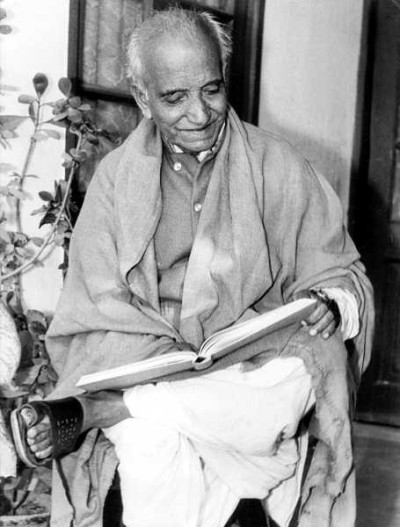
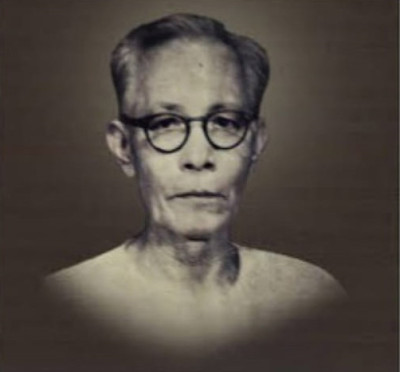
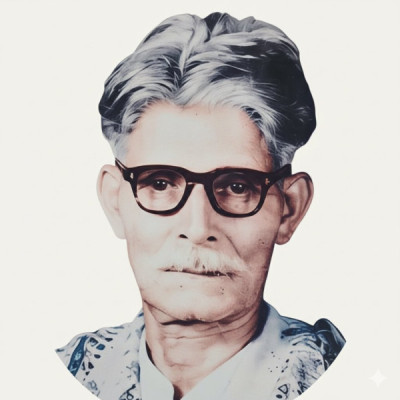
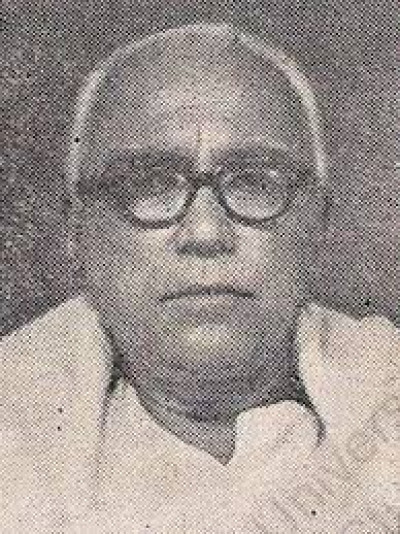
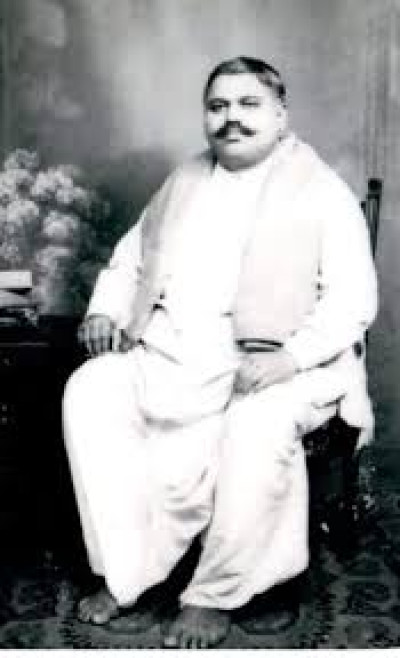
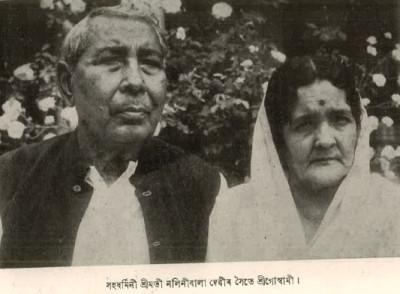
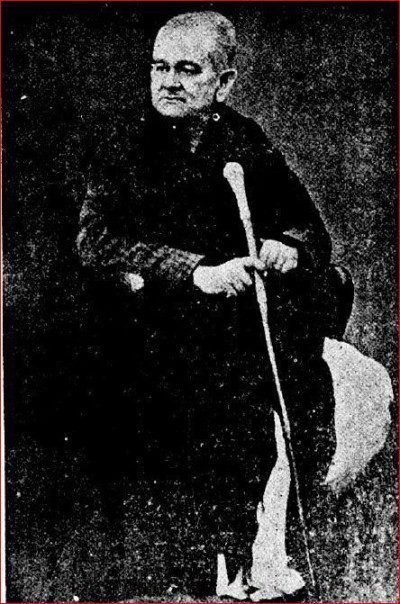
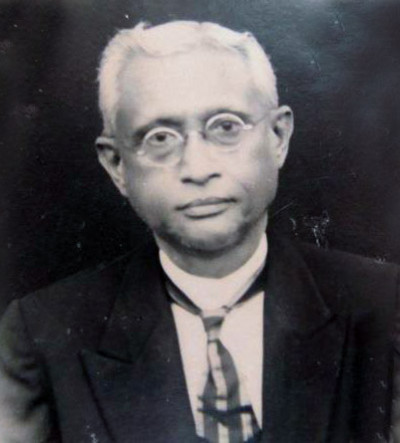
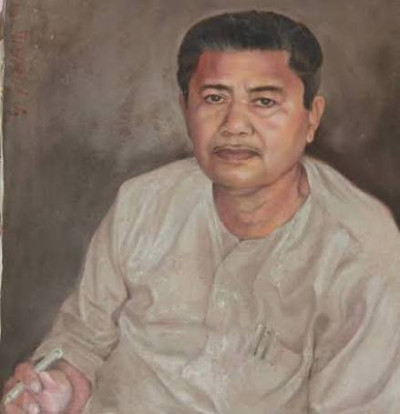
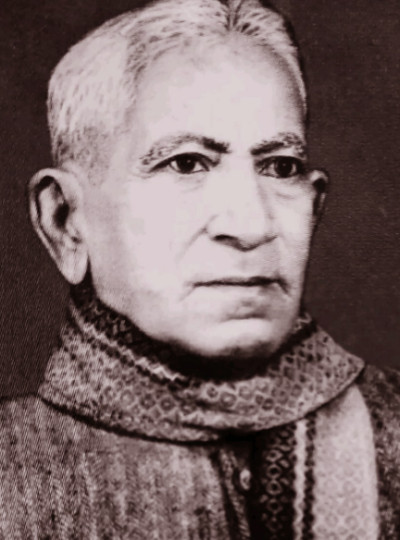
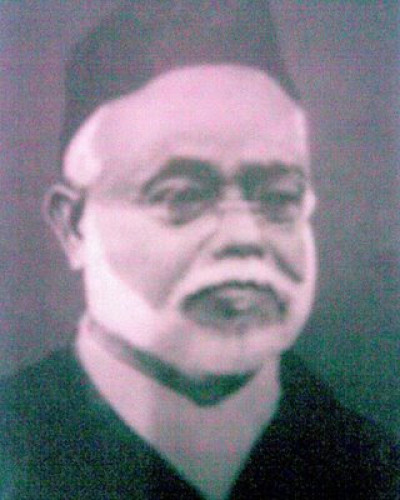
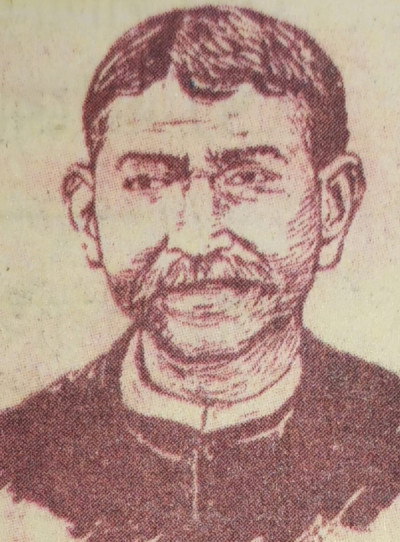
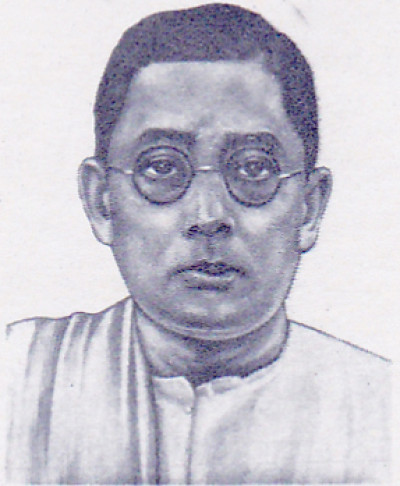
Chandra Kumar Agarwala was born on 28 November 1867 at Brahmajan near Gohpur in present-day Sonitpur district of Assam. He belonged to a prosperous business family and was the second son of Haribilash Agarwala. From an early age, he displayed a keen interest in education, literature and the cultural heritage of Assam. His upbringing in a progressive family encouraged him to pursue intellectual and literary activities that later shaped the future of Assamese literature.
Education
He received his early education in Tezpur and later moved to Calcutta for higher studies at Presidency College. After successfully completing the First Arts (FA) course, he enrolled in the Bachelor of Arts programme. However, he returned to Assam before completing his degree. Although he did not finish formal higher education, his passion for reading, literature and language made him one of the finest literary personalities in Assam.
Literary Career
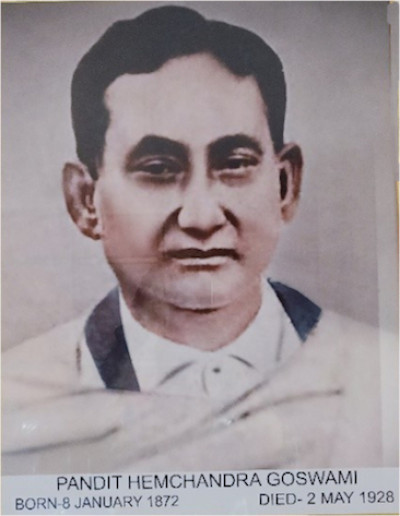
While studying in Calcutta, Chandra Kumar Agarwala developed close friendships with Lakshminath Bezbaroa and Hemchandra Goswami. Together they established the Asamiya Bhasa Unnati Sadhini Sabha in 1888 with the objective of promoting Assamese language and literature.
The organization launched the historic literary magazine Jonaki in 1889. Chandra Kumar Agarwala became its first editor and principal financial supporter. The publication marked the beginning of the Jonaki Era, which transformed Assamese literature by introducing romanticism, modern literary expression and fresh creative ideas.
His poetry reflected beauty, love, nature, patriotism and human emotions in a style that was new to Assamese readers. He successfully moved Assamese poetry beyond traditional themes and established a modern literary identity. His lyrical language, emotional depth and philosophical reflections earned widespread admiration.
Apart from poetry, he was also a pioneering journalist. He started the Assamese weekly newspaper Axomiya, which became an important platform for discussing social issues, education, language, culture and public affairs. Through journalism, he encouraged cultural awareness and inspired people to preserve the Assamese language.
Although he did not actively participate in politics, he supported social reforms and was influenced by Mahatma Gandhi's ideals. Following Gandhi's visit to Assam in 1921, he adopted khadi and promoted indigenous values through his personal life and writings.
Major Achievements
- Pioneer of the Jonaki Era of Assamese literature.
- Introduced romanticism into modern Assamese poetry.
- First editor and financial supporter of the historic Jonaki magazine.
- Founder member of Asamiya Bhasa Unnati Sadhini Sabha.
- Recognized as one of the "Trimurti of Assamese Literature."
- Played a vital role in preserving and promoting Assamese language and literary culture.
- Pioneer of Assamese journalism through the publication of Axomiya weekly newspaper.
- Inspired generations of Assamese writers, poets and editors.
- Helped modernize Assamese literary style and expression.
- His works remain an important part of Assamese literary studies.
Awards and Recognition
Although many of today's literary awards were established after his lifetime, Chandra Kumar Agarwala received immense respect and recognition from the literary community.
- Honoured with the title "Pratimar Khonikor" for his contribution to Assamese poetry.
- Widely recognized as one of the founders of modern Assamese literature.
- Remembered as one of the "Trimurti of Assamese Literature."
- First editor of the historic Jonaki magazine.
- Founder member of Asamiya Bhasa Unnati Sadhini Sabha.
- His literary works are included in educational curricula across Assam.
- Frequently honoured through literary seminars, research publications and cultural commemorations.
Books and Literary Works
Poetry
- Bon Kunwori
- Pratima
- Bin Boragi
- Chandramrit
Journalism
- Editor of Jonaki magazine
- Founder and publisher of the Axomiya weekly newspaper
Legacy
Chandra Kumar Agarwala occupies a unique position in the history of Assamese literature. His vision, literary excellence and commitment to the Assamese language inspired a cultural renaissance that continues to influence writers and scholars today. His role in launching the Jonaki movement transformed Assamese literature into a modern form while preserving its cultural roots. His poetry, journalism and literary leadership continue to be admired for their originality, elegance and national spirit. His contribution laid the foundation upon which later generations of Assamese authors built a vibrant literary tradition.
Death
Chandra Kumar Agarwala passed away on 2 March 1938 at his residence in Uzan Bazaar, Guwahati. His death marked the end of an extraordinary literary career, but his influence continues through his writings, the Jonaki movement and the lasting impact he made on Assamese language and literature. Even today, he is remembered as one of the greatest pioneers of modern Assamese literary history.
FAQs on Chandra Kumar Agarwala
1. Who was Chandra Kumar Agarwala?
Chandra Kumar Agarwala was a renowned Assamese poet, journalist, editor and one of the pioneers of modern Assamese literature. He played a key role in the Jonaki Era and is remembered as one of the "Trimurti of Assamese Literature."
2. Why is Chandra Kumar Agarwala famous?
He is famous for introducing romanticism into Assamese poetry, founding the Jonaki literary movement, editing the Jonaki magazine and making significant contributions to Assamese journalism and literature.
3. When and where was Chandra Kumar Agarwala born?
Chandra Kumar Agarwala was born on 28 November 1867 at Brahmajan near Gohpur in present-day Sonitpur district, Assam.
4. What is the Jonaki Era in Assamese literature?
The Jonaki Era was a literary renaissance that introduced modern ideas, romantic poetry and new writing styles into Assamese literature. Chandra Kumar Agarwala was one of its leading founders and the first editor of the Jonaki magazine.
5. What are the famous books written by Chandra Kumar Agarwala?
His most notable literary works include Bon Kunwori, Pratima, Bin Boragi and Chandramrit. These works remain important milestones in Assamese poetry.
6. What was Chandra Kumar Agarwala's contribution to Assamese literature?
He modernized Assamese poetry, promoted romantic literary expression, helped establish the Assamese literary renaissance, founded literary organizations and inspired generations of writers through his poetry and journalism.
7. What was the Asamiya Bhasa Unnati Sadhini Sabha?
The Asamiya Bhasa Unnati Sadhini Sabha was a literary organization founded by Chandra Kumar Agarwala, Lakshminath Bezbaroa and Hemchandra Goswami to promote and develop the Assamese language and literature.
8. Why is Chandra Kumar Agarwala called "Pratimar Khonikor"?
He earned the title "Pratimar Khonikor" because of his exceptional poetic talent and his lasting contribution to shaping modern Assamese poetry and literary thought.
9. When did Chandra Kumar Agarwala die?
Chandra Kumar Agarwala passed away on 2 March 1938 at his residence in Uzan Bazaar, Guwahati, leaving behind a rich literary legacy that continues to inspire Assamese readers and scholars.
10. What is the legacy of Chandra Kumar Agarwala?
Chandra Kumar Agarwala is remembered as one of the architects of modern Assamese literature. His pioneering role in the Jonaki Era, his poetry, journalism and dedication to Assamese language continue to influence literature, education and cultural studies in Assam.