Life & Legacy
Early Life
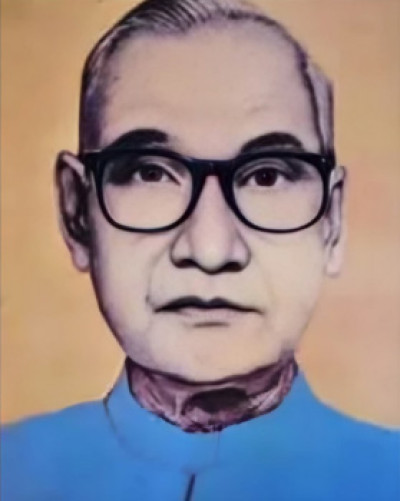
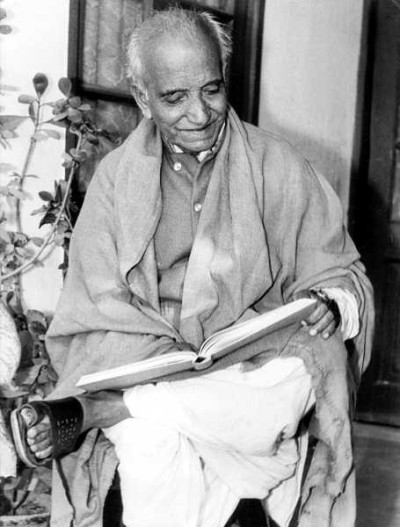
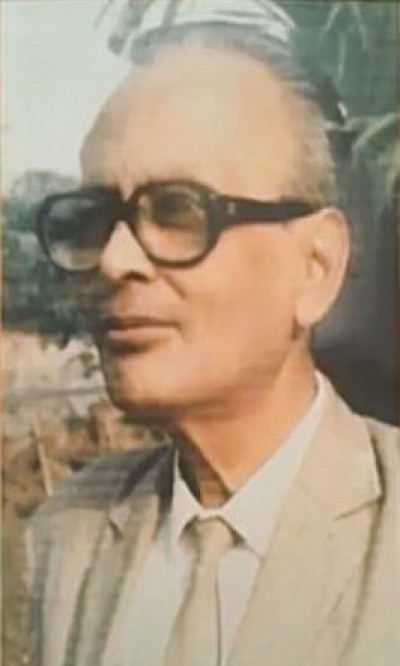
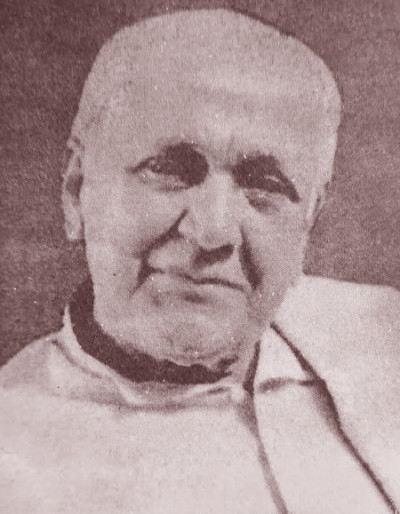
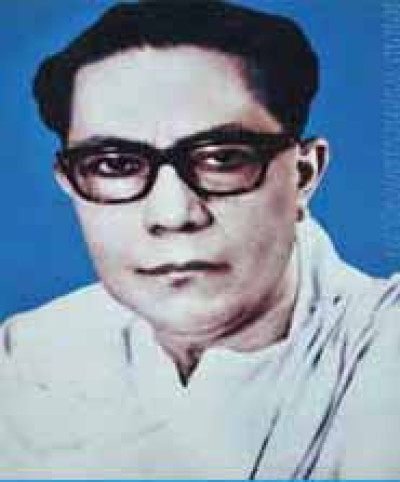
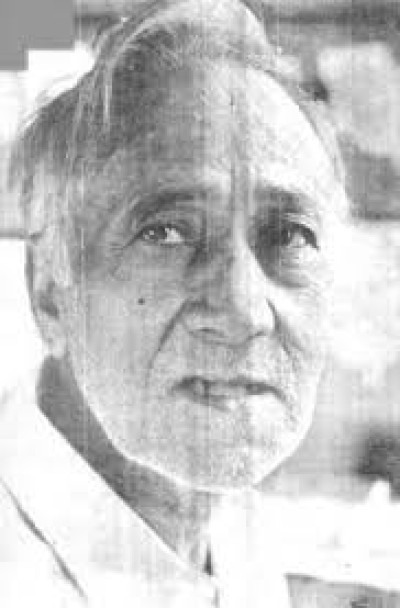
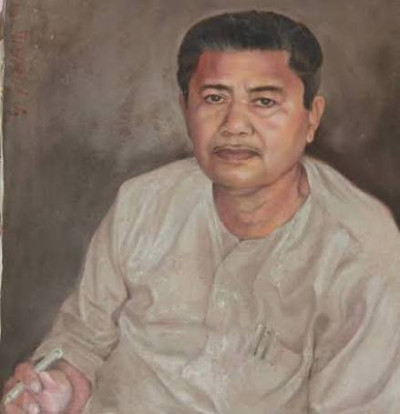
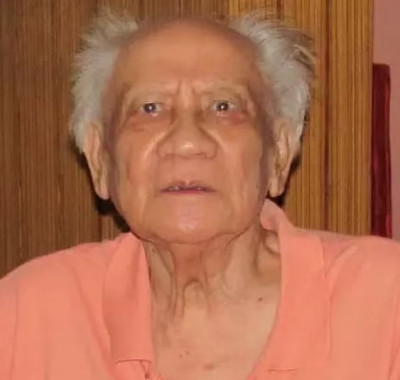
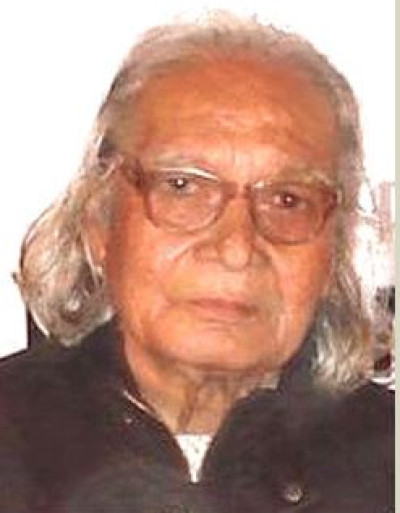
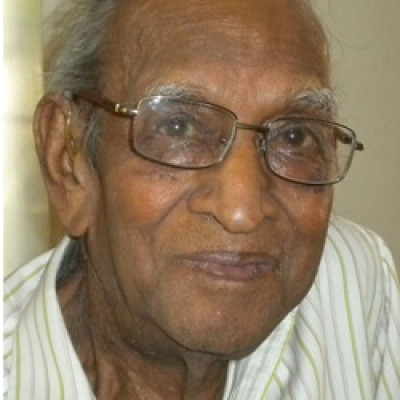
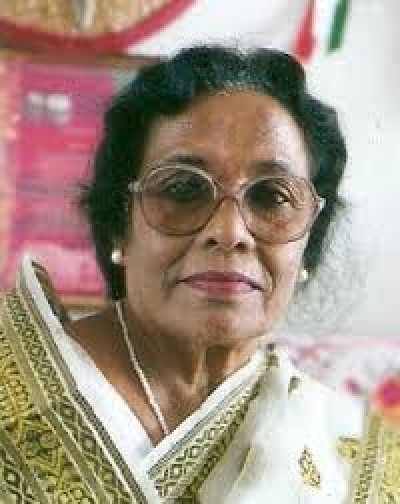
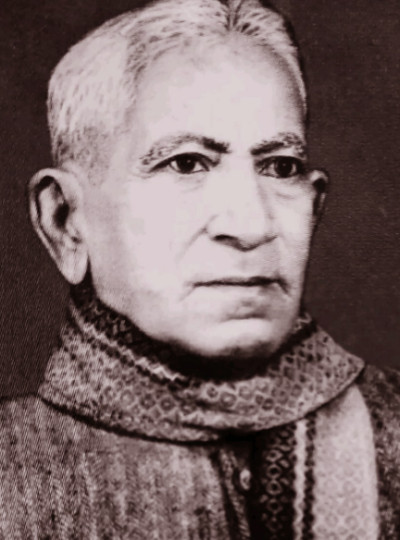
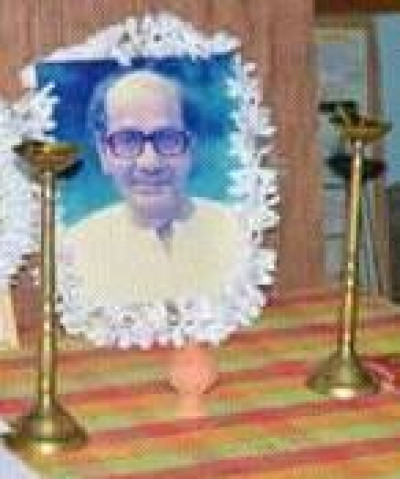
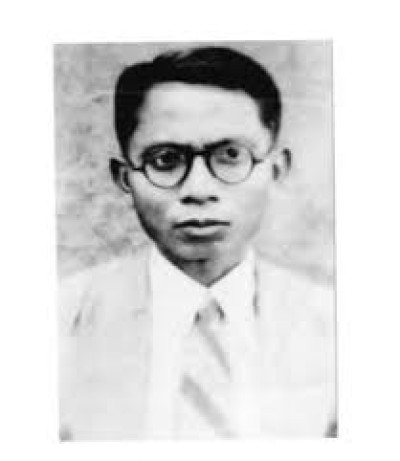
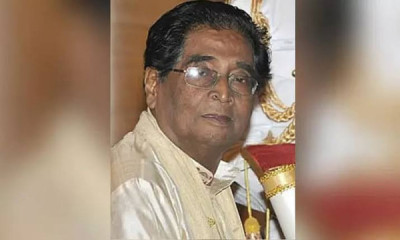
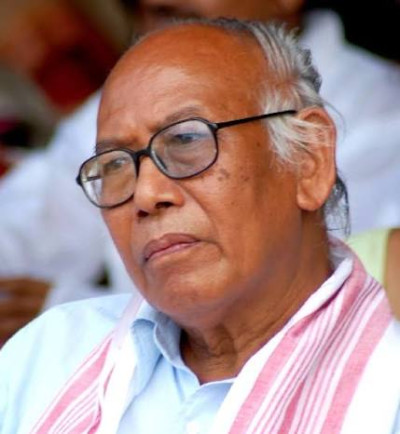
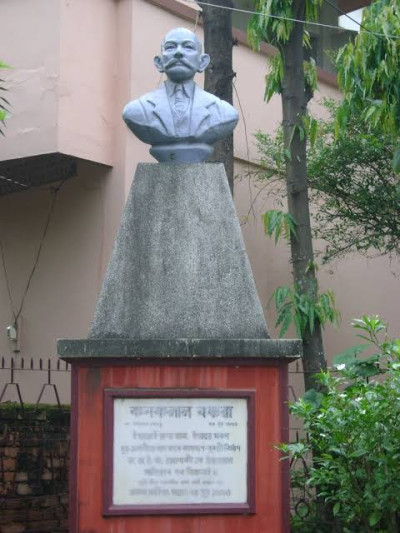
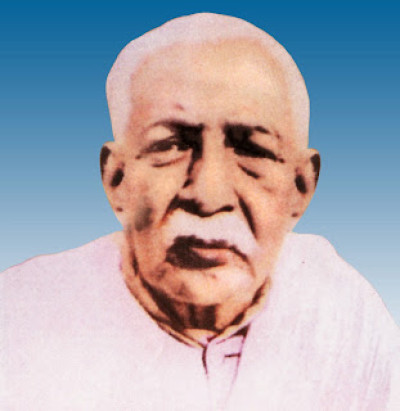
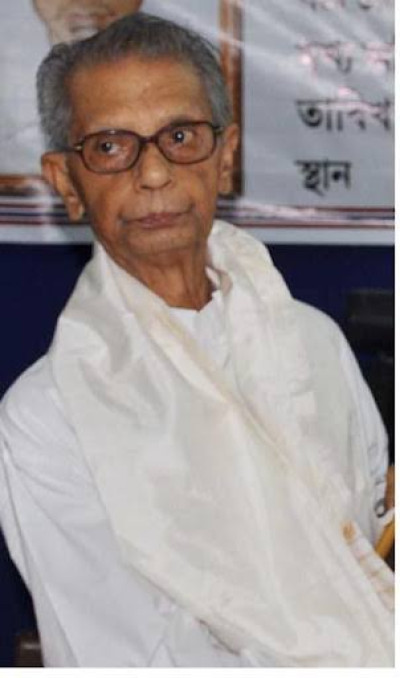
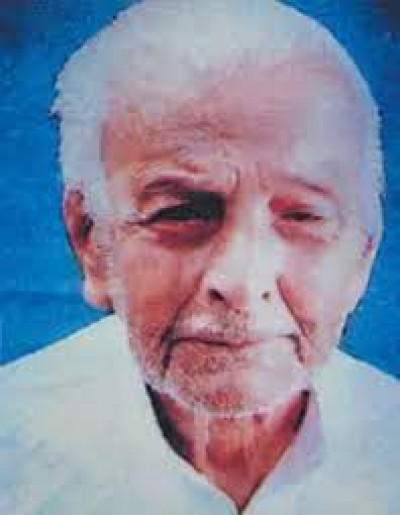
Syed Abdul Malik was born on 15 January 1919 in Naharani village of Golaghat district, Assam. He was the son of Syed Rahmat Ali and Syeda Lutfun Nissa. Growing up in a culturally rich rural environment, he developed a deep interest in literature, storytelling and the lives of ordinary people. The landscapes, traditions and social life of Assam became recurring themes throughout his literary career. His passion for writing emerged at a young age, and he soon began publishing stories in Assamese literary magazines.
Education
Syed Abdul Malik received his early education in Assam and later pursued higher studies in Assamese language and literature. He also carried out academic research on Assamese Zikir and Jari songs, highlighting the cultural contributions of Assamese Muslims and the influence of Sufi traditions in Assam. His knowledge extended beyond Assamese, and he was familiar with several languages, including Bengali, Hindi, Urdu, Persian, English, Sanskrit and Arabic, which enriched his literary vision.
Literary Career
Syed Abdul Malik began his literary journey during the 1940s, and his first novel, La Sa Gu, appeared as a serial in the Assamese magazine Banhi. The novel reflected his concern for social inequality and the struggles of the underprivileged, themes that continued throughout much of his writing.
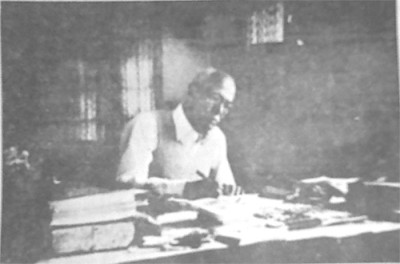
Over the years, he became one of the most prolific writers in Assamese literature. He wrote around 60 novels, more than 2,000 short stories, over 25 short story collections, five poetry collections, plays, biographies, travelogues, children's books, research works, radio plays, translations and numerous essays. His stories explored romance, poverty, morality, human relationships, patriotism, psychology, social justice and the changing realities of Assamese society.
His writing combined realism with emotional depth, creating memorable characters drawn from every section of society. Farmers, teachers, labourers, artists, women, children, social reformers and ordinary villagers all found meaningful representation in his works. His simple yet powerful narrative style made his books accessible to readers of all generations.
Major Achievements
Syed Abdul Malik played a significant role in shaping modern Assamese fiction. He successfully bridged the literary traditions of the pre-independence and post-independence periods, making his work relevant across generations. Apart from his literary career, he served as a professor of Assamese literature, guiding countless students and contributing to academic development.
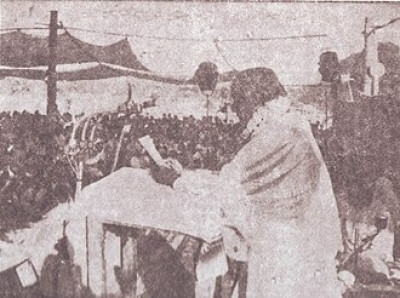
He was elected President of the Assam Sahitya Sabha during its Abhayapuri Session in 1977. Later, he also served as a Member of the Rajya Sabha, where he represented Assam and continued advocating for literature, education and culture.
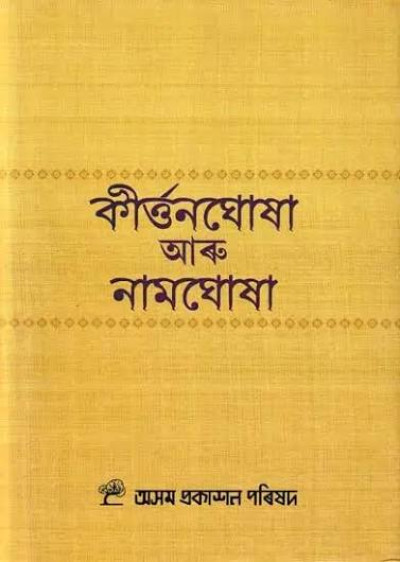
His research on Assamese Muslim traditions, especially Asamiya Zikir Aru Jari, remains an important contribution to the study of Assam's cultural heritage.
Awards and Recognition
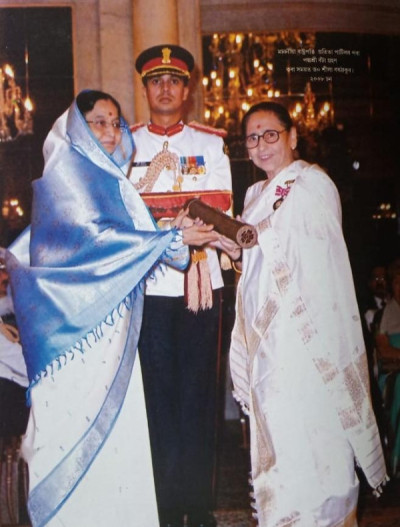
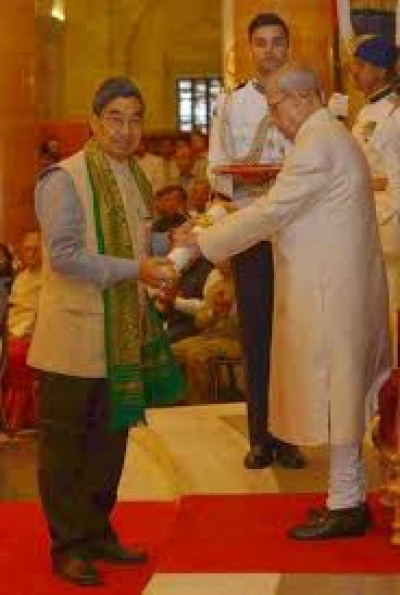
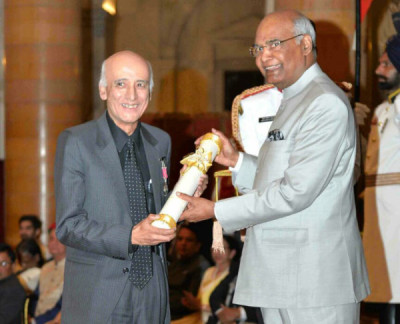
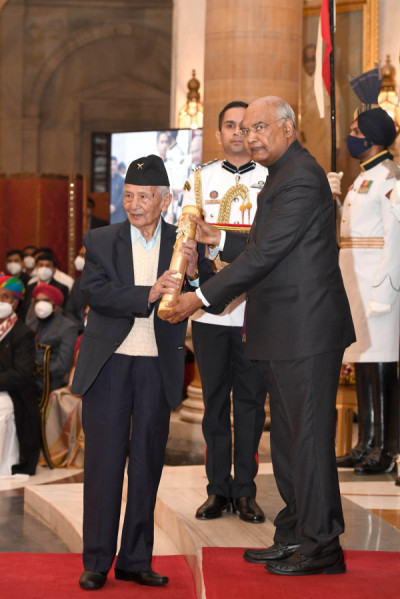
Syed Abdul Malik received numerous prestigious honours for his outstanding literary contributions. He was awarded the Sahitya Akademi Award in 1972 for his acclaimed novel Aghari Atmar Kahini. The Government of India honoured him with the Padma Shri in 1984 and the Padma Bhushan in 1992. He also received the Srimanta Sankaradeva Award, Sahitya Akademi Fellowship, honorary Doctor of Literature (D.Litt.) and several other recognitions for his lifelong service to literature and culture.
Death
Syed Abdul Malik passed away on 20 December 2000 at the age of 81. His death marked the end of an extraordinary literary era, but his works continue to remain an essential part of Assamese literature. His novels and stories are widely read, researched and appreciated by students, scholars and literature enthusiasts.
Legacy
Syed Abdul Malik is remembered as one of the finest writers Assam has ever produced. His ability to capture the complexities of human life, preserve Assamese culture and promote social awareness has made him a timeless literary icon. His books continue to inspire new generations of readers while enriching the cultural heritage of Assam and Indian literature.
Selected Books Written by Syed Abdul Malik
Famous Novels
- La Sa Gu (Umola Ghoror Dhuli)
- Bonjui
- Kobitar Naam Labha
- Doctor Arunabhar Asampurna Jiboni
- Sobighar
- Rothor Chokori Ghure
- Matir Chaki
- Kanthahar
- Surujmukhir Swapna
- Jia Jurir Ghat
- Onyo Akakh Onyo Tora
- Adharxila
- Mur Babe Noruba Malati Phul
- Rajanigandhar Chakulu
- Prachir Aru Prantor
- Trisul
- Aghari Atmar Kahini
- Bih Metekar Phul
- Onnya Naam Mrityu
- Wilson, Aranya Aru Moi
- Amar Maya
- Joya Monika Ityadi
- Khura Nidan
- Agnigarbha
- Hunali Hutare Bondha
- Hipare Pran Samudra
- Eta Surjya Dukhon Nodi Ekhon Morubhumi
- Pran Samudra
- Pahumora Habir Baat
- Jetuka Patar Dore
- Nool Birina Khagori
- Mon Jetukar Paat
- Ekabeka Britta
- Mou Dimorur Kukh
- Rupaborir Polokh
- Fagunor Hekh Hahi
- Nihonga Moupiyar Geet
- Kebol Premerei Jodi
- Swapnabhanga
- Eta Dhumketur Horshojya
- Dhanya Nar Tanu Bhal
- Ruptirthar Yatri
- Mou Mitha Hridoyor Bhasha
Popular Short Story Collections
- Parashmani
- Ranga Gorah
- Ejoni Natun Suwali
- Moraha Papori
- Morom Morom Lage
- Sikhare Sikhare
- Andhakup
- Bibhatsa Bedana
- Aabortya
- Tinichokiya Garhi
- Pranadhika
- Hahi Aru Chokulu
- Mriganabhi
- Arihona
- Alankar
- Chai Aru Firingani
Poetry Collections
- Shakhar
- Chandahin Chanda
- Beduin
- Tumar Kantho Mor Kotha
FAQs on Abdul Malik
Q1. Who was Syed Abdul Malik?
Syed Abdul Malik was a renowned Assamese novelist, short story writer, poet, playwright, researcher and one of the greatest literary personalities of Assam.
Q2. When was Syed Abdul Malik born?
He was born on 15 January 1919 in Naharani village of Golaghat district, Assam.
Q3. Why is Syed Abdul Malik famous?
He is famous for his remarkable contribution to Assamese literature through novels, short stories, poetry, research works and social writings spanning more than five decades.
Q4. How many books did Syed Abdul Malik write?
He wrote around 60 novels, over 2,000 short stories, more than 25 short story collections, poetry books, plays, biographies, travelogues and research works.
Q5. Which is the most famous novel of Syed Abdul Malik?
Aghari Atmar Kahini is one of his most celebrated novels and received the Sahitya Akademi Award.
Q6. Which awards did Syed Abdul Malik receive?
He received the Sahitya Akademi Award, Padma Shri, Padma Bhushan, Srimanta Sankaradeva Award, Sahitya Akademi Fellowship and several other honours.
Q7. Was Syed Abdul Malik associated with Assam Sahitya Sabha?
Yes. He served as the President of the Assam Sahitya Sabha during its Abhayapuri Session in 1977.
Q8. Did Syed Abdul Malik serve in Parliament?
Yes. He served as a Member of the Rajya Sabha representing Assam.
Q9. When did Syed Abdul Malik die?
He passed away on 20 December 2000 at the age of 81.
Q10. What is the legacy of Syed Abdul Malik?
Syed Abdul Malik is regarded as one of the greatest pioneers of modern Assamese literature. His literary works continue to influence readers, researchers and writers across India.