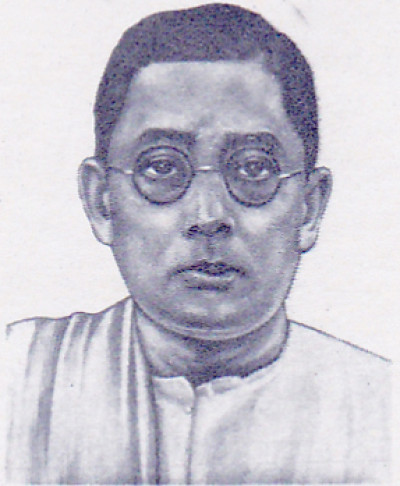
Life & Legacy
Early Life
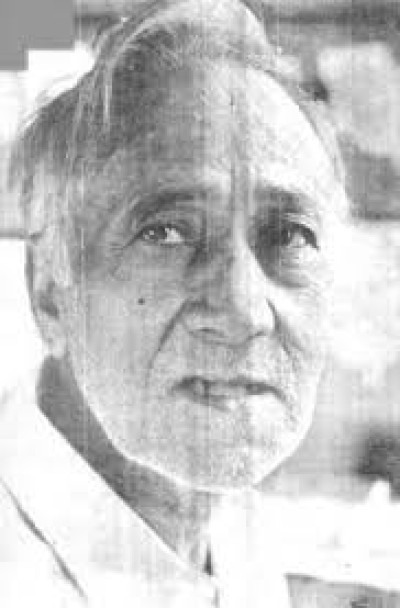
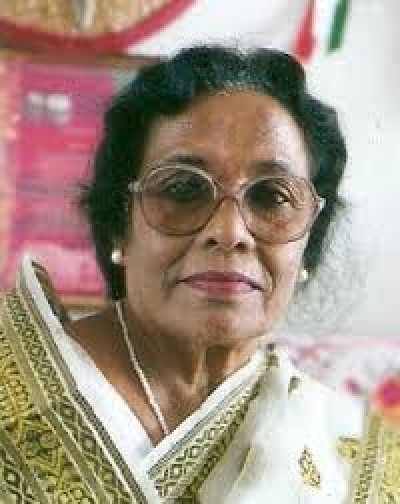
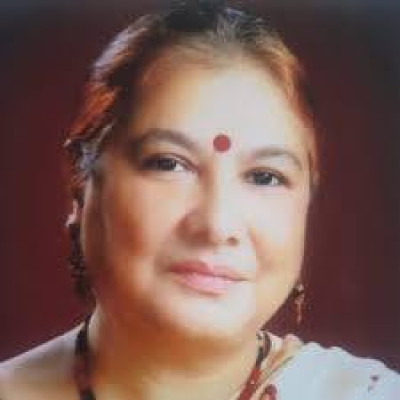
Mamoni Raisom Goswami was born on 14 November 1942 in Guwahati, Assam, to Umakanta Goswami and Ambika Devi. She belonged to a respected Vaishnavite Brahmin family with strong cultural and religious traditions. From an early age, she displayed exceptional literary talent and began writing stories while still in school. Her childhood experiences, along with the natural beauty and social environment of Assam, deeply influenced her later works.
A major turning point in her life came after the tragic death of her husband shortly after their marriage. The personal loss pushed her into severe depression, but writing became a source of healing and purpose. Many of her novels and autobiographical works reflect these deeply emotional experiences with honesty and sensitivity.
Education
Mamoni Raisom Goswami completed her early education at Latashil Primary School in Guwahati, Pine Mount School in Shillong and Tarini Chaudhury Girls' School in Guwahati. She pursued higher studies at Handique Girls' College before graduating with honours in Assamese literature from Cotton College. She later earned a Master's degree in Assamese from Gauhati University and conducted advanced research on the Ramayana tradition, eventually publishing the acclaimed scholarly work Ramayana from Ganga to Brahmaputra.
She later joined the University of Delhi, where she served as Professor and eventually Head of the Department of Modern Indian Languages and Literary Studies, contributing significantly to the promotion of Assamese language and literature.
Literary Career
Mamoni Raisom Goswami's literary career began at a young age with the publication of short stories in Assamese magazines. Over time, she became one of India's most celebrated writers. Her novels are known for portraying the lives of widows, women, labourers, tribal communities, religious institutions and people affected by violence and social discrimination.
Her writing combined emotional depth with social realism, addressing subjects that were often considered sensitive or controversial. Through works such as The Moth-Eaten Howdah of a Tusker, Pages Stained With Blood, The Man from Chinnamasta, The Blue-Necked Braja, Ahiron and The Chenab's Current, she highlighted issues including widowhood, communal violence, religious practices, gender inequality and human dignity.
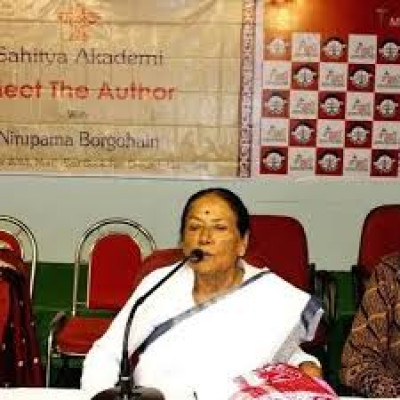
Apart from fiction, she made significant contributions as a researcher, essayist, autobiographer and translator. Her autobiography An Unfinished Autobiography remains one of the most widely read autobiographical works in Assamese literature.
Peace Initiatives and Social Contributions
Beyond literature, Mamoni Raisom Goswami played an important role in promoting peace in Assam. She acted as an important bridge between the Government of India and the United Liberation Front of Asom (ULFA), supporting peaceful dialogue through the People's Consultative Group. Although she described herself as an observer rather than a negotiator, her efforts reflected her commitment to justice, humanity and reconciliation.
Major Achievements
Mamoni Raisom Goswami transformed modern Assamese literature through her bold storytelling and powerful social commentary. Her novels have been translated into several Indian and international languages, introducing Assamese literature to readers worldwide. Many of her works have also been adapted into award-winning films and television productions. She remains one of the few Assamese writers to achieve both literary excellence and global recognition.
Awards and Recognition
Mamoni Raisom Goswami received numerous prestigious honours throughout her career.
- Sahitya Akademi Award (1982) for Mamore Dhora Tarowal
- Bharat Nirman Award (1989)
- Sauhardya Award (1992)
- Katha National Award for Literature (1993)
- Kamal Kumari National Award (1996)
- Jnanpith Award (2000)
- Rabindra Bharati University D.Litt. (2002)
- Mahiyoshi Jaymati Award (2002)
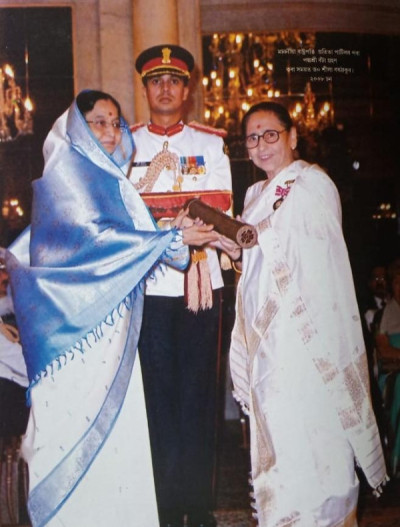
- Padma Shri (2002 - respectfully declined)
- Rajiv Gandhi University D.Litt. (2007)
- IGNOU D.Litt. (2008)
- Iswar Chandra Vidyasagar Gold Plate (2008)
- Prince Claus Award (2008)
- Krishnakanta Handique Award (2009)
- Ambassador for Peace Award
- International Tulsi Award
- Asom Ratna
Death
Mamoni Raisom Goswami passed away on 29 November 2011 at Gauhati Medical College Hospital after a prolonged illness. She was 69 years old. Her passing marked the loss of one of India's greatest literary voices, but her writings continue to inspire readers, scholars and social thinkers across the world.
Legacy
Mamoni Raisom Goswami remains a symbol of courage, compassion and literary excellence. Her fearless exploration of difficult social issues, combined with her humanitarian outlook, transformed Assamese literature and brought international attention to the literary heritage of Assam. She continues to be remembered as one of the finest women writers in Indian literature.
Selected Books Written by Mamoni Raisom Goswami
Famous Novels
- Chinavar Srota (The Chenab's Current)
- Neelkanthi Braja (The Blue-Necked Braja)
- Ahiron
- Mamore Dhora Tarowal (The Rusted Sword)
- Budhosagor Dhukhor Geisha Aru Mohammed Musa
- Datal Hatir Une Khowa Howdah (The Moth-Eaten Howdah of a Tusker)
- Udaybhanur Charitra
- Nangoth Sohor
- Tej Aru Dhulire Dhusarita Prishtha (Pages Stained With Blood)
- Dasharathir Khuj (Dasharathi's Footsteps)
- Chinnamastar Manuhto (The Man from Chinnamasta)
- Thengphakhri Tehsildaror Tamor Taruwal (The Bronze Sword of Thengphakhri Tehsildar)
Autobiographical Works
- An Unfinished Autobiography
- Adha Lekha Dastabej
- Dastabej Natun Prishtha
- Apsara Griha
Popular Short Stories
- Beasts
- Dwarka and His Gun
- Parasu's Well
- The Journey
- Sanskar
- To Break a Begging Bowl
- Udang Bakach
Poetry Collections
- Pain and Flesh
- Pakistan
- Ode to a Whore
Research and Non-Fiction
- Ramayana from Ganga to Brahmaputra
FAQs on Mamoni Raisom Goswami
Q1. Who was Mamoni Raisom Goswami?
Mamoni Raisom Goswami, also known as Indira Goswami and Mamoni Baideo, was a renowned Assamese novelist, poet, professor, scholar and Jnanpith Award-winning writer.
Q2. When was Mamoni Raisom Goswami born?
She was born on 14 November 1942 in Guwahati, Assam.
Q3. Why is Mamoni Raisom Goswami famous?
She is famous for her powerful novels, social activism, research on the Ramayana and her contributions to modern Assamese literature.
Q4. What is the real name of Mamoni Raisom Goswami?
Her real name was Indira Goswami.
Q5. Which is the most famous book written by Mamoni Raisom Goswami?
Some of her most famous books include The Moth-Eaten Howdah of a Tusker, The Man from Chinnamasta, Pages Stained With Blood and The Blue-Necked Braja.
Q6. Which awards did Mamoni Raisom Goswami receive?
She received the Jnanpith Award, Sahitya Akademi Award, Prince Claus Award, Bharat Nirman Award, Kamal Kumari National Award and several honorary doctorates.
Q7. Did Mamoni Raisom Goswami accept the Padma Shri Award?
No. She respectfully declined the Padma Shri offered by the Government of India in 2002.
Q8. What role did Mamoni Raisom Goswami play in the Assam peace process?
She supported peace initiatives by encouraging dialogue between the Government of India and ULFA through the People's Consultative Group.
Q9. When did Mamoni Raisom Goswami die?
She passed away on 29 November 2011 at Gauhati Medical College Hospital.
Q10. What is the legacy of Mamoni Raisom Goswami?
She is remembered as one of India's greatest literary figures whose writings transformed Assamese literature and inspired generations through themes of humanity, justice and social reform.