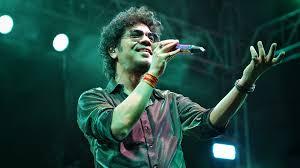
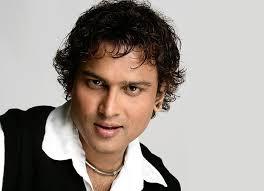
Life & Legacy
Early Life
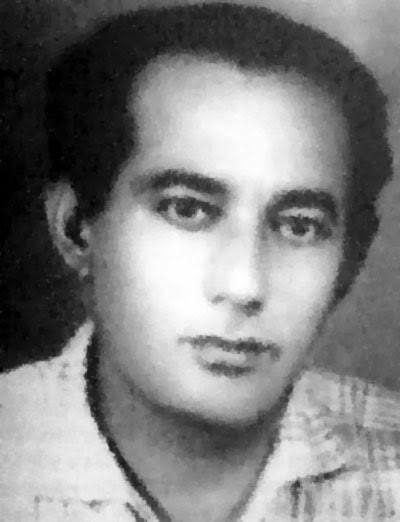
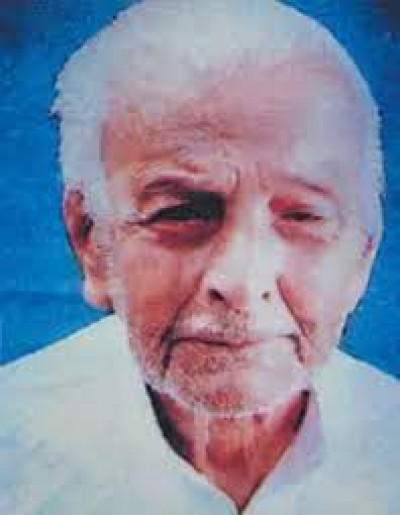
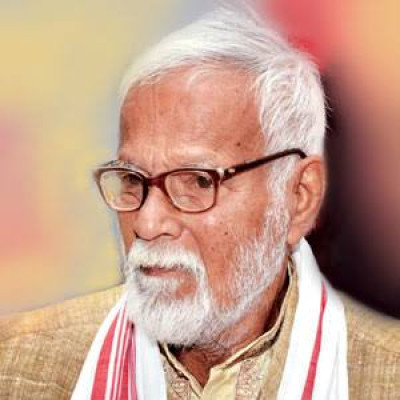
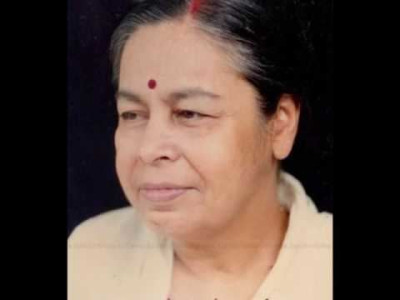
Jayanta Hazarika was born on 20 September 1943 in Mangaldai, Assam, into the renowned Hazarika family, which has made remarkable contributions to Assamese literature, music and culture. He was the youngest among the talented siblings and was affectionately known as "Rana". Growing up in a musical environment, he developed a deep passion for music during his childhood. His parents, Nilakanta Hazarika and Shantipriya Hazarika, encouraged creativity, while his elder brother Dr. Bhupen Hazarika became one of his greatest inspirations.
Even as a young boy, Jayanta displayed exceptional musical talent. He composed melodies at an early age and mastered several musical instruments, laying the foundation for a career that would later redefine Assamese music.
Education
Jayanta Hazarika completed his schooling at Sonaram High School in Guwahati. Although he did not pursue higher academic education, his dedication to music remained unwavering. His natural creativity, practical learning and continuous experimentation with different musical styles shaped him into one of Assam's finest composers.
Musical Career
Jayanta Hazarika began his professional musical journey by assisting his elder brother Dr. Bhupen Hazarika in film music and stage performances. His first recordings quickly gained popularity and established him as a promising young singer. As his career progressed, he emerged as an independent composer and playback singer with a unique musical identity.
He became widely recognised as the first Assamese composer to successfully blend traditional Assamese folk tunes with Western genres such as jazz, rock and roll and classical orchestration. His innovative use of instruments including the guitar, mandolin, accordion, harmonica and piano brought a refreshing sound to Assamese music without losing its cultural essence.
As a music director, he composed memorable soundtracks for Assamese films including Bonoria Phul, Brishti, Dharmakai, Natun Asha and Niyoti. He also contributed music to documentaries, theatre productions and radio programmes, earning admiration for his creativity and versatility.
Popular Songs
Jayanta Hazarika gifted Assamese music numerous evergreen songs that continue to be loved by listeners of every generation. Some of his best-known songs include Aag Loti Kolapat Lore Ki Sore, Mur Naam Anuruddha, Shillongore Monalisa, Phagun Kiyo Aahil, Bohag Hoy Jodi, Jibon Tu Jodi Abhinay Hoy, Auto Rickshaw Cholau Ami Duyu Bhai, Aaji Pranor Mela Patisu, Durjog Lognor Dekhu Hahakaar and Eitu Prahar Xunya Prahar. His songs remain popular on radio, television, digital platforms and cultural programmes throughout Assam.
Social Contributions
Beyond music, Jayanta Hazarika believed that art should serve society. In 1977, he established Xur Bahini, a musical initiative that organised performances to raise funds for flood victims, underprivileged communities and people facing medical emergencies. The group travelled to different places, performing songs and collecting donations for humanitarian causes. This initiative reflected his compassion, leadership and commitment to public welfare.
Personal Life
Jayanta Hazarika married Manisha Sengupta, an accomplished Bengali singer, on 4 August 1969. Their son, Mayukh Hazarika, later became a respected singer and composer, continuing the family's rich musical tradition. Together, the family has played an important role in preserving and promoting Assamese music.
Achievements
Jayanta Hazarika is remembered as one of the pioneers of modern Assamese music. He introduced innovative musical arrangements, expanded the use of Western instruments and inspired a new generation of singers and composers. His ability to combine melody, emotion and meaningful lyrics helped redefine Assamese popular music during the 1960s and 1970s. His compositions continue to influence musicians and remain an integral part of Assam's cultural heritage.
Awards and Recognition
Although Jayanta Hazarika's career was brief and many formal honours came after his lifetime, he enjoys immense respect as one of Assam's greatest musical icons. His songs are regularly performed during cultural events, music festivals and tribute programmes. Music lovers, scholars and artists continue to celebrate his extraordinary contribution to Assamese music, recognising him as a visionary composer whose work remains timeless.
Death
Jayanta Hazarika passed away on 15 October 1977 while undergoing treatment in Kolkata after falling seriously ill during a recording assignment. His sudden death at the age of 34 was a significant loss for Assamese music. Despite his short life, his extraordinary body of work continues to live on, inspiring artists and delighting audiences decades after his passing.
Legacy
Jayanta Hazarika's contribution to Assamese music remains unmatched. His fearless experimentation, emotional compositions and dedication to society established him as one of the greatest cultural personalities of Assam. His songs continue to be cherished by millions, ensuring that his musical legacy remains alive for generations to come.
FAQs on Jayanta Hazarika
Q1. Who was Jayanta Hazarika?
Jayanta Hazarika was a renowned Assamese singer, music composer, lyricist and playback artist who introduced Western musical influences into Assamese music while preserving its traditional identity.
Q2. When was Jayanta Hazarika born?
Jayanta Hazarika was born on 20 September 1943 in Mangaldai, Assam.
Q3. When did Jayanta Hazarika die?
He passed away on 15 October 1977 at the age of 34 while undergoing treatment in Kolkata.
Q4. Why is Jayanta Hazarika famous?
He is famous for revolutionising Assamese music by blending folk traditions with Western musical styles and creating numerous evergreen songs.
Q5. Was Jayanta Hazarika related to Bhupen Hazarika?
Yes. Jayanta Hazarika was the younger brother of the legendary Assamese musician Dr. Bhupen Hazarika.
Q6. Who was Jayanta Hazarika's wife?
His wife was Manisha Hazarika (formerly Manisha Sengupta), a noted singer.
Q7. Who is Mayukh Hazarika?
Mayukh Hazarika is the son of Jayanta Hazarika and Manisha Hazarika and is a well-known Assamese singer and composer.
Q8. What were Jayanta Hazarika's major contributions to Assamese music?
He pioneered the fusion of Assamese folk melodies with Western musical arrangements and introduced modern orchestration into Assamese songs.
Q9. Which Assamese films did Jayanta Hazarika compose music for?
He composed music for films including Bonoria Phul, Brishti, Dharmakai, Natun Asha and Niyoti, among others.
Q10. What is the legacy of Jayanta Hazarika?
Jayanta Hazarika is remembered as one of the greatest pioneers of modern Assamese music. His timeless songs, innovative compositions and humanitarian efforts continue to inspire musicians and music lovers across Assam.