Life & Legacy
Early Life and Education
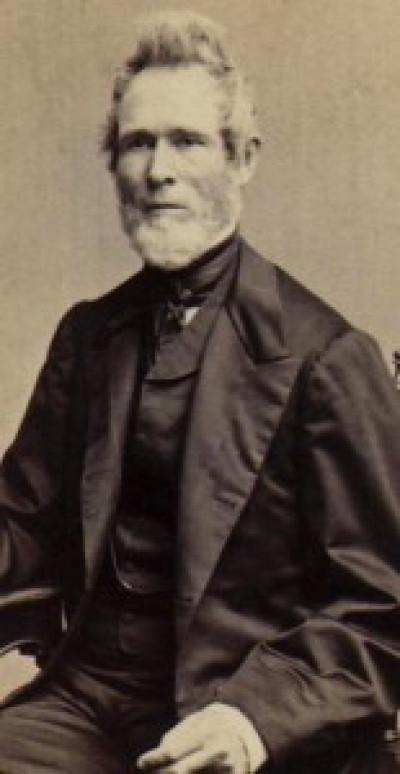
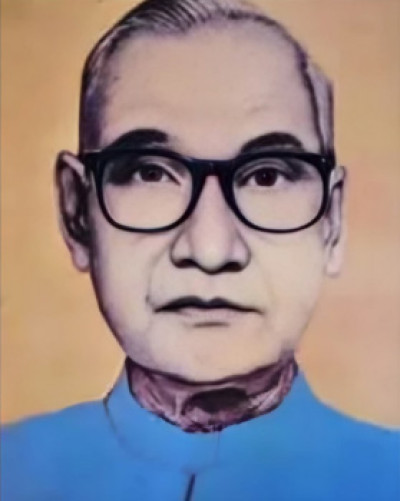
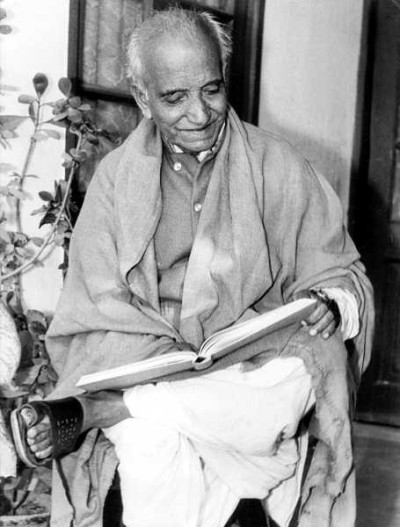
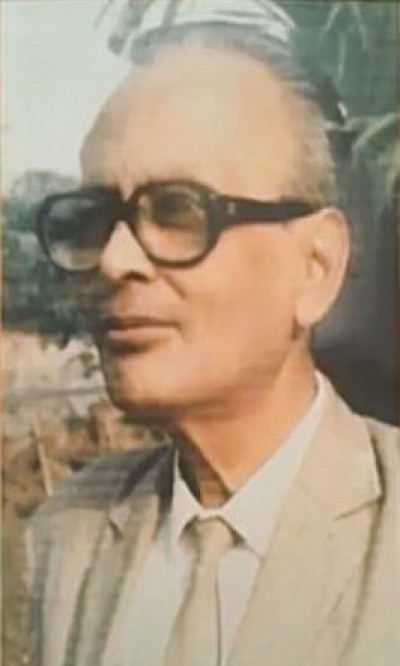
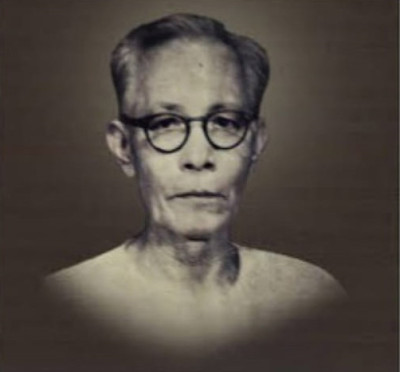
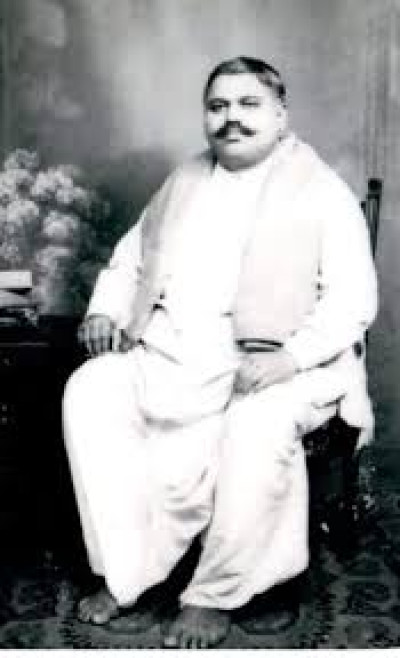
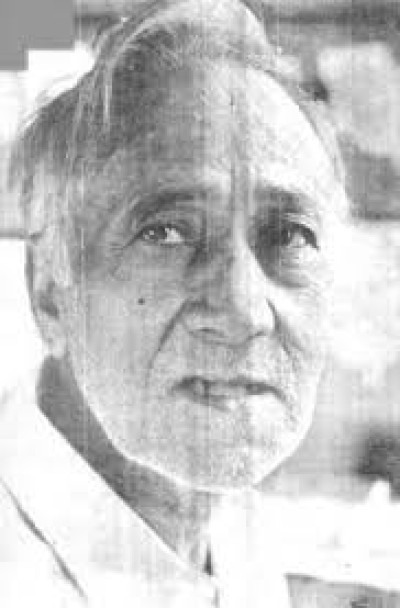
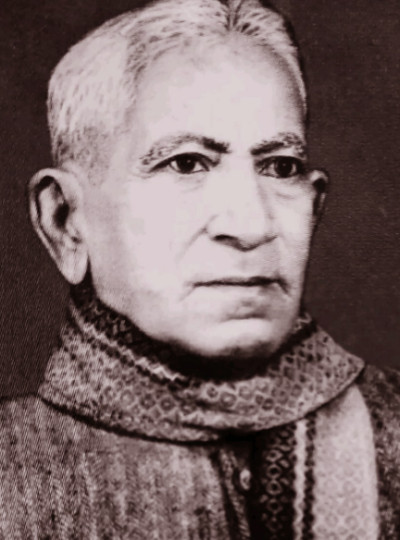
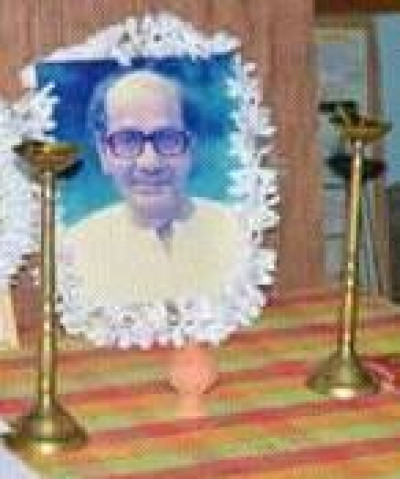
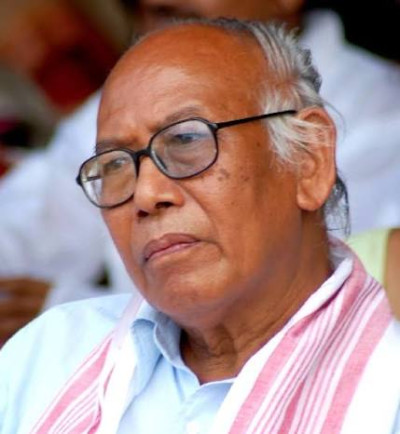
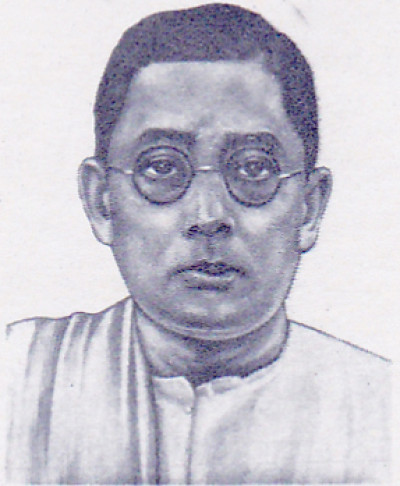
Dimbeswar Neog was born in 1899 at Kamarfadia, a small riverine village in the Sivasagar district of Assam. He was the eldest son of Manik Chandra Neog and Chandra Prabha Neog. His early education began in his native village. After completing his matriculation, he moved to Guwahati and joined Cotton College. He completed his bachelor's degree in 1924 and later pursued higher studies in Assamese, obtaining a master's degree from Calcutta University in 1940.
His years at Cotton College were particularly important for his literary development. During this period, he came into contact with prominent literary figures including Chandra Kumar Agarwalla, Chandradhar Baruah, Mitradev Mahanta, Bani Kanta Kakati and Suniti Kumar Chatterji.
Literary Career
Dimbeswar Neog began writing at an early age and started taking poetry seriously around 1914. His writings appeared in Assamese literary magazines such as Usha, Banhi and Chetana. During his student years, he became actively involved in the Assam Chatra Sanmelan and served as its General Secretary from 1921 to 1924. He also edited the organization's publications Janmabhumi and Milan.
Neog began his professional career as a teacher at Sivasagar Government School on 19 April 1925. He later continued his career in education and eventually served as the principal of Jorhat Normal College. Throughout his professional life, he remained deeply involved in literary research, Assamese language studies and cultural scholarship.
Family and Personal Life
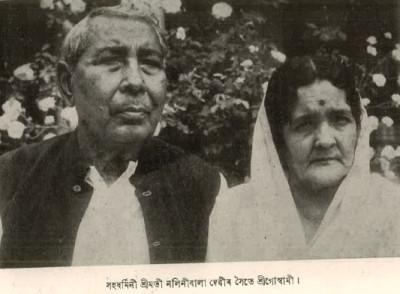
In 1930, Dimbeswar Neog married Aajaleetora Neog, daughter of writer and former Dibrugarh district judge Benudhar Rajkhowa. They had seven children and later lived at their residence known as Xuwoni Poja in Torajan, Jorhat. His family also remained connected with Assamese literary and cultural activities.
Literary Scholarship
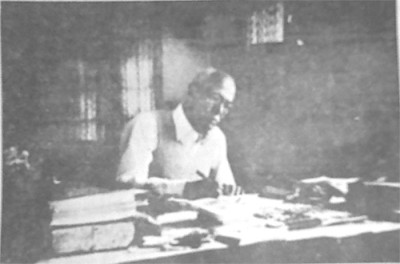
Dimbeswar Neog was a highly versatile author and is credited with around 100 books and literary works. His writings extended across several genres and subjects, including poetry, fiction, drama, folklore, literary criticism, language, history, religion and cultural studies.
He is particularly remembered for his scholarship on Assamese literature. His studies examined the development of Assamese language and literature and helped establish a more systematic approach to literary criticism. His major research interests also included Assamese folklore, the history of Assamese literature, Vaishnavism and the teachings of Srimanta Sankardeva.
Poetry and Literary Works
Dimbeswar Neog's poetry is an important part of modern Assamese literature. His works explored nature, human emotions, beauty, spirituality, society and different aspects of Assamese life. His first major poetry collection, Indradhanu, contributed to his popular identity as the 'Indradhenu Kobi'.
Selected Poetry and Poetic Works:
- Malika (1921)
- Safura (1923)
- Thupitora (1925)
- Malati (1927)
- Bihuwoti (1929)
- Indradhanu (1929)
- Mukuta (1932)
- Axoma (1947)
- Bichitra (1948)
- Thapona (1948)
- Swohidaan (1952)
- Xuwoni (1952)
- Rahasya Logori
- Manuh (1965)
- Meghdoot (translation)
- Emuthi Geet Aru Kobita
Folk Literature
Neog made substantial contributions to Assamese folk literature and studied traditional songs, stories, beliefs and cultural expressions. His folk-literary works helped preserve and document different aspects of Assam's traditional heritage.
Selected Folk Literature Works:
- Banhi
- Putoli
- Bhogjora
- Dohali
- Parijat
- Moni Konwar
- Kachon Konwari
- Phool Konwar
- Postula Konwari
- Namoti
- Dakor Boson Vedor Baani
- Rohrohi
- Pani Mithoi
- Banabenu, including Akul Pathika, Phagunee and Bihuwati
Novels and Fiction
Neog also contributed to Assamese fiction and social writing. His works in this area reflected his interest in society and human life.
Selected Novels and Fiction:
- Gaone-Nagare (1960)
- Sisuleela
- Kundila Nagara
Drama
Dimbeswar Neog wrote several dramatic works based on mythology, history, culture and social themes.
Selected Dramatic Works:
- Deepawali
- Krishna Leela
- Kundil Konwari
- Okaal Basanta
- Madan Bhasma
- Kamrup
- Ras Kriya
Literary Criticism and Assamese Literature
Literary criticism was one of Neog's most important areas of scholarship. His critical writings examined Assamese literary history, language, literary theory and major works of Assamese literature. His research helped develop academic approaches to the study of Assamese literary traditions.
Selected Critical and Literary Studies:
- New Light on the History of Assamese Literature
- The Origin and Growth of the Axomiya Language
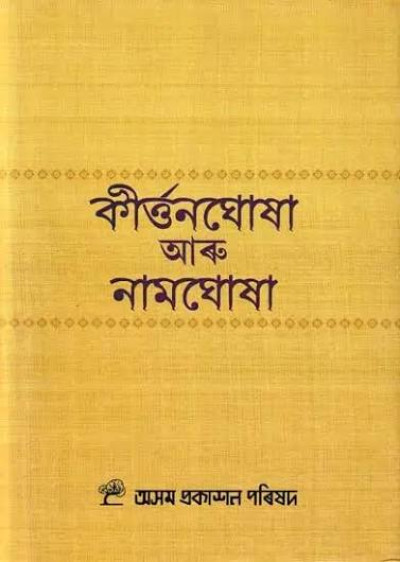
- A Light Coming Through Wall of Assamese Literature - Kirtan Ghosa
- Light on Assamese Literature
- Prativa
- Janakabya
- Katha-Prativa
- Modern History of Assamese Literature
- Axomiya Sahityor Odhoyon
- Axomiya Sahityor Buronji
His book New Light on History of Asamiya Literature was a major study of Assamese literary history and was published in 1962. The work examined Assamese literature from its early development through later periods and remains an important reference in the study of Assamese literary history.
Works on Religion and Vaishnavism
Neog also devoted considerable attention to Assamese Vaishnavite traditions and the teachings of Srimanta Sankardeva. His writings in this field explored Mahapurusiya philosophy, devotion and the development of Vaishnavism in Assam.
Selected Works on Religion and Faith:
- Jagat Guru Sankardev
- JugoNayak Sankardeva
- Mahapurusism
- Vaisnava Dharmar Atiguri
- Vaisnava Dharmar Kramavistar
- Vaisnava Dharmara Bhaktitatva
- Naradiya Bhoktisutra and Mahapurusiasm - A Universal Religion
- Santi-Kowas
Language Studies
Neog was also interested in the Assamese language and its development. His linguistic studies addressed Assamese grammar, language history, literary language and script-related questions. His scholarship extended beyond creative writing into systematic study of Assamese linguistic traditions.
Selected Language and Research Works:
- Assamiya Bhasa Aru Lipir Kahini
- Sudh Assamiya
- Assamiya Bhasatatvar Natun Bisar
- The Origin and Growth of the Axomiya Language
Positions and Organizational Contributions
Dimbeswar Neog held several important academic, literary and organizational responsibilities during his lifetime.
- Teacher, Sivasagar Government School
- General Secretary, Assam Chatra Sanmelan, 1921-1924
- Editor of Janmabhumi
- Editor of Milan
- Principal, Jorhat Normal College
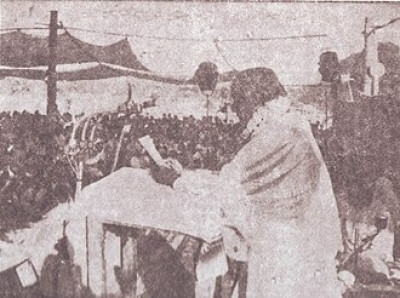
- President of the 32nd session of Asom Sahitya Sabha at Nalbari, 1965
Achievements and Recognition
- Known popularly as the 'Indradhenu Kobi' or 'Rainbow Poet' of Assam.
- Authored around 100 books and literary works across multiple genres.
- Made major contributions to Assamese poetry and literary criticism.
- Conducted important research into Assamese literary history and language.
- Made significant contributions to the study of Assamese folk literature.
- Wrote extensively on Srimanta Sankardeva and Assamese Vaishnavism.
- Presided over the 32nd session of Asom Sahitya Sabha at Nalbari in 1965.
- His scholarship on Assamese literature has been recognized as important to the academic development of literary criticism.
Death
Dimbeswar Neog passed away in 1966 after a life devoted to Assamese literature, education, language studies and cultural scholarship. His extensive writings continue to form an important part of the study of Assamese literary and cultural history.
Legacy
Dimbeswar Neog remains remembered as one of the significant scholars and literary figures of modern Assam. His contribution was not limited to poetry; he worked across literature, folklore, language, literary history, criticism and Vaishnavite studies. His wide-ranging scholarship and large body of writings earned him a lasting place in Assamese literary history.
FAQs about Dimbeswar Neog