Life & Legacy
Early Life and Family
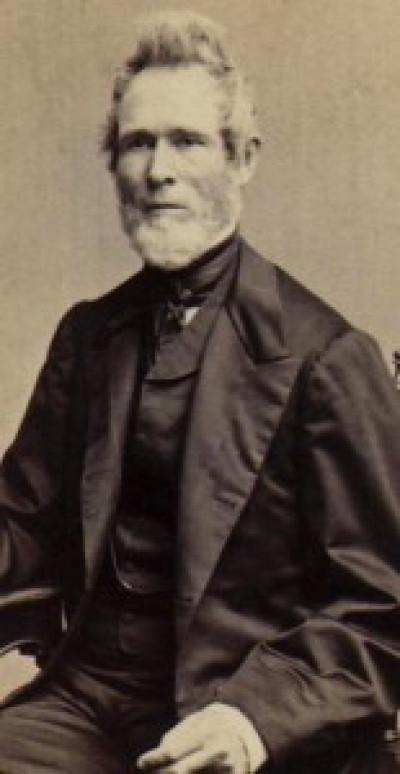
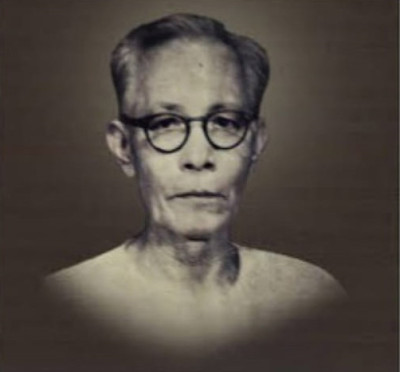
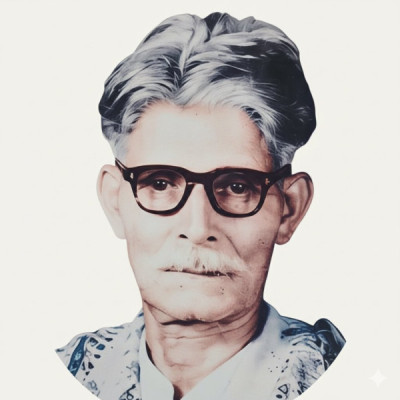
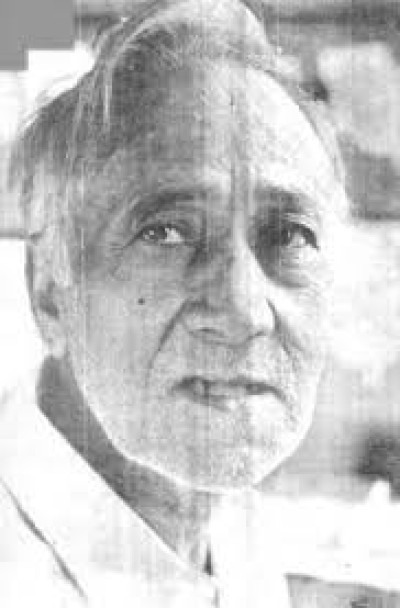
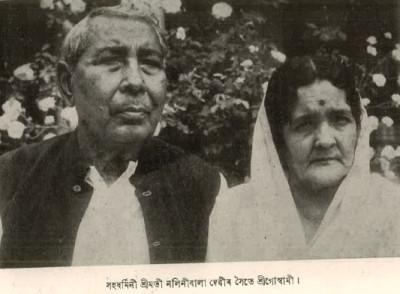
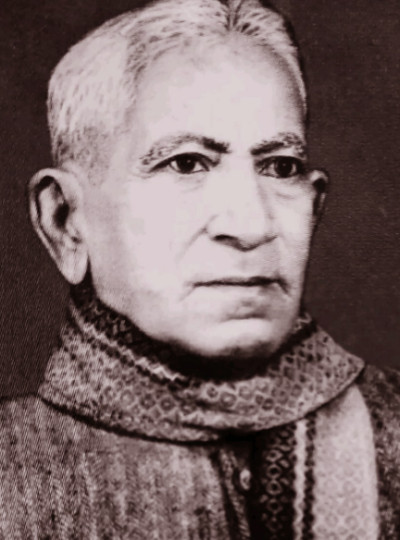
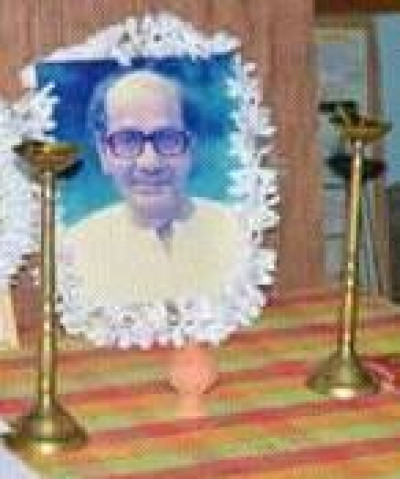
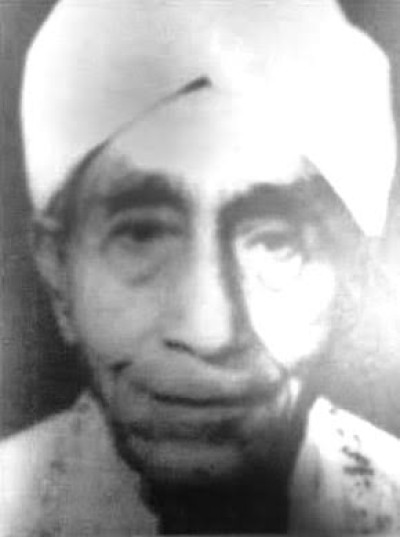
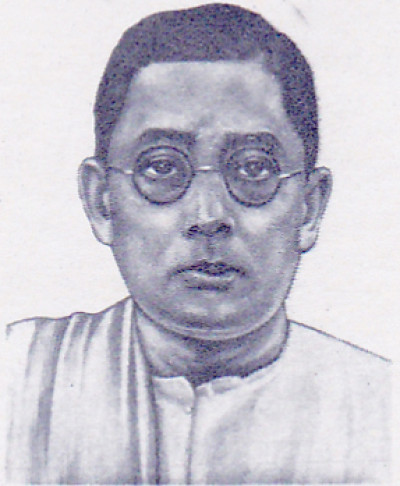
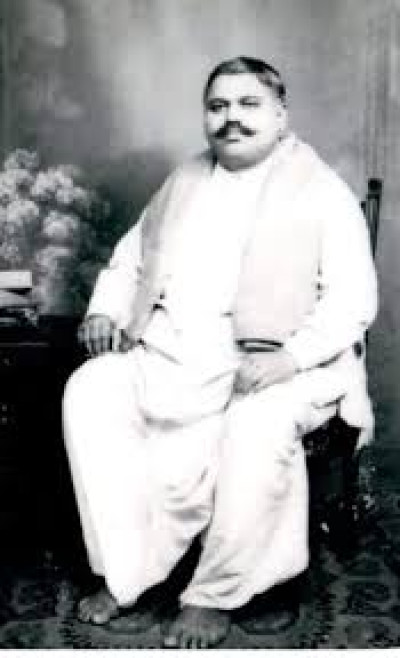
Upendra Chandra Lekharu was born on 13 January 1905 at Rudreswar in North Guwahati, Assam. His father was Nandaram Lekharu and his mother was Sonpahi Lekharu. Growing up in a religious Assamese family, he developed an early interest in literature, learning and Vaishnavite thought. His later scholarly work reflected this deep interest in Assamese religious and literary traditions.
Education
Lekharu began his education in North Guwahati and passed the final examination from North Guwahati Minor School in 1918. He subsequently studied at Cotton Collegiate School, Guwahati, where he passed the Entrance Examination in 1922 with distinction in Mathematics. He continued his higher education at Cotton College and completed his graduation with honours in Philosophy in 1926. He later pursued postgraduate studies in modern Indian languages and studied Assamese and Bengali. Alongside his academic studies, he obtained a law degree from Earl Law College, Guwahati.
Career and Academic Life
Upendra Chandra Lekharu began his professional career as a teacher at Kamaldev High School in North Guwahati. He later practiced law in Guwahati for a short period before returning to education. His academic career became closely associated with Cotton College, where he joined the Assamese Department in 1938. He taught there for more than two decades and retired as Head of the Department in December 1959.
After retirement, Lekharu moved to Vrindavan and was appointed Research Professor associated with the Srimanta Sankardev Chair at the Institute of Oriental Philosophy. He guided research relating to the Ramayana and Assamese Vaishnavite literature. Several researchers worked under his guidance, including Mamoni Raisom Goswami, who later became a renowned Assamese writer.
Literary and Cultural Contributions
Lekharu began writing essays during his student years and contributed to Assamese journals such as Milan, Chetana and Awahan. His literary contribution focused largely on essays, criticism, translation, editing, religious literature and the study of older Assamese texts. He played an important role in bringing ancient Assamese literary material to readers through scholarly editing and interpretation.
He was also associated with the magazine Jana Shiksha and served on the editorial committee of Milan, the mouthpiece of the Assam Students' Conference. His scholarship particularly emphasized Assamese literature, Vaishnavism and the literary heritage associated with Srimanta Sankardev and Madhav Kandali.
Important Books and Literary Works
Books and Edited Works:
Katha-Guru Charita (1952)
Katha Sahitya (1940)
Assamese Ramayani Literature (1948)
Assamese Literary Servant Rajanikanta Bordoloi (1948)
Adarsha Rachanawali (1949)
University Rachanawali
Lakshminath Bezbarua (1979)
Madhav Kandali's Ramayana
Assamese Vishnu and Vaishnavism of the Pre-Sankari Era
Ekheni Purani Puthi
Purani Puthi Sangrah
Translations:
Teachings of Sri Ramakrishna
Dhammapada (1947)
Bhakti Viveka (1951)
Enoch Arden (1948)
English Works:
Religion in Assam throughout the Ages
Concept of Siva according to Shree Sankardev
Other Literary Contributions:
Srikrishna Prayanam
Adarsha Rachanawali
Assamese Ramayani Literature
Essays and studies on Assamese Vaishnavism, ancient Assamese literature and religious traditions
Role in Asam Sahitya Sabha
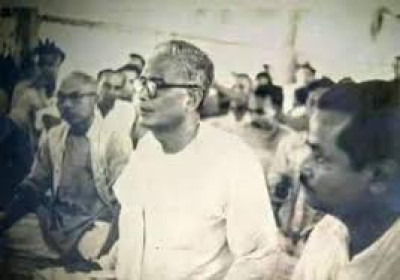
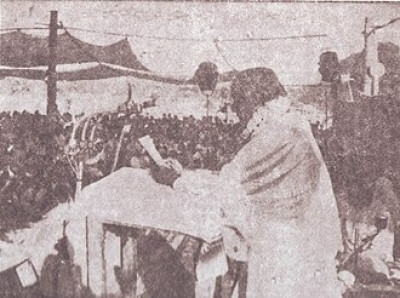
Upendra Chandra Lekharu was an important figure in the Asam Sahitya Sabha. He presided over its 37th session held at Dhing in 1970. His association with Assamese literary and cultural institutions reflected his long-standing commitment to the development and preservation of Assamese language and literature.
Social and Cultural Contributions
Lekharu was involved in several initiatives intended to promote Assamese literature and cultural heritage. He helped establish the Anandaram Barua Library in North Guwahati and founded the Ananda Samiti, which encouraged literary discussions and educational activities. During his years in Vrindavan, he also played an important role in establishing the Srimanta Sankardev Seva Sangha, along with a temple and pilgrim rest house dedicated to the Vaishnavite tradition.
He also contributed to the preservation and promotion of Assamese culture outside Assam, particularly through his work in Vrindavan and his research into Assamese religious and literary traditions.
Death
Upendra Chandra Lekharu passed away on 3 June 1979 at his residence in Guwahati. He left behind a significant body of literary, scholarly and translated works. His studies of Assamese literature, Vaishnavism and ancient literary traditions continue to represent an important part of Assam's intellectual and cultural history.
FAQs About Upendra Chandra Lekharu
- Who was Upendra Chandra Lekharu?Upendra Chandra Lekharu was a renowned Assamese writer, essayist, educationist, professor and scholar known for his contributions to Assamese literature and Vaishnavite studies.
When and where was Upendra Chandra Lekharu born?
Upendra Chandra Lekharu was born on 13 January 1905 at Rudreswar in North Guwahati, Assam.Who were the parents of Upendra Chandra Lekharu?
His father was Nandaram Lekharu and his mother was Sonpahi Lekharu.- What was Upendra Chandra Lekharu's educational qualification?He studied at Cotton Collegiate School and Cotton College and completed honours in Philosophy. He also pursued postgraduate studies and obtained a law degree from Earl Law College, Guwahati.
- Where did Upendra Chandra Lekharu work as a professor?He served as a professor in the Assamese Department of Cotton College and later retired as its Head of Department in 1959.
- Which Asam Sahitya Sabha session was presided over by Upendra Chandra Lekharu?He presided over the 37th session of the Asam Sahitya Sabha held at Dhing in 1970.
- What are the important books of Upendra Chandra Lekharu?His notable works include Katha-Guru Charita, Katha Sahitya, Assamese Ramayani Literature, Adarsha Rachanawali and studies on Assamese Vaishnavism and ancient literature.
What did Upendra Chandra Lekharu contribute to Assamese Vaishnavite literature?
He studied, edited, translated and interpreted important religious and literary texts connected with Assamese Vaishnavism and the teachings of Srimanta Sankardev.- What was Upendra Chandra Lekharu's connection with Vrindavan?After retiring from Cotton College, he worked as a Research Professor associated with the Srimanta Sankardev Chair in Vrindavan, where he guided research on the Ramayana and Assamese Vaishnavite literature.
When did Upendra Chandra Lekharu die?
Upendra Chandra Lekharu died on 3 June 1979 at his residence in Guwahati.