Life & Legacy
Early Life and Education
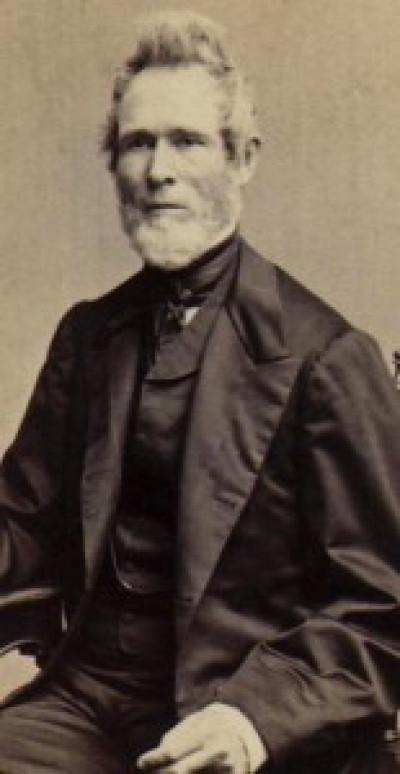
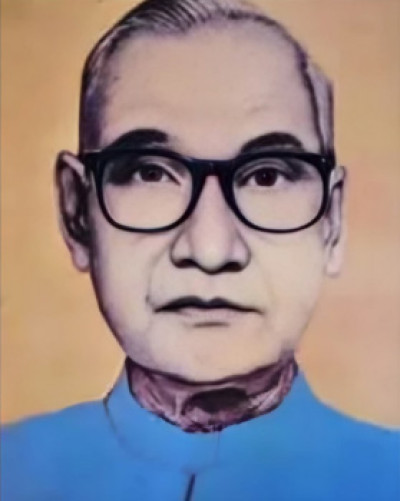
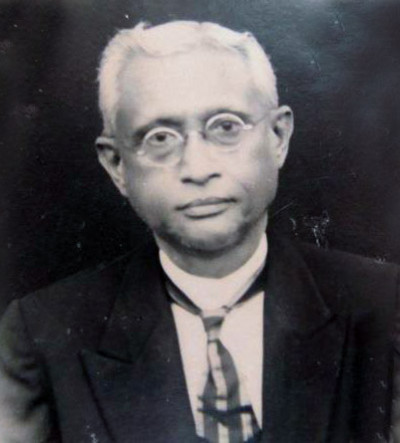
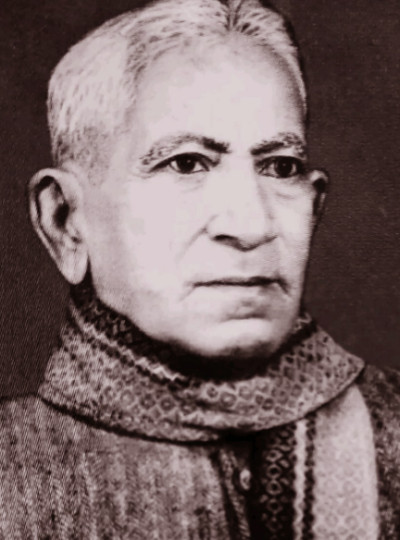
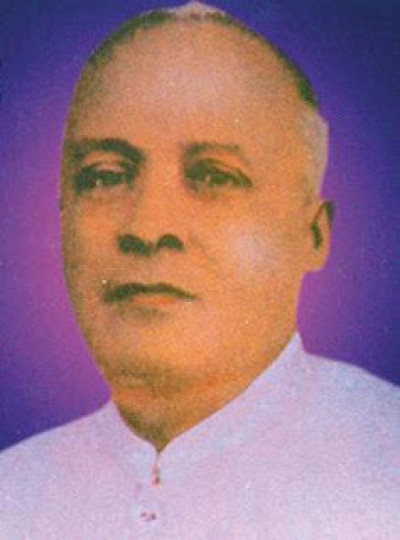
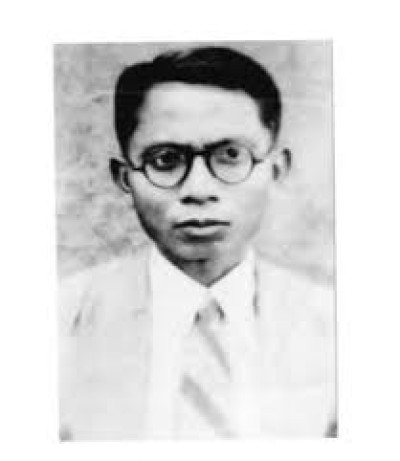
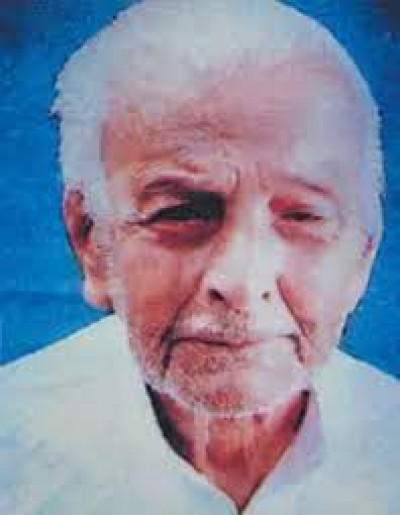
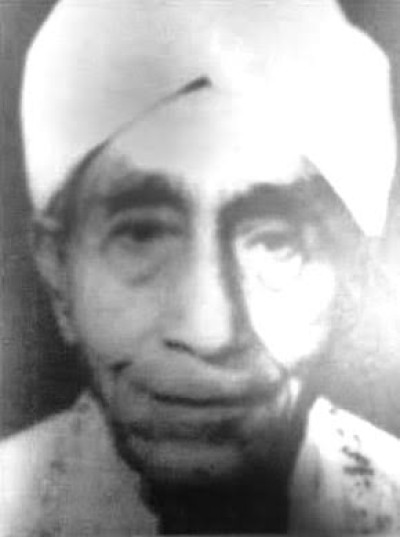
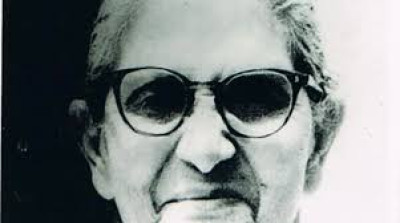
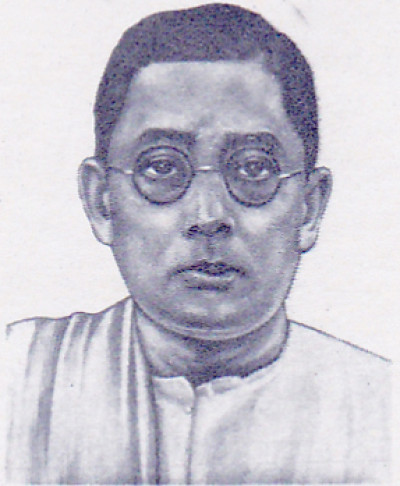
Gyannath Bora was born in 1890 in Guwahati to Satyanath Bora and Bhuvanmohini. He completed his early education in Guwahati and graduated with a B.A. from Cotton College in 1916. He later studied law at Earl Law College and obtained his B.L. degree in 1920. After completing his legal education, he began practicing as a lawyer in Guwahati.
Career and Professional Life
Bora practiced law in Guwahati for about five years before moving to Calcutta in 1927. He subsequently practiced at the Calcutta High Court until 1947. In 1951, he returned to Assam and became the Principal of Law College, Guwahati, a position he held until 1958.
Literary Contributions
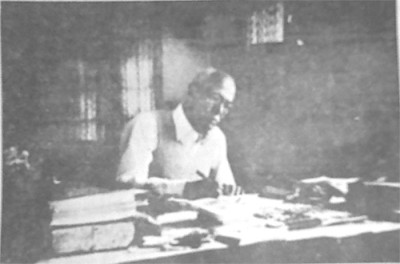
Gyannath Bora developed an interest in poetry during his student years, and his writings appeared in Assamese literary journals such as Usha. He later wrote essays dealing with political, social, literary, and cultural subjects, contributing to publications including Banhi, Awahan, and Manideep. He also wrote in English and translated Aldous Huxley's Brave New World into Assamese as Nutan Prithivi.
His notable writings include Asomat Bideshi, Yugatattva, Srihatt Bichhed, Asomiya Purani Sahitya, A Plea for Sanskrit as National Language, Provincialism, and Adhunik Asomiya Sahitya. His translation Nutan Prithivi also remains an important part of his literary work.
Organizational Contributions
Bora was among the founders and editors of the Guwahati Ekata Sabha and played an active role in the Assam Students' Conference. He served as the chief editor of the third session of the conference held in 1918 and was also associated with the Assam Provincial Conference.
President of Assam Sahitya Sabha
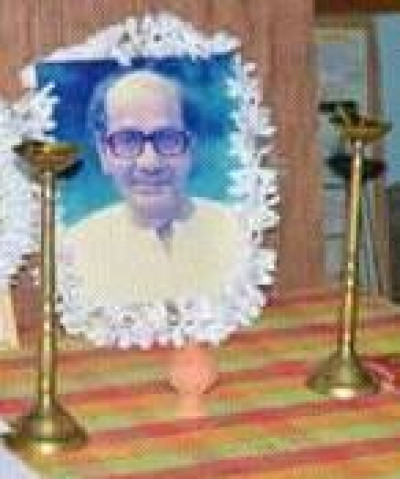
In 1968, Gyannath Bora was elected president of the Assam Sahitya Sabha session held at Tezpur. However, he could not complete his presidential term because he passed away on 30 November 1968.
Legacy
Gyannath Bora is remembered for combining his work as a lawyer and educationist with a sustained interest in Assamese literature, literary criticism, translation, and public organizations. His writings and institutional contributions form part of the intellectual history of modern Assam.