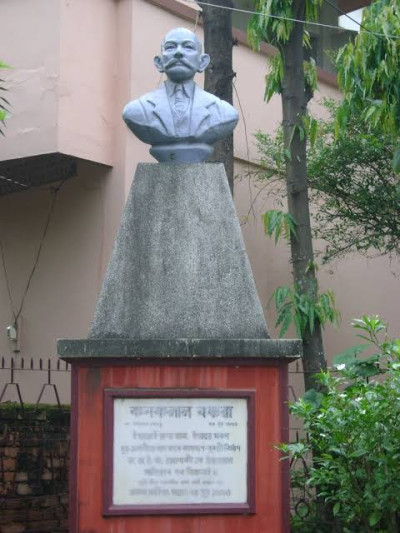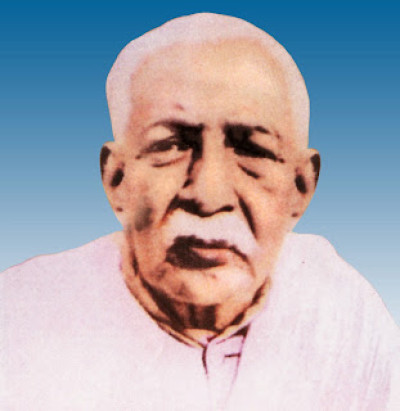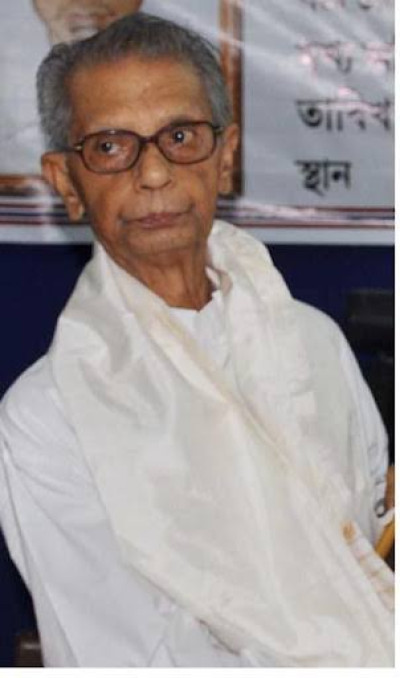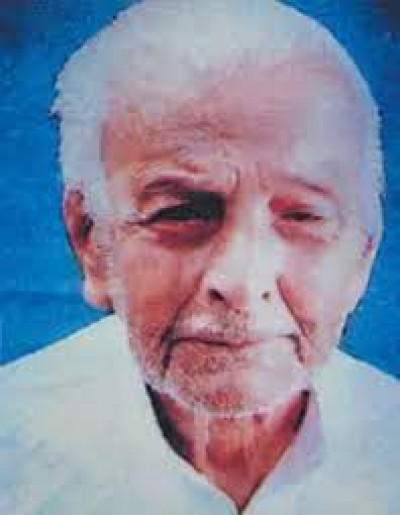
Life & Legacy
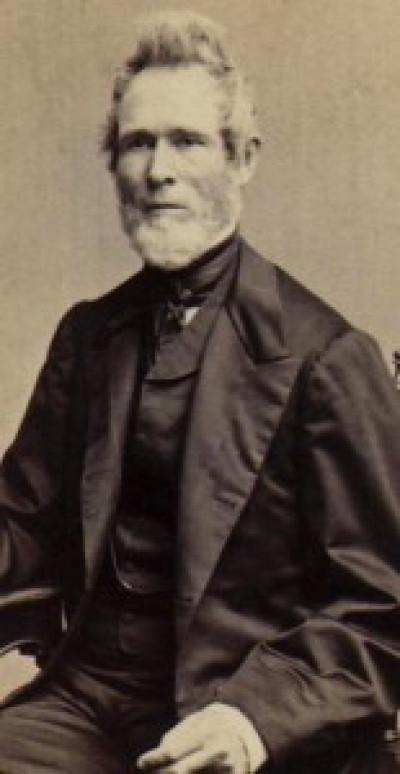
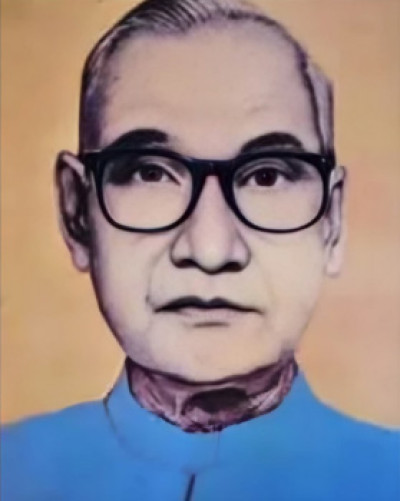
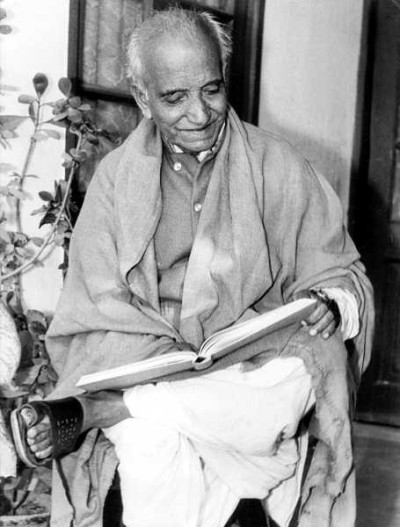
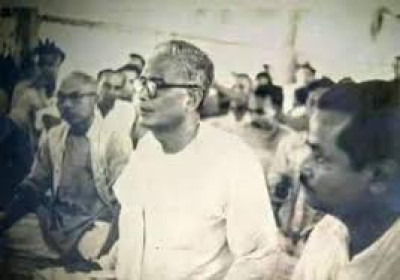
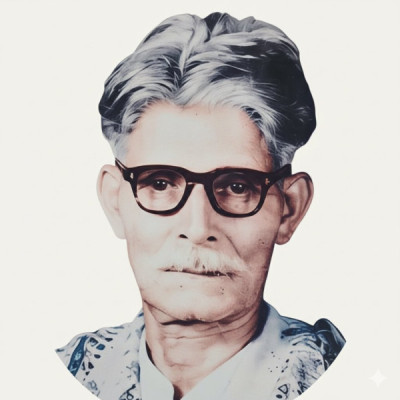
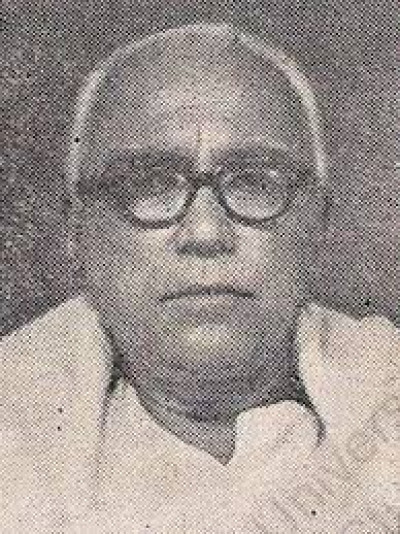
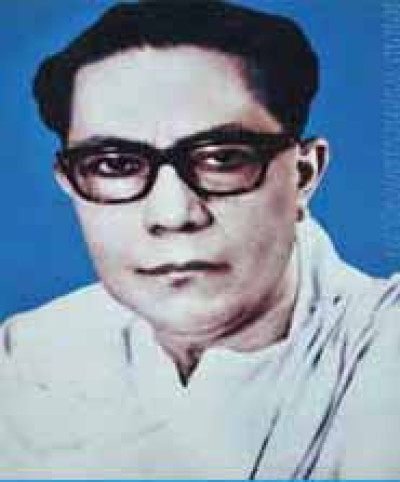
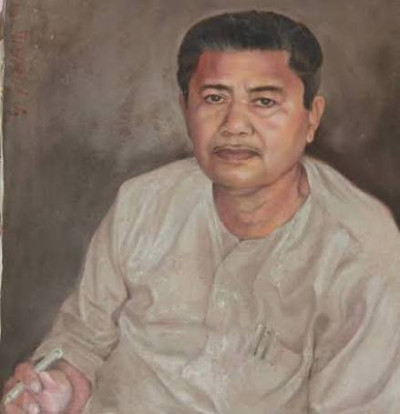
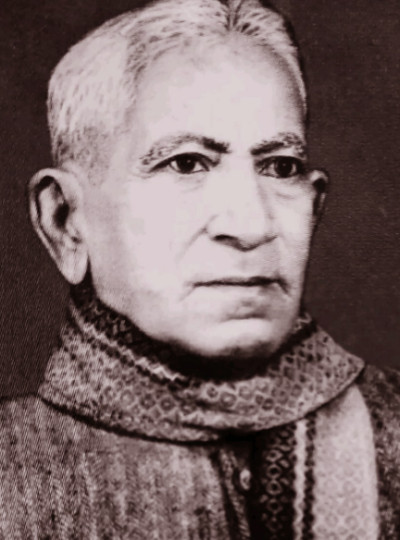
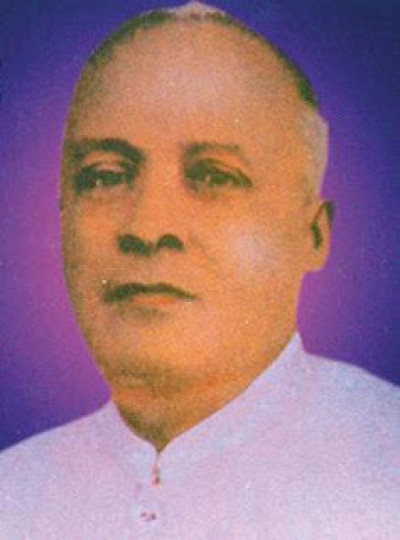
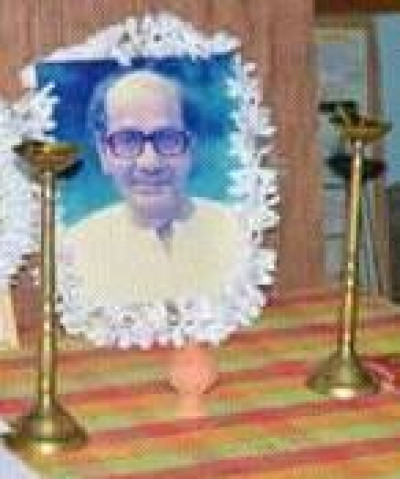
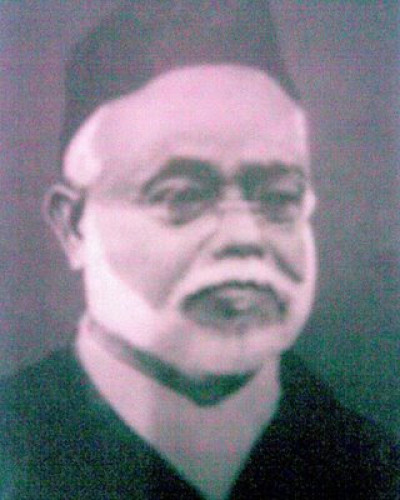
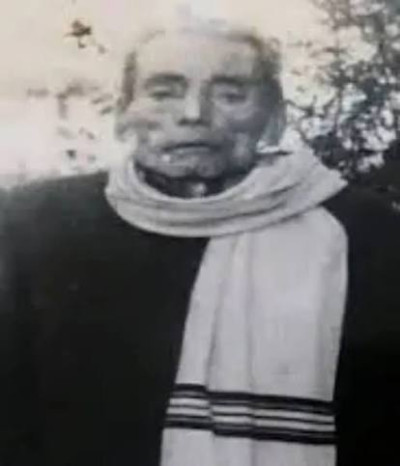
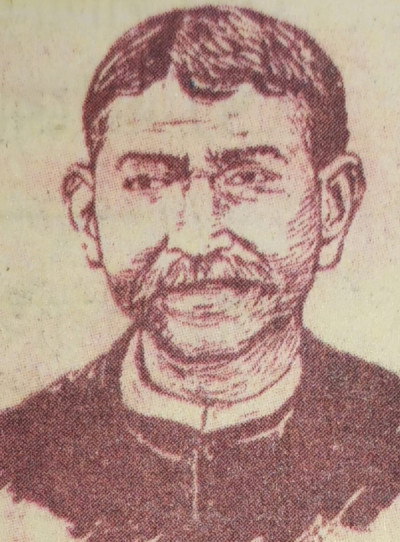
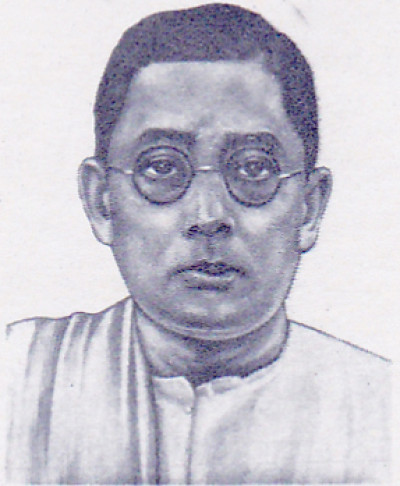
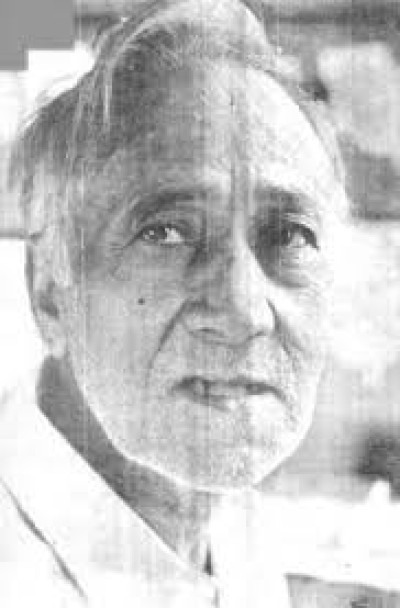
Ratnakanta Barkakati was born on 20 June 1897 at Athgaon in the Dhing area of present-day Nagaon district, Assam. His father was Bhudhar Barkakati. He completed his early education at Dhing Primary School before studying at Nagaon Government High School, where he successfully passed the Entrance Examination in 1915. He later pursued higher education at Cotton College and Ripon College in Calcutta. However, family difficulties interrupted his studies. Although he again joined Sanskrit College and later Hooghly College, he ultimately left formal education to participate in India's Non-Cooperation Movement, demonstrating his patriotic commitment during the freedom struggle.
His professional life began as a teacher at Nalbari High School in 1917. Later, he served as the Acting Mouzadar of Dhing Mouza between 1924 and 1927 and subsequently became a permanent Mouzadar from 1933, continuing in public service for many years while maintaining his literary pursuits. Alongside his administrative responsibilities, he also devoted time to agriculture and remained closely connected with rural Assamese society.
Ratnakanta Barkakati began writing during his student years, contributing poems and articles to leading Assamese literary magazines such as Usha, Banhi, and Chetana. His literary style combined lyrical beauty with thoughtful reflection, making his poems appealing to both scholars and general readers. His first poetry collection, Sewali, published in 1932, earned him the enduring title of "Sewalir Kabi." His later collections, Tarpan and Chandrahar, further strengthened his reputation as one of Assam's finest romantic poets. Themes such as nature, love, devotion, sorrow, philosophy, history, and cultural identity frequently appeared throughout his writings.
Apart from poetry, Ratnakanta Barkakati contributed significantly to Assamese literary criticism and drama. His essays examined important literary issues and writers, while his dramatic works enriched Assamese theatre. He also translated around fifty Rubaiyat verses into Assamese, introducing readers to world literature through his own literary interpretation. His essay on Lakshminath Bezbaroa's famous character Dalimi is regarded as an important contribution to Assamese literary criticism.
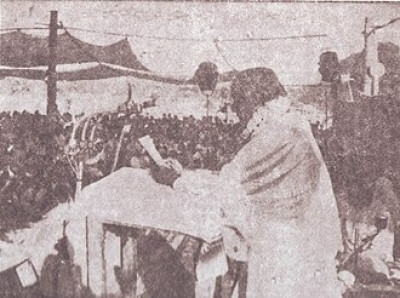
One of the highest recognitions of his literary career came when he was elected President of the Asam Sahitya Sabha at its Nazira session in 1963. His presidency reflected the immense respect he enjoyed among Assamese writers, scholars, and readers. Throughout his lifetime, Ratnakanta Barkakati remained dedicated to the growth of Assamese language and literature and inspired future generations through his writings.
Ratnakanta Barkakati passed away in 1963, leaving behind a rich literary legacy that continues to influence Assamese poetry and criticism. His books remain valuable resources for students, researchers, and literature lovers. Even today, he is remembered as one of the pioneers of modern Assamese poetry whose works beautifully blended artistic expression with cultural consciousness.
Major Literary Works
Poetry Collections:
- Sewali (1932)
- Tarpan (1953)
- Chandrahar (1963)
Books and Essays:
- Alap (1919)
- Hindu Swaraj (1923)
- Lipi Prashna / Our Script Question (1953/1956)
Plays:
- Alaka
- Chitralekha
Other Contributions:
- Assamese translations of around 50 Rubaiyat verses
- Literary criticism, including a notable essay on Bezbaroa's Dalimi
Positions Held
- Teacher, Nalbari High School
- Acting Mouzadar, Dhing Mouza (1924-1927)
- Mouzadar, Dhing Mouza (from 1933)
- President, Asam Sahitya Sabha (Nazira Session, 1963)
Awards and Recognition
- Widely known as "Sewalir Kabi" (Poet of Night Jasmine)
- President of the Asam Sahitya Sabha, Nazira Session (1963)
Books Written
- Sewali
- Tarpan
- Chandrahar
- Alap
- Hindu Swaraj
- Lipi Prashna (Our Script Question)
Death
- Died: 1963
FAQs about Ratnakanta Barkakati