Life & Legacy
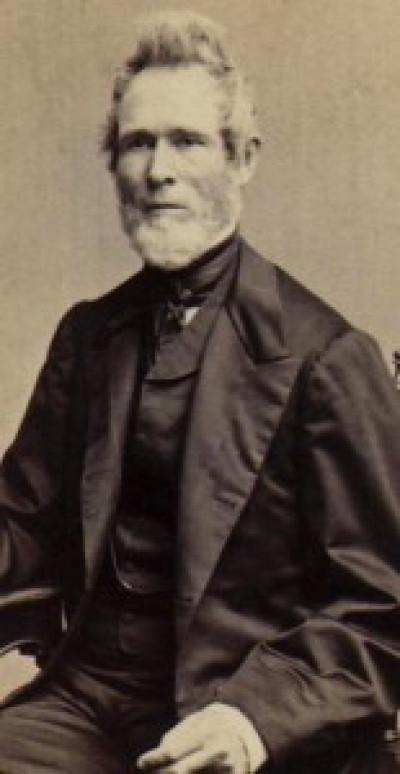
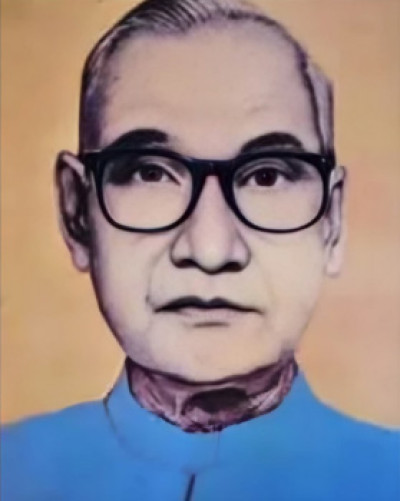
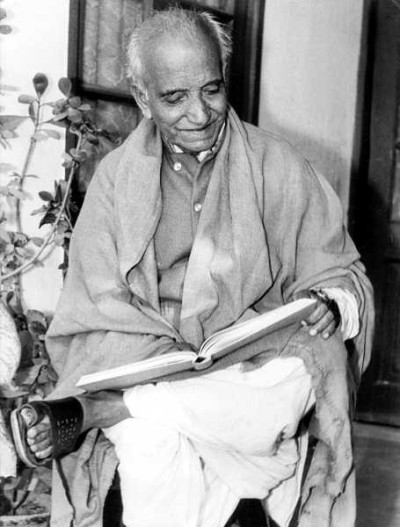
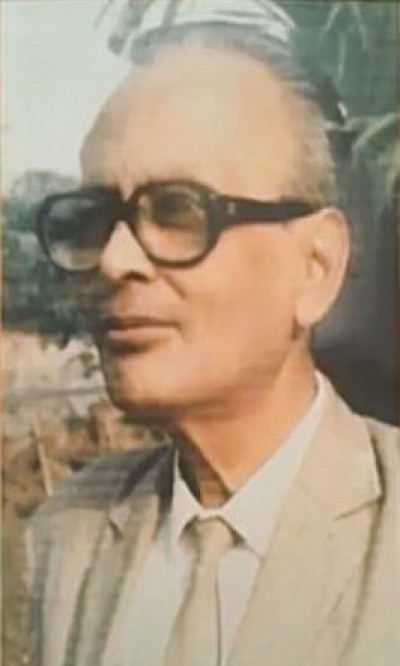
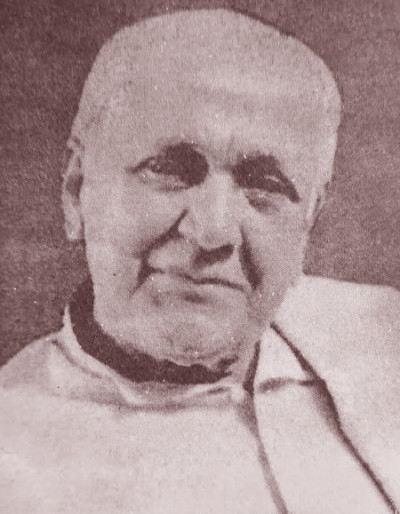
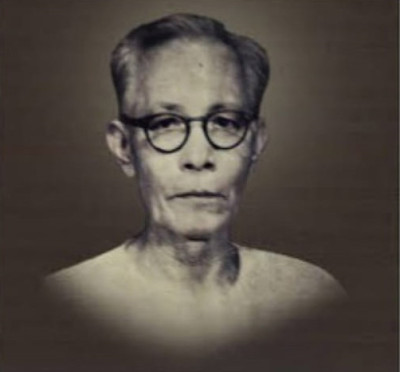
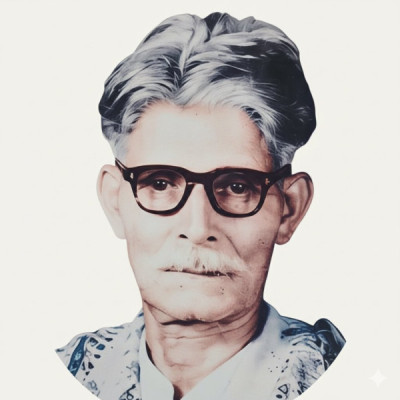
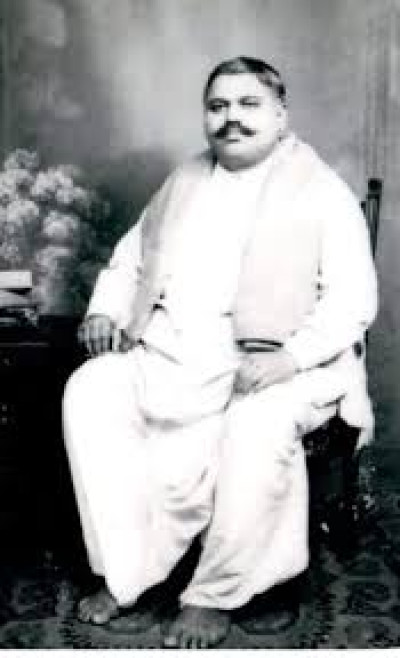
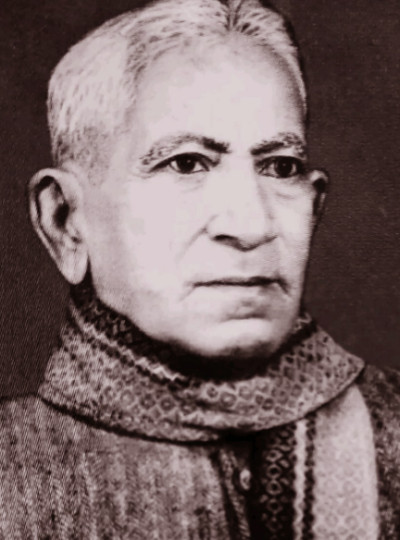
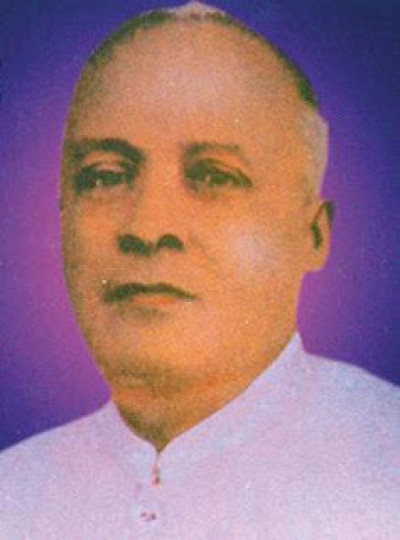
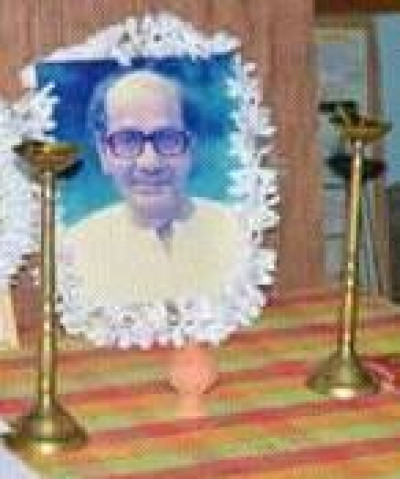
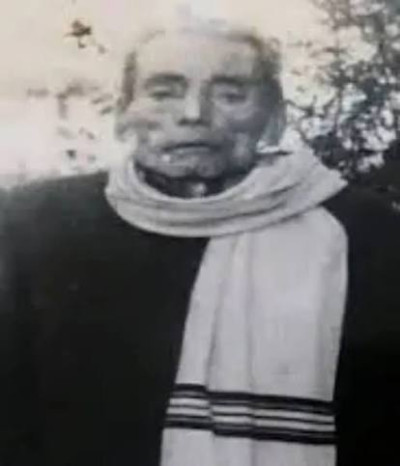
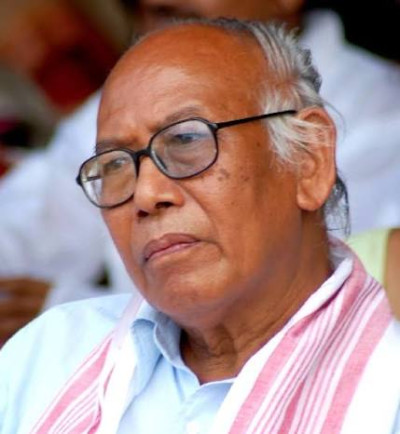
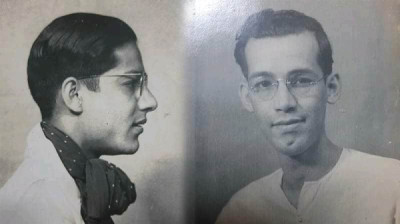
He was born on 3 March 1906 at Chaitanyapathi Nalbari Satra in present-day Nalbari district of Assam. His father, Siddheshwar Goswami, was the head of the Satra, while his mother was Padmapriya Goswami. Raised in a culturally rich environment, he developed an early interest in literature, philosophy, and education. He completed his schooling at Gordon High School, Nalbari, before pursuing higher studies at Cotton College. He graduated with Honours in Philosophy in 1930 and later obtained a Master's degree in English in 1932. In 1935, he completed his Bachelor of Law (B.L.) from Earl Law College.
Trailokyanath Goswami began his professional career with Oxford University Press before joining Gordon High School, Nalbari, as a teacher. Over the years, he served in several educational institutions, including Kamaldev Institute in North Guwahati, Cotton College, Murarichand College in Sylhet, and Dhubri Government Higher Secondary School. In 1945, he became the founding Principal of Nalbari College, where he served for nearly twenty-three years until his retirement in 1968. His leadership significantly contributed to the development of higher education in western Assam.
Apart from education, he actively participated in public life and politics during the early years of independent India. He was associated with Jayaprakash Narayan's Socialist Party and contested the Assam Legislative Assembly election in 1951. Although unsuccessful in the election, he later withdrew from active politics and devoted himself entirely to literature, education, and intellectual pursuits.
Trailokyanath Goswami emerged as one of the finest literary critics in Assamese literature. While he initially wrote poetry, he later gained prominence through short stories, novels, literary criticism, and essays. His writings reflected realism, human values, social change, and intellectual depth. His criticism successfully combined Eastern and Western literary theories, making his works valuable for students, researchers, and literature enthusiasts.
His major short story collections include Aruna (1948), Marichika (1948), Shilpir Janma (1957), and Jivanar Jiya Jui (1970). His satirical novel Jiya Manuh is also regarded as an important contribution to Assamese fiction. Among his critical works, Sahitya Alochana, Adhunik Galpa Sahitya, Samudra Manthana, Ingraji Samalochanar Dhara Aru Asamiya Sahityar Prabhav, Sahitya Kala Aru Tar Bichar, Sahitya Samiksha, and Nandanattava: Pracharya Aru Pashchatya remain highly respected for their scholarly analysis of literature and aesthetics. He also wrote the autobiography Atitar Katha and edited several important publications, including Mandakini, Prabandha Chayan, Jeevani Chayan, and Adhunik Asomiya Galpa Sangrah.
His landmark book Adhunik Galpa Sahitya received widespread appreciation for its comprehensive study of modern short story literature, including discussions on international authors, Rabindranath Tagore, Munshi Premchand, and the evolution of Assamese short stories. The work is still considered one of the most significant contributions to Assamese literary criticism.
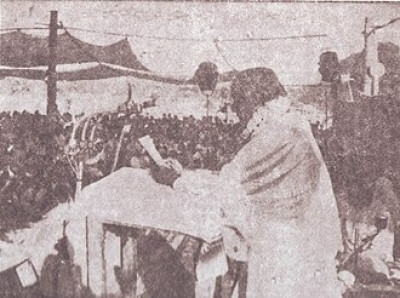
Trailokyanath Goswami also played an important role in the Asam Sahitya Sabha. He served as President during the Palashbari session in 1960 and the Goalpara session in 1961. His leadership strengthened the literary movement in Assam and encouraged the study and promotion of Assamese language and culture.
Throughout his career, he received several prestigious honours. His book Adhunik Galpa Sahitya won the Sahitya Akademi Award in 1967 and was also recognized by the Asam Sahitya Sabha as one of the finest Assamese literary works of its time. Later, the Assam Publication Board honoured him for Nandanattava: Pracharya Aru Pashchatya, recognizing his outstanding contribution to literary criticism and aesthetics.
Major literary works of Trailokyanath Goswami include:
Story Collections:
- Aruna (1948)
- Marichika (1948)
- Shilpir Janma (1957)
- Jivanar Jiya Jui (1970)
Novel:
- Pamila
Satirical Novel:
- Jiya Manuh
Poetry Collection:
- Manasi
Autobiography:
- Atitar Katha
Literary Criticism:
- Sahitya Alochana
- Adhunik Galpa Sahitya
- Samudra Manthana
- Ingraji Samalochanar Dhara Aru Asamiya Sahityar Prabhav
- Sahitya Kala Aru Tar Bichar
- Sahitya Samiksha
- Nandanattava: Pracharya Aru Pashchatya
- Chinta Taranga
Edited Publications:
- Prabandha Chayan
- Jeevani Chayan
- Adhunik Asomiya Galpa Sangrah
- Mandakini
Unpublished Plays:
- Padum Kuwari
- Bajarar Ephal
Positions Held:
- Founding Principal, Nalbari College
- Teacher, Gordon High School
- Principal, Kamaldev Institute
- Lecturer, Cotton College
- Lecturer, Murarichand College, Sylhet
- Teacher, Dhubri Government Higher Secondary School
- President, Asam Sahitya Sabha (Palashbari 1960 and Goalpara 1961)
- Editor of Mandakini
Awards and Recognition:
- Sahitya Akademi Award (1967) for Adhunik Galpa Sahitya
- Asam Sahitya Sabha Award for Adhunik Galpa Sahitya
- Assam Publication Board Award for Nandanattava: Pracharya Aru Pashchatya
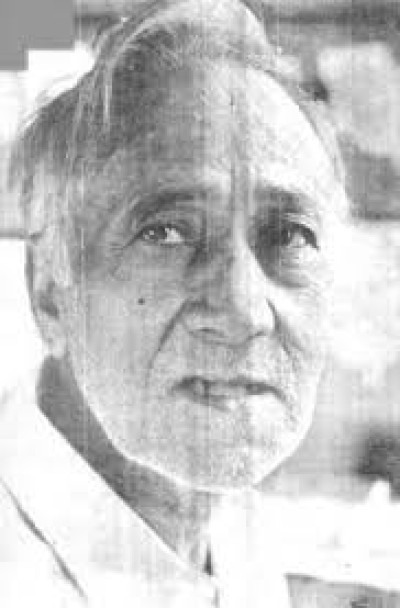
Trailokyanath Goswami passed away on 2 February 1988. His remarkable contributions as a literary critic, educationist, writer, and cultural leader continue to influence Assamese literature. His books remain valuable references for students, researchers, and readers interested in the history and development of Assamese literary criticism.
FAQs about Trailokyanath Goswami