Life & Legacy
Early Life
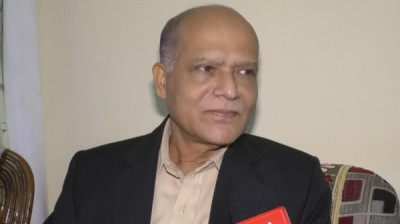
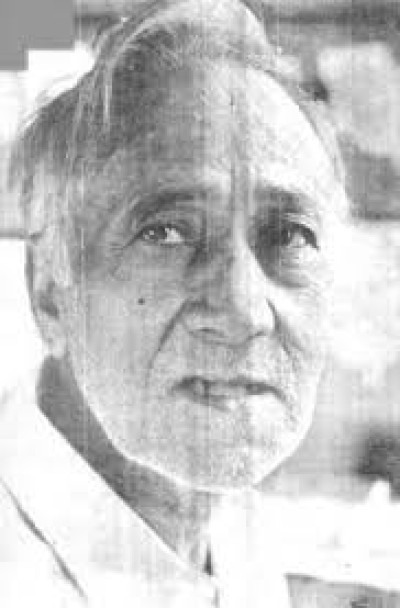
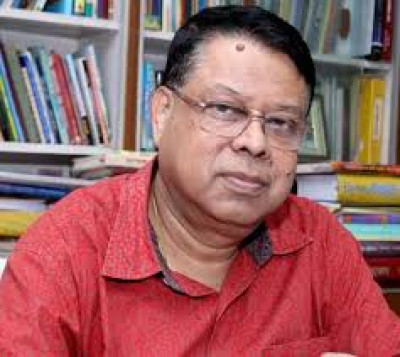
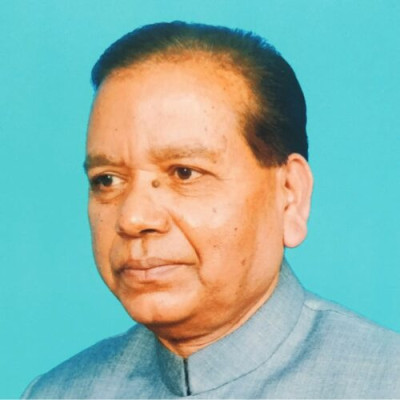
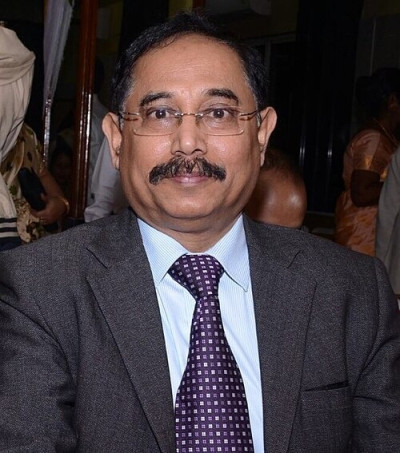
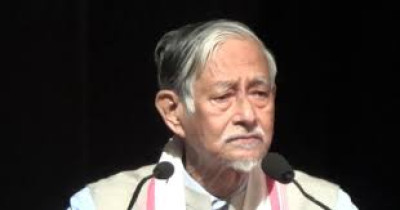
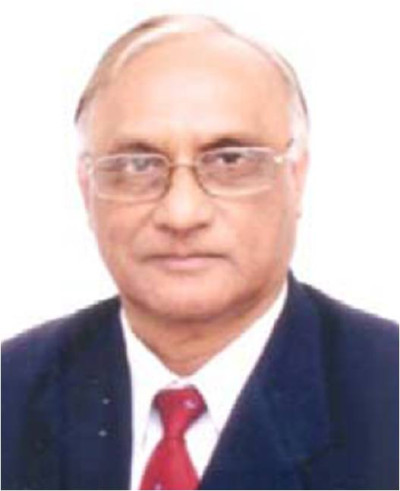
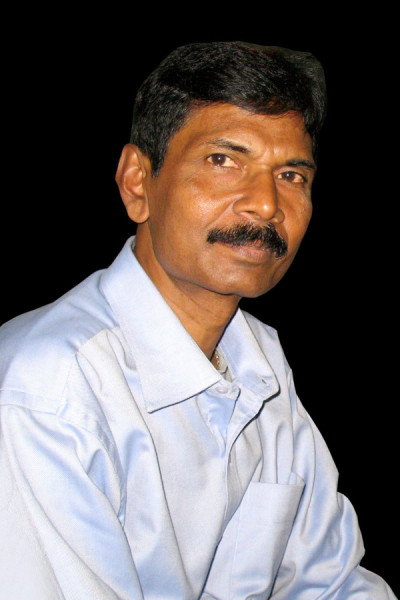
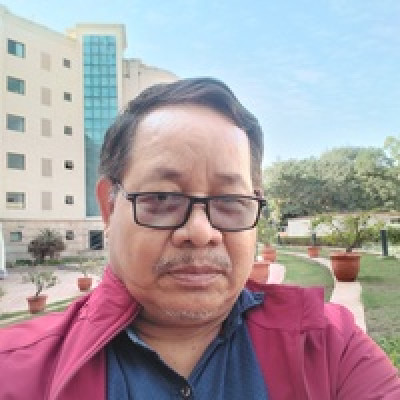
Anil Kumar Boro was born on 9 December 1961 in Kahitama village near the world-famous Manas National Park in Assam. Growing up in a culturally rich rural environment, he developed a deep appreciation for Bodo traditions, folklore, language, and oral literature from an early age. His surroundings inspired his lifelong commitment to preserving the cultural identity of indigenous communities through education and literary scholarship.
Education
After completing his school education at NKB High School, Kahitama, Anil Kumar Boro pursued higher studies at B.H. College, Howly. He later earned his Master's degree in English Literature from Gauhati University. Driven by his passion for folklore and indigenous studies, he completed his Ph.D. in Folklore Research from Gauhati University, laying the foundation for an outstanding academic career.
Academic Career
Anil Kumar Boro began his professional journey as a Lecturer in English at Dimoria College in 1988. His dedication to research and teaching eventually led him to join the Department of Folklore Research at Gauhati University in 2000. Over the years, he rose to become the Head of the Department, mentoring scholars and conducting extensive research on folklore, tribal traditions, oral narratives, literary criticism, and indigenous knowledge systems.
He has represented India at numerous national and international seminars, conferences, literary festivals, and academic forums in countries including Greece, Italy, Portugal, Lithuania, Denmark, and China, introducing global audiences to the rich literary and cultural traditions of Assam and Northeast India.
Literary Contributions
Professor Boro has authored, edited, translated, and compiled more than thirty books covering poetry, literary criticism, folklore, novels, children's literature, travel writing, and academic research. His writings have become valuable references for students, researchers, and literature enthusiasts.
Some of his notable books include:
- A History of Bodo Literature
- Folk Literature of the Bodos: An Introduction
- The Flute and the Harp
- Delphini Onthai Mwdai Arw Guhun Crubun Khonthai
- Various translated literary works introducing world literature to Bodo readers
As an editor, he has also contributed to important literary journals and publications, including The Bodo Quarterly, Journal of Folklorists, and Thunslai, helping promote translation studies and indigenous literature.
Major Positions Held
- Head, Department of Folklore Research, Gauhati University
- Lecturer in English, Dimoria College
- Member and contributor to Bodo Sahitya Sabha
- Organizer of the Kokrajhar Literary Festival
- Editor of literary journals and folklore publications
- Researcher, translator, literary critic, and academic mentor
Achievements
- Promoted Bodo language, folklore, and indigenous cultural studies.
- Authored and edited over thirty books.
- Conducted extensive research on tribal folklore and oral traditions.
- Promoted mother-tongue education and implementation of the National Education Policy (NEP) 2020 in Bodoland.
- Represented Indian literature and folklore at several international academic conferences.
- Guided numerous scholars in folklore and literary research.
- Played a major role in preserving and documenting Bodo cultural heritage.
Awards and Recognition
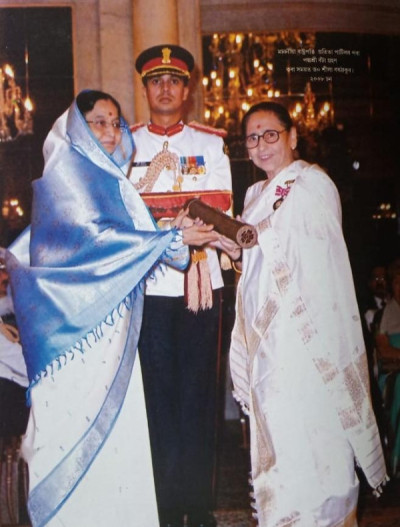
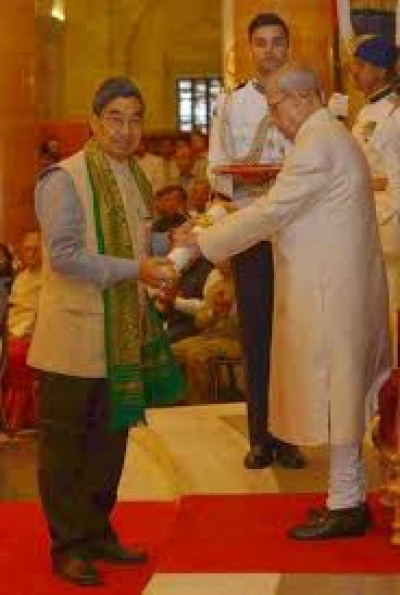
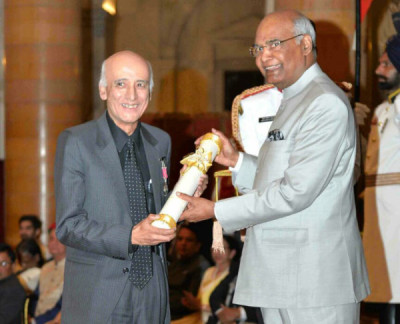
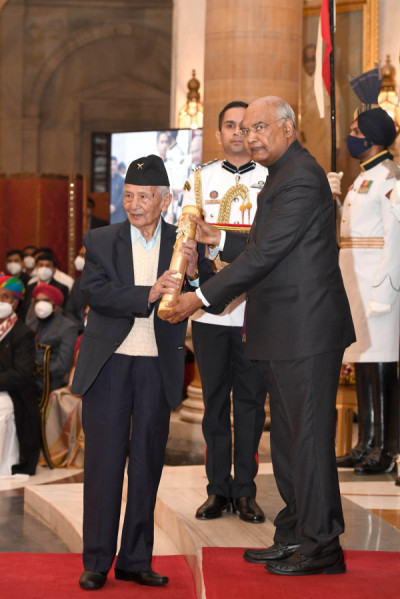
- Padma Shri (2025), Government of India, for Literature and Education
- Sahitya Akademi Award (2013) for the poetry collection Delphini Onthai Mwdai Arw Guhun Crubun Khonthai
- Rangsar Literary Award
- Hemchandra Baruah Sahitya Sadhana Botah (2024)
- Numerous literary honours from academic and cultural organizations
Books Written
- A History of Bodo Literature
- Folk Literature of the Bodos: An Introduction
- The Flute and the Harp
- Delphini Onthai Mwdai Arw Guhun Crubun Khonthai
- Multiple books on folklore, literary criticism, children's literature, travel writing, and translated works
- Editor of several literary journals and anthologies
FAQs about Anil Kumar Boro
1. Who is Anil Kumar Boro?
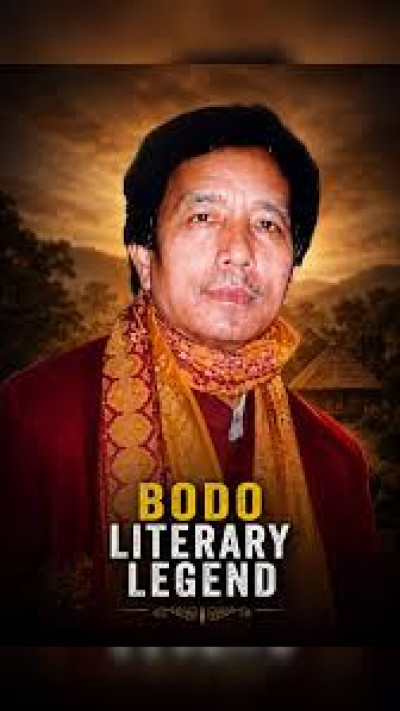
Anil Kumar Boro is an Indian academician, poet, folklorist, translator, and literary critic known for his outstanding contributions to Bodo literature and folklore research.
2. Why is Anil Kumar Boro famous?
He is famous for promoting Bodo literature, preserving indigenous folklore, writing influential books, and receiving the Padma Shri and Sahitya Akademi Award.
3. When was Anil Kumar Boro born?
Anil Kumar Boro was born on 9 December 1961 in Kahitama village near Manas National Park, Assam.
4. Which university is Anil Kumar Boro associated with?
He serves as the Head of the Department of Folklore Research at Gauhati University.
5. Which awards has Anil Kumar Boro received?
He has received the Padma Shri, Sahitya Akademi Award, Rangsar Literary Award, and Hemchandra Baruah Sahitya Sadhana Botah.
6. What are the famous books written by Anil Kumar Boro?
His notable books include A History of Bodo Literature, Folk Literature of the Bodos: An Introduction, The Flute and the Harp, and Delphini Onthai Mwdai Arw Guhun Crubun Khonthai.
7. What is Anil Kumar Boro's contribution to Bodo literature?
He has authored, translated, edited, and researched numerous works that have preserved and promoted Bodo language, folklore, and literary traditions.
8. Has Anil Kumar Boro represented India internationally?
Yes. He has participated in international literary festivals, conferences, and academic seminars in several countries, promoting Bodo literature and Indian folklore.
9. What subjects does Anil Kumar Boro specialize in?
His areas of expertise include folklore, literary criticism, tribal studies, Bodo literature, translation, and indigenous cultural research.
10. Is Anil Kumar Boro still active in literature and academics?
Yes. He continues to teach, conduct research, mentor scholars, and contribute to the promotion of Bodo literature and folklore.