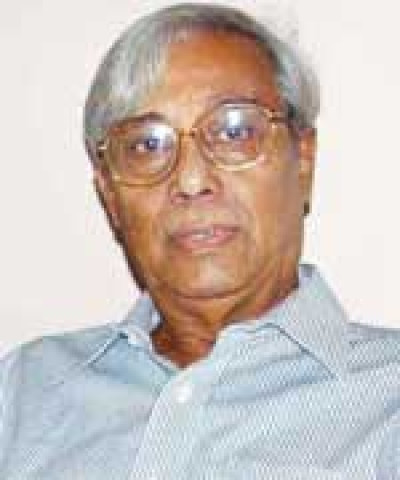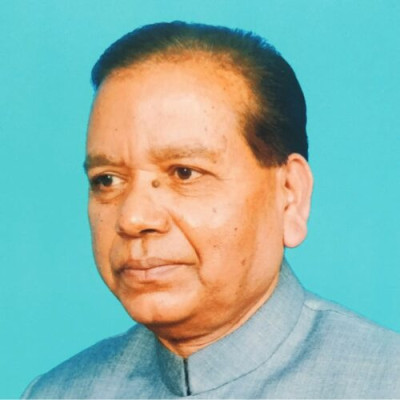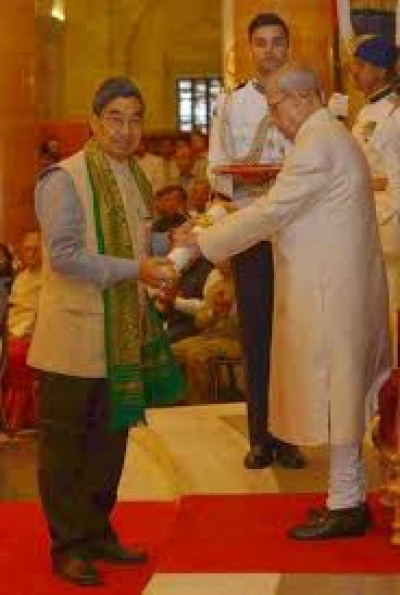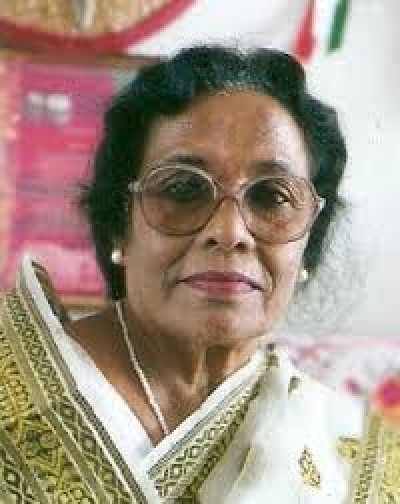
Life & Legacy
Early Life
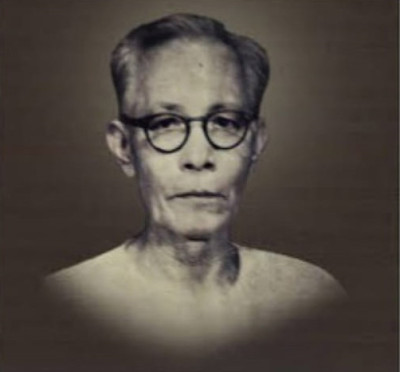
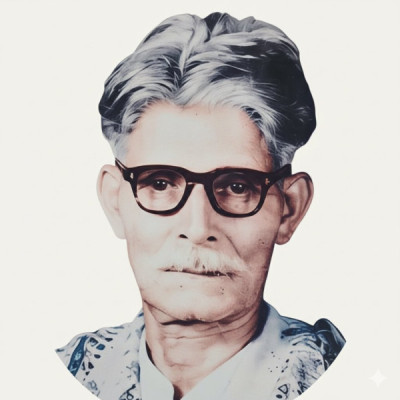
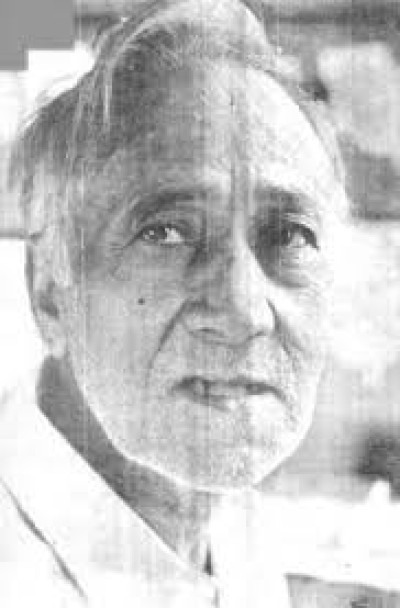
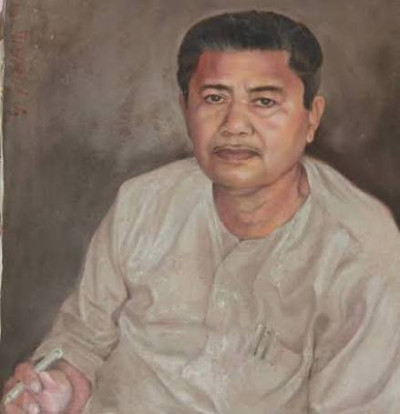
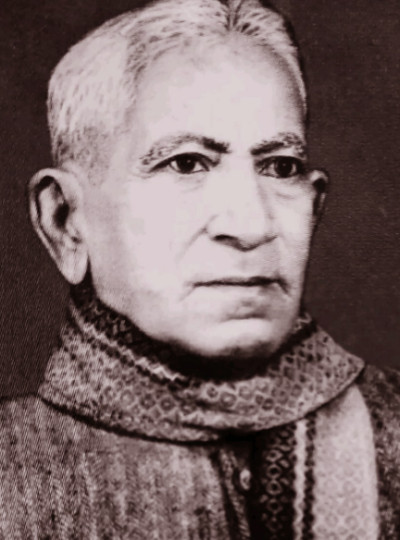
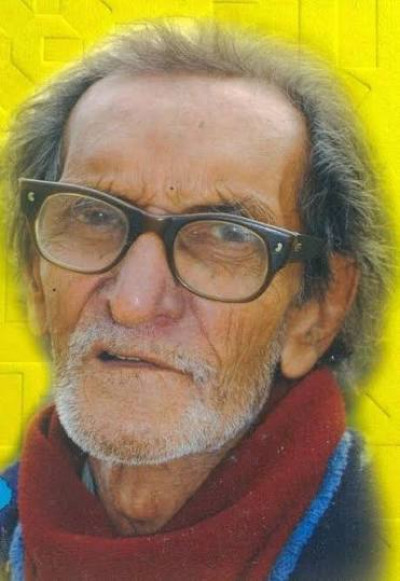
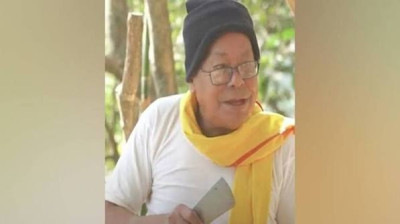
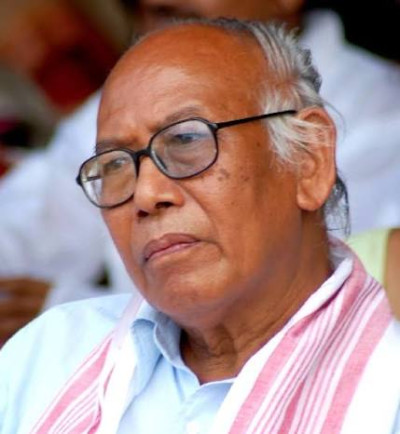
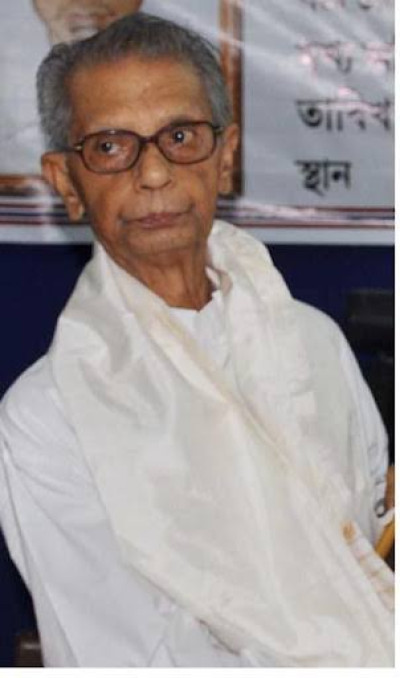
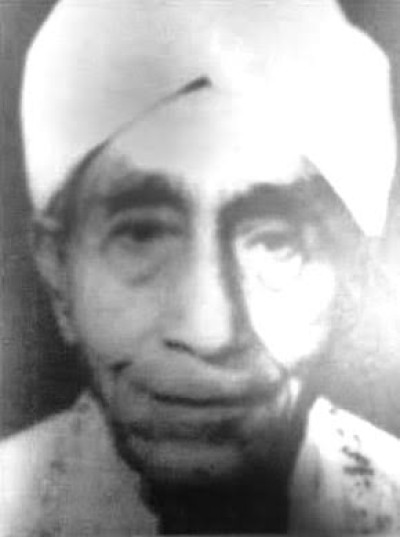
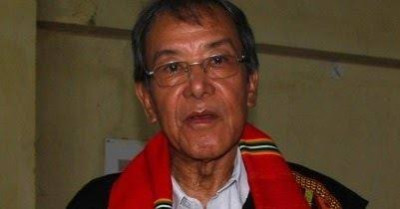
Tabu Ram Taid was born on 1 August 1942 in Ghunasuti Ayengia village of present-day Lakhimpur district, Assam, into a Mising family. His father, Ubbang Taid, was a hardworking farmer, while his mother, Deuti Taid, managed the family despite difficult economic conditions. Growing up in a flood-prone rural area, he faced numerous hardships during his childhood. Despite financial challenges and the devastating impact of the 1950 Assam earthquake, his determination to pursue education never diminished. His academic excellence earned him scholarships that helped him continue his studies.
Education
Tabu Ram Taid completed his primary education at Tamonshuk LP School before studying at North Lakhimpur Government Higher Secondary School. He completed his Intermediate Science from Ramakrishna Mission Ashram, Narendrapur, West Bengal. He graduated with Honours in English from the University of Calcutta and later earned a Master's degree in English from the University of Delhi in 1966. He further enhanced his academic qualifications by obtaining a Postgraduate Diploma in Applied Linguistics from the University of Reading, United Kingdom, and a Certificate in Distance Education from the University of London under a British Council fellowship.
Career
Tabu Ram Taid began his professional career as a school teacher before becoming a lecturer in several prestigious colleges, including Cotton College, North Lakhimpur College, Dhemaji College, Ghilamara College, and Dhakuakhana College, where he served as the founding Principal.
In 1981, he entered the educational administration of the Government of Assam and held several senior positions. His administrative vision contributed significantly to improving educational policies and institutions across the state. He also played a vital role in language development and educational reforms while heading various government organizations.
Positions Held
- School Teacher, Ghilamora Higher Secondary School
- Lecturer, North Lakhimpur College
- Lecturer, Ghilamara College
- Lecturer, Dhemaji College
- Lecturer, Cotton College
- Founder Principal, Dhakuakhana College
- Deputy Director of Public Instruction, Assam
- Joint Director of Public Instruction
- Director, Anundoram Borooah Institute of Language, Art and Culture (ABILAC)
- Director, State Council of Educational Research and Training (SCERT), Assam
- Director of Higher Education, Assam
- Director of Secondary Education, Assam
- Chairman, Board of Secondary Education, Assam (SEBA)
- Chairman, State Selection Board for College Principals and Lecturers
- Founder President, Mising Agom Kebang (Mising Sahitya Sabha)
- Member, Executive Council of Gauhati University
- Member, Executive Council of Dibrugarh University
- Member, National Book Trust
- Member, Sahitya Akademi
- Member, State Education Commission
Literary Works and Books
Tabu Ram Taid made exceptional contributions to Mising literature, linguistics, and education through numerous books and research publications. His notable books include:
- Poman Moman (1984)
- Mising Bhashar Banan Poddhoti (1983)
- A Dictionary of Mising Language (1995)
- Ya:yok Do:ying (2005)
- Mising Gompir Kumsung (2007)
- Glimpses (2007)
- Ekunki Nibondho (2007)
- Mising Folk Tales (2013)
- Co-editor of Banikanta Kakati - The Man and His Work
His dictionary and orthography of the Mising language remain landmark contributions to the preservation and standardization of the language.
Achievements
Tabu Ram Taid dedicated his life to strengthening education and preserving the linguistic identity of the Mising community. He founded the Mising Agom Kebang, which played a major role in promoting the Mising language in schools. His research papers on the Mising language gained international academic recognition and were published by the University of California, Berkeley. He also authored English textbooks, educational materials, research papers, and numerous articles in Assamese, English, and Mising.
Awards and Recognition
His lifelong contribution to education and literature earned him many prestigious honors, including:
- Agom Migang Award (2007)
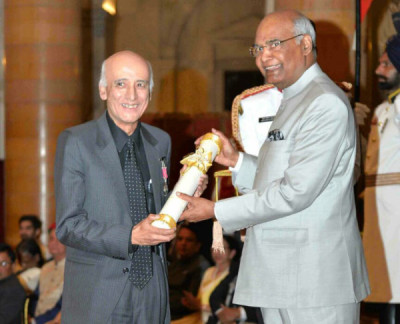
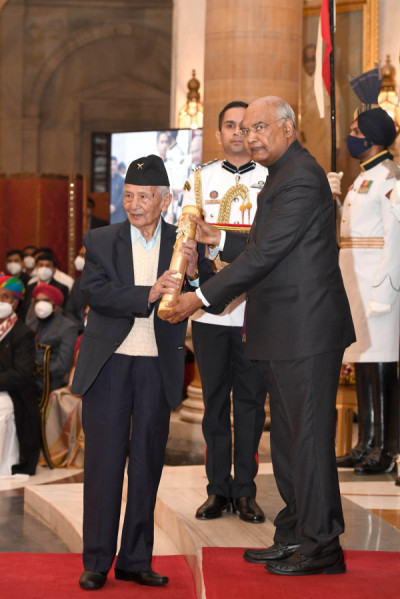
- Sahitya Akademi Bhasha Samman (2010)
- Sukapha Award (2011)
- Basudev Jalan Award (2012)
- Axom Shreshtho Award (2015)
- Literary Pension from the Government of Assam
Death
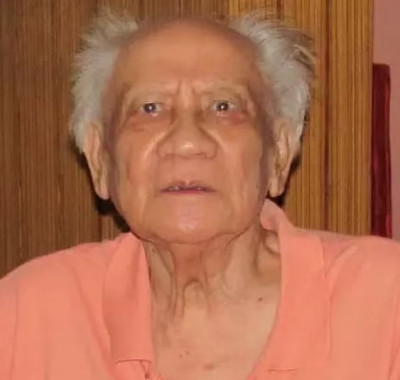
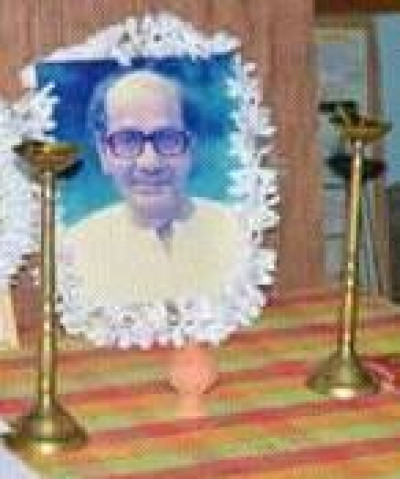
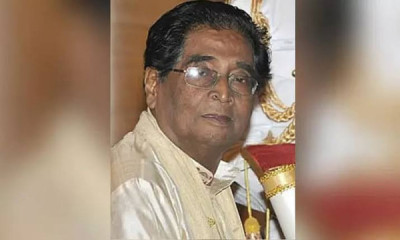
Tabu Ram Taid passed away on 17 August 2019 at the age of 77. His death marked the end of an extraordinary journey dedicated to education, language preservation, literature, and public service. His legacy continues through his books, educational reforms, and contributions to the Mising community.
FAQs about Tabu Ram Taid
1. Who was Tabu Ram Taid?
Tabu Ram Taid was a renowned educationist, linguist, author, administrator and scholar from Assam who made remarkable contributions to the development of the Mising language and education system.
2. When and where was Tabu Ram Taid born?
He was born on 1 August 1942 in Ghunasuti Ayengia village of present-day Lakhimpur district, Assam.
3. Why is Tabu Ram Taid famous?
He is best known for preserving the Mising language, founding the Mising Agom Kebang, writing important linguistic works, and serving in several senior educational positions in Assam.
4. What are the famous books written by Tabu Ram Taid?
His notable books include Poman Moman, Mising Bhashar Banan Poddhoti, A Dictionary of Mising Language, Mising Gompir Kumsung, Ya:yok Do:ying, Glimpses, Ekunki Nibondho and Mising Folk Tales.
5. What positions did Tabu Ram Taid hold during his career?
He served as Director of Higher Education, Director of Secondary Education, Director of SCERT, Chairman of SEBA, Director of ABILAC, and Chairman of the State Selection Board, among many other important positions.
6. Which awards did Tabu Ram Taid receive?
He received the Sahitya Akademi Bhasha Samman, Sukapha Award, Agom Migang Award, Basudev Jalan Award and Axom Shreshtho Award, among several other honors.
7. What was Tabu Ram Taid's contribution to the Mising language?
He standardized the Mising language through dictionaries, orthography, research publications, educational materials, and by founding the Mising Agom Kebang.
8. Where did Tabu Ram Taid complete his higher education?
He completed his postgraduate studies at the University of Delhi and later studied Applied Linguistics at the University of Reading in the United Kingdom.
9. When did Tabu Ram Taid pass away?
Tabu Ram Taid passed away on 17 August 2019.
10. Why is Tabu Ram Taid remembered in Assam?
He is remembered for his lifelong dedication to education, language preservation, literary scholarship, educational reforms, and his invaluable contribution to the cultural and academic development of Assam.