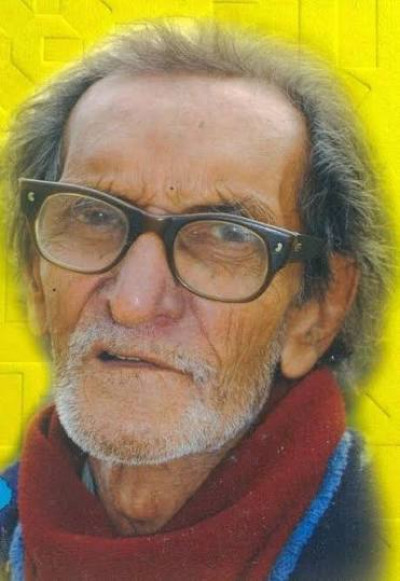
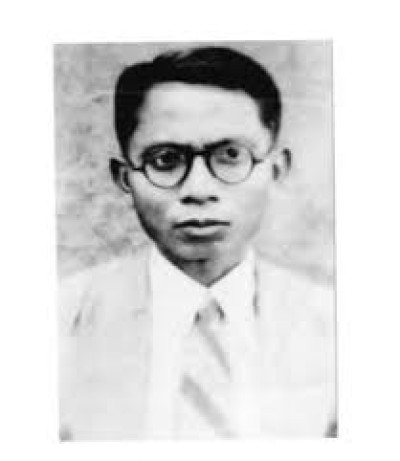
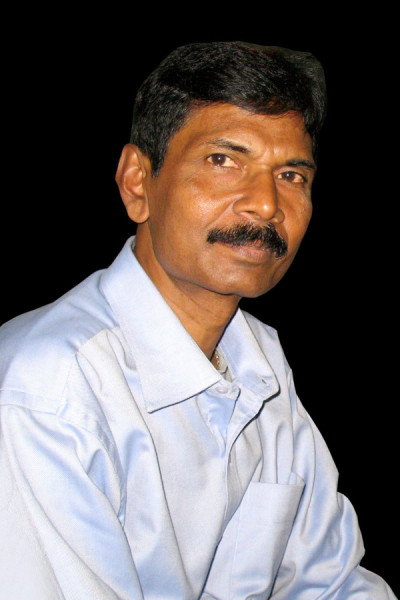
Life & Legacy
Early Life
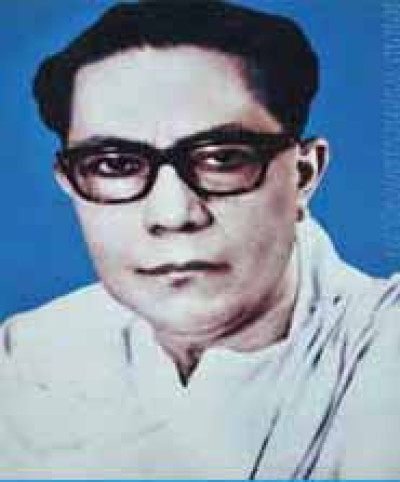
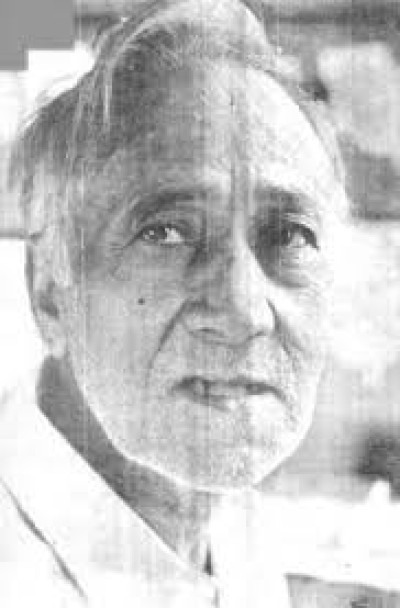
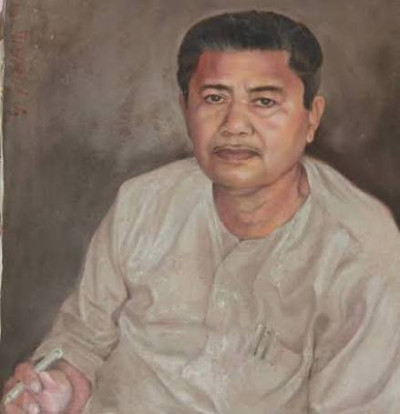
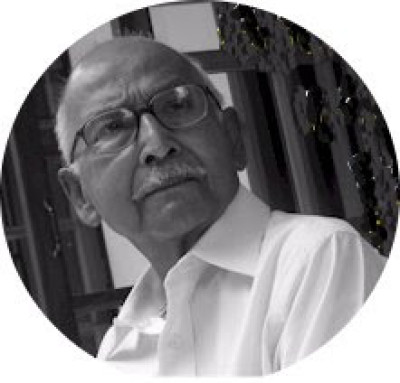
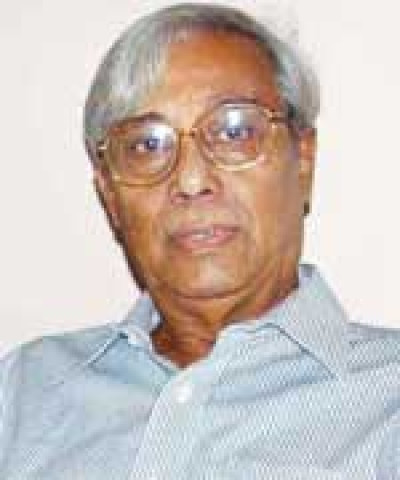
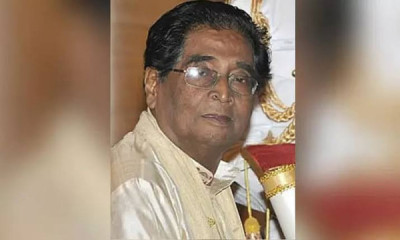
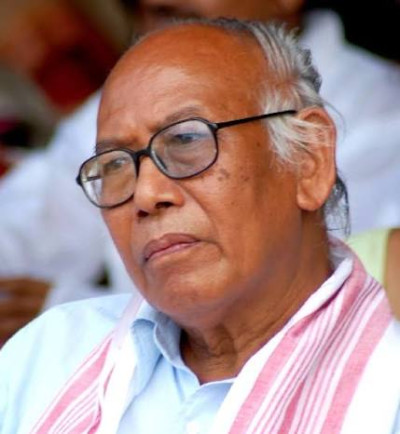
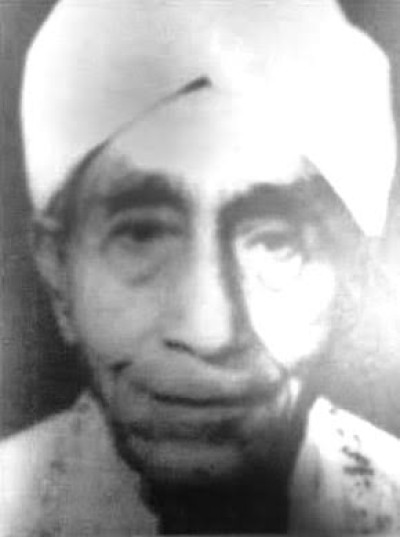
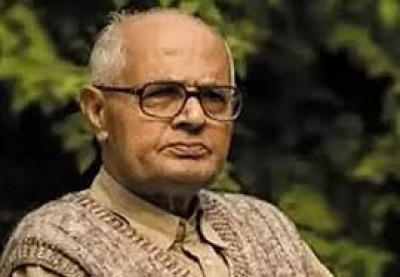
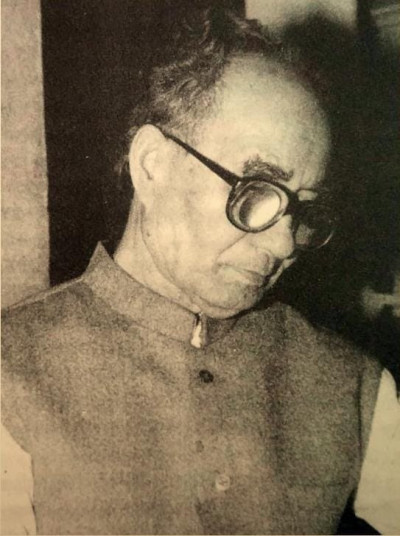
Nabakanta Barua was born on 29 December 1926 in Guwahati, Assam, to Nilakanta Barua and Swarnalata Baruani. His father worked as a school inspector and later became a teacher, creating an environment that encouraged education and intellectual growth. During his childhood, the family lived in different parts of Assam, including Upper Assam, Puranigudam and Nagaon. These experiences exposed him to Assamese culture, traditions and rural life, all of which later became recurring themes in his literary works.
Education
Barua completed his early education at schools in Nagaon and passed his matriculation examination from Nagaon Government Boys' School in 1941. He initially joined Cotton College in Guwahati but had to interrupt his studies because of illness. Later, he continued his higher education at Visva-Bharati University, Santiniketan, where he completed his Bachelor of Arts with Honours in English in 1947. He subsequently earned his Master of Arts in English from Aligarh Muslim University in 1953. His exposure to Indian and Western literature during these years significantly influenced his literary style.
Academic and Professional Career
After completing his postgraduate studies, Nabakanta Barua started his teaching career at A.K. College in Shikohabad, Uttar Pradesh. Soon afterwards, he returned to Assam and joined Jagannath Barooah College in Jorhat. In 1954, he became a faculty member of Cotton College in Guwahati, where he taught English literature for many years.
Between 1964 and 1967, he served as the English Education Officer at the Assam Madhyamik Shiksha Parishad (SEBA), contributing to the improvement of English education in Assam. He later rejoined Cotton College and eventually retired as its Vice Principal in 1984. Throughout his teaching career, he inspired countless students through his scholarship and dedication to literature.
Literary Journey
Nabakanta Barua emerged as one of the pioneers of modern Assamese poetry during the post-independence period. He blended traditional Assamese literary elements with modern philosophical thought, symbolism and free verse. His writings explored themes such as human emotions, identity, loneliness, social transformation, nature and the changing realities of modern life.
Apart from writing under his own name, he also used the pen names "Ekhud Kokaideu" and "Sima Dutta". His literary works are admired for their originality, rich imagination and emotional depth. Many of his books have been translated into various Indian languages, allowing readers across the country to appreciate his literary achievements.
Major Literary Contributions
Nabakanta Barua made outstanding contributions across several literary genres.
Poetry Collections
- Pratham Swabhava
- Ratnakar
- Mur Aru Prithibir
- He Aranya He Mahanagar
- Eti Duti Egharati Tara
- Raban
- Dolongot Tamighora
- Kokadeutar Har
- Samrat
- Selected Poems (English)
Novels
- Kapilipariya Sadhu
- Kokadeutar Har
- Garama Kunwari
- Manuh Ataibor Dweep
- Apadartha
- Patachara
Children's Literature
- Shiyali Palegoi Ratanpur
- Akharar Jhakhala
- Hat Ukare Hu
- Kishore Ramayan
- Kishore Upanishad
- Umala Gharar Puthi
- Golap Aru Beliphool
- Makhonor Kukura Puwali
Plays
- Eti Geetar Janma Hal
- Sukh Jatak
- Abhirupananda
- Patachara
Editing and Literary Activities
Barua edited several important Assamese literary magazines including Jonbai, Pohar and Sirolu, which encouraged young writers and promoted Assamese literature and culture.
Leadership and Social Contribution
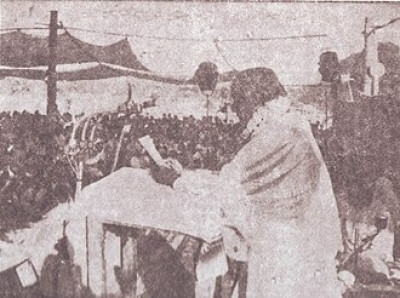
Nabakanta Barua was not only a prolific writer but also an influential literary leader. He served twice as the President of Asam Sahitya Sabha, first during the Dhing session in 1968 and later at the Biswanath Chariali session in 1990. His leadership strengthened Assamese literary institutions and encouraged the development of modern literature in the state.
He played a significant role in popularising Assamese literature beyond Assam by translating international literary works and promoting Assamese writing at the national level. His contribution to children's literature also helped nurture reading habits among young readers.
Awards and Recognition
Nabakanta Barua received numerous prestigious awards for his extraordinary contribution to literature and education.
- Assam Prakashan Parishad Award (1974) for Mur Aru Prithibir
- Sahitya Akademi Award (1975) for Kokadeutar Har
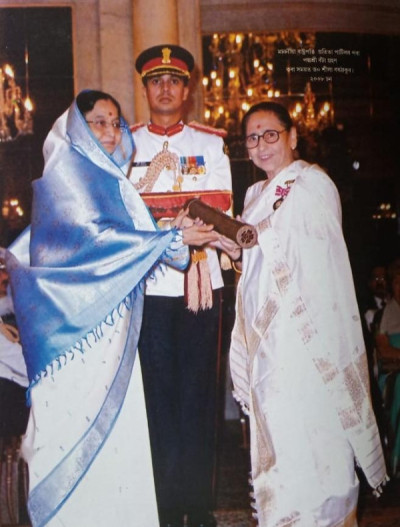
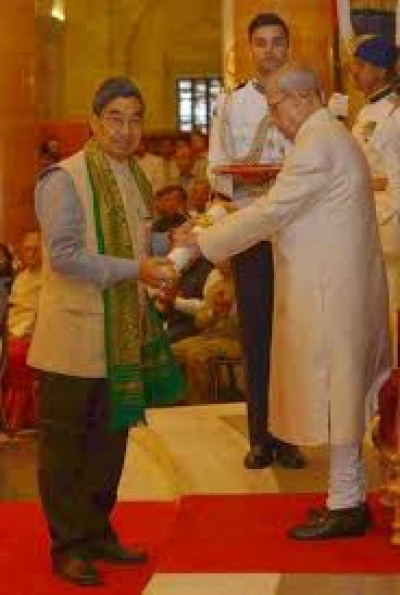
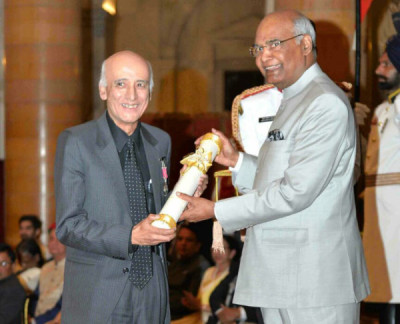
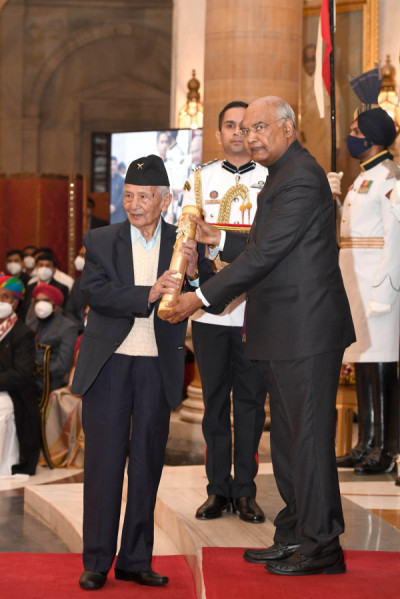
- Padma Bhushan (1976) for Literature and Education
- Assam Valley Literary Award (1993)
- Kamal Kumari National Award
- Soviet Land Nehru Award
- Several honours from literary and cultural organisations across India
These recognitions established him as one of the most respected literary personalities in Assam and India.
Death
Nabakanta Barua passed away on 14 July 2002 in Guwahati, Assam. His death marked the end of an extraordinary literary career spanning several decades. However, his writings continue to inspire students, researchers, poets and literature lovers throughout Assam and beyond.
Legacy
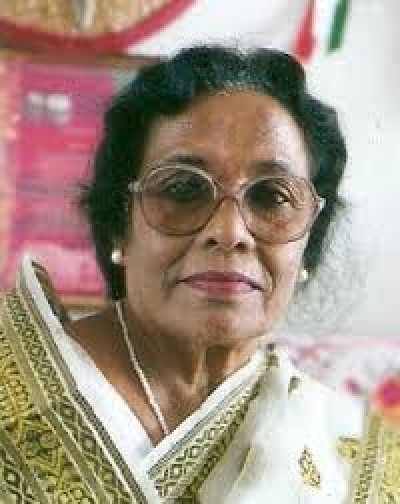
Nabakanta Barua remains a towering figure in Assamese literature. His innovative poetry, memorable novels, thought-provoking essays and valuable contributions to children's literature have left a lasting impact on Assamese language and culture. He successfully combined regional identity with universal human values, making his works relevant across generations.
His books continue to be studied in educational institutions, while his poems are frequently recited at literary events. Through his creativity, scholarship and dedication to literature, Nabakanta Barua secured a permanent place among the greatest literary icons of Assam.
FAQs on Nabakanta Barua
1. Who was Nabakanta Barua?
Nabakanta Barua was a renowned Assamese poet, novelist, playwright, essayist, translator and academician who played a major role in modernising Assamese literature.
2. What was the pen name of Nabakanta Barua?
He was popularly known by the pen name "Ekhud Kokaideu". In his early literary career, he also wrote under the pseudonym "Sima Dutta".
3. When and where was Nabakanta Barua born?
He was born on 29 December 1926 in Guwahati, Assam.
4. Which is the most famous novel written by Nabakanta Barua?
Kokadeutar Har is regarded as one of his most celebrated novels and received the Sahitya Akademi Award.
5. Which awards did Nabakanta Barua receive?
He received the Sahitya Akademi Award, Padma Bhushan, Assam Valley Literary Award, Assam Prakashan Parishad Award, Kamal Kumari National Award and several other literary honours.
6. Where did Nabakanta Barua complete his higher education?
He completed his BA in English from Visva-Bharati University, Santiniketan, and his MA in English from Aligarh Muslim University.
7. What are the major books written by Nabakanta Barua?
His notable books include Kokadeutar Har, Kapilipariya Sadhu, Garama Kunwari, Manuh Ataibor Dweep, Ratnakar, Mur Aru Prithibir and numerous children's books.
8. What was Nabakanta Barua's contribution to Assamese literature?
He introduced modern literary techniques, enriched Assamese poetry and fiction, promoted children's literature and inspired generations of writers through his innovative works.
9. Did Nabakanta Barua serve as President of Asam Sahitya Sabha?
Yes. He served twice as the President of Asam Sahitya Sabha during the Dhing session in 1968 and the Biswanath Chariali session in 1990.
10. When did Nabakanta Barua die?
Nabakanta Barua passed away on 14 July 2002 in Guwahati, Assam, leaving behind an enduring literary legacy.