Life & Legacy
Early Life
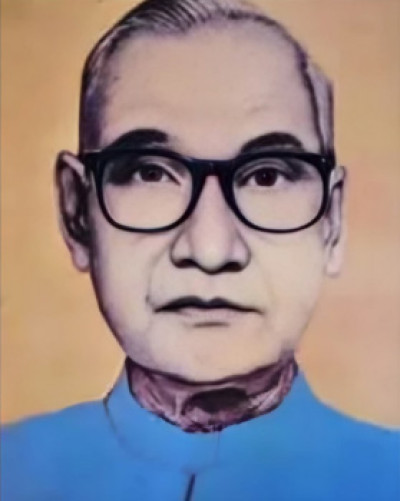
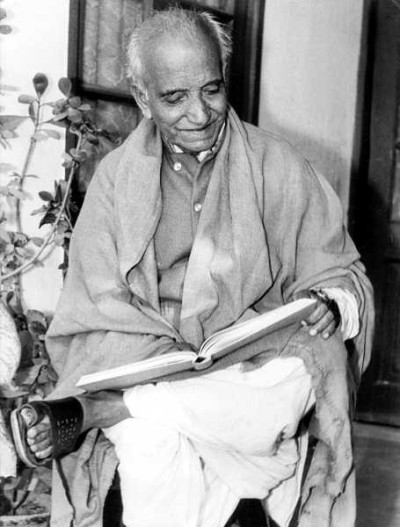
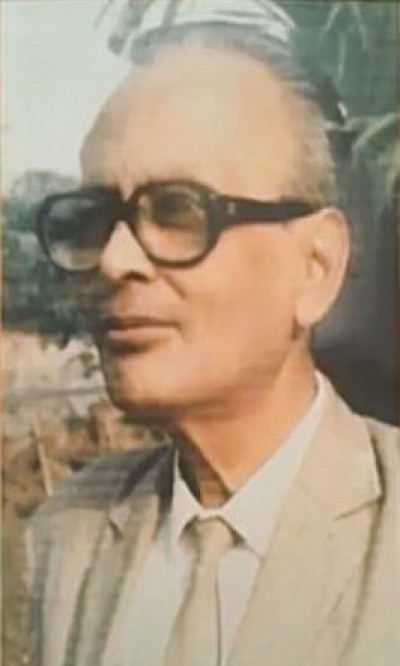
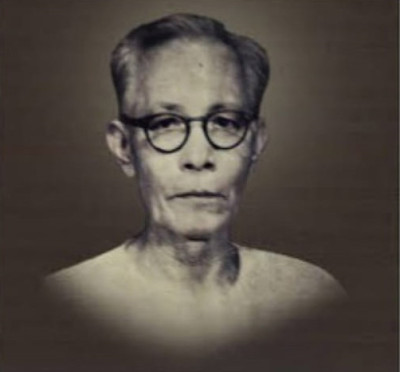
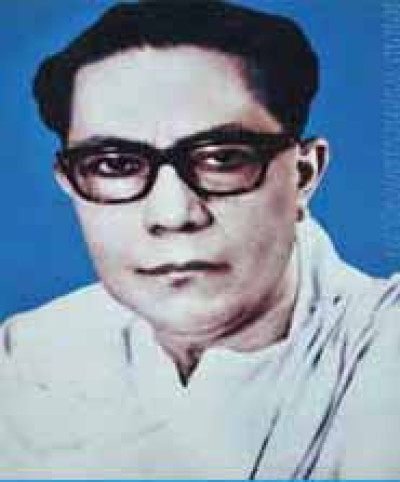
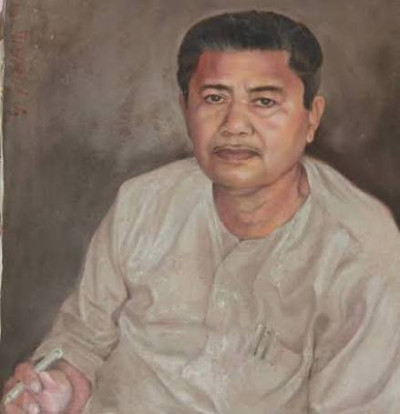
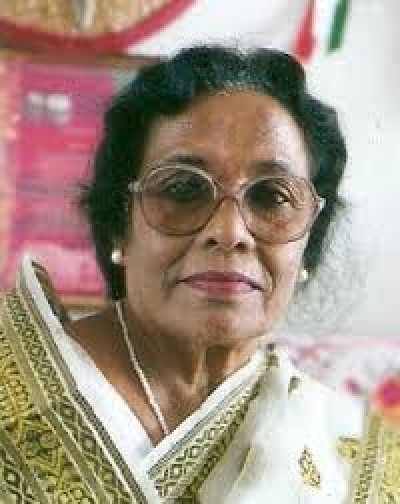
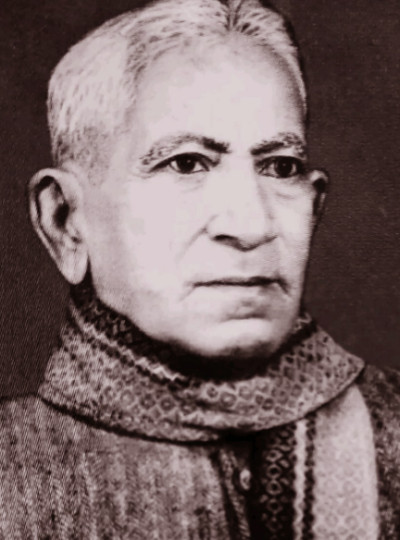
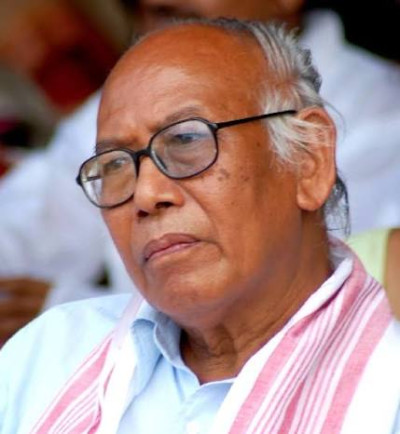
Hem Barua was born on 22 April 1915 in Tezpur, Assam. He grew up in a family that valued education and culture, which helped shape his intellectual outlook from an early age. His childhood in Assam exposed him to the rich traditions, folklore and natural beauty of the region, influences that later became evident in many of his literary works.
Education
Hem Barua was an outstanding student throughout his academic life. After completing his early education in Assam, he pursued higher studies at the University of Calcutta. In 1938, he obtained a Master of Arts degree in English. His academic excellence laid a strong foundation for his future career as a teacher, writer and public intellectual.
Teaching Career
After completing his postgraduate studies, Hem Barua joined Jagannath Barooah College, Jorhat, in 1941 as a lecturer in English. However, his teaching career was briefly interrupted when he decided to participate in India's freedom movement. Following his release from prison, he joined B. Borooah College in Guwahati, where he continued teaching and eventually became the Principal. His dedication to education earned him immense respect among students and colleagues alike.
Freedom Movement
Hem Barua actively participated in the Quit India Movement launched by Mahatma Gandhi in 1942. Motivated by patriotism and the desire to see India free from British rule, he resigned from his teaching position and joined the national struggle. His participation led to his imprisonment in 1943. The experience strengthened his commitment to democracy, justice and social equality, values that remained central to both his literary and political life.
Political Career
After India's independence, Hem Barua entered active politics. Initially associated with the Indian National Congress, he later joined the Socialist Party in 1948 because of his belief in democratic socialism and social justice. He subsequently became an important leader of the Praja Socialist Party and served on its National Executive Committee.
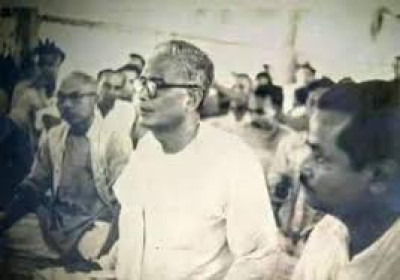
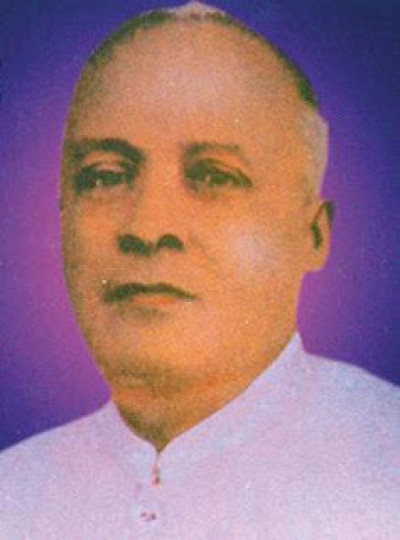
Hem Barua was elected to the Lok Sabha from the Gauhati constituency in 1957 and 1962, and later represented Mangaldoi in 1967. As a Member of Parliament, he consistently raised issues related to Assam and Northeast India, including regional development, education, culture and national integration. He was widely admired for his powerful speeches, independent thinking and constructive debates in Parliament. Even political opponents appreciated his integrity and commitment to public service.
Literary Career
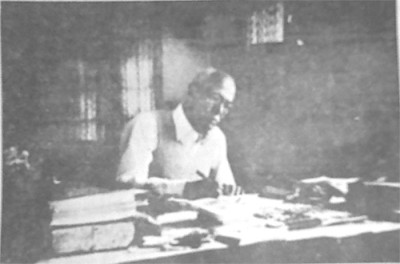
Hem Barua occupies a distinguished place in modern Assamese literature. His writings include poetry, essays, travelogues, literary criticism and cultural studies. His literary style combined simplicity with intellectual depth, making his works accessible to both scholars and ordinary readers.
His poetry often explored themes such as patriotism, nature, humanity, love and social change. Through his essays and criticism, he encouraged critical thinking and promoted the growth of modern Assamese literature. His writings continue to be studied in schools, colleges and universities across Assam.
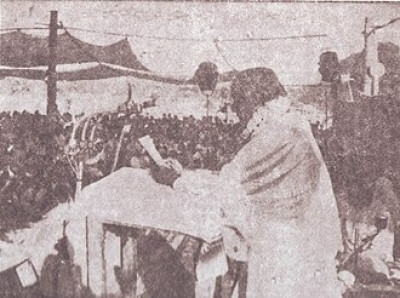
In recognition of his literary achievements, Hem Barua was elected President of Asam Sahitya Sabha during its Dhubri session in 1972, one of the highest honours for an Assamese writer.
Major Books Written by Hem Barua
Assamese Books
- Adhunik Sahitya (1948)
- Sagar Dekhicha
- San Mihali
- Balichanda
- Cupid Aru Psyche
- Ranga Karabir Phul
- Kannaki
- Ei Git
- Sahitya Aru Sahitya
- Achuphul
- Man Mayuri
- Bahagate Pati Jaon Biya
- Smritir Papari
- Talxora
- Dak Pokhili
- Mekong Noi Dekhilu
English Books
- The Red River and the Blue Hill (1954)
- Assamese Literature
- Idle Hours
Among his English works, The Red River and the Blue Hill is regarded as one of the most important studies on the ethnic communities and tribal societies of Northeast India.
Achievements
- Pioneer of the modern Assamese literary movement.
- Freedom fighter who actively participated in the Quit India Movement.
- Served as Principal of B. Borooah College, Guwahati.
- Twice elected Member of Parliament from Assam.
- Represented Assam and Northeast India on important national issues.
- Served as President of Asam Sahitya Sabha in 1972.
- Authored numerous influential books in Assamese and English.
- Recognised as one of the finest orators and public intellectuals of Assam.
- Promoted Assamese literature at the national level.
- Inspired generations through literature, education and public service.
Awards and Recognition
Although Hem Barua is remembered more for his lifelong service to literature and society than for receiving awards, he received immense recognition during his lifetime. His election as President of Asam Sahitya Sabha in 1972 reflected the highest respect of the Assamese literary community. He is widely regarded as one of the architects of modern Assamese literature and remains an iconic figure in Assam's cultural and political history.
Death
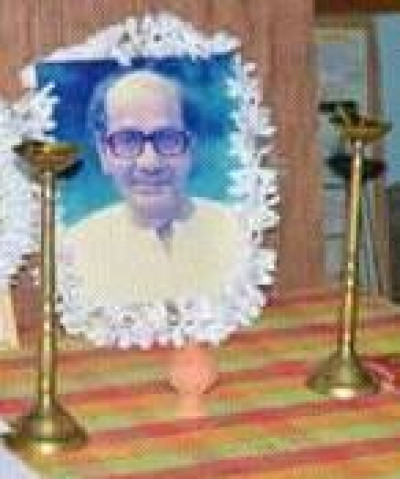
Hem Barua passed away on 9 April 1977 at the age of 61. His death was deeply mourned throughout Assam and India. His literary works, political ideals and dedication to public welfare continue to inspire writers, students, teachers and political leaders.
Legacy
Hem Barua's legacy extends beyond literature and politics. He demonstrated how education, literature and public service can work together to strengthen society. His books continue to be read for their literary excellence, while his speeches and parliamentary contributions remain examples of principled leadership. Today, Hem Barua is remembered as one of Assam's greatest literary personalities, whose vision, patriotism and commitment to social justice continue to influence future generations.
FAQs on Hem Barua
1. Who was Hem Barua?
Hem Barua was a renowned Assamese poet, freedom fighter, teacher, politician, essayist and Member of Parliament who significantly contributed to Assamese literature and Indian politics.
2. When and where was Hem Barua born?
Hem Barua was born on 22 April 1915 in Tezpur, Assam.
3. What was Hem Barua's contribution to Assamese literature?
He modernised Assamese literature through poetry, essays, literary criticism and travel writing while promoting Assamese culture and language across India.
4. Which political party did Hem Barua belong to?
After leaving the Indian National Congress, Hem Barua joined the Socialist Party and later became a prominent leader of the Praja Socialist Party.
5. Was Hem Barua a freedom fighter?
Yes. Hem Barua actively participated in the Quit India Movement and was imprisoned by the British in 1943 for his involvement in India's freedom struggle.
6. Which are the famous books written by Hem Barua?
Some of his notable books include Sagar Dekhicha, Balichanda, Man Mayuri, Smritir Papari, Adhunik Sahitya, The Red River and the Blue Hill, Assamese Literature and Idle Hours.
7. Did Hem Barua serve as a Member of Parliament?
Yes. Hem Barua was elected to the Lok Sabha three times and represented Assam while raising important issues concerning the Northeast.
8. What is The Red River and the Blue Hill?
The Red River and the Blue Hill is Hem Barua's famous English book that explores the ethnic communities, tribes and cultural diversity of Northeast India.
9. When did Hem Barua become President of Asam Sahitya Sabha?
He was elected President of Asam Sahitya Sabha during its Dhubri session in 1972.
10. When did Hem Barua die?
Hem Barua passed away on 9 April 1977, leaving behind a lasting legacy in literature, education and public service.