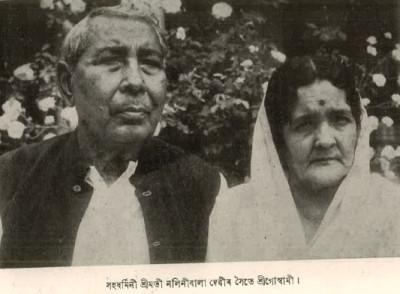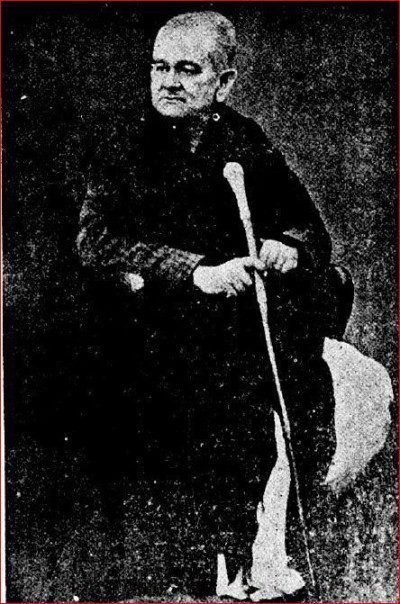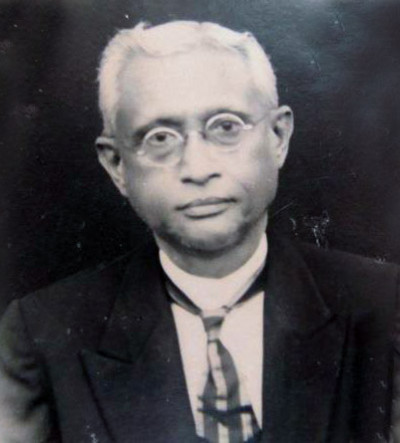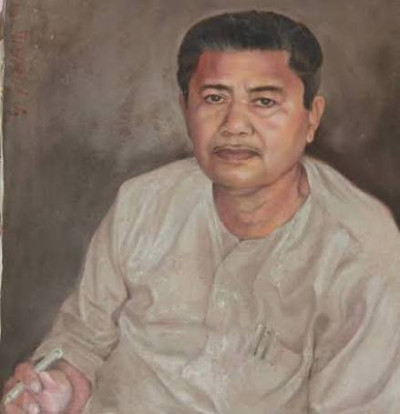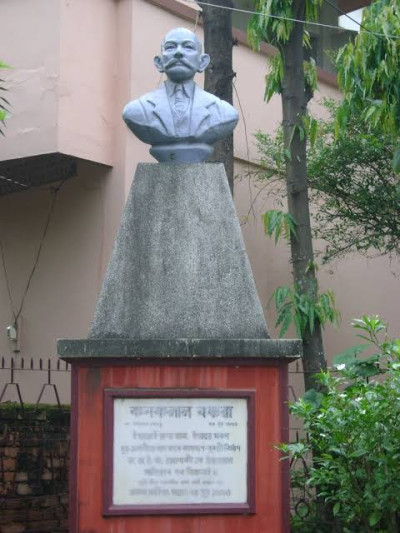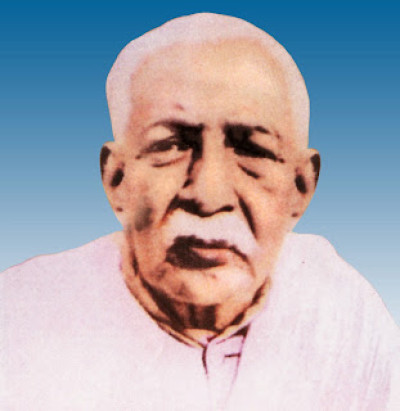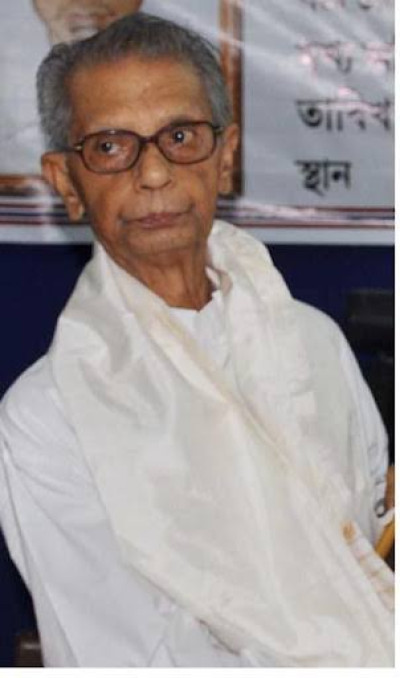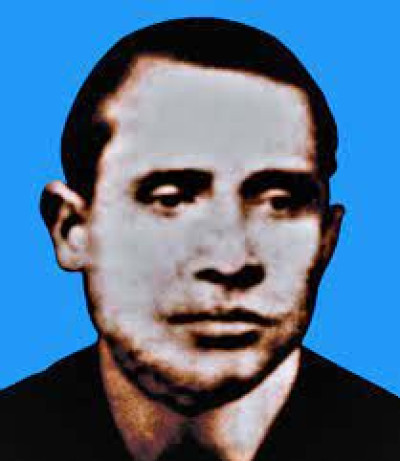
Life & Legacy
Early Life
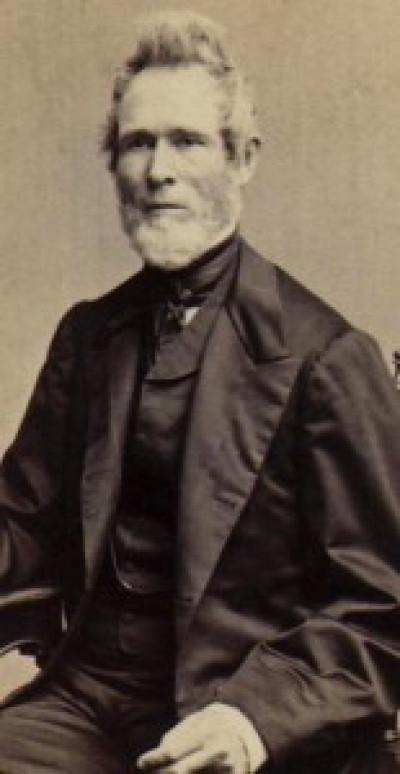
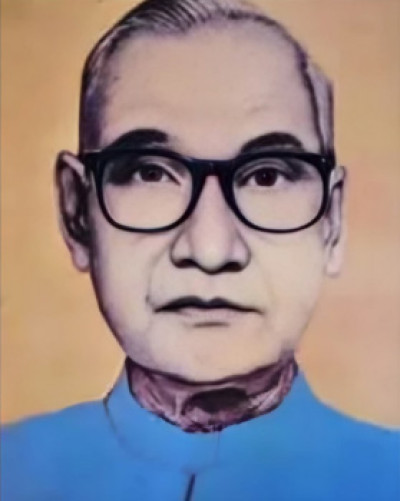
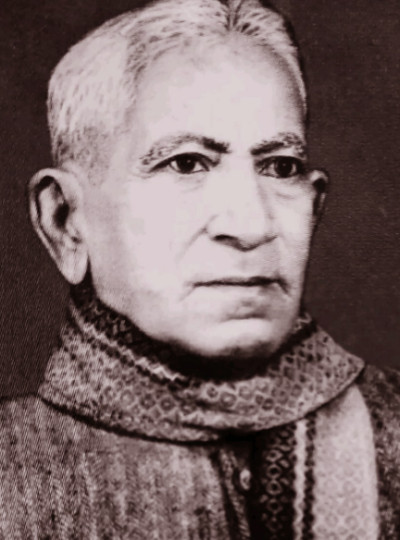
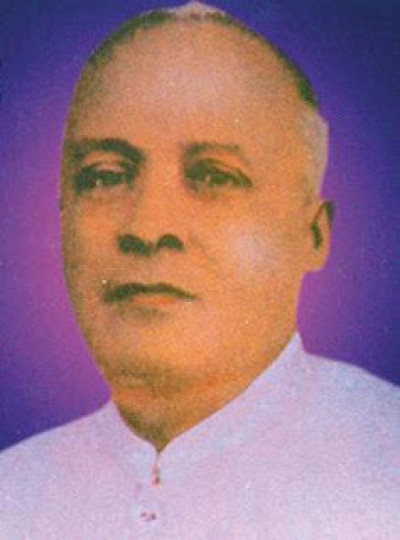
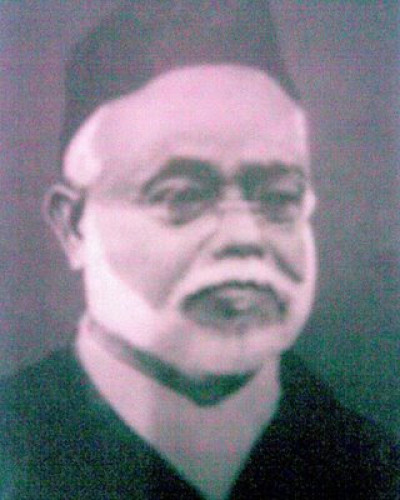
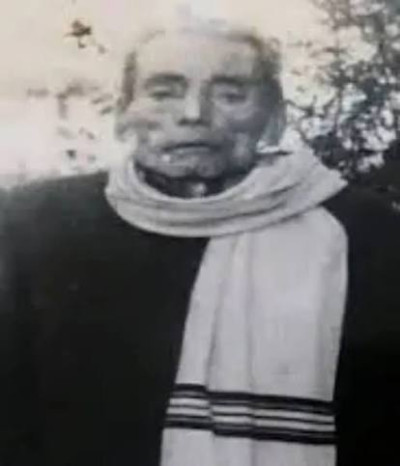
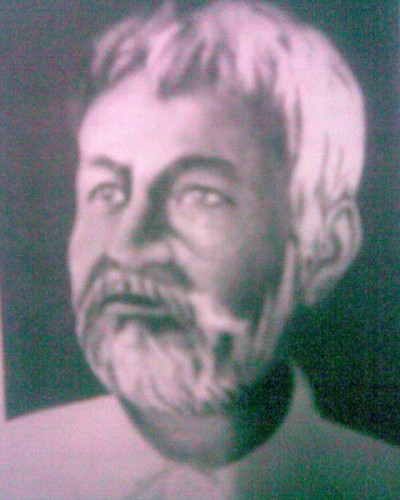
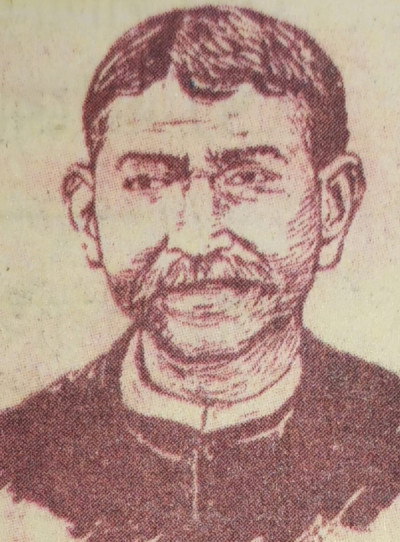
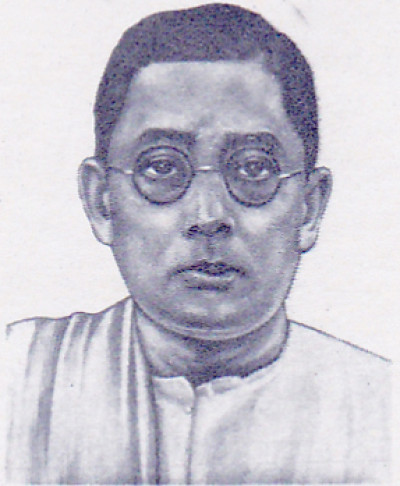
Ananda Chandra Agarwala was born in 1874 at Borongabari in the present-day Biswanath district of Assam. He was born into a respected family, and his father, Kashiram Agarwala, encouraged education and moral values from an early age. His childhood was shaped by Assamese traditions, religious teachings and a deep appreciation for literature. The cultural atmosphere at home inspired him to develop a lifelong interest in poetry, language and history.
Education
He completed his early education at Borongabari Primary School before studying at Tezpur Government High School. Later, he joined Metropolitan College in Calcutta for higher studies. During his student years, he became an active member of the Asomiya Bhasha Unnati Sadhini Sabha, an organization dedicated to promoting Assamese language and literature. Although he did not complete his university education, his literary passion and intellectual curiosity helped him become one of the leading writers of his generation.
Career
Ananda Chandra Agarwala began his professional life as a teacher at Bezbarua High School in Sivasagar. He later joined the police service under the British administration and served in several important positions, including Sub-Inspector, Inspector, Principal of the Silchar Police Training Centre, Assistant Superintendent of Police in Guwahati and Dibrugarh, and finally Superintendent of Police before retiring in 1930. Throughout his administrative career, he earned a reputation for discipline, honesty and efficient public service.
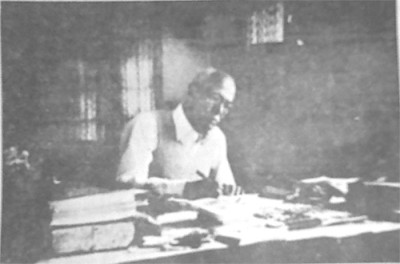
Despite holding demanding government positions, he remained deeply involved in literary activities and continued writing, translating and contributing articles to Assamese journals.
Literary Contributions
Ananda Chandra Agarwala occupies a special place in Assamese literature as one of the prominent writers of the Jonaki Era. He regularly contributed poems, essays and translations to the famous literary magazines Jonaki and Bijuli, helping shape the evolution of modern Assamese literature.
He became widely known for translating celebrated English poems into Assamese without losing their poetic essence. His outstanding translation skills earned him the title "Bhagnikowar." His original poems reflected nature, spirituality, patriotism, morality and human emotions while maintaining elegant language and lyrical beauty.
His historical writings also helped preserve important aspects of Assam's heritage, making valuable contributions to historical research and education.
Major Published Works
Poetry Collections:
- Jilingoni
- Paneshai
- Sukhor Thai
- Devakanya Manabi Besere
- Toi
- Bolom
- Adi Moulik Kabita
- Jeevan Sangeet
- Soha aru Pandit
Historical and Prose Works:
- An Account of Assam
- Aspects of History and Culture
- Old Descriptions of Goalpara
- Komal Path (1910)
- Asomiya Adi Path (1920)
- Police Manual (1906)
- Dharma Sangeet (co-authored during student life)
Unpublished Works:
- Padumoni
- Janak Jiyori
- Arundhati
Positions Held
- Teacher, Bezbarua High School, Sivasagar
- Sub-Inspector of Police
- Inspector of Police
- Principal, Silchar Police Training Centre
- Assistant Superintendent of Police
- Superintendent of Police
- Chairman, Tezpur Municipality
- President, Assam Sahitya Sabha (Mangaldoi Session, 1934)
- Active Member, Asomiya Bhasha Unnati Sadhini Sabha
- Regular Contributor to Jonaki and Bijuli magazines
Achievements
- Among the leading literary personalities of the Jonaki Era.
- Popularized modern Assamese poetry through original compositions.
- Introduced world literature to Assamese readers through outstanding translations.
- Earned the title "Bhagnikowar" for excellence in literary translation.
- Successfully balanced a distinguished administrative career with literary excellence.
- Promoted Assamese language, education and cultural awareness.
- Contributed significantly to Assamese historical literature.
Awards and Recognition
- Title of Rai Saheb (1916)
- Title of Rai Bahadur (1921)
- Popularly honoured as "Bhagnikowar" (Prince of Translation)
- Elected President of Assam Sahitya Sabha in 1934
- Widely recognized as one of the pioneers of modern Assamese literature
Death
Ananda Chandra Agarwala passed away on 16 December 1940 at Tezpur, Assam. Although he is no longer among us, his literary works, translations and contributions to Assamese language continue to inspire writers, researchers and students. His legacy remains an important part of Assam's literary and cultural history, and he is remembered as one of the architects of modern Assamese literature.
FAQs about Ananda Chandra Agarwala
1. Who was Ananda Chandra Agarwala?
Ananda Chandra Agarwala was a renowned Assamese poet, translator, historian, writer and police administrator. He was one of the leading literary figures of the Jonaki Era and was popularly known as "Bhagnikowar" for his exceptional translation work.
2. Why is Ananda Chandra Agarwala called Bhagnikowar?
He earned the title "Bhagnikowar" or "Prince of Translation" because of his remarkable ability to translate famous English poems into Assamese while preserving their literary beauty and meaning.
3. When and where was Ananda Chandra Agarwala born?
Ananda Chandra Agarwala was born in 1874 at Borongabari in present-day Biswanath district of Assam.
4. What are the famous books written by Ananda Chandra Agarwala?
His notable works include Jilingoni, Paneshai, Sukhor Thai, Jeevan Sangeet, Toi, Bolom, An Account of Assam, Aspects of History and Culture, Komal Path and Asomiya Adi Path.
5. What positions did Ananda Chandra Agarwala hold during his career?
He served as a teacher, Sub-Inspector, Inspector, Principal of Silchar Police Training Centre, Assistant Superintendent of Police, Superintendent of Police, Chairman of Tezpur Municipality and President of Assam Sahitya Sabha.
6. What awards and honours did Ananda Chandra Agarwala receive?
He received the honorary titles Rai Saheb in 1916 and Rai Bahadur in 1921. He also became President of Assam Sahitya Sabha in 1934 and was widely honoured as Bhagnikowar.
7. What was Ananda Chandra Agarwala's contribution to Assamese literature?
He modernized Assamese poetry through original writings, translated world literature into Assamese, contributed extensively to Jonaki magazine and helped enrich Assamese literary culture.
8. Was Ananda Chandra Agarwala associated with the Jonaki Era?
Yes. He was one of the prominent writers of the Jonaki Era and regularly contributed poems and articles to Jonaki and Bijuli magazines, influencing the development of modern Assamese literature.
9. When did Ananda Chandra Agarwala die?
Ananda Chandra Agarwala passed away on 16 December 1940 at Tezpur, Assam.
10. Why is Ananda Chandra Agarwala remembered today?
He is remembered for his outstanding contributions to Assamese poetry, literary translation, historical writing, public administration and for helping shape the modern Assamese literary movement.