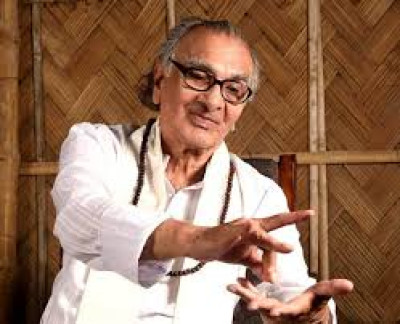
Life & Legacy
Early Life
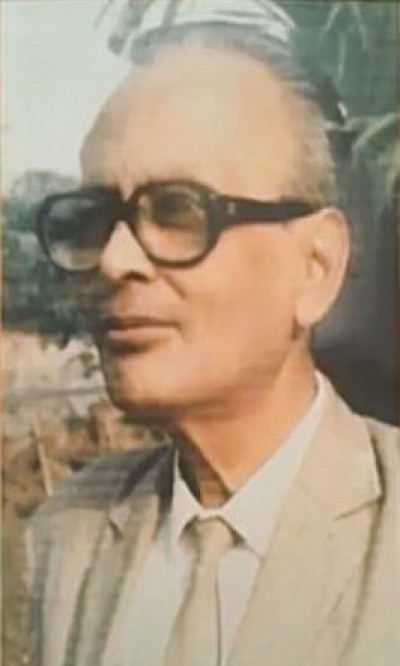
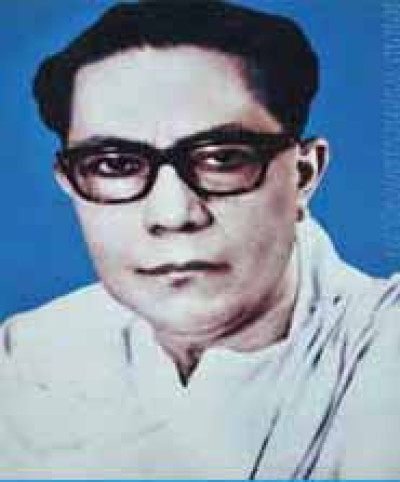
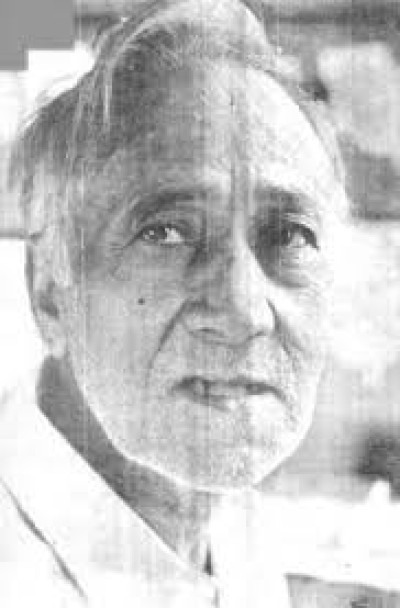
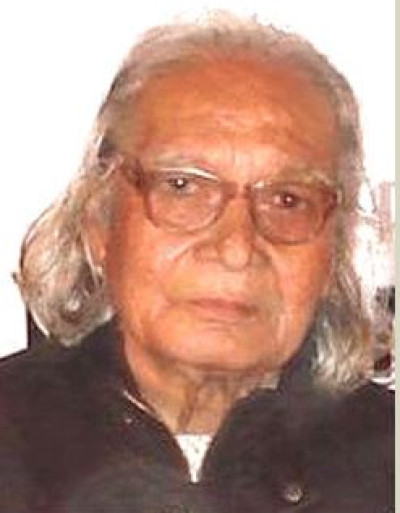
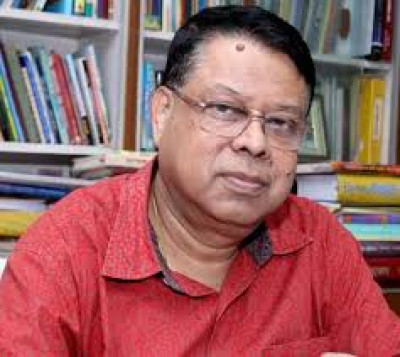
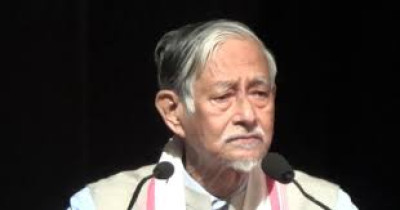
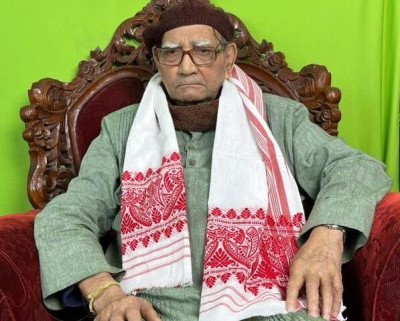
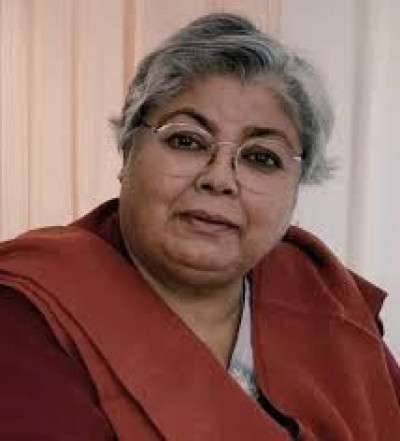
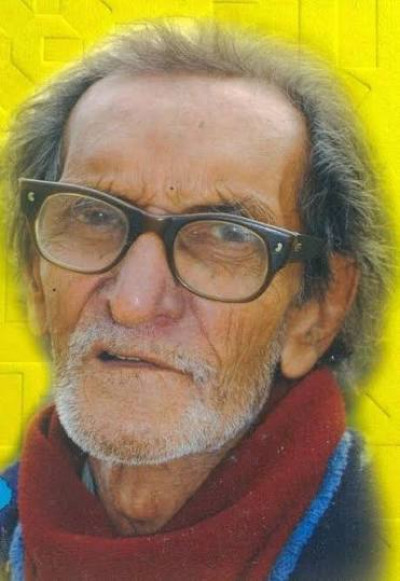
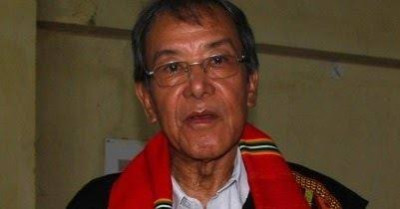
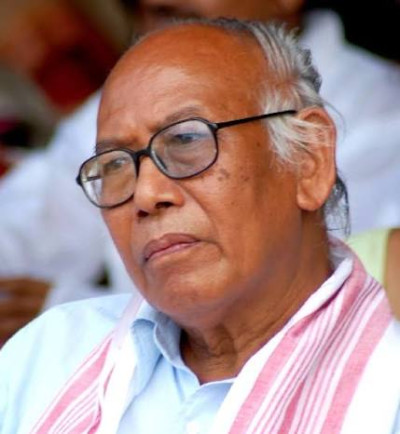
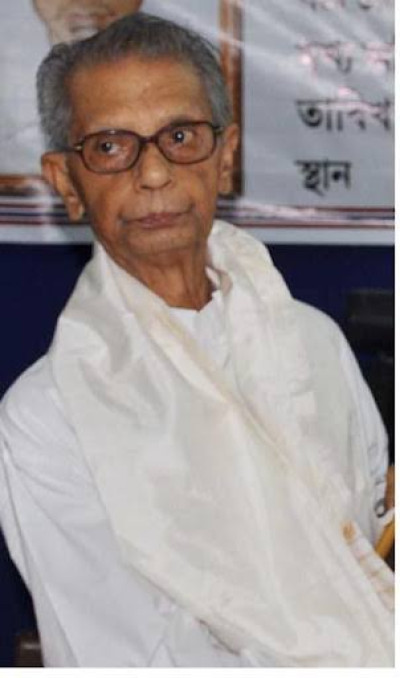
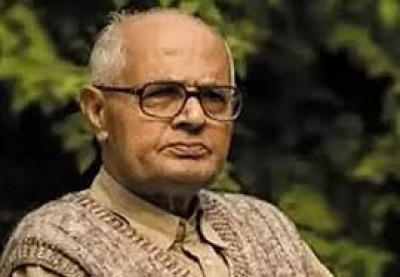
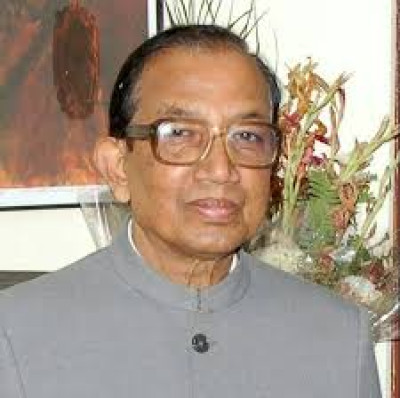
Mrinal Miri was born on 1 August 1940 in Shillong, which was then part of undivided Assam. He grew up in an intellectually enriching environment that encouraged learning and social awareness. His early years in Northeast India helped him develop a deep understanding of the region's cultural diversity, tribal traditions, and social challenges, subjects that later became central to his philosophical writings.
Education
Mrinal Miri pursued higher education with remarkable academic excellence. He studied Philosophy and later continued his advanced education at the University of Cambridge, where he obtained his BA in Philosophy in 1966. He completed his doctoral research and earned a PhD in Philosophy in 1970 under distinguished academic guidance. His education at Cambridge exposed him to modern philosophical thought while strengthening his interest in Indian philosophy, ethics, and cultural studies.
Academic Career
After completing his doctorate, Mrinal Miri began his teaching career as a Lecturer in Philosophy at St. Stephen's College, University of Delhi, where he served from 1970 to 1974. He later joined North-Eastern Hill University (NEHU) in Shillong and became one of the institution's leading scholars. His dedication to research, teaching, and institution building helped establish NEHU as an important centre for higher education in Northeast India.
From 1993 to 1999, he served as the Director of the Indian Institute of Advanced Study (IIAS), Shimla, where he promoted interdisciplinary research in humanities and social sciences. His academic leadership was widely appreciated for encouraging original thinking and intellectual dialogue.
Vice-Chancellor of NEHU
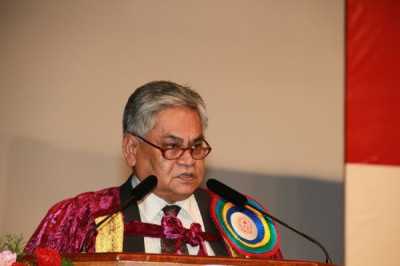
As the Vice-Chancellor of North-Eastern Hill University, Mrinal Miri introduced several academic and administrative reforms. He emphasized quality education, research, cultural inclusiveness, environmental awareness, and interdisciplinary learning. Under his leadership, the university strengthened its academic reputation while promoting the study of the unique cultures and traditions of Northeast India. His vision helped create an educational environment that encouraged innovation, critical thinking, and respect for regional diversity.
National Service and Public Roles
Apart from academics, Mrinal Miri contributed significantly to national policymaking. He served as a member of the National Advisory Council, where he participated in discussions on education and social development. He also contributed to the implementation of the Right to Education (RTE) Act, supporting efforts to make quality education accessible to all children.
In 2012, he was nominated to the Rajya Sabha, where he represented intellectual and educational interests while advocating for the development of Northeast India, educational reforms, and inclusive public policies.
Major Achievements
- Distinguished Indian philosopher and educationist.
- Professor of Philosophy at North-Eastern Hill University.
- Lecturer at St. Stephen's College, University of Delhi.
- Director of the Indian Institute of Advanced Study, Shimla.
- Vice-Chancellor of North-Eastern Hill University.
- Member of the National Advisory Council.
- Contributed to the implementation of the Right to Education Act.
- Nominated Member of the Rajya Sabha (2012-2016).
- Prominent scholar on ethics, identity, philosophy of education, and indigenous cultures.
- Widely respected for promoting higher education and research in Northeast India.
Awards and Recognition
Mrinal Miri has received several prestigious honours for his outstanding contribution to education, philosophy, and literature.
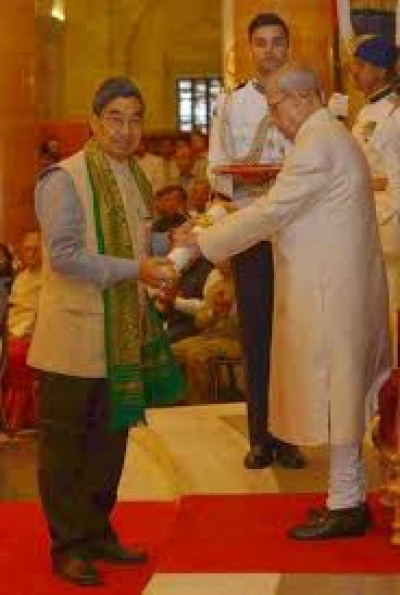
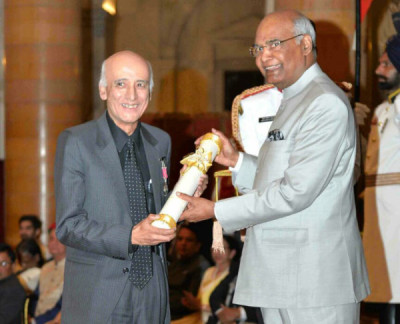
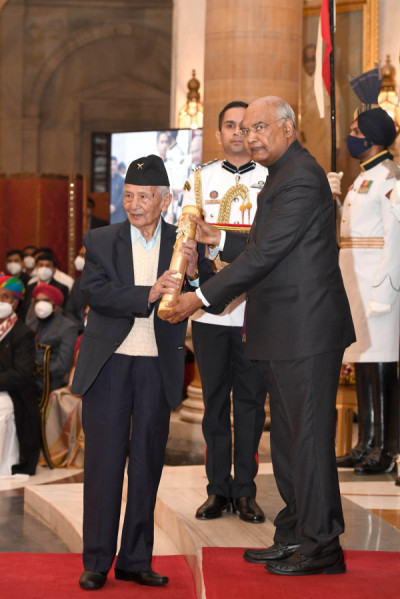
- Padma Bhushan (2005) - India's third-highest civilian award for contributions to Literature and Education.
- Pandit Iswar Chandra Vidyasagar Gold Plaque (2010) awarded by the Asiatic Society.
- Madhabdev Award (2010) presented by the Government of Assam.
- Recognized nationally for promoting philosophical research, educational excellence, and cultural understanding.
Books Written by Mrinal Miri
- Identity and the Moral Life (2002)
- Philosophy and Education (2014)
- The Place of Humanities in Our Universities (Editor)
- The Idea of Surplus: Tagore and Contemporary Human Sciences (Editor)
- Tribal India: Continuity and Change (Editor)
- Five Essays on Kant (Editor)
- Philosophy of Psychoanalysis
Personal Life
Mrinal Miri is married to Sujata Miri, who is also a philosopher. Throughout his life, he has remained committed to scholarship, public service, and the advancement of education. Even after retiring from administrative responsibilities, he continued delivering lectures, writing scholarly works, and contributing to discussions on philosophy, ethics, education, and indigenous knowledge.
Legacy
Mrinal Miri's legacy extends far beyond classrooms and universities. His writings on philosophy, morality, education, identity, and tribal cultures continue to inspire researchers, teachers, policymakers, and students across India. His lifelong commitment to academic excellence and inclusive education has made him one of the most respected intellectuals from Assam. His achievements have significantly strengthened the representation of Northeast India in national academic and policy-making institutions.
FAQs about Mrinal Miri