Life & Legacy
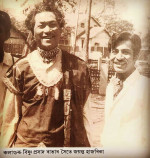
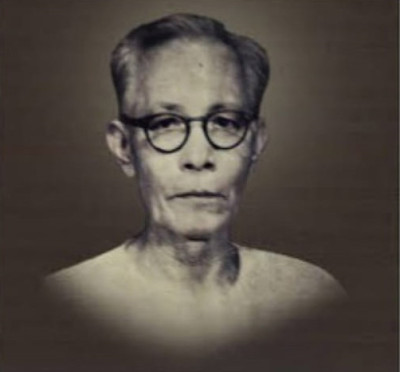
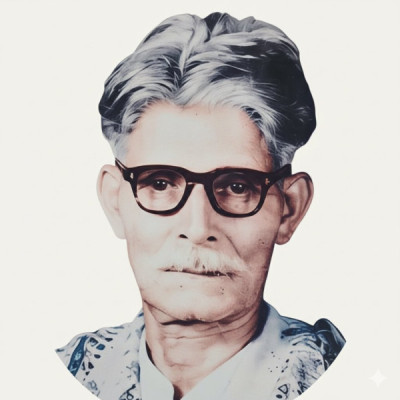
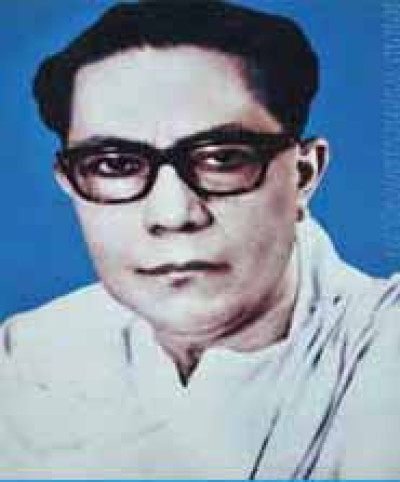
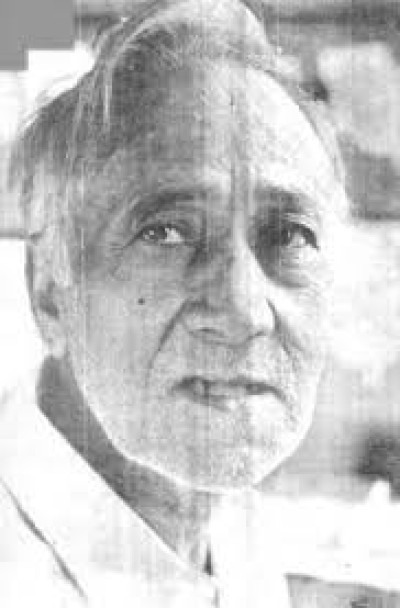
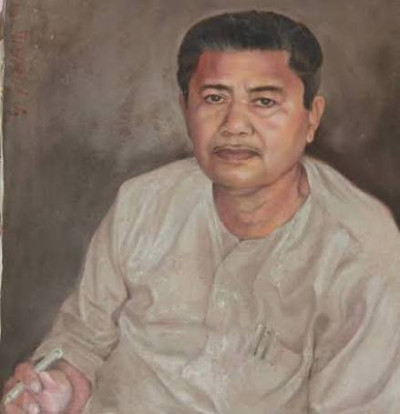
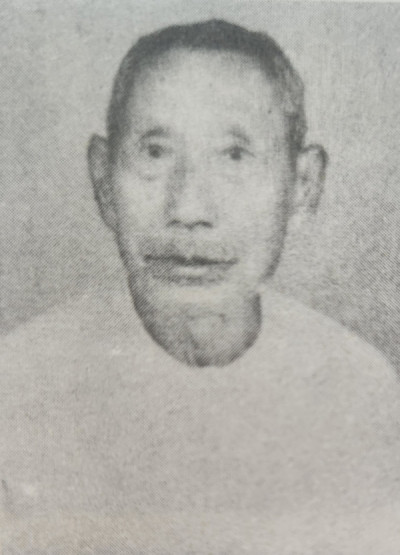
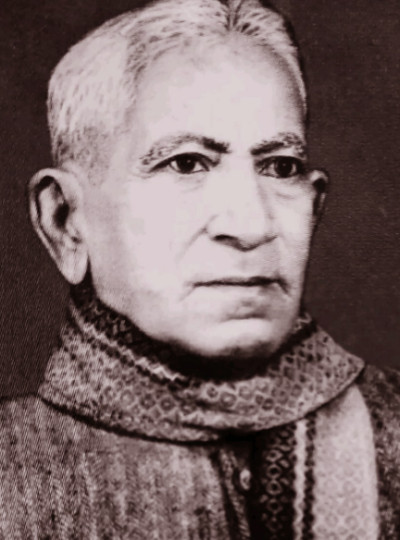
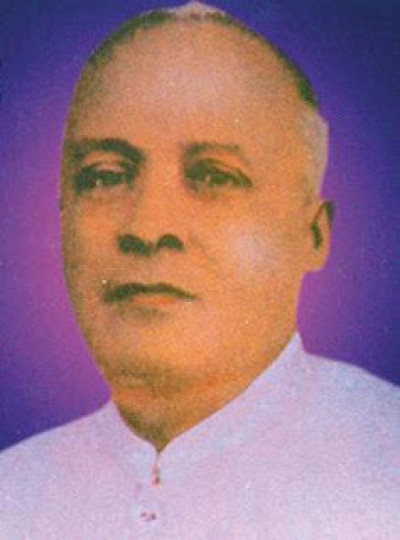
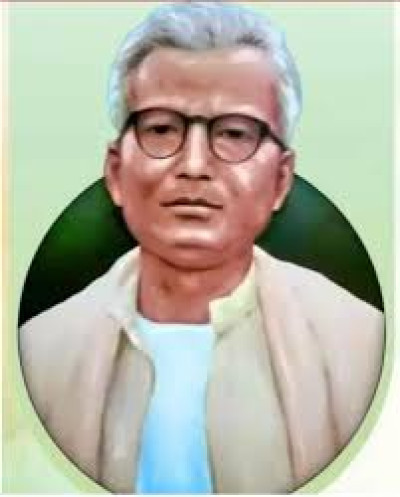
Bishnu Prasad Rabha was born on 31 January 1909 in Dhaka, then part of British India. His father was Gopal Chandra Rabha, while his mother was Gethi Rabha. Although born outside present-day Assam, he spent much of his life in Assam and became one of the state's greatest cultural ambassadors.
Early Life
From an early age, Bishnu Prasad Rabha displayed exceptional talent in academics, music and the performing arts. He also developed a deep concern for social justice and the welfare of ordinary people. His childhood experiences and exposure to different cultures helped shape his progressive outlook, which later became a defining feature of his life and work.
Education
Rabha completed his schooling in Tezpur after studying in Dhaka during his early years. He later moved to Kolkata for higher education, where he studied at St. Paul's College and continued his studies at Ripon College. Although he was academically gifted, his active involvement in the Indian freedom movement and political activities prevented him from completing his higher education. Even without a formal degree, he became a respected scholar, researcher and intellectual.
Freedom Movement and Political Life
Bishnu Prasad Rabha actively participated in India's struggle for independence against British rule. During his political journey, he gradually embraced socialist and Marxist ideas, believing that true freedom meant not only independence from colonial rule but also equality, justice and dignity for all sections of society.
He strongly opposed social inequality, poverty and exploitation. His famous slogan, "Haal Jaar Maati Taar," meaning "The land belongs to the one who cultivates it," reflected his commitment to the rights of farmers and agricultural workers. As a symbol of his dedication to social welfare, he donated around 2,500 bighas of ancestral land for the benefit of landless peasants. Part of this land later became the site of Tezpur University.
Contribution to Music
Music remains one of Bishnu Prasad Rabha's greatest contributions to Assamese culture. His songs are collectively known as "Rabha Sangeet," a respected genre in Assamese music. These compositions beautifully combine patriotism, love for nature, human values, cultural identity and social awareness.
His songs continue to be performed at educational institutions, cultural festivals and music competitions throughout Assam. Many of his compositions remain popular among music lovers because of their meaningful lyrics and timeless melodies.
Some of his best-known songs include:
- Xurore Deulore
- Bilote Halise
- Roi Roi Keteki
- Tilai Tilai
- Kurua Botah
- Para Janamor Hubha Logonor
Contribution to Dance, Theatre and Cinema
Bishnu Prasad Rabha was an accomplished dancer with deep knowledge of Indian classical dance traditions, especially Tandava. His remarkable performances earned him the title "Kalaguru," recognising his excellence in the performing arts.
He made significant contributions to Assamese theatre as an actor, playwright, director and producer. He was closely associated with the historic Ban Theatre in Tezpur, where many of his dramatic works were staged.
His contribution to Assamese cinema was equally important. He assisted Jyoti Prasad Agarwala in the making of Joymoti, the first Assamese feature film. He later directed the film Siraj and also acted in films such as Era Bator Sur and Pratidhwani.
Literary Works
Apart from music and theatre, Bishnu Prasad Rabha was an accomplished writer and researcher. His literary works focused on Assamese society, indigenous communities, culture and history. His writings continue to be valuable references for students and researchers interested in Assam's heritage.
Some of his important books include:
- Bane Kebang
- Sonpahi
- Axomiya Kristir Samuh Abhash
- Mising Koneng
- Atit Axom
Major Achievements
- One of Assam's greatest cultural personalities.
- Popularly known as "Kalaguru."
- Freedom fighter and social reformer.
- Pioneer of Rabha Sangeet.
- Renowned singer, composer and musician.
- Accomplished dancer and theatre artist.
- Film director and actor.
- Writer, researcher and anthropologist.
- Donated thousands of bighas of land for public welfare.
- Promoted equality, education and cultural awareness throughout Assam.
Awards and Recognition
Although Bishnu Prasad Rabha did not seek personal recognition during his lifetime, his contributions have been honoured in many ways after his death. The Government of Assam instituted the prestigious Kalaguru Bishnu Rabha Award to recognise outstanding contributions in the fields of art, culture and music. His songs, literary works and cultural ideals continue to be celebrated across the state.
Every year, 20 June is observed as Bishnu Rabha Divas in Assam. Schools, colleges, cultural organisations and government institutions organise programmes, musical performances and discussions to remember his life and achievements.
Death
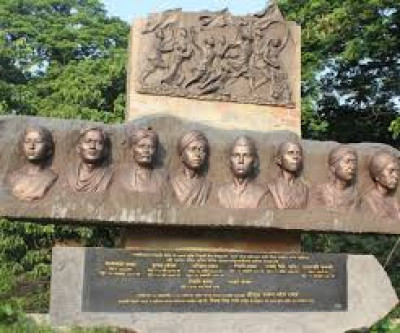
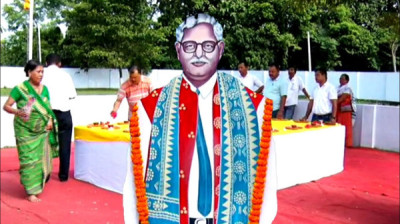
Bishnu Prasad Rabha passed away on 20 June 1969. Although he is no longer alive, his ideas, songs and cultural contributions continue to influence Assamese society. His memorial at Bishnu Rabha Smriti Udyan in Tezpur remains an important place of remembrance for admirers and visitors.
Legacy
The legacy of Kalaguru Bishnu Prasad Rabha extends far beyond literature and music. He demonstrated that art could become a powerful instrument for social transformation and public awareness. His work promoted unity, equality and cultural pride while preserving Assam's rich traditions. Today, he is remembered as one of the greatest cultural legends of Assam whose contributions continue to inspire artists, writers, musicians and social reformers throughout India.
FAQs on Kalaguru Bishnu Prasad Rabha
1) Who was Kalaguru Bishnu Prasad Rabha?
Kalaguru Bishnu Prasad Rabha was an Assamese freedom fighter, poet, singer, music composer, writer, actor, dancer and social reformer who made remarkable contributions to Assam's cultural and literary heritage.
2)Why is Bishnu Prasad Rabha called Kalaguru?
He was given the title "Kalaguru," meaning "Master of the Arts," because of his extraordinary achievements in music, dance, literature, theatre and other forms of art.
3)When was Bishnu Prasad Rabha born?
Bishnu Prasad Rabha was born on 31 January 1909.
4)When did Bishnu Prasad Rabha die?
He passed away on 20 June 1969.
5)What is Rabha Sangeet?
Rabha Sangeet is the collection of songs composed and written by Bishnu Prasad Rabha. These songs are widely respected in Assamese music for their cultural, patriotic and social themes.
6)What are the famous books written by Bishnu Prasad Rabha?
Some of his notable books include Bane Kebang, Sonpahi, Axomiya Kristir Samuh Abhash, Mising Koneng and Atit Axom.
7)What was Bishnu Prasad Rabha's contribution to Assamese cinema?
He assisted in the making of Joymoti, directed the film Siraj and acted in films including Era Bator Sur and Pratidhwani.
8)Why is Bishnu Rabha Divas celebrated?
Bishnu Rabha Divas is observed every year on 20 June to honour his outstanding contributions to Assamese culture, literature, music and social reform.
9)What was the slogan of Bishnu Prasad Rabha?
His famous slogan was "Haal Jaar Maati Taar," which means "The land belongs to the one who cultivates it."
10)Why is Bishnu Prasad Rabha important in Assam's history?
He played a significant role in preserving Assamese culture, promoting social equality, supporting India's freedom movement and enriching the fields of music, literature, theatre and education.