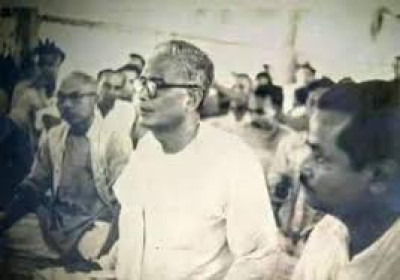
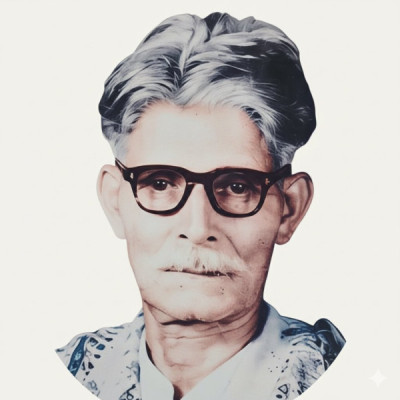
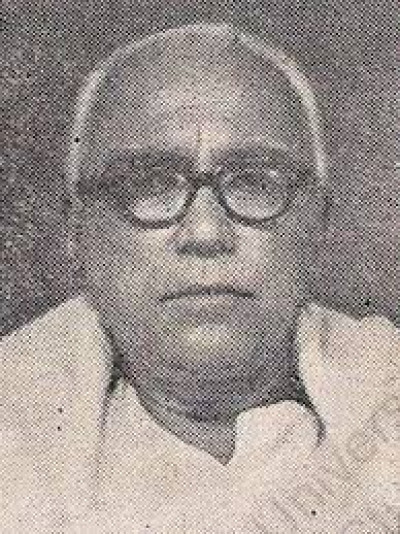
Life & Legacy
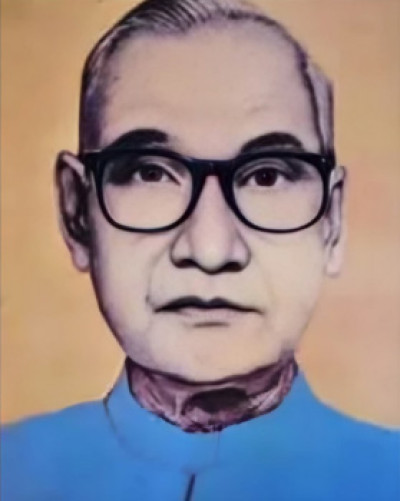
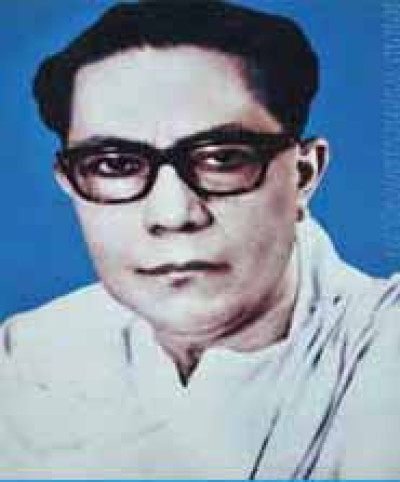
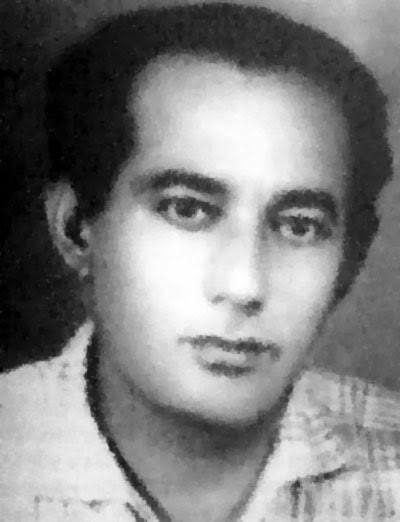
Born in 1910 in Tezpur, Assam, Phani Sarma grew up in an environment deeply connected with theatre and performing arts. His father, Molan Sarma, was an accomplished stage actor associated with the historic Ban Stage (Bana Rangamancha), one of Assam's oldest theatrical institutions. Watching rehearsals and stage performances from an early age inspired young Phani to pursue a career in acting. His natural talent, commanding voice and passion for storytelling later established him as one of the finest actors of Assamese theatre.
Early Life
Phani Sarma spent his childhood in Tezpur, often regarded as the cultural capital of Assam. Growing up in a family closely associated with drama, he developed a keen interest in acting while still a young boy. Instead of receiving formal theatre training, he learned by observing experienced artists and participating in stage activities. These early experiences helped him understand dialogue delivery, character development and stage presentation, skills that later became the foundation of his successful career.
His humble beginning is often remembered as an inspiring story. Before becoming an actor, he worked as a gatekeeper at Ban Stage. Rather than considering the job insignificant, he used every opportunity to learn from rehearsals and performances. His dedication, patience and willingness to learn eventually earned him the opportunity to perform on stage.
Education
Information regarding Phani Sarma's formal education is limited. However, his lifelong commitment to learning, literature and theatre reflected his intellectual curiosity and artistic discipline. He continuously expanded his knowledge through practical experience, extensive reading and close association with leading writers, dramatists and cultural figures of Assam. His deep understanding of history, society and human emotions is clearly reflected in his plays, films and stage performances.
Beginning of His Theatre Career
Phani Sarma formally began his acting career in 1928 when he portrayed Emperor Akbar in the historical play Rana Pratap at Ban Stage in Tezpur. His impressive performance immediately attracted attention and marked the beginning of an extraordinary theatrical journey that lasted more than four decades.
During the early years of his career, he worked with several distinguished theatre personalities and gradually became one of the leading actors of Assamese drama. His powerful dialogue delivery, expressive acting and ability to portray historical as well as social characters made him immensely popular among audiences throughout Assam.
He later joined the famous Kohinoor Opera, one of the earliest travelling theatre groups in Assam. The troupe performed across towns and villages, bringing quality theatrical productions to people who had little access to cultural programmes. Phani Sarma's performances became one of the biggest attractions of these productions, helping popularise Assamese theatre across the state.
Contribution to Assamese Theatre
Natasurya Phani Sarma is regarded as one of the architects of modern Assamese theatre. Throughout his career, he portrayed more than one hundred memorable characters, ranging from historical kings and freedom fighters to ordinary people facing social challenges. His performances combined emotional depth, realism and powerful stage presence, making him a favourite among theatre lovers.
Unlike many actors of his time, Phani Sarma believed that theatre should not only entertain but also educate society. His plays addressed themes such as justice, morality, patriotism, social inequality, corruption and human values. By introducing realistic storytelling and meaningful social messages, he helped transform Assamese theatre into an important medium for public awareness.
His association with Ban Stage and later travelling theatre groups played a significant role in strengthening Assam's dramatic tradition. Even today, many theatre artists regard him as one of their greatest inspirations.
Role in Assamese Mobile Theatre
Phani Sarma also made valuable contributions to the development of Assam's famous mobile theatre tradition. During the early years of Bhramyaman Theatre, he worked with travelling theatre companies, helping improve acting standards, stage direction and script presentation.
His involvement encouraged professional theatre to reach rural audiences across Assam. Through these performances, thousands of people experienced quality drama without travelling to major cities. His contribution helped establish mobile theatre as one of Assam's most unique cultural traditions.
Career in Assamese Cinema
Apart from theatre, Phani Sarma played an equally important role in the growth of Assamese cinema. He was among the earliest actors to work in the Assamese film industry and participated in several landmark productions that shaped the future of regional filmmaking.
One of the greatest milestones of his career came in 1935 when he appeared in Joymoti, the first Assamese feature film directed by Rupkonwar Jyoti Prasad Agarwala. In the film, he portrayed the character of Gathi Hazarika, delivering a memorable performance that remains an important part of Assamese cinema history.
He later appeared in Indramalati, another film directed by Jyoti Prasad Agarwala, further strengthening his reputation as a versatile screen actor. His natural acting style successfully bridged the gap between traditional theatre and modern cinema.
As a filmmaker, Phani Sarma directed and acted in Siraj (1948), a socially significant film promoting communal harmony and human values. He also directed and played the lead role in Piyoli Phukan (1955), a historical film based on the life of the Assamese freedom fighter Pioli Phukan. The film remains one of the notable historical productions in Assamese cinema.
Throughout his film career, Phani Sarma appeared in several important Assamese films, including Joymoti, Devdas, Indramalati, Siraj, Piyoli Phukan, Era Bator Sur, Lachit Borphukan, Ito Sito Bahuto and Maniram Dewan. His outstanding performances helped establish high artistic standards for future generations of Assamese actors.
His contribution to both theatre and cinema earned him the affectionate title "Natasurya," symbolising his immense influence on the performing arts of Assam. Even decades after his passing, his work continues to inspire actors, playwrights, directors and filmmakers across the state.
Major Plays
In addition to being a celebrated actor, Natasurya Phani Sarma earned immense respect as a playwright who used theatre to address social, historical and moral issues. His dramas combined powerful storytelling with meaningful messages, making them popular among audiences across Assam. Many of his works were regularly staged by professional theatre groups and later became an important part of Assamese dramatic literature.
Some of his most notable plays include:
- Bhogjara
- Siraj
- Kiya
- Nag-Pas
- Kola Bazar
Bhogjara
Bhogjara is one of Phani Sarma's most admired historical plays. Set during the Ahom period, it explores palace politics, betrayal, ambition and the consequences of absolute power. Through memorable characters and dramatic storytelling, the play examines human greed and the misuse of authority. His portrayal of King Lakshmi Singha became one of the most celebrated performances in Assamese theatre history.
Siraj
Siraj reflects Phani Sarma's belief in communal harmony and national unity. The story highlights friendship, humanity and mutual respect between different religious communities during a period of social tension. Both the stage production and the later film adaptation were appreciated for promoting peace, tolerance and social responsibility.
Kiya
Kiya is regarded as one of Phani Sarma's most emotional social dramas. Inspired by the struggles faced by performing artists, the play portrays the sacrifices made by individuals who dedicate their lives to entertaining society while often receiving little recognition in return. It remains a touching tribute to artists and their commitment to their profession.
Nag-Pas
In Nag-Pas, Phani Sarma addressed corruption, moral decline and the challenges faced by ordinary people in a changing society. The play encourages audiences to reflect on ethical values, honesty and public responsibility, making it relevant even today.
Kola Bazar
Kola Bazar combines humour with social criticism. Through satire and comedy, the play exposes unethical business practices, black marketing and economic inequality. Its entertaining narrative delivers an important message about fairness, honesty and social justice.
Literary Contributions
Although Phani Sarma is primarily remembered as an actor and dramatist, he also made valuable contributions to Assamese literature. His writings reflected his understanding of society, culture and human emotions. His plays continue to be studied for their dramatic structure, realistic characters and meaningful themes.
One of his significant literary achievements was translating the internationally acclaimed play An Inspector Calls by English playwright J. B. Priestley into Assamese. This translation introduced Assamese audiences to modern dramatic techniques while successfully adapting universal social themes to a regional context.
His literary works helped enrich Assamese theatre by encouraging realistic storytelling, ethical discussions and socially relevant narratives.
Filmography
Natasurya Phani Sarma made significant contributions to Assamese cinema as an actor, director and screen artist. His important films include:
| Year | Film | Contribution |
|---|---|---|
| 1935 | Joymoti | Actor (Gathi Hazarika) |
| 1937 | Devdas | Actor |
| 1939 | Indramalati | Actor |
| 1948 | Siraj | Director and Actor |
| 1955 | Piyoli Phukan | Director and Lead Actor |
| 1956 | Era Bator Sur | Actor |
| 1961 | Lachit Borphukan | Actor |
| 1963 | Ito Sito Bahuto | Actor |
| 1964 | Maniram Dewan | Actor |
These films played an important role in establishing Assamese cinema during its formative years. His performances demonstrated that regional cinema could successfully portray history, literature and social issues with artistic excellence.
Major Achievements
Throughout his career, Phani Sarma achieved numerous milestones that continue to influence Assamese theatre and cinema.
His major achievements include:
- Became one of the greatest pioneers of Assamese theatre.
- Earned the honorary title "Natasurya" for his outstanding contribution to drama.
- Played a memorable role in Joymoti, the first Assamese feature film.
- Directed historically significant Assamese films including Siraj and Piyoli Phukan.
- Performed in more than one hundred stage productions during his career.
- Helped popularise professional theatre throughout Assam.
- Contributed significantly to the development of Assamese mobile theatre.
- Wrote socially relevant plays that remain important in Assamese dramatic literature.
- Introduced modern dramatic techniques through translations and original works.
- Inspired several generations of actors, playwrights and filmmakers.
Awards and Recognition
Although formal awards during his lifetime were limited, Phani Sarma received widespread admiration and respect from audiences, theatre organisations and the cultural community of Assam.
His greatest honour was the title "Natasurya," meaning "The Sun of Drama." This prestigious recognition symbolises his unmatched contribution to Assamese theatre and reflects the immense affection people continue to have for him.
His achievements have also been recognised through:
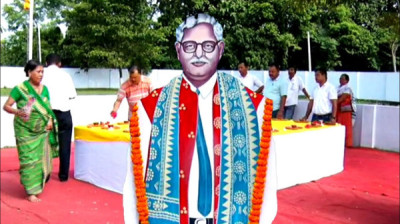
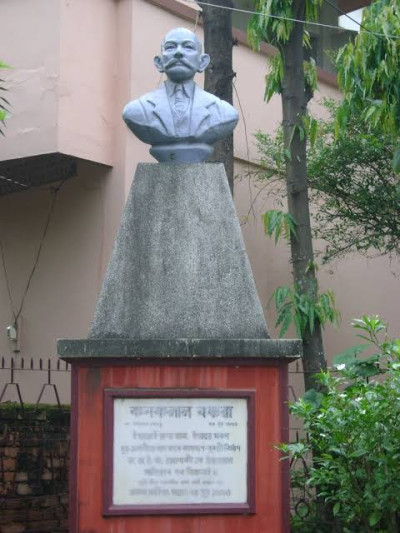
- Statues and memorials dedicated to him in Assam.
- Inclusion in the history of Assamese theatre and cinema.
- Cultural programmes organised in his memory.
- Recognition by theatre organisations and educational institutions.
- Continued performances of his plays by theatre groups across Assam.
Death
Natasurya Phani Sarma passed away in 1970, leaving behind an extraordinary legacy in Assamese theatre and cinema. Although his physical journey ended, his artistic contributions continue to influence performers, filmmakers and theatre enthusiasts throughout Assam.
Legacy
The legacy of Natasurya Phani Sarma remains deeply embedded in Assamese culture. He transformed theatre into a powerful medium for education, social awareness and entertainment while helping lay the foundation of Assamese cinema.
His acting style, dramatic writing and stage direction continue to inspire aspiring artists and theatre professionals. Many of his plays are still performed, while his films remain valuable milestones in the history of Assamese cinema.
Today, Phani Sarma is remembered not only as an outstanding actor but also as a visionary cultural leader whose work strengthened Assam's artistic identity. His lifelong dedication to preserving and promoting Assamese language, literature, theatre and cinema ensures that his influence will continue for generations to come.
FAQs on Natasurya Phani Sarma
1. Who was Natasurya Phani Sarma?
Natasurya Phani Sarma was a legendary Assamese actor, playwright, film director and theatre personality. He is regarded as one of the pioneers of modern Assamese theatre and cinema and is remembered for his outstanding contribution to the performing arts of Assam.
2. Why was Phani Sarma called "Natasurya"?
Phani Sarma was honoured with the title "Natasurya," meaning "The Sun of Drama," because of his exceptional achievements in Assamese theatre. His remarkable acting skills, memorable stage performances and lifelong dedication to drama earned him this prestigious title.
3. When and where was Phani Sarma born?
Phani Sarma was born in 1910 in Tezpur, Assam, India. Tezpur, often known as the cultural capital of Assam, played a significant role in shaping his artistic career.
4. What are the major contributions of Phani Sarma to Assamese theatre?
Phani Sarma transformed Assamese theatre through his outstanding performances, realistic acting style and meaningful plays. He performed in more than one hundred stage productions, wrote several popular dramas and helped establish professional and mobile theatre traditions across Assam.
5. Which was the first Assamese film in which Phani Sarma acted?
Phani Sarma appeared in Joymoti (1935), the first Assamese feature film directed by Rupkonwar Jyoti Prasad Agarwala. His performance in the film remains an important milestone in the history of Assamese cinema.
6. Which famous films were directed by Phani Sarma?
Phani Sarma directed notable Assamese films including Siraj (1948) and Piyoli Phukan (1955). Both films are remembered for their historical importance and meaningful social themes.
7. What are the famous plays written by Phani Sarma?
Some of the most well-known plays written by Phani Sarma include Bhogjara, Siraj, Kiya, Nag-Pas and Kola Bazar. These dramas addressed history, social justice, morality and human values.
8. What is Phani Sarma's contribution to Assamese cinema?
Phani Sarma played a pioneering role in Assamese cinema as an actor and director. His work in Joymoti, Indramalati, Siraj, Piyoli Phukan, Lachit Borphukan and several other films helped establish the foundation of the Assamese film industry.
9. When did Natasurya Phani Sarma pass away?
Natasurya Phani Sarma passed away in 1970. Despite his death, his contributions to Assamese theatre, literature and cinema continue to inspire artists and audiences across generations.
10. Why is Natasurya Phani Sarma remembered today?
Natasurya Phani Sarma is remembered as one of the greatest cultural icons of Assam for his lifelong contribution to theatre, cinema and literature. His acting, plays, films and dedication to Assamese culture continue to influence actors, playwrights and filmmakers, making him an enduring symbol of Assam's artistic heritage.