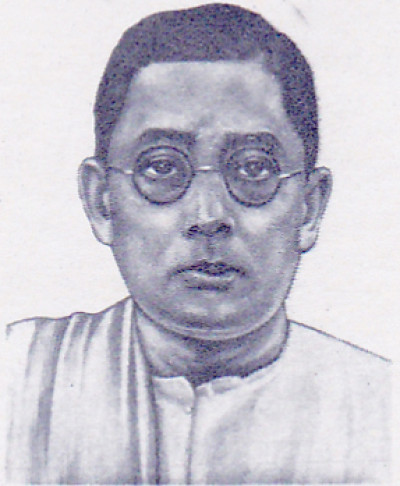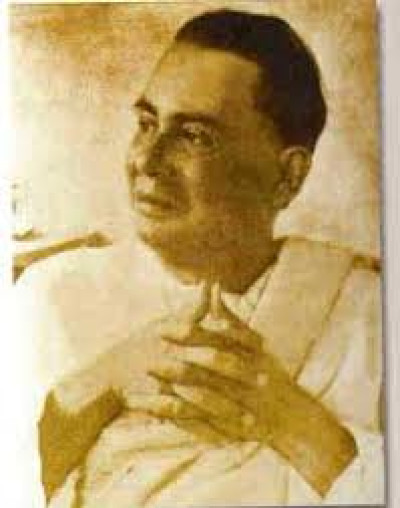
Life & Legacy
Early Life
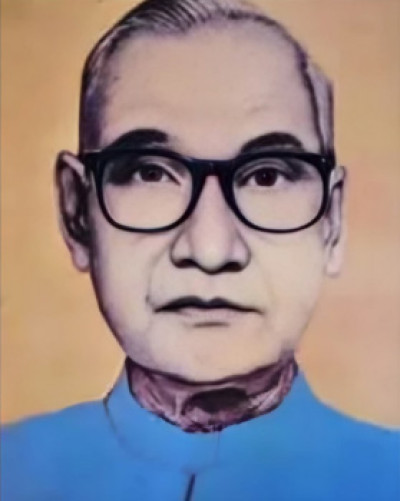
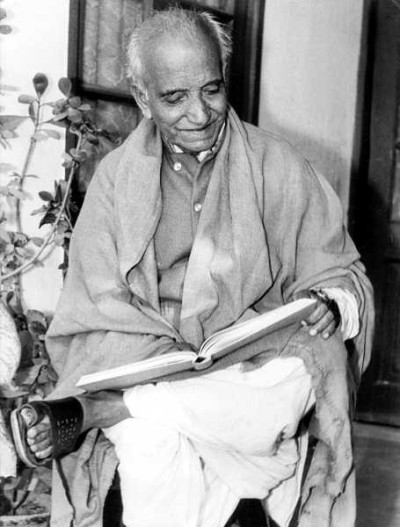
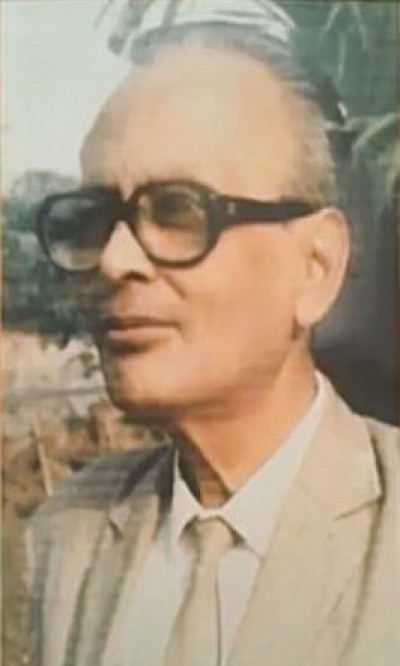
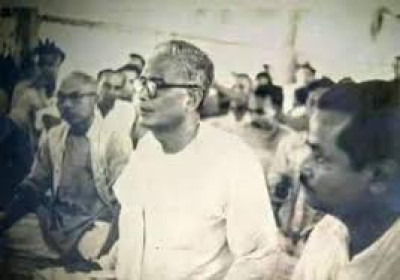
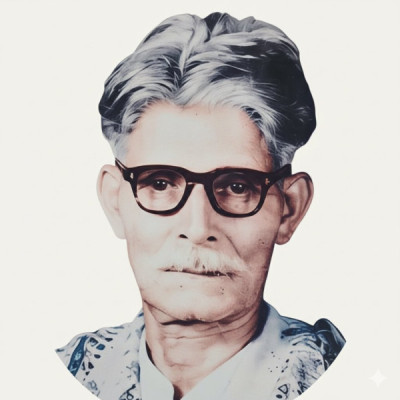
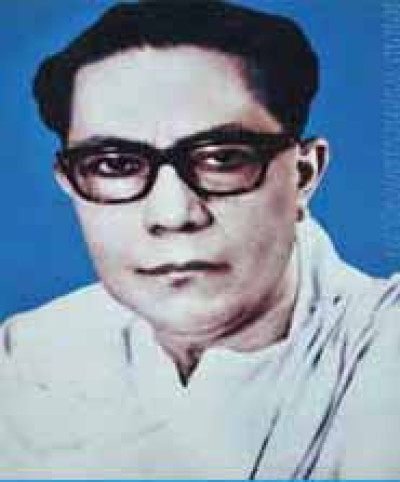
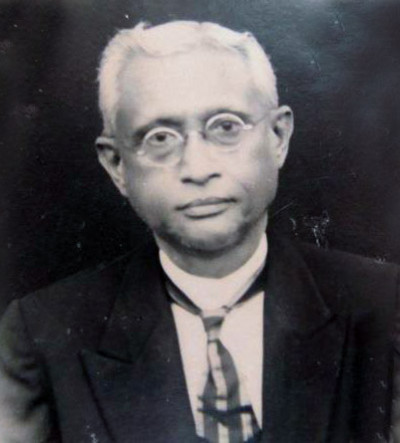
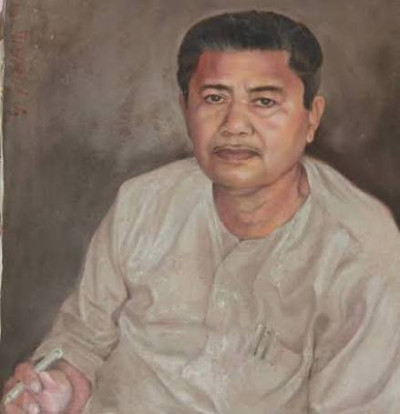
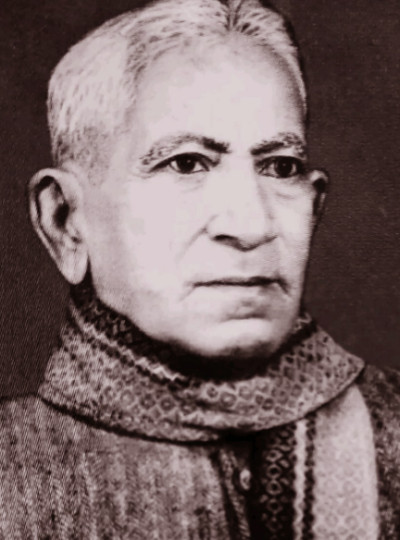
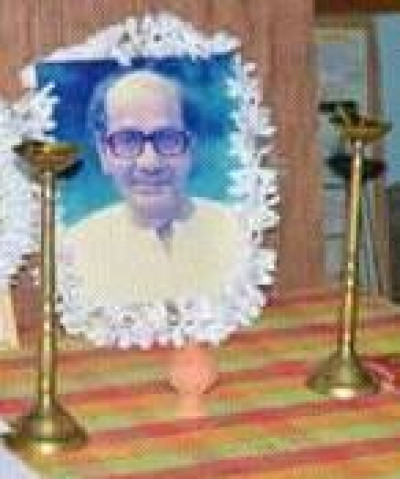
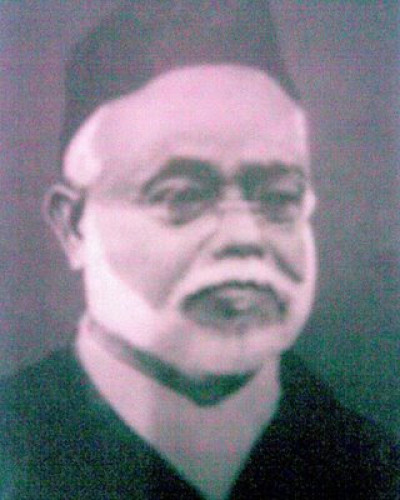
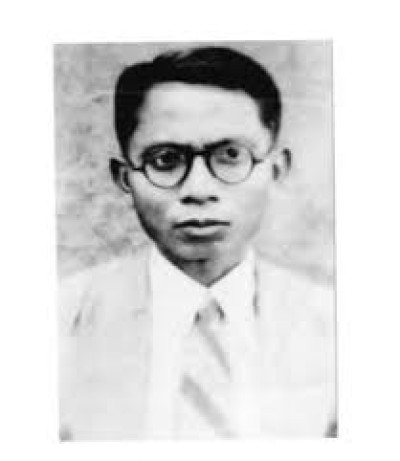
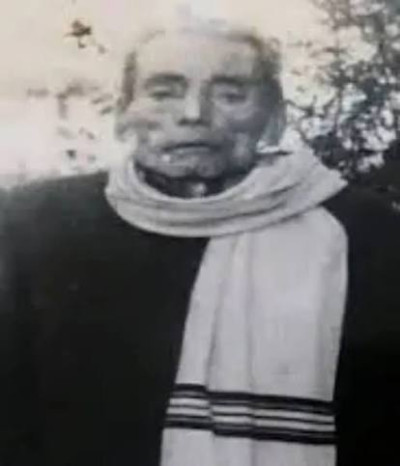
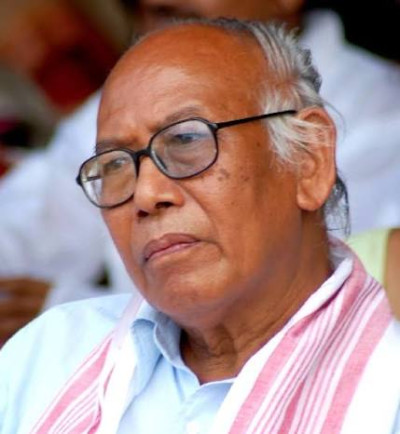
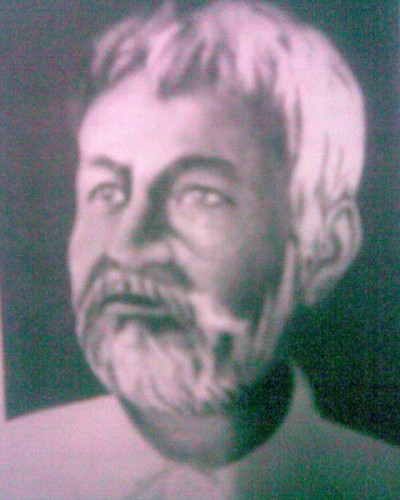
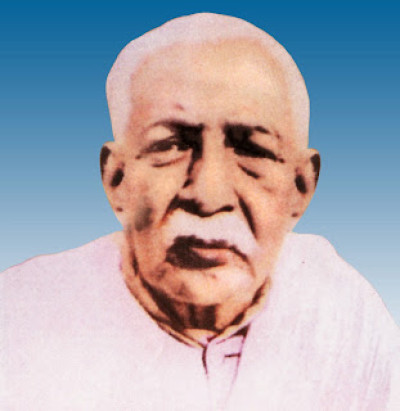
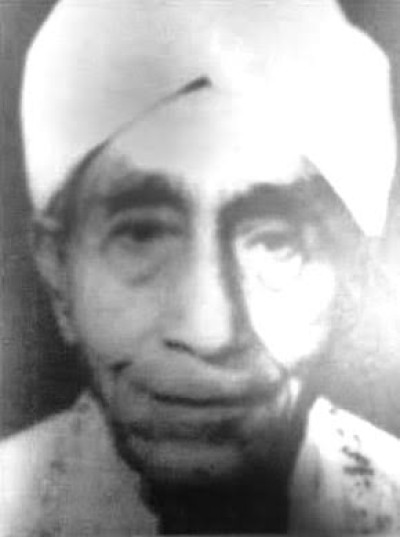
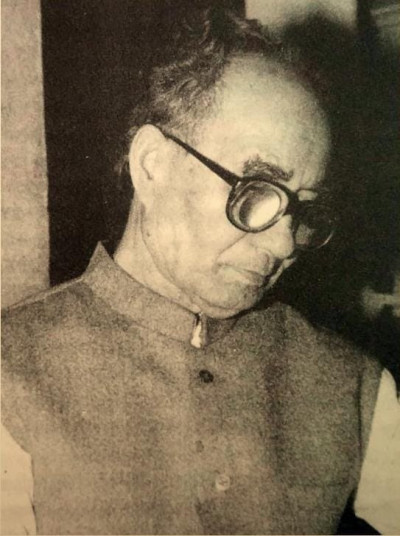
Birinchi Kumar Barua was born on 10 November 1908 at Kharongichuk near Puranigudam in present-day Nagaon district of Assam. He was born into a respected Assamese family. His father, Bijoyram Barua, and his mother, Leelawati Barua, encouraged education and learning from an early age. Growing up in rural Assam allowed him to experience the customs, traditions, folklore and oral history of Assamese society, which later became the foundation of his lifelong research.
Education
Barua received his early education at Nagaon Mission School and later studied at Nagaon Government High School. His academic excellence earned him admission to Presidency College, Calcutta. He completed his Intermediate Arts in 1930 and graduated with honours in Pali in 1932. He stood first in the university and received the prestigious Ishan Scholarship. In 1934, he completed his Master's degree in Pali with first-class distinction and later obtained a Bachelor of Law degree. His passion for research took him to the University of London, where he earned a PhD with his famous research on the cultural history of Assam.
Career
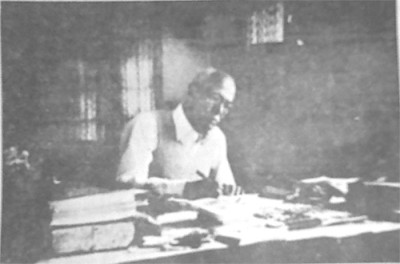
Birinchi Kumar Barua began his professional career as a lecturer at Calcutta University before joining Cotton College, Guwahati, where he taught Assamese language and literature. After the establishment of Gauhati University in 1948, he became one of its leading faculty members and later served as the Head of the Department of Assamese. He also held the position of Registrar and contributed immensely to the development of higher education in Assam.
Apart from teaching, he played an active role in national cultural organizations. He served on the Official Language Commission of India, became a member of the Indian Film Censor Board and established the Assam Academy for Cultural Relations to strengthen cultural harmony among the diverse communities of Northeast India.
Literary Contributions
Birinchi Kumar Barua was among the earliest scholars to study Assamese folklore in a scientific and academic manner. His research documented folk traditions, oral literature, customs, beliefs, festivals and the everyday life of Assamese people. His work created a strong foundation for folklore studies in India.
As a novelist, he portrayed Assamese society with realism and sensitivity. His novels explored human emotions, village life, social transformation and cultural identity. His writings combined literary excellence with scholarly depth, making them valuable to both general readers and researchers.
He also wrote extensively on Assamese language, literary history, Buddhism, Vaishnavism and the cultural evolution of Assam. His English publications introduced Assam's history and heritage to readers beyond the region, while his Assamese books strengthened the state's literary tradition.
Major Books
Some of Birinchi Kumar Barua's notable works include:
- Jeevanar Batat
- Seuji Patar Kahini
- Jatakamala
- Pot Poriborton
- Aghoni Bai
- Asomar Lok-Sanskriti
- Asomiya Katha Sahitya
- Asomiya Bhasha aru Sahitya
- Asomar Sanskritir Itihas
- A Cultural History of Assam
- Early Geography of Assam
- Studies in Early Assamese Literature
- Vaishnav Guru Sankardev
- Bharat Buronji
- Switzerland Bhraman
- Professor Baruar Chithi
Positions Held
Throughout his distinguished career, Birinchi Kumar Barua served in several important academic and cultural positions, including:
- Lecturer at Calcutta University
- Professor at Cotton College
- Reader and Professor of Assamese at Gauhati University
- Head of the Department of Assamese, Gauhati University
- Registrar of Gauhati University
- Dean of the Faculty of Arts
- Member of the Official Language Commission of India
- Member of the Indian Film Censor Board
- Founder and President of the Assam Academy for Cultural Relations
- Visiting Professor of Folklore at Indiana University, USA
Awards and Recognition
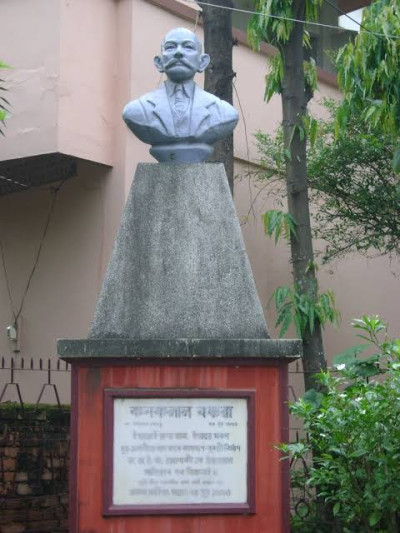
Birinchi Kumar Barua received several prestigious honours for his contributions to literature and research. He was awarded the Ishan Scholarship during his university education for academic excellence. His landmark book Asomar Lok-Sanskriti received the Sahitya Akademi Award, making him one of the most respected literary scholars of Assam. Today, auditoriums, colleges, libraries and memorial lectures bearing his name continue to honour his contribution to Assamese education, folklore and literature.
Death
Birinchi Kumar Barua passed away on 30 March 1964 in Guwahati at the age of 55. His untimely death ended a remarkable academic journey, but his writings and research continue to inspire scholars, students and readers across India.
Legacy
Birinchi Kumar Barua is remembered as one of the architects of modern Assamese literary scholarship. His pioneering work in folklore, linguistics, literary criticism and cultural history transformed the study of Assamese language and heritage into an internationally respected academic discipline. His books remain valuable references in universities, while his vision for preserving Assam's traditions continues to inspire researchers and cultural organizations. His lifelong dedication to literature, education and cultural preservation has secured him a permanent place among the greatest intellectuals and literary figures of Assam.
FAQs about Birinchi Kumar Barua
1. Who was Birinchi Kumar Barua?
Birinchi Kumar Barua was a renowned Assamese writer, folklorist, historian, linguist, educationist and researcher who made outstanding contributions to Assamese literature, folklore studies and cultural history during the twentieth century.
2. When and where was Birinchi Kumar Barua born?
Birinchi Kumar Barua was born on 10 November 1908 at Kharongichuk near Puranigudam in the present-day Nagaon district of Assam, India.
3. Why is Birinchi Kumar Barua famous?
He is famous for his pioneering research on Assamese folklore, his influential literary works, his contributions to Assamese language studies and for establishing folklore as an important academic discipline in Assam.
4. Which is the most famous book written by Birinchi Kumar Barua?
His most celebrated work is Asomar Lok-Sanskriti, a landmark study of Assamese folk culture that earned him the Sahitya Akademi Award.
5. What are some important books written by Birinchi Kumar Barua?
Some of his well-known books include Jeevanar Batat, Seuji Patar Kahini, Asomar Lok-Sanskriti, A Cultural History of Assam, Asomiya Katha Sahitya, Asomiya Bhasha aru Sahitya, Studies in Early Assamese Literature and Early Geography of Assam.
6. What positions did Birinchi Kumar Barua hold during his career?
He served as a lecturer at Calcutta University, professor at Cotton College, Head of the Department of Assamese at Gauhati University, Registrar of Gauhati University, Dean of the Faculty of Arts, member of the Official Language Commission, member of the Indian Film Censor Board, founder of the Assam Academy for Cultural Relations and Visiting Professor at Indiana University.
7. Which award did Birinchi Kumar Barua receive?
He received the prestigious Sahitya Akademi Award for his outstanding book Asomar Lok-Sanskriti. He was also honoured with the Ishan Scholarship during his university education for academic excellence.
8. What were Birinchi Kumar Barua's major contributions to Assamese literature?
His major contributions include research on Assamese folklore, preservation of oral traditions, development of Assamese literary criticism, promotion of Assamese language studies, historical research and mentoring future scholars through higher education.
9. When did Birinchi Kumar Barua die?
Birinchi Kumar Barua passed away on 30 March 1964 in Guwahati, Assam, leaving behind an enduring legacy in literature, education and cultural research.
10. What is the legacy of Birinchi Kumar Barua?
Birinchi Kumar Barua is remembered as one of the greatest scholars in Assamese literature. His books, research and academic leadership continue to influence universities, researchers and readers, while his work remains an important source for understanding the language, folklore and cultural heritage of Assam.